


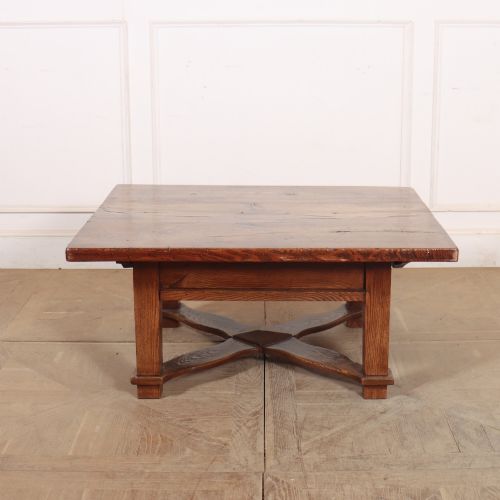


Traditional X Frame Table
Traditional x frame table designs combine sturdy trestle construction with versatile surfaces, offering practical utility and enduring character for domestic spaces.
Traditional X Frame Table
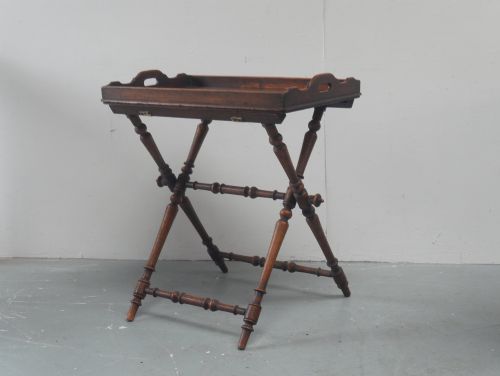
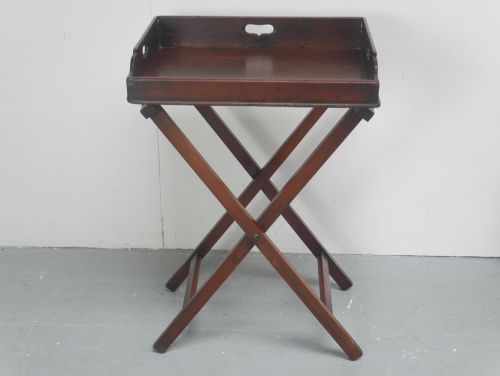
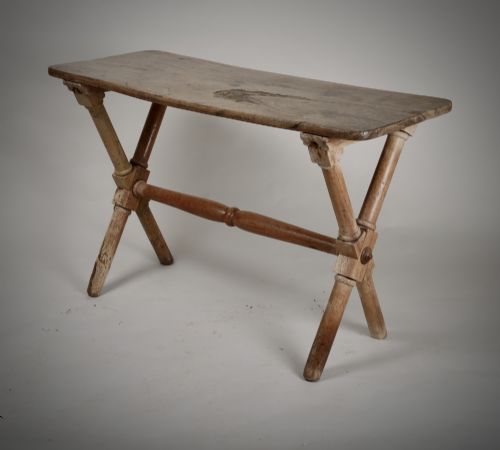
A traditional x frame table brings together historic forms and domestic utility, typically taking the shape of tavern trestles, butler trays on stands, or occasional furniture designed for flexible placement. These pieces appear across multiple periods, notably the eighteenth and nineteenth centuries, alongside Edwardian and later twentieth-century iterations.
Buyers seeking this configuration encounter sturdy pine, oak, and mahogany examples built for communal dining, kitchen work, or portable service. The characteristic cross-leg or folding base provides structural stability while maintaining an open silhouette beneath the top surface.
Makers adapted the cross-frame format for various functions, ranging from rustic farmhouse environments to refined drawing rooms. Surviving specimens demonstrate how utilitarian supports were executed in both heavy hardwoods and lighter folding formats.
Materials and Construction
Carpenters utilised solid timbers like oak, pine, mahogany, and elm to construct the durable tops and intersecting leg supports characteristic of these pieces. Joints were frequently pinned or pegged to withstand heavy daily use in taverns, kitchens, and domestic halls.
Surface treatments relied on natural wax finishes, simple paint applications, or polished veneers that highlighted the grain of the wood. Metal brackets and hinges appeared on folding variants to ensure smooth articulation without compromising overall rigidity.
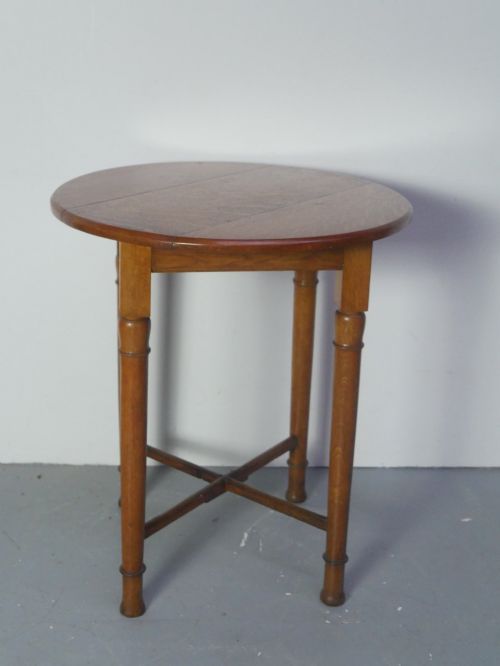
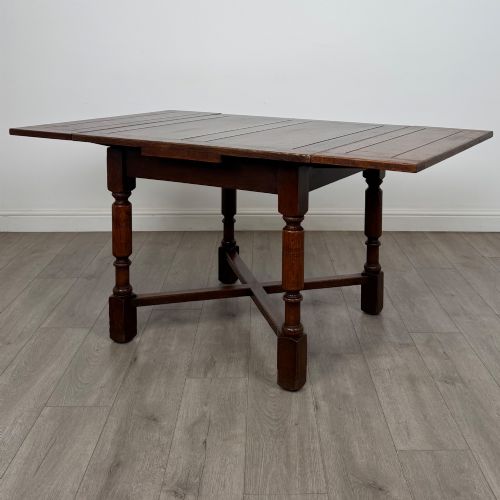
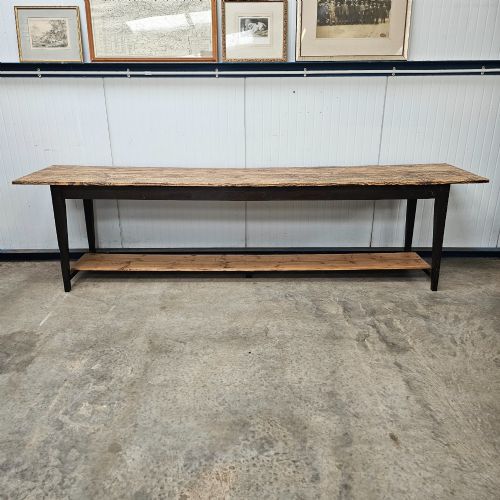
The documented furniture includes dining tables, side tables, tray tables, coffee tables, and occasional tables.
Build and Proportion
Superior examples display balanced proportions where the intersecting legs align harmoniously with the thickness and span of the top board. Finer pieces retain original timber surfaces with deep patination accumulated through generations of use rather than aggressive modern stripping.
The integrity of the cross-joints determines stability, distinguishing robust workshop execution from loose or overly repaired frames. Quality also shows in the selection of timber, where single-plank tops or well-matched boards command greater appreciation than utilitarian multi-pieced assemblies.
Gillows·Purvis of London·The British Chess Company·Jozsef Molnar·Frank Moss Bennett
The Traditional X Frame Table Glossary
- X-frame
- A structural support system formed by two intersecting diagonal members creating a cross shape. This design distributes weight evenly and allows for rigid stability.
- Trestle table
- A table comprising a horizontal beam supported by two trestles or folding legs. Historically utilised in large halls and refectories for communal dining.
- Butler tray
- A portable wooden tray with hinged or fixed sides, often paired with a folding stand. It originated for serving drinks or food in formal households.
- Patina
- The surface sheen and colour developed by timber over years of handling, polishing, and exposure to light. It serves as an indicator of age and genuine wear.
- Refectory table
- A long, narrow dining table traditionally built for monastic or institutional dining rooms. Surviving variants are prized for their substantial timber construction.
Traditional X Frame Table: Frequently Asked Questions
What is a traditional x frame table?
A traditional x frame table uses intersecting diagonal legs to support a wooden top, providing a stable surface with open legroom beneath.
These pieces range from heavy tavern trestles to portable folding stands, reflecting domestic and commercial uses across past centuries.
How were these tables used originally?
Earlier examples served in taverns and kitchens for dining, food preparation, and communal gatherings where sturdy construction was essential.
Folding versions allowed servants to move serving trays and small surfaces easily between rooms during domestic events.
How do I care for antique wood?
Protect wooden surfaces by maintaining stable room temperatures and avoiding direct sunlight, which can dry out older timbers and finishes.
Apply natural beeswax periodically to nourish the wood and preserve the surface sheen without sealing the grain permanently.
How can I tell the age of a table?
Examine the construction methods, tool marks on the underside, and the depth of the patina accumulated on the timber surfaces.
Matching the wood species and hardware style to known manufacturing periods helps narrow down the decade of production.