

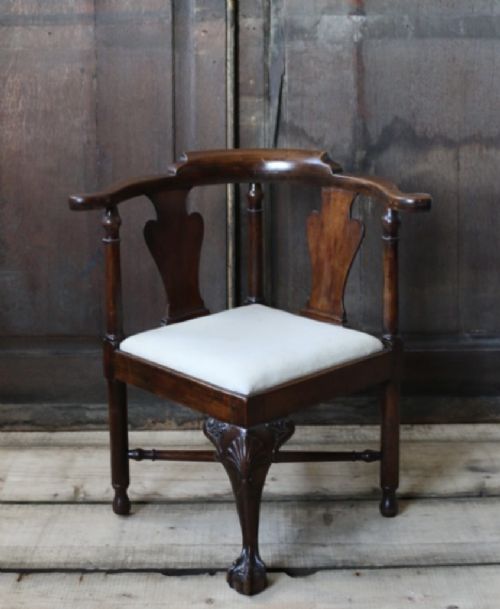


Traditional Writing Armchair
A traditional writing armchair is a sturdy seat built for the desk, combining robust timber frames with supportive armrests for steady work.
Traditional Writing Armchair
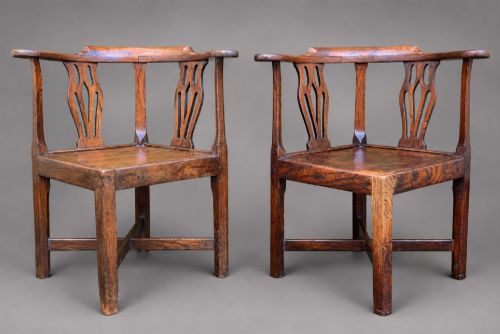
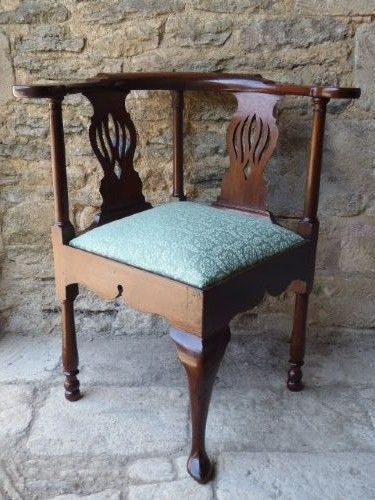
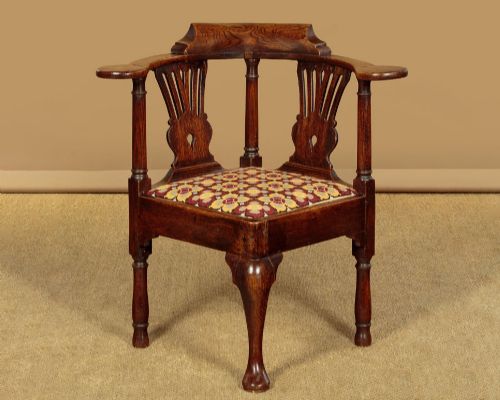
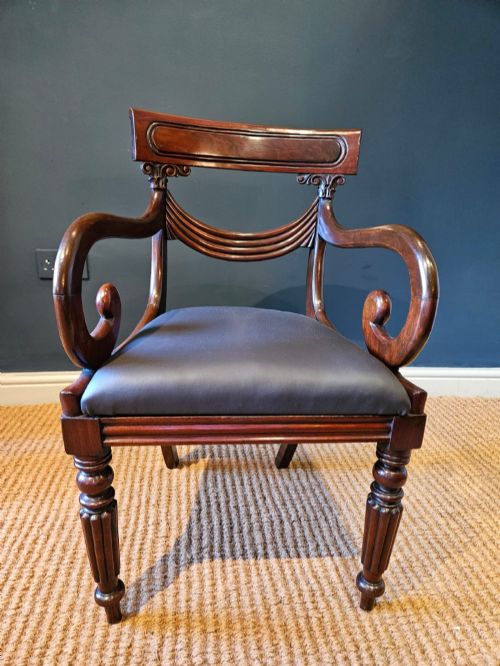
A traditional writing armchair offers a practical seat designed for desks and libraries, appearing primarily in formats such as corner chairs, desk chairs, and library chairs. These forms provide sturdy wooden frames that support long hours of reading or writing.
The selections span distinct historical eras, with examples originating from the eighteenth century, the nineteenth century, and specific periods like the Georgian, George II, William IV, Victorian, and Regency epochs. Buyers frequently encounter corner chairs and mahogany desk chairs amongst these listings.
Origins range widely from country workshops to urban cabinet makers, using robust regional woods like oak and elm alongside finer imported timbers such as mahogany and walnut. Each piece reflects the functional requirements of historical studies and writing rooms.
How they were made
Cabinet makers utilised dense hardwoods including oak, mahogany, walnut, and elm to construct the load-bearing frames and legs of each traditional writing armchair. These timbers were chosen for their durability and grain strength.
Seating surfaces and upholstery incorporated traditional textiles, fabric, velvet, leather, and rush to provide comfort during extended periods of desk work. Joinery techniques varied from regional pegged construction to refined urban cabinet making.
Traditional Writing Armchair Retail Price Guide 2026
Typical asking prices for traditional writing armchair among the pieces listed under this phrase on Sellingantiques today, from the lower quarter to the upper quarter. They describe what is for sale here now, not the wider market.
Materials recorded across the current inventory include oak, mahogany, walnut, elm, leather, velvet, textile, and rush.
What varies in quality
Quality rests upon the selection of timber and the precision of the joinery, distinguishing sturdy regional country pieces from finely carved urban examples. Superior items display crisp detailing in carved mahogany or walnut components.
The integrity of the original frame construction and the quality of the integrated leather, fabric, or rush seating determine the overall standard of the chair. Finer specimens maintain their structural rigidity and material authenticity over centuries of use.
The Traditional Writing Armchair Glossary
- Corner chair
- A seating form designed to fit neatly into the corner of a room, featuring a diagonal seat plan and a continuous curved armrest supported by columns.
- Desk chair
- A sturdy seat created specifically for use at a writing table or bureau, often incorporating swivelling mechanisms or fixed arm supports.
- Library chair
- A heavy, supportive armchair intended for reading rooms, typically upholstered in leather or fabric for extended comfort.
- George II
- An architectural and decorative style spanning the mid eighteenth century, characterised by robust proportions and restrained classical carving.
- Mahogany
- A durable, reddish-brown tropical hardwood favoured by cabinet makers during the eighteenth and nineteenth centuries for its fine grain and strength.
Traditional Writing Armchair: Frequently Asked Questions
What is a traditional writing armchair?
A traditional writing armchair is a sturdy wooden seat built with supportive armrests for use at a desk or in a library. These chairs combine practical seating with period craftsmanship.
They appear in forms such as corner chairs and desk chairs, utilising timbers like oak, mahogany, and walnut.
How do I identify a Georgian desk chair?
Georgian desk chairs are identified by their eighteenth-century proportions, robust timber construction, and distinct stylistic markers associated with the period. They often feature mahogany or walnut frames.
Makers of this era focused on functional strength combined with refined classical lines suitable for studies and libraries.
Where were corner chairs used?
Corner chairs were originally designed to fit into the corner of a room or to provide a stable seat for writing at a corner desk. Their diagonal orientation offered practical utility in domestic interiors.
They remain versatile seating options that adapt well to modern study spaces and living rooms.
What woods were used for these chairs?
Cabinet makers utilised a range of regional and imported hardwoods to build writing armchairs. Oak, elm, and walnut appear frequently in country and early pieces.
Finer nineteenth-century examples often employ mahogany, paired with leather, fabric, or rush for the seat.