
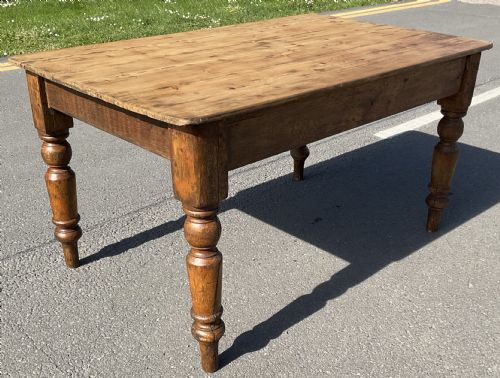


Traditional Work Table
A traditional work table brings practical utility and tactile history to a room, offering sturdy surfaces shaped by daily domestic or workshop use.

Traditional Work Table
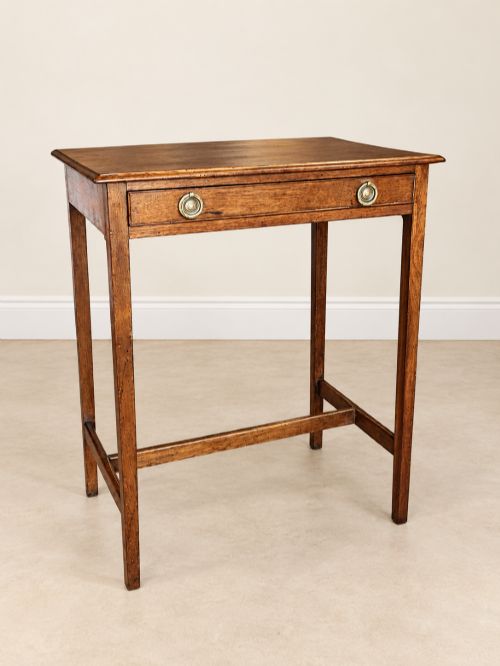
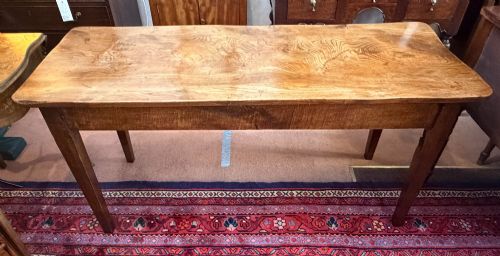
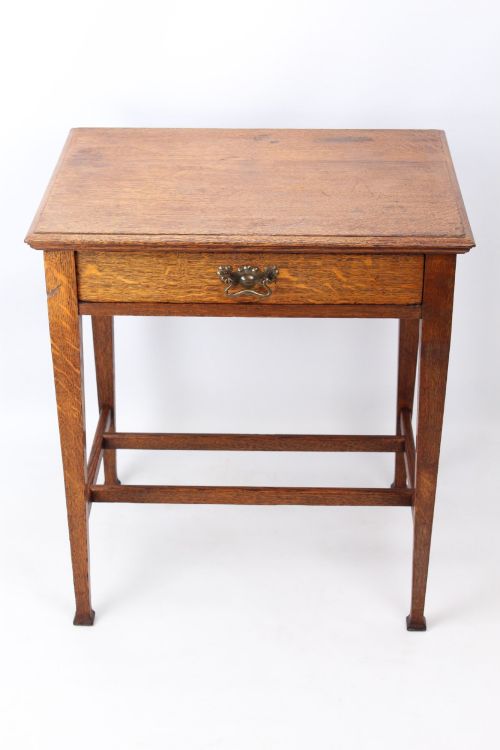
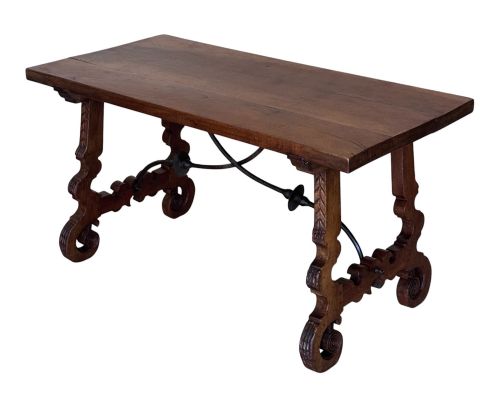
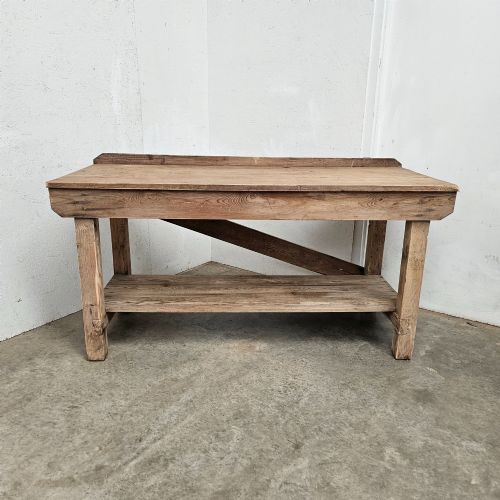
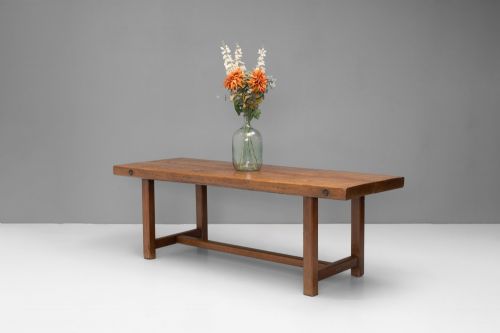
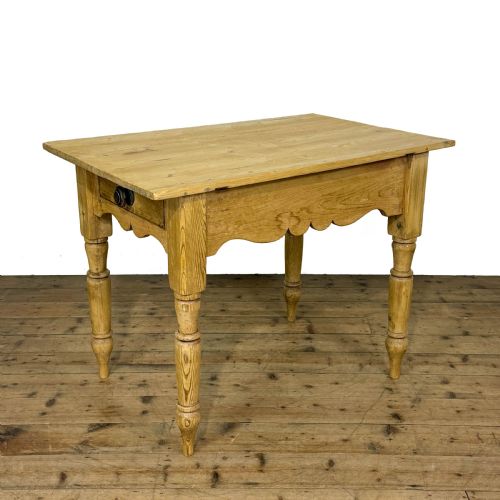
A traditional work table encompasses various utilitarian forms designed for specific tasks, from sewing and writing to kitchen preparation and workshop crafts. When searching for a traditional work table, buyers encounter pieces that span centuries, reflecting the practical needs of past households and trades.
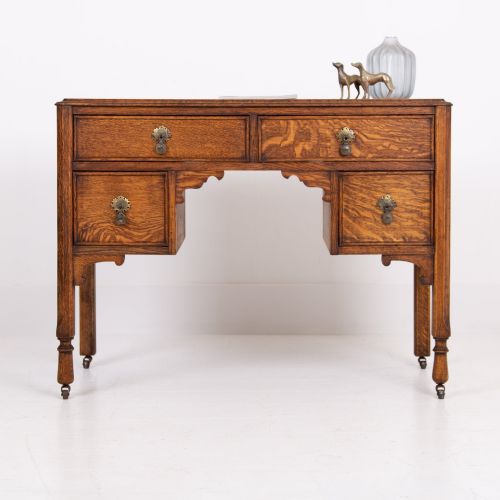
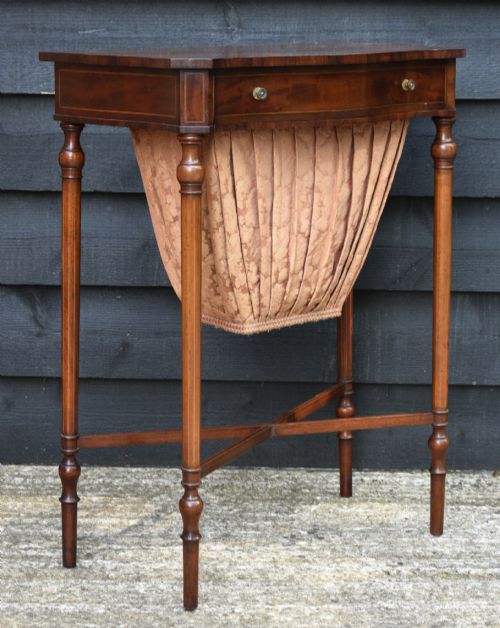
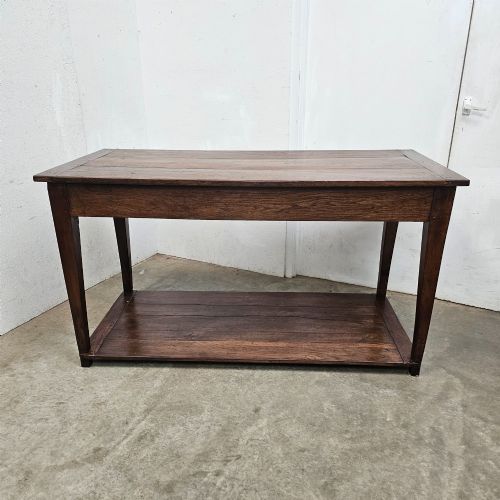
The selections on this page draw predominantly from nineteenth century and Victorian periods, alongside Georgian and Edwardian examples. Forms range from dedicated sewing and needlework tables to pine kitchen tables, writing desks, and artisans workbenches equipped with vises.
Materials vary widely according to the intended function of each piece, utilising durable timbers such as oak, mahogany, pine, walnut, and beech. These items serve as functional surfaces or focal points in modern interiors, retaining the utilitarian character of their origins.
How they were made
Carpenters and cabinet makers built these tables using solid timbers suited to their workload, selecting robust woods like oak, pine, mahogany, and walnut. Construction methods prioritised durability, employing sturdy joinery, cleated ends, and trestle frames to withstand heavy daily use.
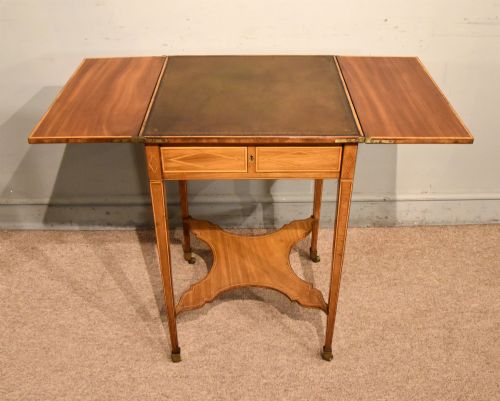
Surface treatments and details varied by region and purpose, ranging from natural waxed finishes and inlaid mahogany veneers to original painted surfaces such as Swedish Falu paint. Iron and brass hardware, including hinges and vices on workbench variants, provided functional reinforcement.
Some French artisans left their workbenches complete with built-in wooden vices, ready for the next project.
What varies in quality
The caliber of a traditional work table rests upon the selection of timber and the integrity of its construction. Superior examples display carefully chosen grain patterns, precise inlay work, and robust framing that has endured decades of practical service.
Preservation of original finishes and structural components elevates a piece, distinguishing honest working examples from heavily restored or altered items. The sophistication of the design, whether a simple pine dairy table or an inlaid mahogany sewing table, dictates its standing within the range.
The Traditional Work Table Glossary
- Cleated ends
- Wooden battens fixed across the ends of a table top to prevent warping and movement in solid timber boards.
- Inlaid
- A decorative technique where contrasting woods or materials are set flush into the surface to create patterns.
- WorkBench
- A heavy-duty table fitted with a vise, utilised by artisans and craftspeople for holding work steady.
- Trestle table
- A table consisting of two or more support frames connected by a horizontal beam holding a board top.
- Sewing table
- A small specialised table featuring compartments, drawers, or bags for needlework and textile tools.
Traditional Work Table: Frequently Asked Questions
What is a traditional work table used for today?
These tables serve multiple purposes in contemporary spaces, functioning as kitchen prep stations, writing desks, or side surfaces. Their robust construction makes them suitable for daily domestic tasks.
They also add historic character and rustic charm to modern interiors as statement furniture.
How do I identify the period of a work table?
Dating relies on observing timber choices, construction techniques, and stylistic details recorded across different eras. Georgian pieces often feature fine mahogany and inlay, while Victorian examples frequently utilise pine or walnut.
Hardware styles and tool marks left by makers further assist in establishing an approximate age.
Are these tables suitable for everyday kitchen use?
Many of these pieces, particularly pine farmhouse and kitchen tables, were originally built for heavy culinary work. Their solid construction handles daily wear reliably.
Care should be taken with antique finishes to preserve the historical surface against moisture and heat.
What is the difference between a work table and a desk?
Work tables generally offer versatile, open surfaces or integrated compartments intended for crafts like sewing or general domestic tasks. Desks are specifically configured for writing and paperwork, often featuring dedicated drawers and pigeonholes.
Both categories share sturdy utilitarian construction methods.