




Traditional Wool Rug Runner
A traditional wool rug runner brings long, narrow warmth to a hallway using time-tested patterns.
Traditional Wool Rug Runner
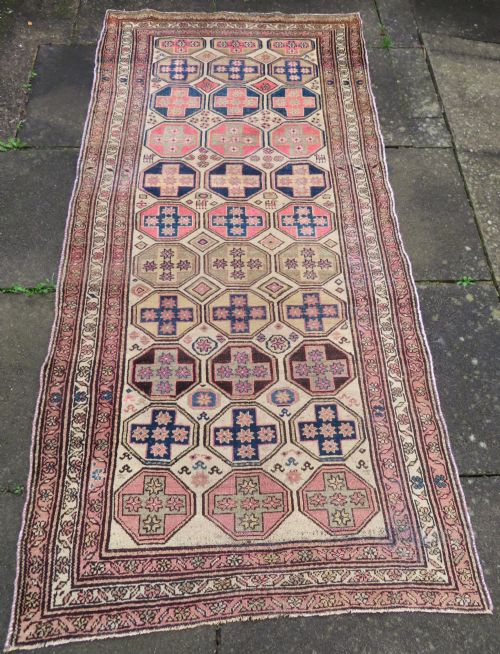
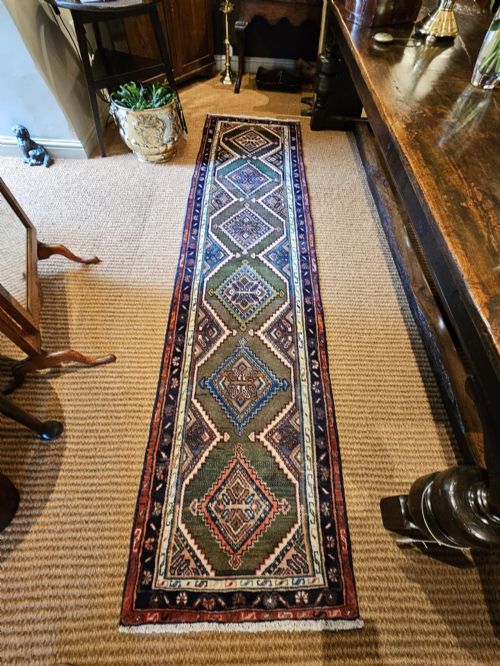
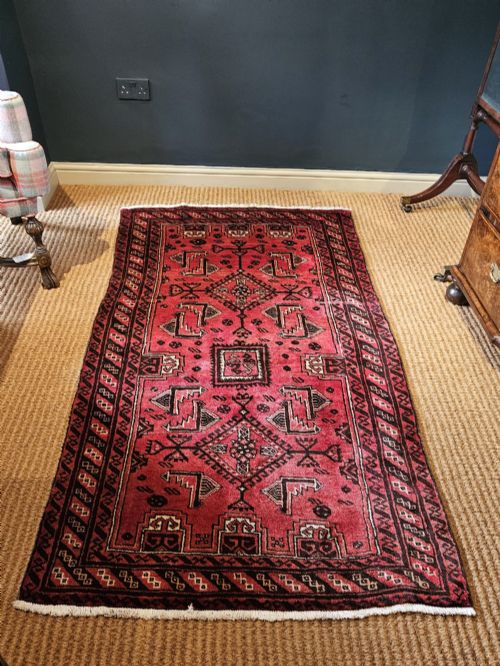
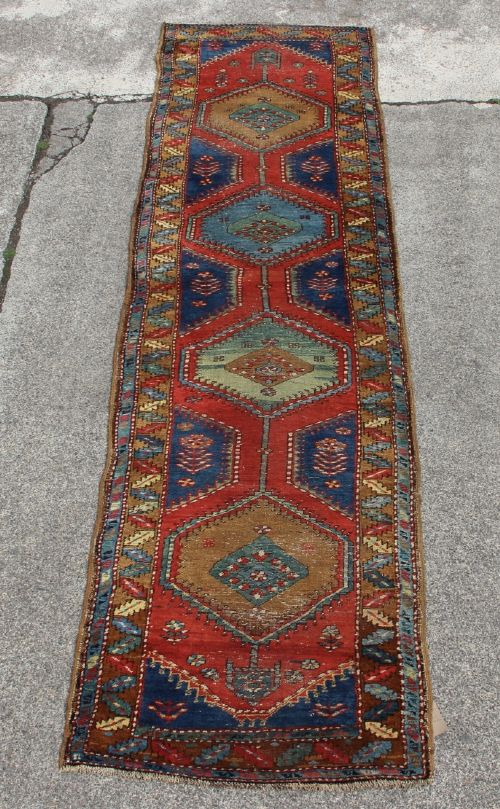
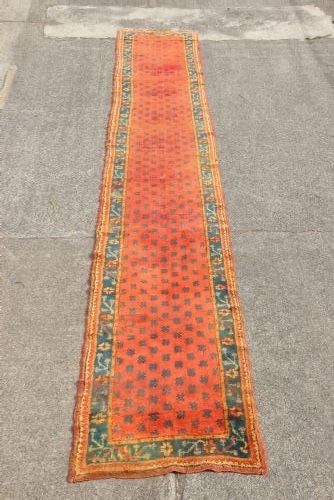
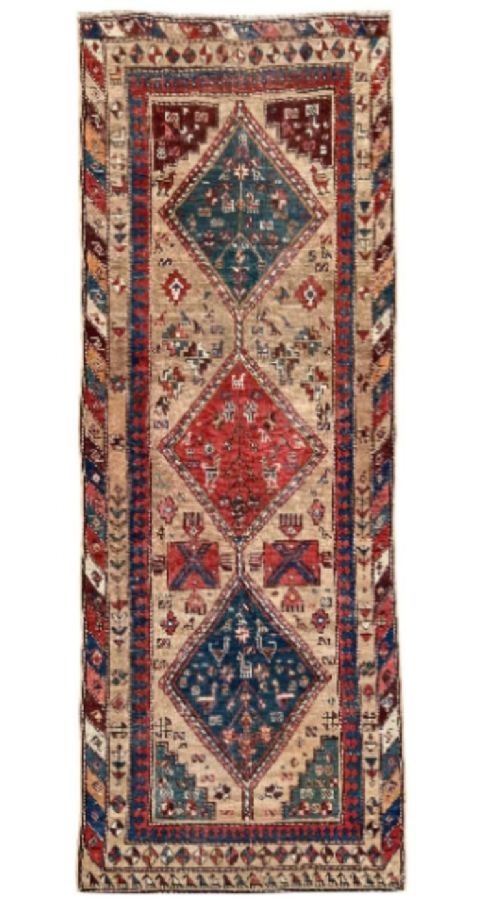
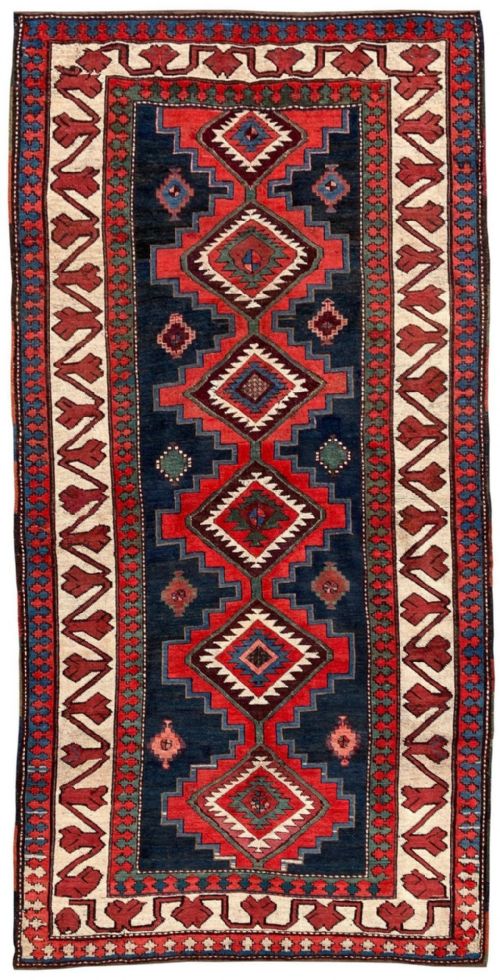
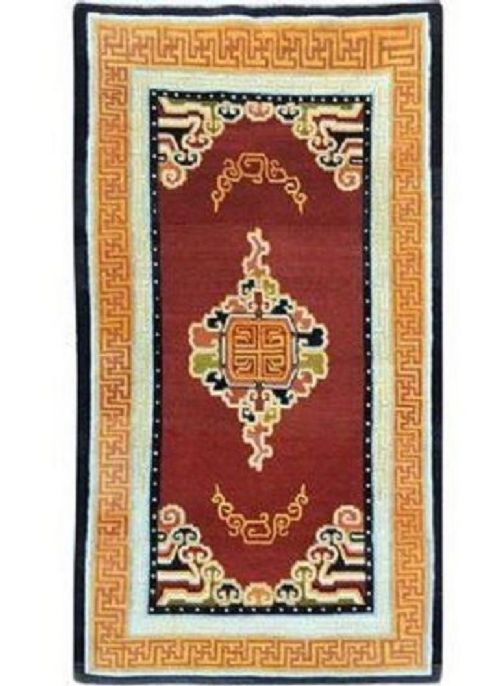
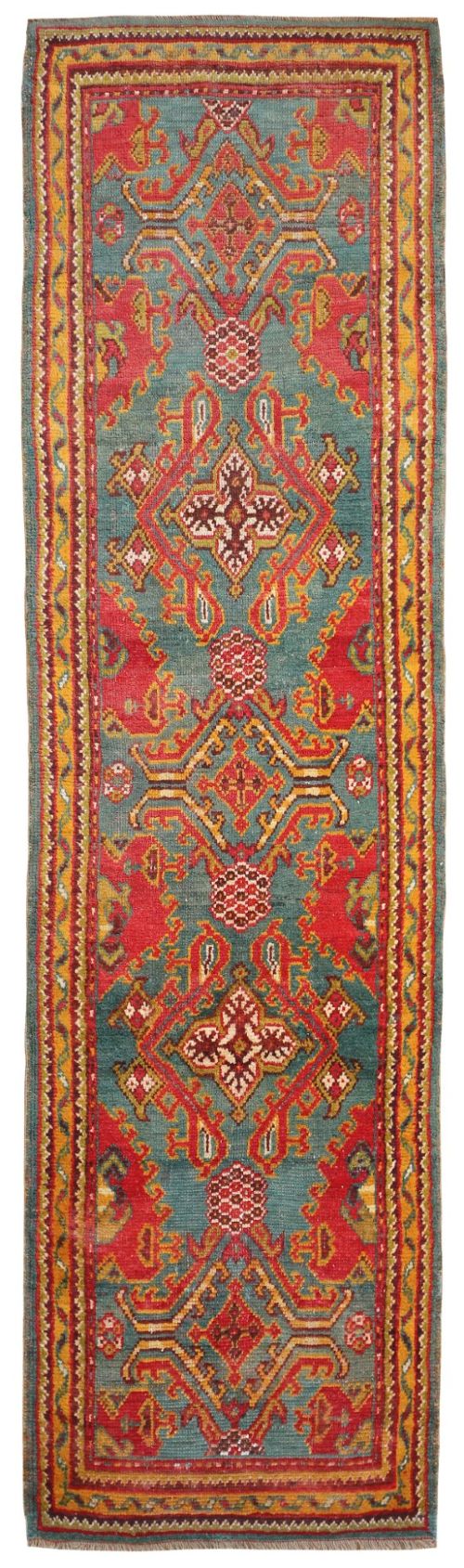
A traditional wool rug runner takes the form of an elongated floor covering designed specifically for corridors, staircases and narrow rooms. When searching for a traditional wool rug runner, you encounter pieces originating from Persian, Caucasian, Turkish, Tibetan and Afghan workshops and nomadic groups.
The selections span production dates from the mid-nineteenth century through the early twentieth century. Common formats include long narrow runners, village carpets and tribal weaving traditions executed in durable wool.
How they were made
Weavers relied principally on natural wool, often combined with cotton foundations or occasional camel hair elements to build resilient structures. Hand-knotted and flatwoven techniques created dense piles and durable flat surfaces intended to withstand heavy foot traffic.
Dye methods utilised natural sources to achieve deep olive greens, rust backgrounds and mellow multi-coloured palettes across tribal and village designs.
Traditional Wool Rug Runner Retail Price Guide 2026
Typical asking prices for traditional wool rug runner among the pieces listed under this phrase on Sellingantiques today, from the lower quarter to the upper quarter. They describe what is for sale here now, not the wider market.
Materials across these listings consist primarily of wool, cotton and occasional camel hair.
What varies in quality
Quality rests in the tightness of the knotting and the handling of the wool, which dictates how sharply the geometric lattices and floral motifs resolve. Tighter foundations and superior staple wool hold their structure and colour intensity far better over decades of daily use.
The nuance of the dye palette and the integrity of the original wool pile separate standard village production from finer tribal weaving.
Kizyl Ayak Tribe·Baluch Tribe·Kashgai Tribe·Shahsavan Tribe·Baharlu Tribal
The Traditional Wool Rug Runner Glossary
- Runner
- A long, narrow carpet format specifically proportioned for hallways and corridors. These pieces guide movement through domestic spaces.
- Pile
- The upright yarn loops or cut ends that form the soft surface of a rug. It provides cushioning and protects the structural foundation underneath.
- Kilim
- A flatwoven textile produced without a raised pile. These lightweight pieces utilise interlocking weft techniques to create crisp geometric patterns.
- Mihrab
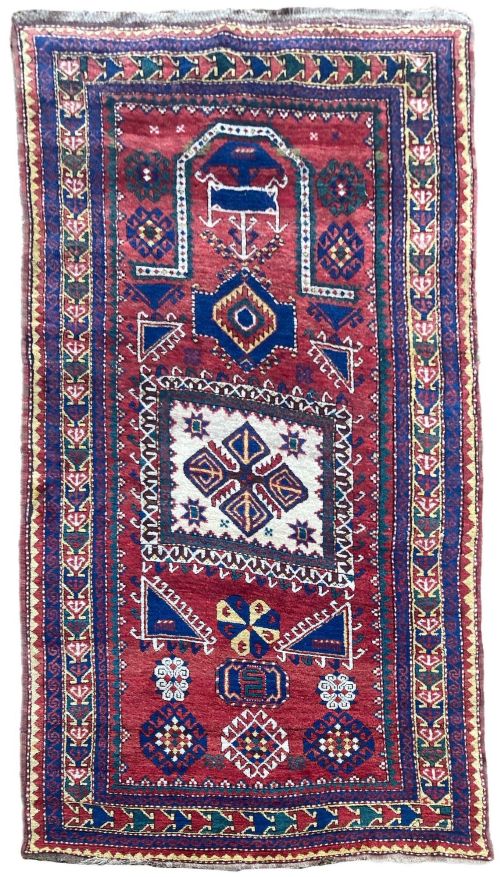
- A niche design motif found on prayer rugs, often indicating the direction of Mecca. It frames the central field of the textile.
- Gul
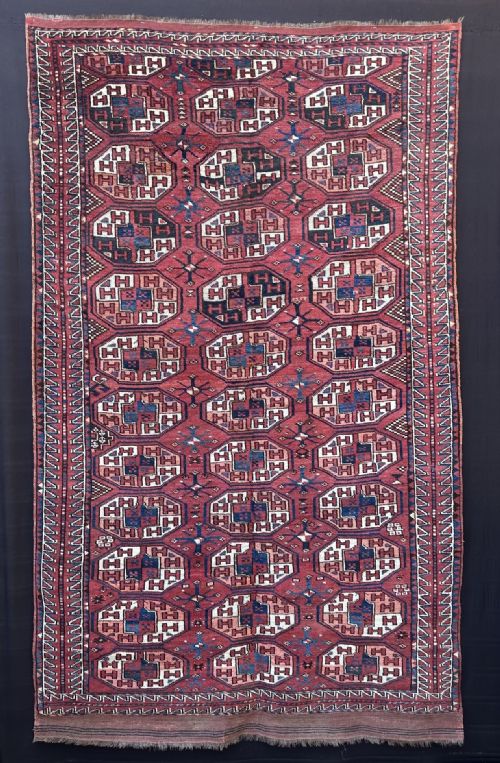
- A repeating medallion or octagonal motif frequently employed in Turkmen and Baluch tribal weaving. Each tribe utilised distinct variations of these primary design stamps.
Traditional Wool Rug Runner: Frequently Asked Questions
Where should I place a runner?
Runners fit naturally in narrow hallways, long corridors and entryways where foot traffic benefits from floor protection. They soften wooden floorboards and add warmth to transit areas.
Measure your space carefully to ensure doors can still swing freely over the pile thickness.
How do I clean a wool runner?
Regular gentle vacuuming without a rotating brush roll keeps dust from settling into the wool fibres. Address spills promptly by blotting with a clean damp cloth rather than scrubbing.
Professional specialist cleaning is recommended for deeper maintenance every few years.
Are these runners durable?
Traditional wool construction combined with tight hand-knotting creates resilient floor coverings designed for daily household use. Wool naturally resists dirt and retains its structural integrity over generations.
Using a quality underlay prevents slipping and cushions the weave against hard flooring.
How do I identify tribal designs?
Tribal runners from regions such as the Caucasus, Anatolia or Central Asia typically feature geometric medallions, repeating guls and angular lattice frameworks. These patterns reflect the cultural heritage and local weaving traditions of specific nomadic groups.
Comparing border motifs and colour combinations helps distinguish between regional styles.