




Traditional Wooden Walking Stick
A traditional wooden walking stick offers practical support and distinct historical character, ranging from country house oak to folk art thorn.
Traditional Wooden Walking Stick
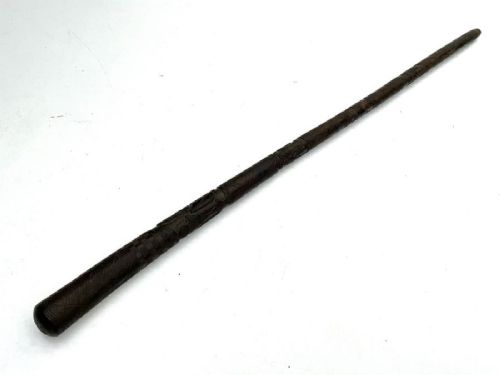
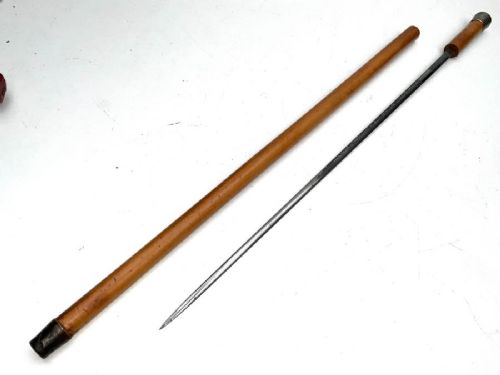
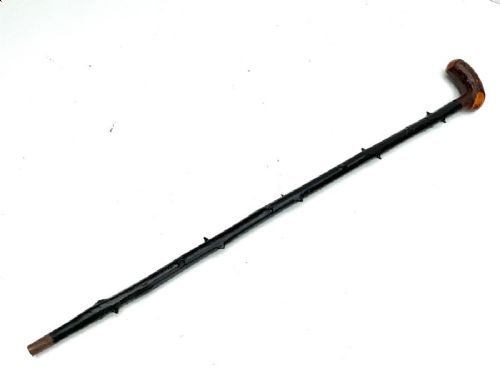
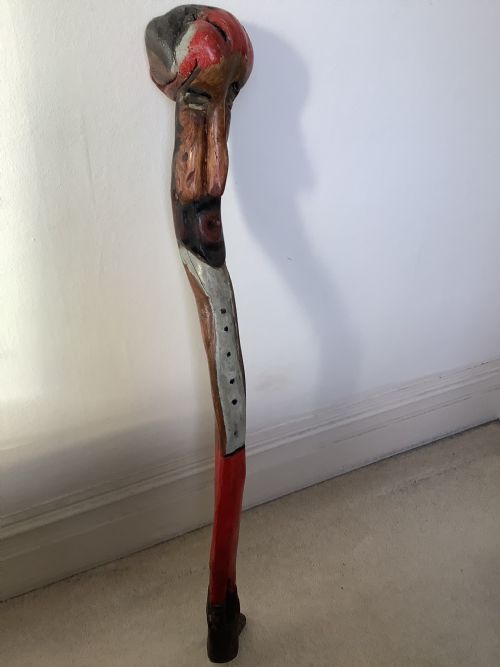
A traditional wooden walking stick encompasses both daily ambulatory aids and specialised implements like Irish blackthorn shillelaghs, oak shafts, and rosewood sword sticks. Buyers encounter pieces spanning the Victorian and Edwardian eras alongside 19th-century examples.
The selection ranges from natural form thorn wood pieces of folk art to polished mahogany and Kashi oak Japanese masters bokken sticks. These items reflect both British country house utility and international traditional craftsmanship.
Many examples double as concealed decorative weapons or incorporate horn and brass elements, showing the varied domestic and outdoor uses of walking sticks across the decades.
Materials and construction methods
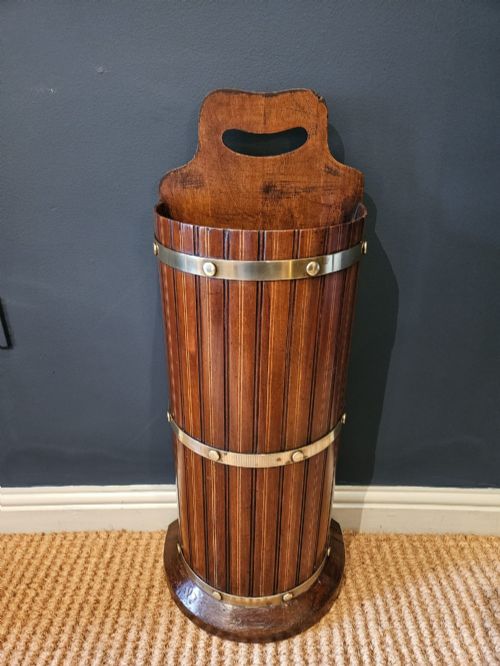
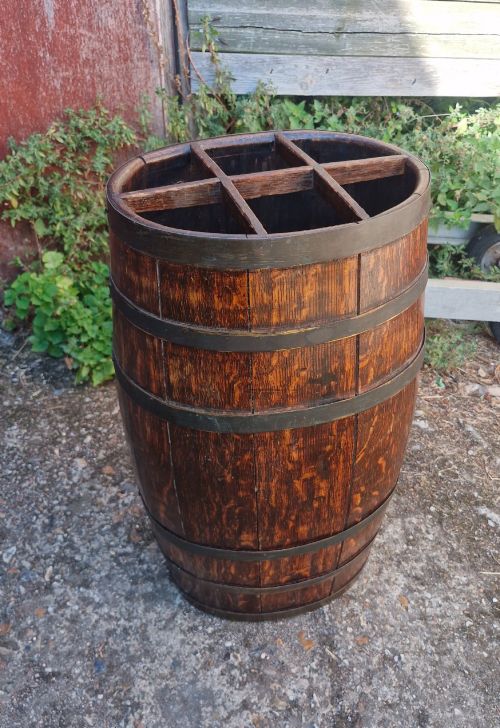
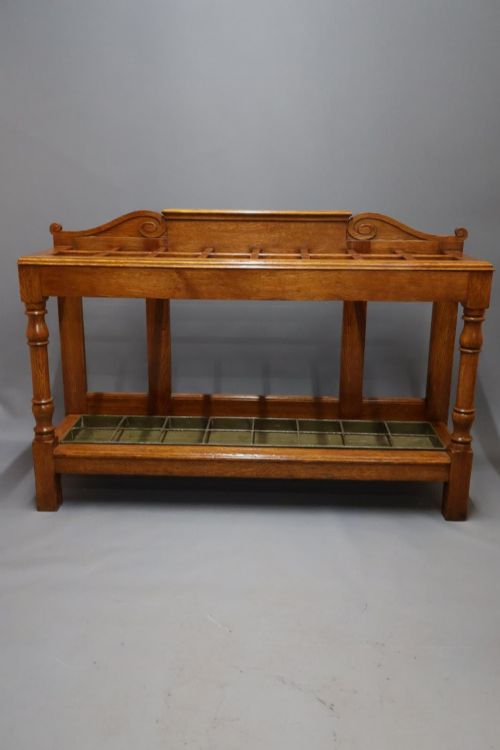
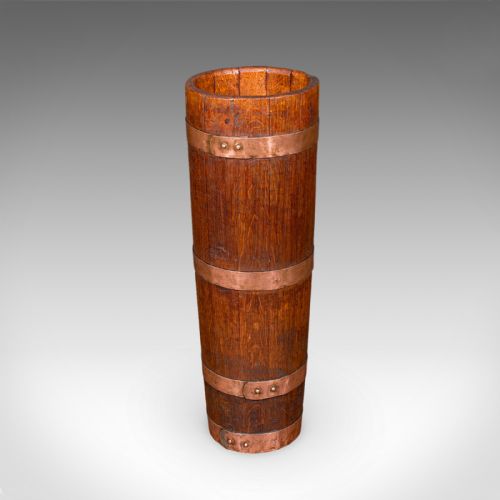
Makers utilised robust woods such as oak, mahogany, rosewood, and natural thorn, frequently pairing timber with horn handles, steel blades, and brass collars. Coopered barrel construction appears in larger umbrella and stick stands associated with these walking pieces.
Craftsmen shaped natural burls and branches into ergonomic grips, while folk art examples feature polychromed finishes on thorn wood. Metal mounts and brass bindings reinforced the structural integrity of both the sticks and their companion hallway stands.
Some walking sticks double as hidden sword blades, proving that a stroll in the park once required a little extra bite.
Markers of quality
Superior quality shows in the natural grain selection of the wood, the tightness of coopered barrel construction in related stands, and the secure fitting of brass or horn mounts. Finer pieces display careful carving, distinct folk art polychrome details, or integrated metal mechanisms in sword sticks.
Simpler utility items contrast with substantial country house pieces that feature substantial brass binding and original drip trays. The integrity of the natural wood form and the retention of original surface finishes determine the standing of each piece.
The Traditional Wooden Walking Stick Glossary
- Blackthorn
- A dense Irish wood traditionally used for walking sticks and shillelaghs, valued for its natural thorns and resilience.
- Coopered
- Built using wooden staves bound with metal hoops, typical of barrel-style umbrella and stick stands.
- Bokken
- A traditional Japanese wooden training sword, represented here by Kashi oak masters pieces.
- Polychromed
- Decorated with multiple colours, seen on folk art thorn wood walking sticks.
- Drip tray
- A metal tray placed at the base of stick stands to catch moisture from wet walking sticks and umbrellas.
Traditional Wooden Walking Stick: Frequently Asked Questions
How do I date a walking stick?
Dating relies on examining the timber species, metal components, and style markers such as Arts and Crafts influences or Victorian brass binding. Hallmarks on mounts or the specific patina of the wood also help place pieces within the nineteenth or early twentieth century.
Folk art examples often feature distinct hand-carved details and polychromed finishes characteristic of specific regional traditions.
Were all walking sticks used for walking?
While many served as everyday walking aids, others functioned as defensive weapons or status symbols. Sword sticks concealed steel blades within the wooden shaft, while heavy blackthorn sticks doubled as traditional Irish defensive implements.
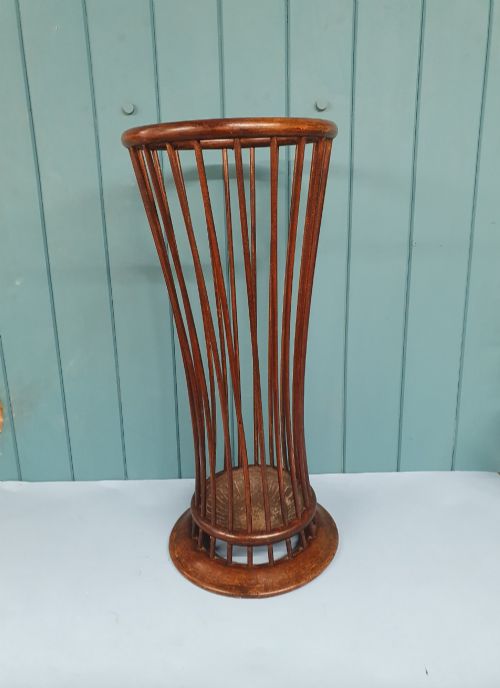
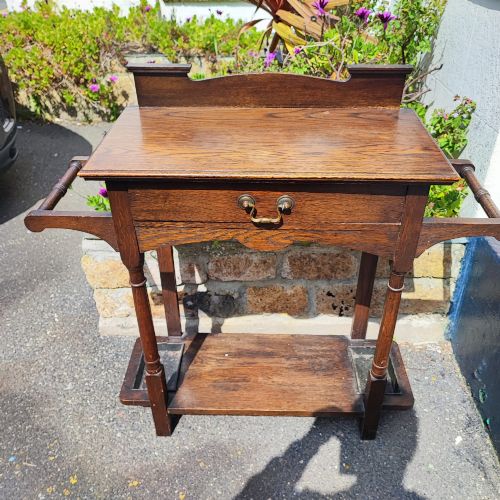
In domestic settings, these sticks were stored in dedicated oak barrel stands and hall racks near the entrance.
How should I care for antique wood?
Antique wood and natural thorn require a stable indoor environment away from direct heat sources to prevent timber splitting. Gentle dusting and occasional application of appropriate wax help preserve the original surface finish.
Metal components and brass mounts benefit from careful cleaning without abrasive polishes to maintain their historic patina.