
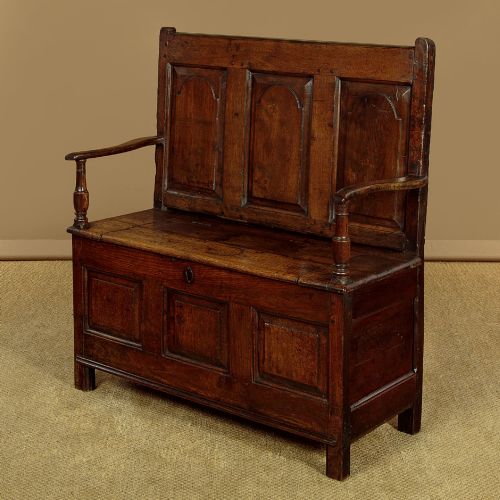
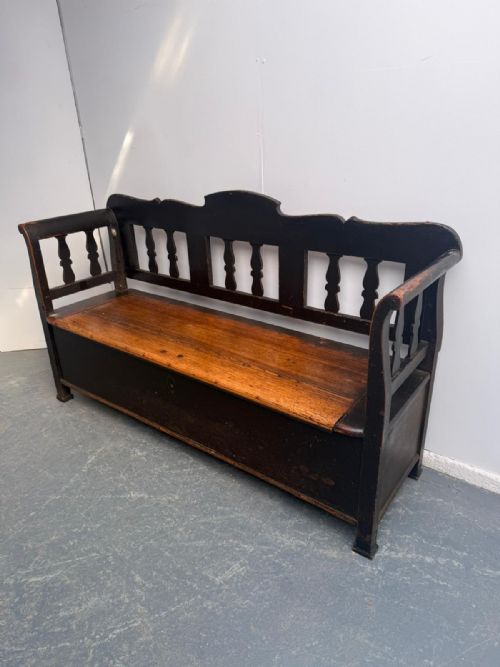

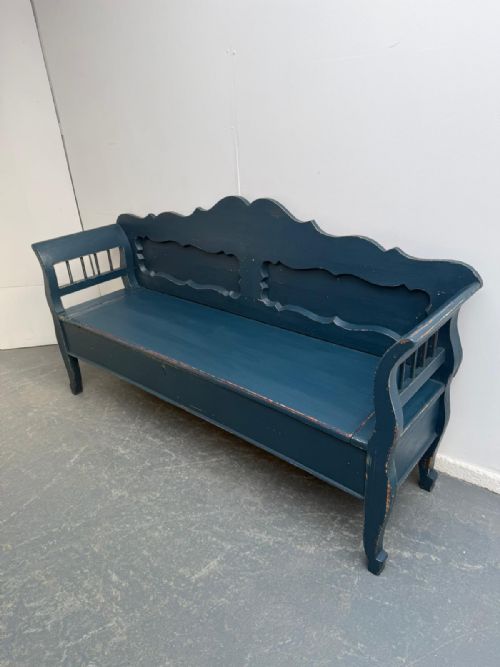
Traditional Wooden Storage Bench
A traditional wooden storage bench provides practical seating while keeping household belongings tidy inside its hidden compartment.
Traditional Wooden Storage Bench
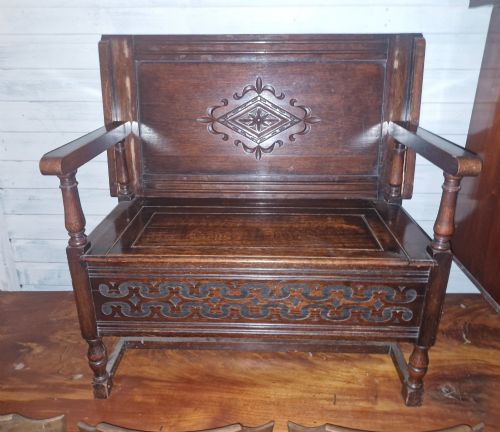
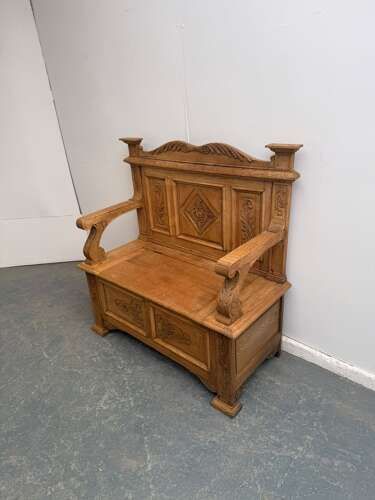
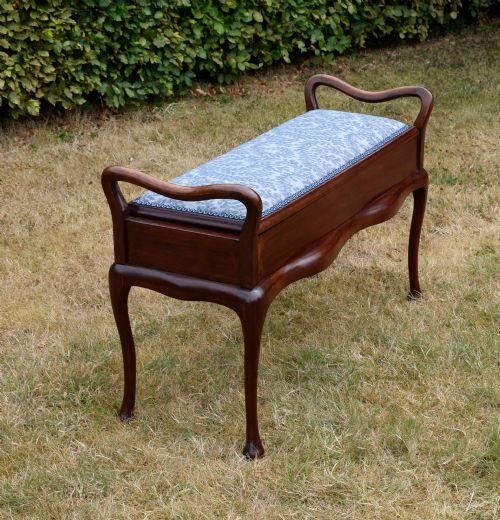
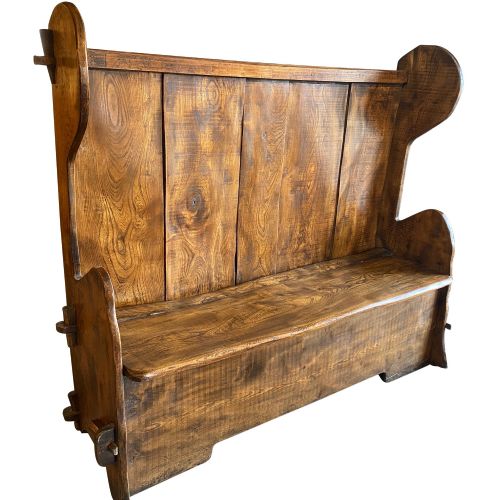
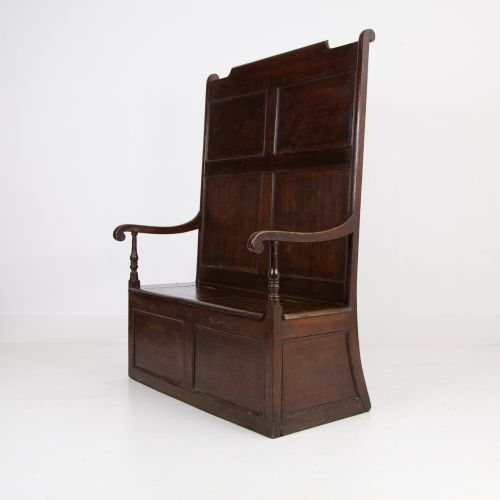
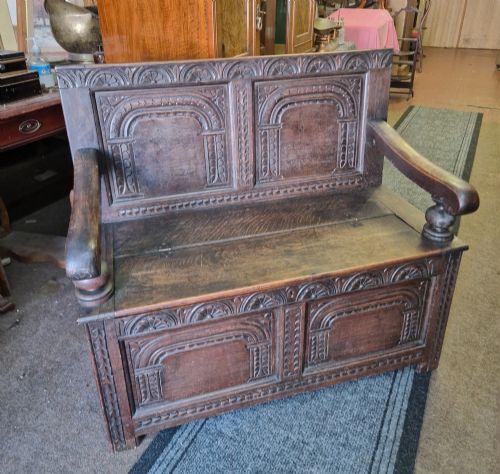
A traditional wooden storage bench combines a place to sit with a concealed compartment beneath the seat, serving multiple purposes in hallways and living spaces. Buyers search for this phrase to find sturdy seating that doubles as a trunk, chest or settle for everyday utility.
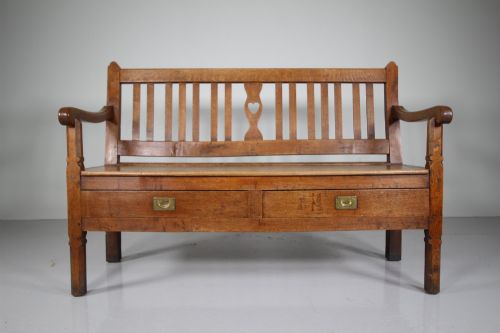
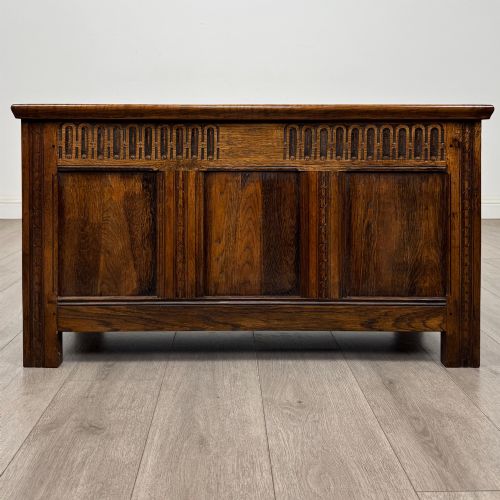
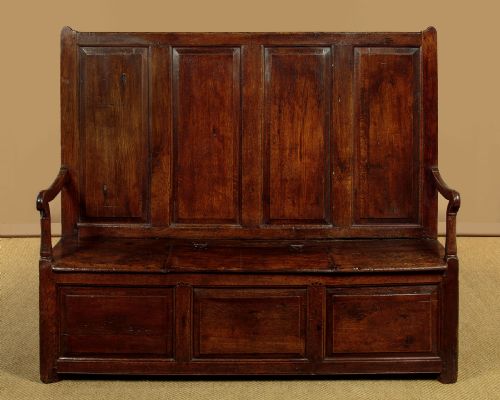
The pieces on this page span several centuries, with particular strength in Georgian and Victorian examples alongside later twentieth-century interpretations. Common forms include high-backed settles, hall seats, blanket chests and box settles designed for domestic use.
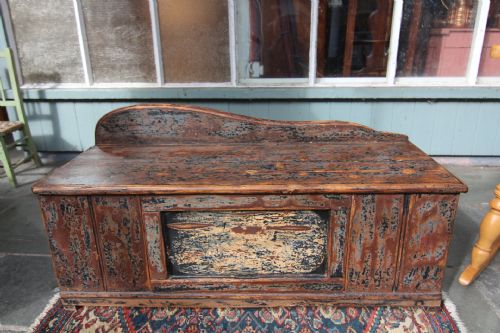
Regional variations appear frequently, including English oak pieces and painted Hungarian pine benches from the nineteenth century. These forms reflect the utilitarian origins of country furniture, where space-saving dual-purpose items formed the core of household organisation.
Materials and construction methods
Makers relied primarily on native timbers such as oak, pine and elm, selecting each wood for its durability and local availability. Oak appears frequently in eighteenth-century and revival pieces, while pine forms the basis of many painted Hungarian and domestic country benches.
Construction techniques centre on solid wood joinery, utilising panelled construction for seats, backs and storage boxes to accommodate seasonal wood movement. Metal hardware such as iron and brass hinges supports lift-up lids, while painted finishes often survive in original layers on pine examples.
Periods represented stretch from the eighteenth century through the Victorian era and into mid-century designs.
Understanding quality differences
Quality rests in the integrity of the timber and the retention of original structural elements such as lids, floorboards and hinges. Pieces retaining their original painted surfaces command attention for their untouched condition compared to later stripped or refinished examples.
Carving detail and proportion distinguish standard utilitarian items from finer regionally made settles and hall seats. The thickness of the seat boards and the tightness of the original joints indicate how rigorously the bench was built to withstand daily use.
The Traditional Wooden Storage Bench Glossary
- Settle
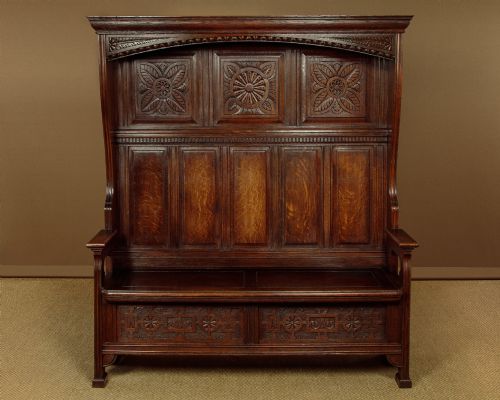
- A wooden bench with a high back, solid arms and a box seat compartment beneath. This form protected sitters from draughts in older homes while offering enclosed storage.
- Box settle
- A specific type of settle where the base forms a large chest with a lift-up lid. It combines heavy seating with deep capacity for blankets or garments.
- Hall seat
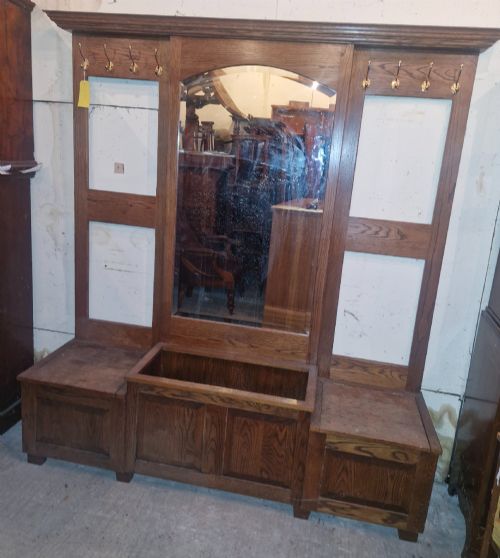
- A compact piece designed for entranceways, often incorporating lift-up lids, umbrella wells or coat storage. These items welcomed visitors while managing hallway clutter.
- Blanket box
- A chest intended for household linens that occasionally serves as a bench when topped with a cushion. They are constructed from solid oak or pine with hinged lids.
- Primitive
- A term describing country-made furniture produced by local joiners rather than urban workshops. These pieces prioritise robust utility over refined stylistic convention.
Traditional Wooden Storage Bench: Frequently Asked Questions
Where should I place a traditional wooden storage bench?
These benches suit entrance halls, boot rooms and living spaces where seating and hidden storage are both useful.
Their narrow profile allows them to sit flat against walls without blocking walkways.
How do I care for the wood and painted finishes?
Apply traditional beeswax to unpainted oak and pine surfaces to maintain the grain and protect against moisture.
Avoid chemical cleaners on painted Hungarian pine to preserve the original pigment layers.
What is the difference between a settle and a hall bench?
Settles typically feature high panelled backs designed to keep out cold draughts in older domestic interiors.
Hall benches generally feature lower backs or open structures intended for transitory seating in entryways.
How can I tell an 18th-century piece from a later revival?
Examine the underside and interior boards for hand-tool marks, pegged joinery and timber shrinkage appropriate to age.
Revival pieces from the Edwardian era often show machine-cut components and lighter modern fixings.