
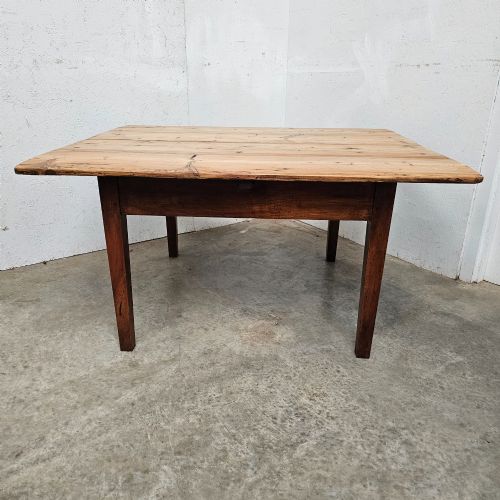
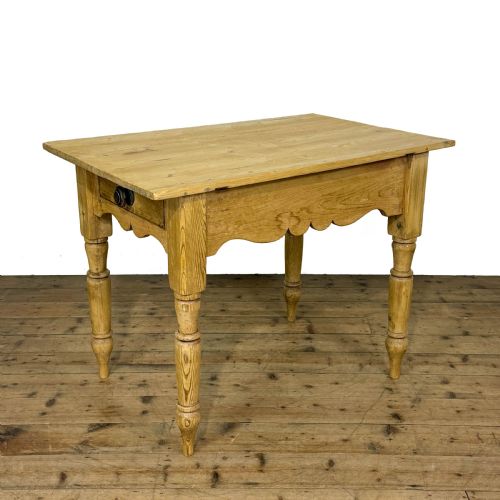
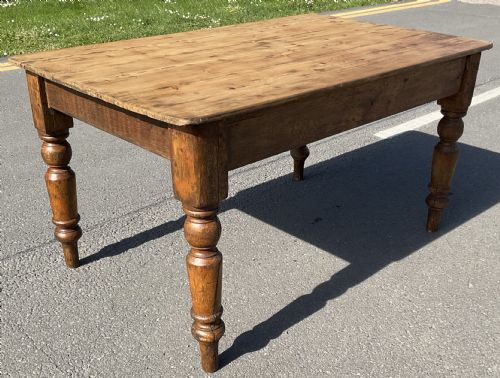

Traditional Wooden Prep Table
A traditional wooden prep table brings honest utility and rugged warmth to a room, offering a sturdy surface built for daily culinary work.
Traditional Wooden Prep Table
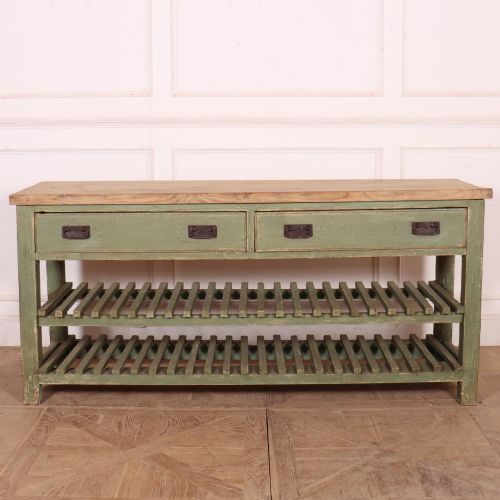
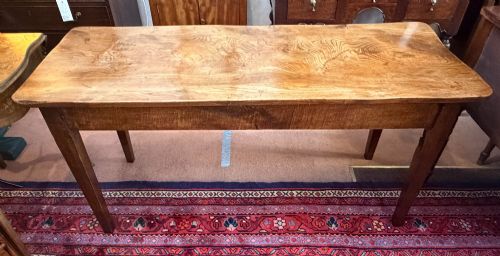
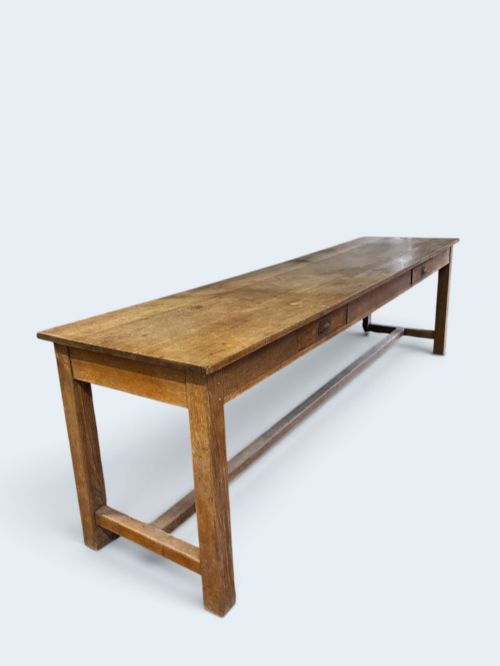
The pieces listed span the nineteenth century into the early twentieth century, encompassing styles such as Victorian farmhouse, rustic country, and French provincial. Pine and oak dominate the selection, appearing alongside elm, beech, fruitwood, and ash.
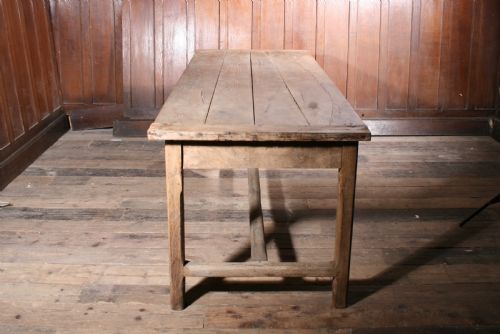
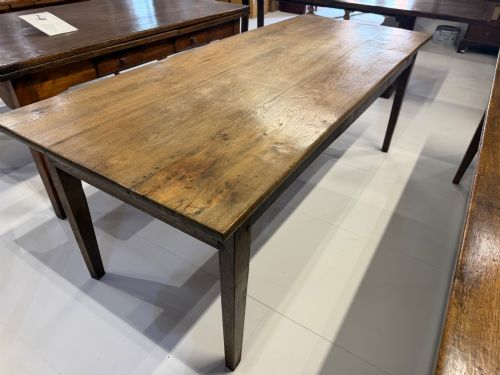
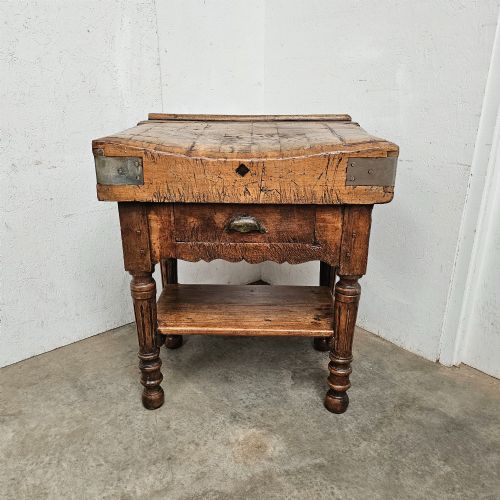
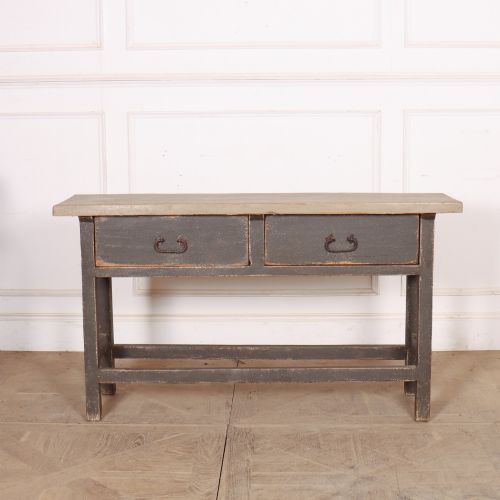
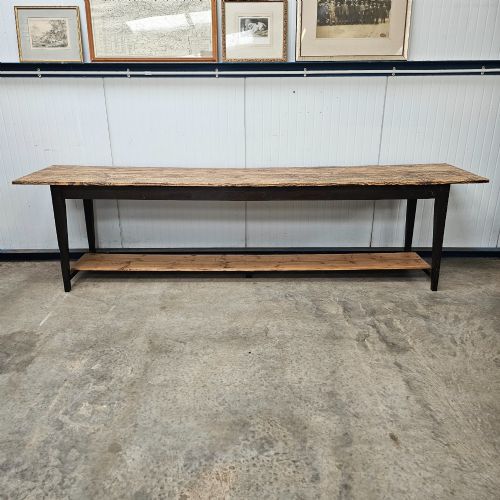
Forms range from simple single-drawer side tables and scrub-top pantry tables to long harvest tables and decorative butchers blocks on stands. These items reflect the functional needs of past kitchens, dairies, and schools rather than formal dining rooms.
Materials and Construction
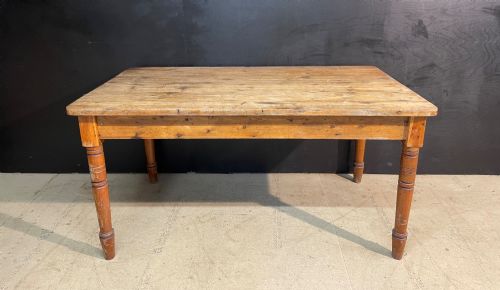
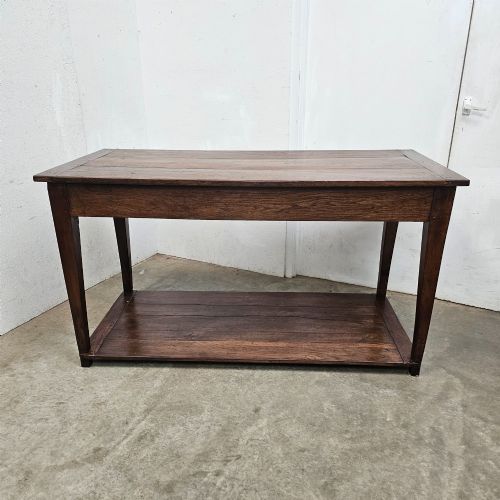
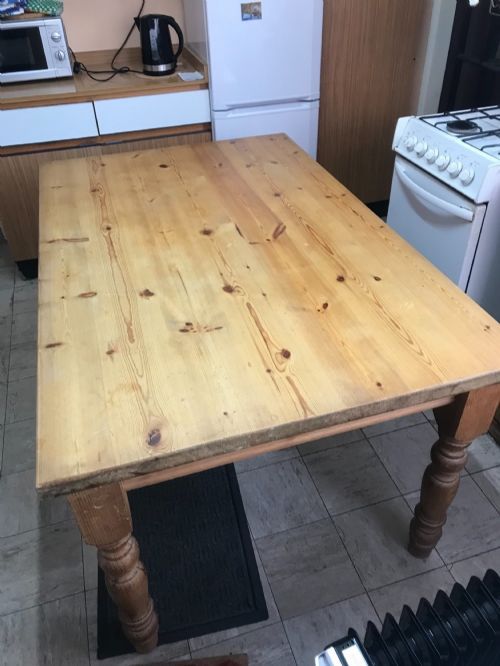
Construction relies heavily on solid timbers like pine, oak, elm, and beech, chosen for their durability and strength under pressure. Tops frequently feature thick scrub boards or heavy planks designed to withstand constant scrubbing and preparation work.
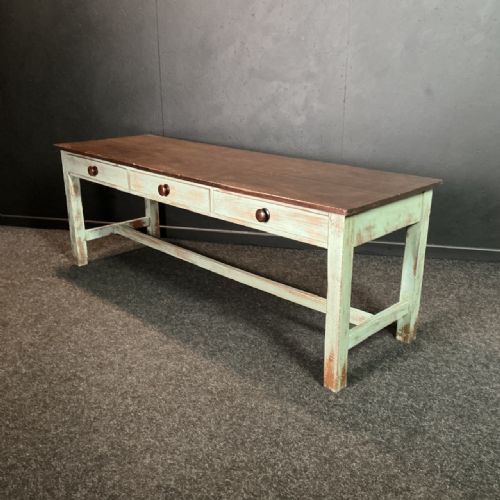
Joinery techniques prioritize structural integrity, utilising tapered legs, cleated ends, trestle bases, and occasionally iron or brass bracing. Many examples incorporate functional drawers with wooden runners for storing implements close to hand.
One school dining table managed to escape the classroom and now stands ready for domestic service.
Assessing Quality and Character
Quality rests in the integrity of the timber and the honesty of the wear accumulated through decades of domestic service. Tables retaining original painted finishes, such as Swedish Falu paint, or possessing substantial scrub tops display superior character.
Proportion and stability distinguish finer examples, where thick planks, well-joined frames, and patinated surfaces speak of genuine age and purposeful workshop production.
The Traditional Wooden Prep Table Glossary
- Scrub top
- A bare wooden table surface designed to be scrubbed clean with water and a brush after food preparation. This treatment often leaves the grain raised and pale.
- Cleated ends
- Wooden battens fixed across the ends of a plank top to prevent warping and movement. They show a traditional method of stabilizing wide boards.
- Butchers block
- A thick, solid wooden block traditionally used for meat preparation. These stand on sturdy wooden bases or stands.
- Harvest table
- A long, narrow dining or work table traditionally used for communal meals during harvest seasons. They frequently accommodate multiple diners along their length.
- Tavern table
- A sturdy wooden table built for commercial or domestic hospitality use. They often feature braced legs or stretcher bases for extra stability.
Traditional Wooden Prep Table: Frequently Asked Questions
How do I date a wooden prep table?
Dating relies on construction methods, timber choice, and visible wear patterns rather than maker marks. Nineteenth-century examples often display hand-cut joinery and heavy plank construction.
Later pieces from the early twentieth century may show machine-sawn elements while retaining traditional forms.
Can I use an antique prep table daily?
These tables were built specifically for heavy physical work, making them exceptionally durable for modern daily use. Solid timber construction handles kitchen tasks and dining well.
Care should be taken with moisture and heat to preserve the historic patinated surfaces.
What woods are typical for these tables?
Pine and oak appear most frequently, valued for their structural strength and availability in past centuries. Elm, beech, fruitwood, and ash are also common.
Different timbers provide distinct weights, grain patterns, and colour variations across the surfaces.