



Traditional Wooden Game Table
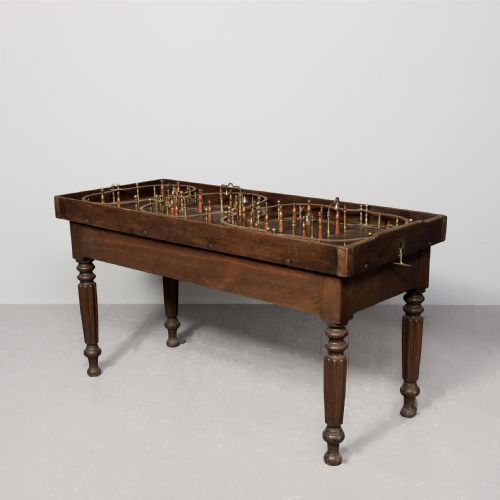
These traditional wooden game table pieces bring classic Victorian and Edwardian parlour entertainment directly into a modern home.
Traditional Wooden Game Table
When you search for a traditional wooden game table, you encounter a variety of nineteenth-century and Edwardian pieces designed for parlour amusement. These range from hand-painted card tables to folding compendiums and specialised boards.
The selections on this page predominantly feature mahogany and oak construction, often incorporating brass hardware and intricate inlay work. Pieces span from George IV examples through to Edwardian revivals.
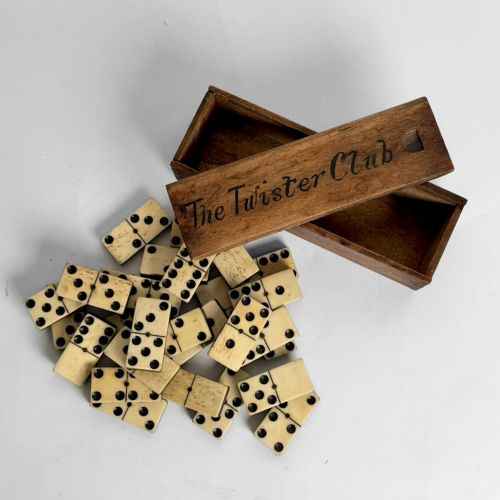
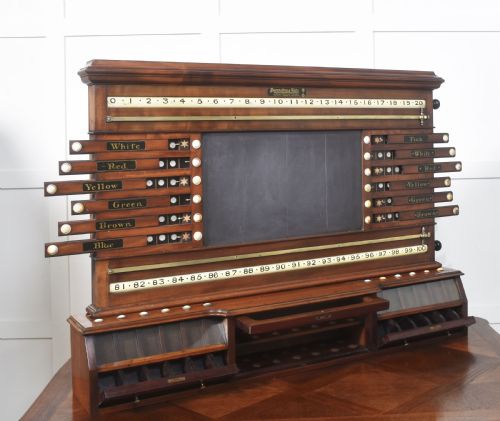
Beyond standard tables, the category extends to associated parlour entertainments including chess boards, scoreboards, and boxed sets of dominoes. Each object reflects the social pastimes of its respective period.
How they were made
Cabinet makers utilised dense timbers such as mahogany, oak, and rosewood to construct sturdy frames capable of supporting frequent play. Surfaces frequently incorporated contrasting woods, bone, and ebony for inlay details.
Specialised items like chess boards and card tables relied on traditional joinery methods, sometimes integrating hinged mechanisms for folding tops. Hand-painted decoration and polished wood finishes completed the decorative scheme.
The listings on this site encompass mahogany, oak, and rosewood pieces spanning the nineteenth century and the Edwardian era.
What varies in quality
The distinction between standard and superior pieces rests upon the precision of the timber selection and the complexity of the craftsmanship. Hand-painted details and fine inlay work elevate the visual presence of Edwardian and Victorian items.
Structural integrity of the wooden frames and the preservation of original working hardware determine the enduring utility of each piece. Tables featuring integrated storage compartments or multi-functional designs generally demonstrate greater manufacturing ambition.
British Chess Company
The Traditional Wooden Game Table Glossary
- Compendium
- A boxed collection of multiple games housed together. These portable sets often contained chess pieces, dominoes, and board surfaces.
- Inlay
- A technique where pieces of contrasting materials such as bone, ebony, or lighter woods are inserted into the primary timber surface to form a pattern.
- George IV
- A design period spanning the early nineteenth century characterised by robust classical proportions and fine cabinet woods.
- Edwardian
- A stylistic era lasting from the death of Queen Victoria until the First World War, noted for lighter proportions and revivals of earlier aesthetics.
- Card table
- A specialised piece of furniture featuring a hinged top that unfolds to reveal a baize-lined surface for playing card games.
Traditional Wooden Game Table: Frequently Asked Questions
What games did people play on these tables?
These tables and associated sets accommodated traditional pastimes such as chess, cards, squails, and skittles.
Families gathered in parlours during the nineteenth and twentieth centuries to enjoy these social board and table games.
How do I date a wooden game table?
Dating relies on identifying the prevailing stylistic influences, such as George IV proportions or Edwardian revival details.
The choice of timber, construction methods, and associated components also provide clear chronological indicators.
Are these tables suitable for daily use?
Many of these pieces remain robust enough for regular use, provided they receive appropriate care and maintenance.
Placing them away from direct heat sources helps preserve the polished wood surfaces and delicate joints.
What is a games compendium?
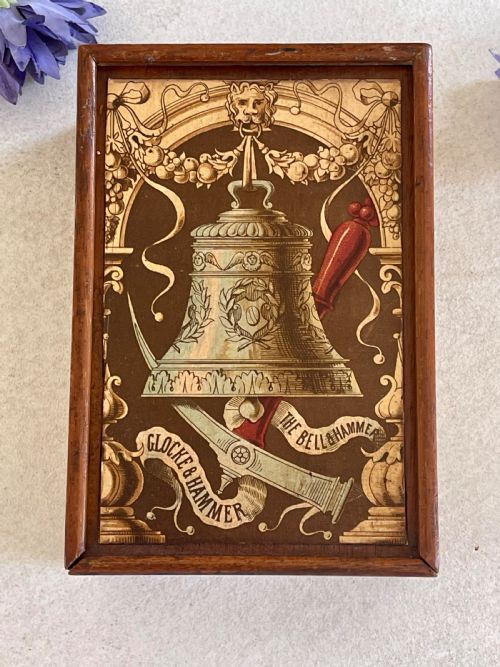
A games compendium is a self-contained box housing multiple distinct board games and playing pieces.
These portable sets offered versatile entertainment options within a single fitted wooden container.