
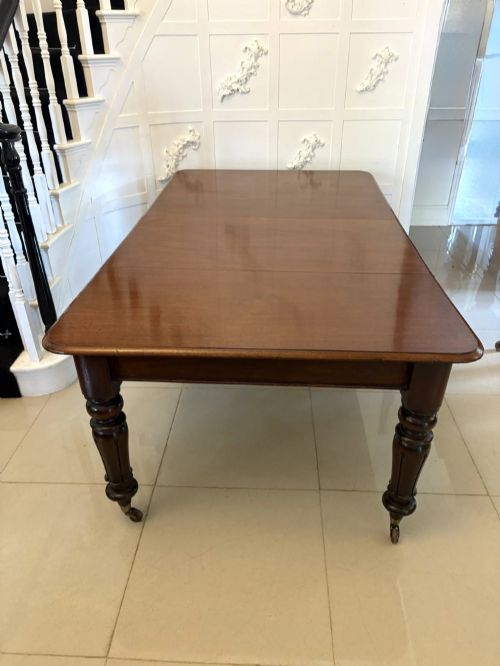
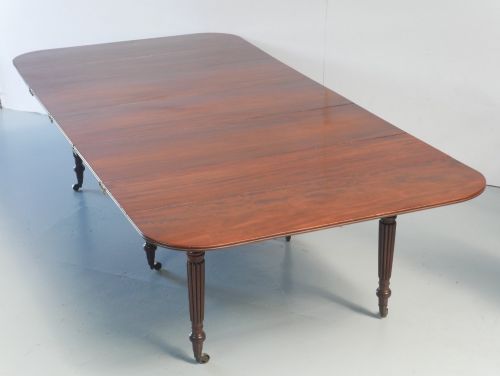
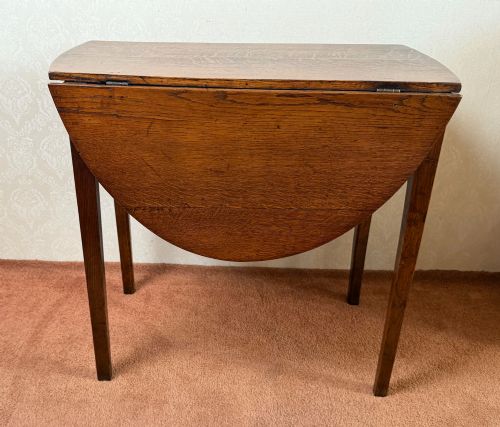
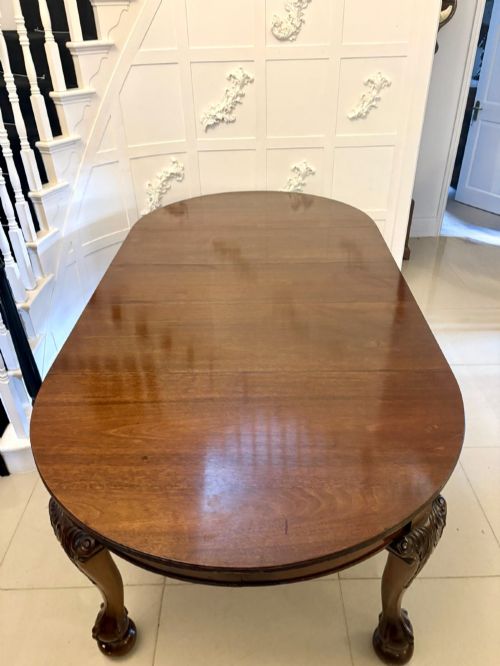
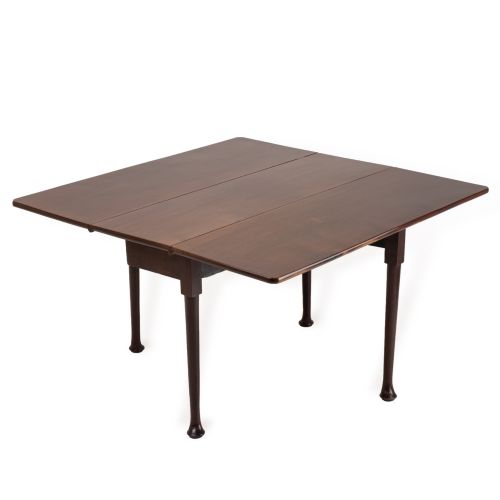
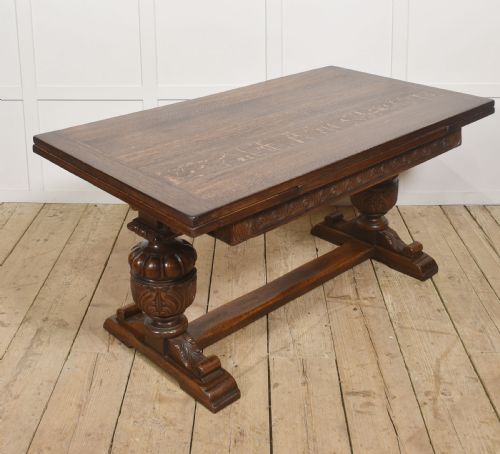


Traditional Wooden Extension Table
A traditional wooden extension table provides flexible dining space for large gatherings using time-honoured mechanisms.
Traditional Wooden Extension Table
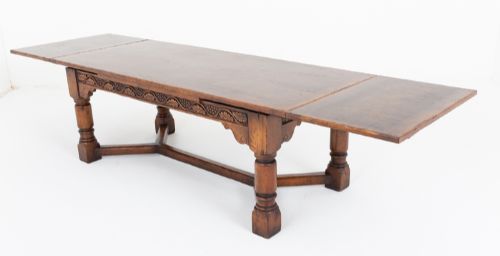
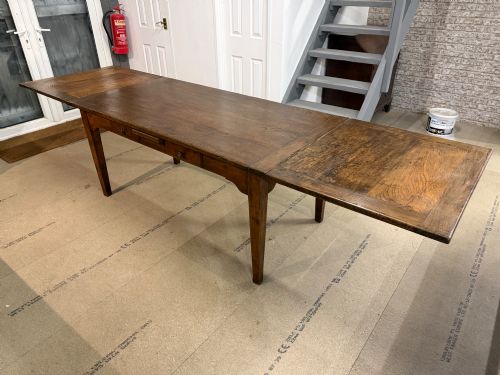
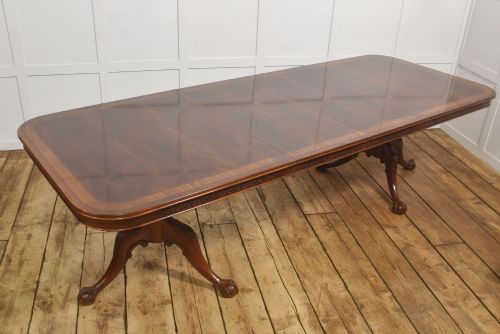
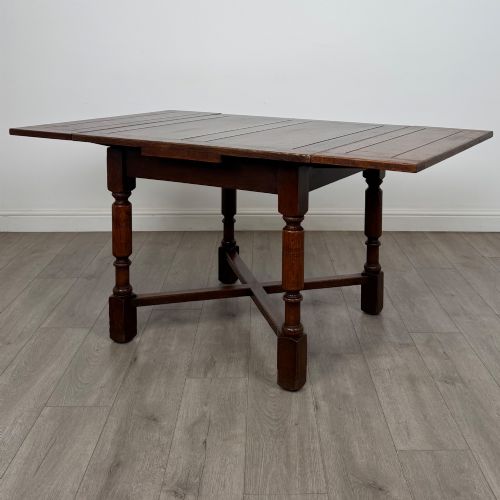
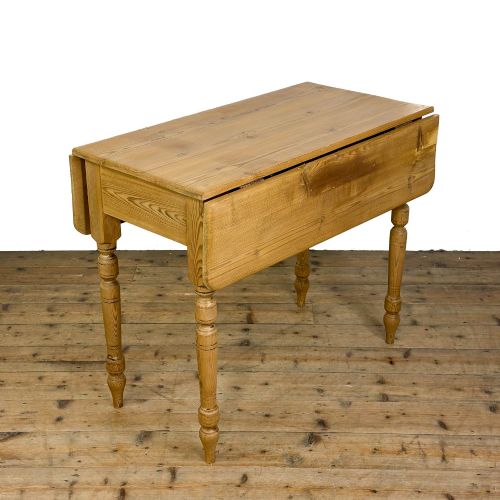
A traditional wooden extension table is a practical dining piece designed to expand when hosting guests and contract for everyday family use. When searching this phrase, buyers encounter various formats including draw leaf tables, multi-leaf models with winding mechanisms, and drop-leaf gateleg designs.
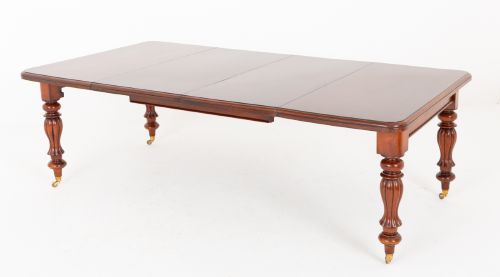
The pieces on this page span from the nineteenth century through the Edwardian era, featuring robust constructions in mahogany and oak. Many examples date from the Victorian and Edwardian periods, offering classic proportions suited to modern dining rooms.
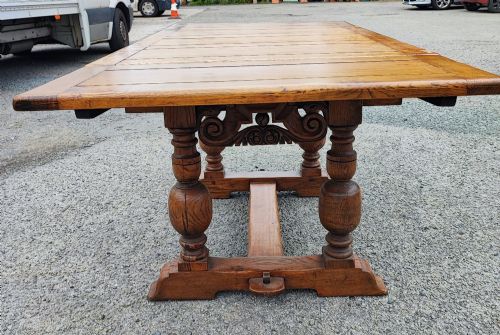
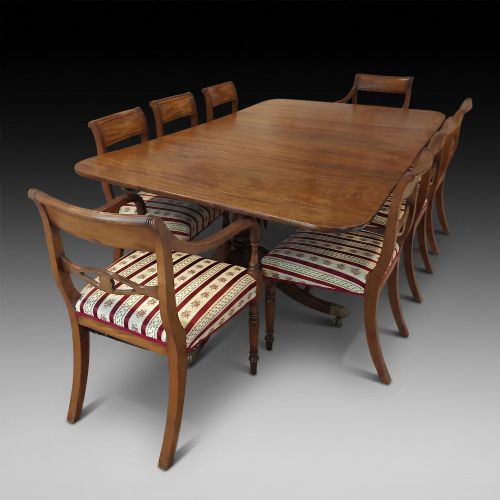
Styles range from restrained Regency and Georgian revival designs to rustic farmhouse pieces and carved Jacobean revival oak refectory tables. Buyers most frequently find mahogany and oak variants equipped with pull-out extensions or removable leaves.
Materials and Construction
Cabinet makers utilised dense hardwoods like mahogany, oak, and walnut to ensure the structural integrity required for large extending surfaces. Pollard oak and satinwood occasionally appear as accent timbers or primary surfaces on finer pieces.
Extending systems rely on sturdy internal runners, draw leaves, or gateleg supports, often integrated with brass fittings and iron hardware to facilitate smooth operation. Upholstery fabric and drop-leaf mechanisms feature in related dining suites and smaller kitchen tables.
The listings span from the seventeenth-century walnut gateleg forms through Regency mahogany models up to Edwardian oak draw leaf tables.
Evaluating Quality
Quality in a traditional wooden extension table is determined by the selection of timber, the precision of the joinery, and the smoothness of the extending mechanism. Superior examples display carefully matched grain patterns across the main top and all additional leaves.
The construction of the underframe and the stability of the legs when fully extended separate fine cabinet work from simpler utilitarian pieces. Original brass fittings and well-fitted leaves indicate higher craftsmanship during the manufacturing period.
The Traditional Wooden Extension Table Glossary
- Draw leaf table
- A table equipped with self-storing leaves positioned beneath the main top that pull out from each end to extend the surface.
- Gateleg table
- A drop-leaf table with hinged legs that swing outward to support the folded leaves when raised for dining.
- Refectory table
- A long, narrow dining table traditionally used in communal halls, often adapted in later periods with pull-out extensions.
- Twin pedestal
- A table design where the top rests upon two distinct column supports, frequently fitted with brass castors for mobility.
- Leaf
- A removable wooden board inserted into the centre of an extending table to increase its overall length.
Traditional Wooden Extension Table: Frequently Asked Questions
How do draw leaf tables work?
Draw leaf tables feature two auxiliary leaves stored directly beneath the main tabletop. To extend the surface, the user pulls the leaves outward from each end, allowing them to drop into place level with the centre top.
This clever mechanism keeps the leaves neatly concealed when not in use, avoiding the need to store separate boards elsewhere in the home.
How do I care for a mahogany dining table?
Protect a mahogany extending table by using heat-resistant mats and coasters to prevent water rings and heat damage to the polished finish. Regular dusting with a soft, dry cloth preserves the natural lustre of the timber.
Avoid placing the table in direct sunlight or near heat sources to prevent the wood from drying out and the extending joints from warping over time.
What is the difference between Regency and Victorian tables?
Regency tables often feature clean classical lines, rosewood or mahogany veneers, and pillar or pedestal bases influenced by ancient Roman and Greek designs. Victorian examples tend to be heavier in construction, frequently employing winding mechanisms and elaborate carved details.
Victorian pieces also showcase a wider adoption of oak and walnut alongside traditional mahogany, reflecting changing domestic tastes in the later nineteenth century.