
Wooden Leaf Extending Table
A wooden leaf extending table provides flexible dining space through clever mechanism designs seen across Georgian, Victorian and Edwardian examples.
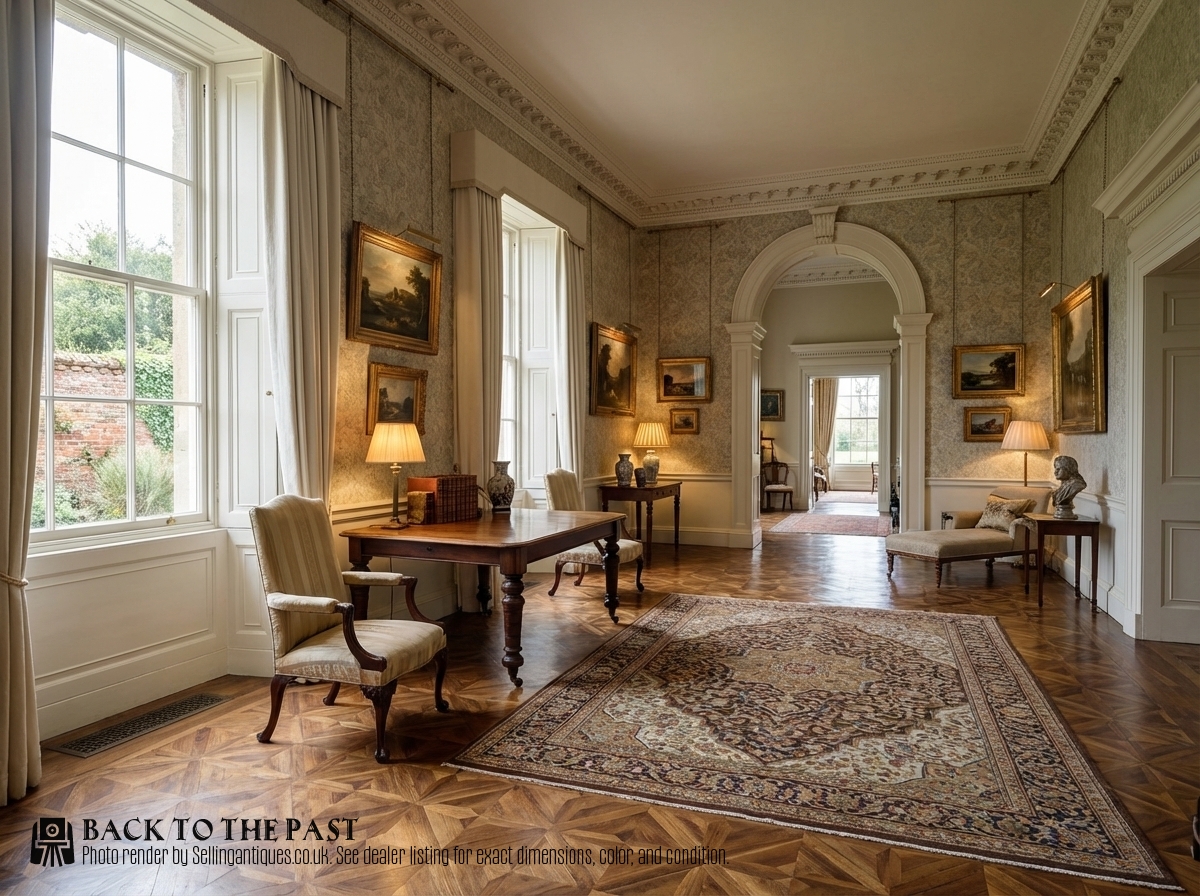
Wooden Leaf Extending Table
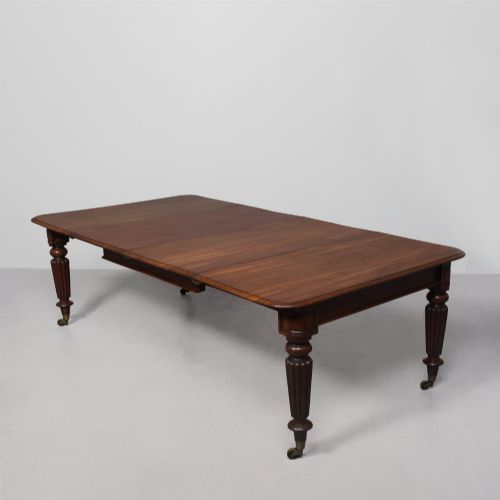
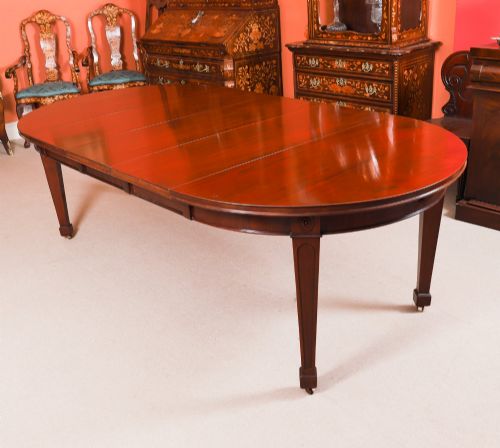
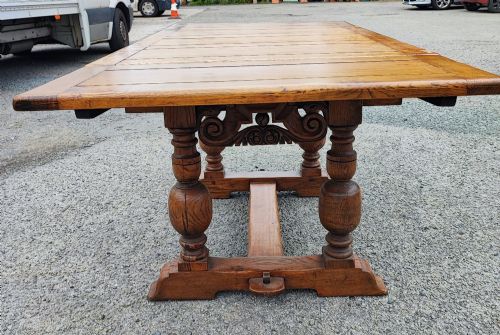
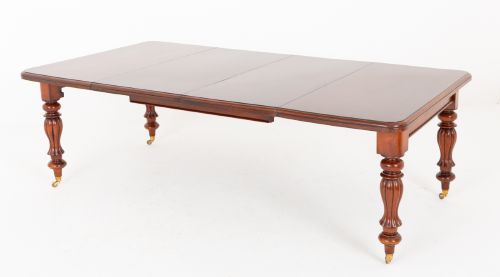
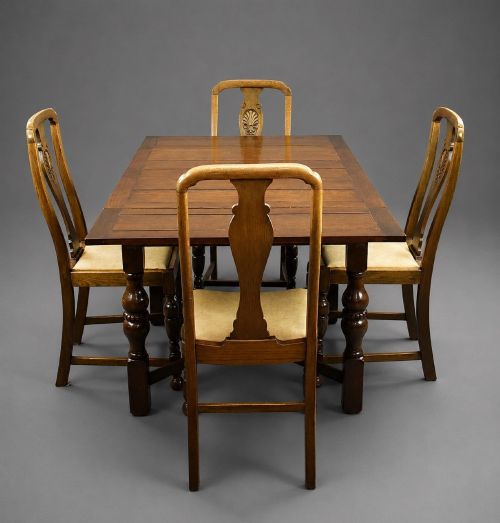
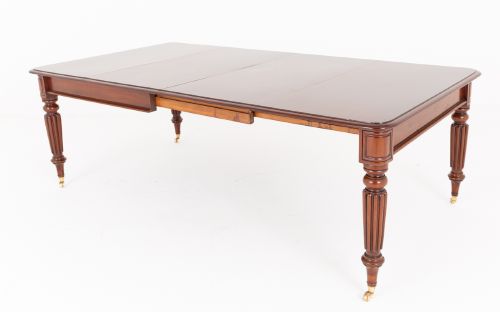
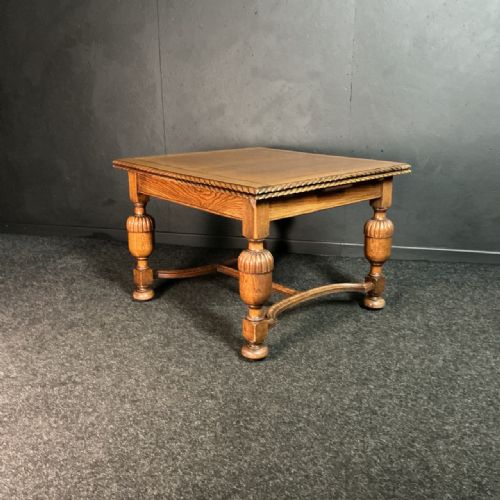
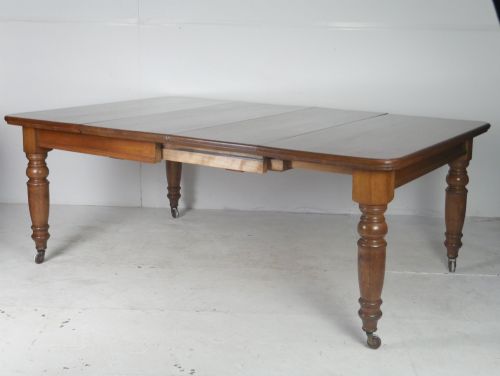
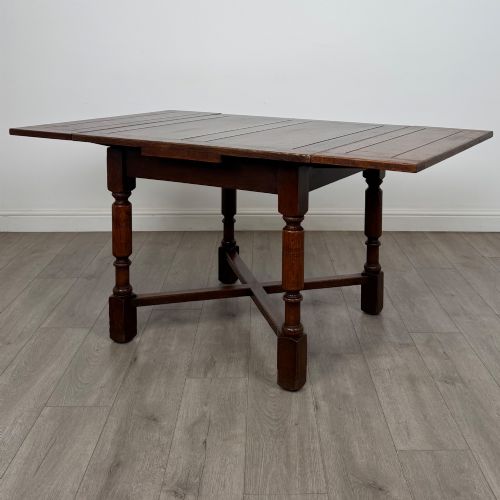
A wooden leaf extending table spans several centuries of domestic design, ranging from early oak draw leaf formats to large Victorian mahogany dining tables with additional leaves.
Buyers seeking a wooden leaf extending table regularly encounter Victorian mahogany models alongside Edwardian and earlier oak refectory or gateleg pieces.
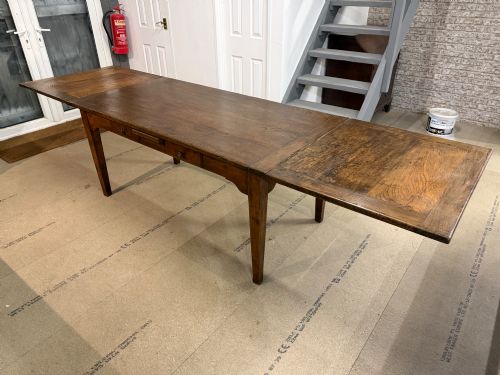
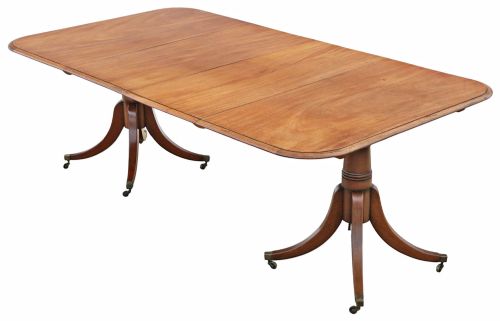
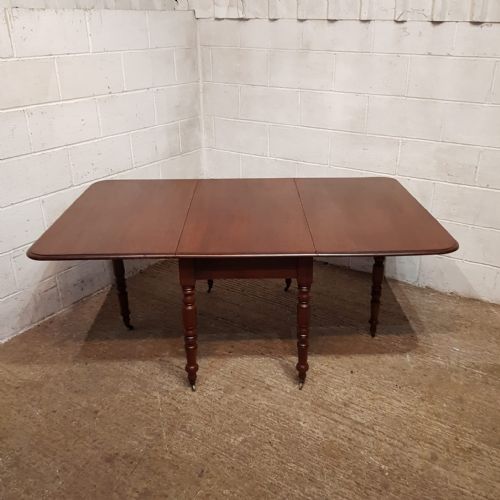
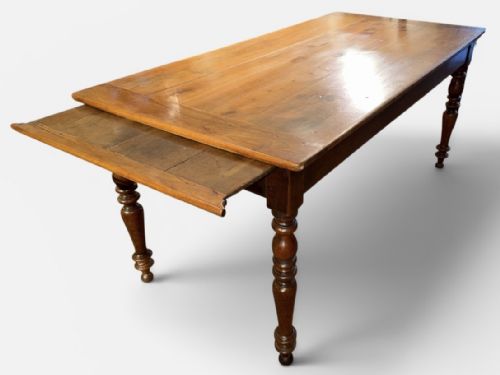
The selection includes French provincial fruitwood farmhouse tables and Regency drop leaf designs, offering varied seating capacities for dining rooms.
Materials and construction
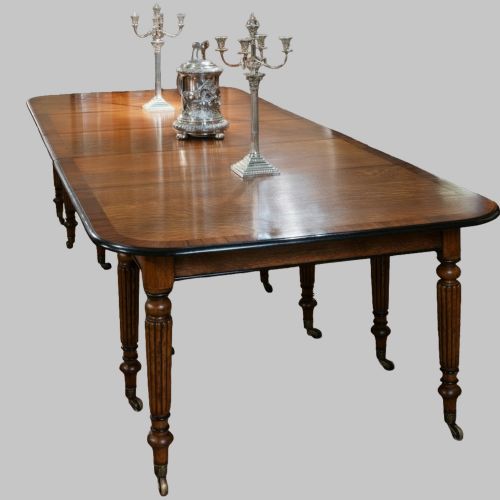
Cabinet makers utilised dense hardwoods including mahogany, walnut and solid oak, often pairing figured mahogany tops with robust turned or reeded legs.
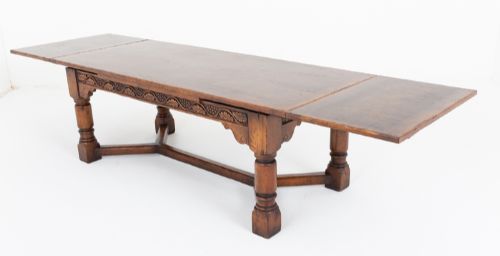
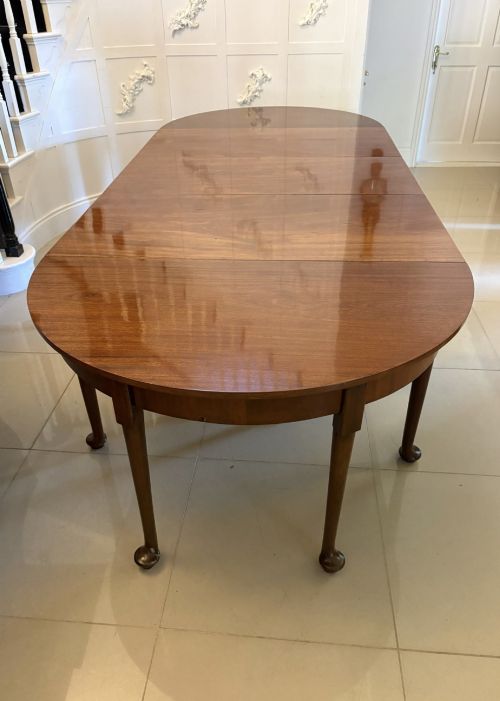
Extension systems relied on draw leaf pull-out mechanisms, drop leaf folding actions, or removable centre leaves supported by telescopic wooden runners.
Some Victorian tables incorporate so many leaves they require extra swing-out legs just to stop the middle sagging under the roast.
Assessing the execution
Quality rests in the precision of the extension mechanism and the stability of the frame when fully opened to accommodate multiple leaves.
Superior examples display carefully matched timber grains, such as flame mahogany or walnut parquetry, alongside finely carved details like claw and ball feet.
Gillows Lancaster
The Wooden Leaf Extending Table Glossary
- Draw leaf
- A table design where two extension leaves are stored beneath the main top and pulled out from the ends when needed.
- Drop leaf
- A table featuring a fixed central section with hinged flaps on either side that drop down or rise to meet supported brackets.
- Gateleg
- A table with hinged legs that swing outward like a gate to support folding drop leaves.
- Refectory
- A long narrow dining table style traditionally used in communal dining halls and adapted into domestic oak extending formats.
- Reeded
- A decorative moulding comprising parallel convex convex curves carved into table legs or framework.
Wooden Leaf Extending Table: Frequently Asked Questions
How do draw leaf tables extend?
Draw leaf tables operate by sliding hidden extension panels out from beneath the primary table top.
The main surface sections separate or lift slightly as the end leaves glide smoothly into place to lengthen the surface.
What periods do these tables come from?
These tables span from the 17th century through the Georgian, Regency, Victorian and Edwardian eras up to the 1930s.
Victorian and Edwardian mahogany and oak versions appear frequently alongside earlier Georgian and provincial styles.
How many people can sit at them?
Seating capacity varies considerably depending on the number of leaves added to the central frame.
Some smaller drop leaf versions seat two to four people, while larger Victorian and Regency models accommodate ten to fourteen diners.
Which woods were commonly used?
Mahogany, oak and walnut remain the primary hardwoods found across these dining tables.
Makers also utilised fruitwood and pine, particularly in French provincial and farmhouse kitchen examples.