
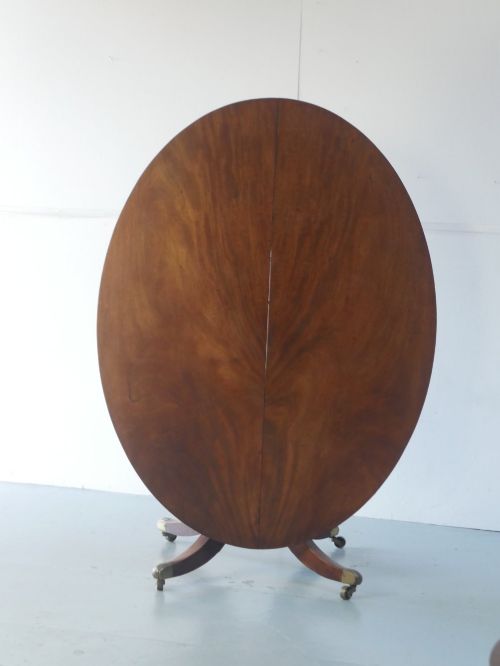
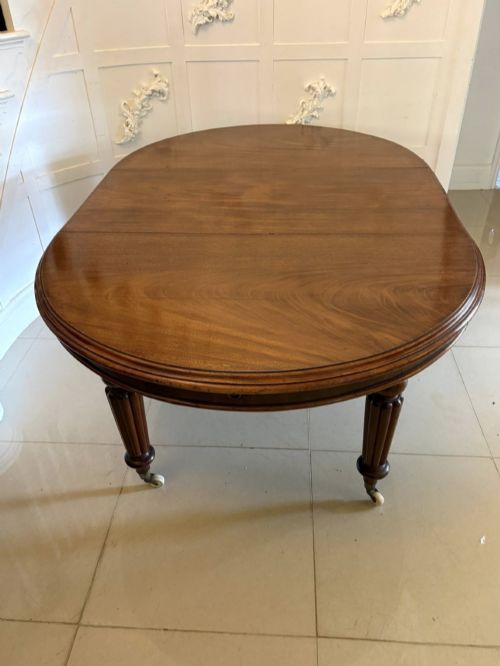
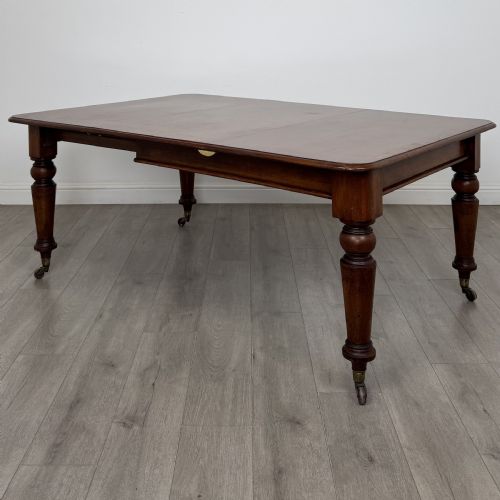
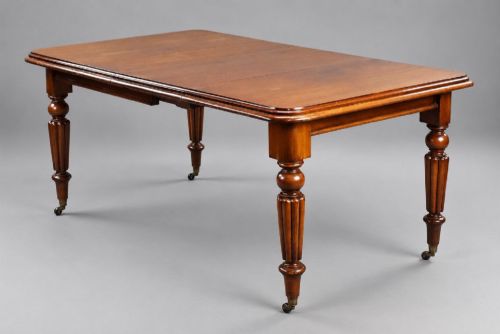


Victorian Dining Table Castors
These Victorian dining table castors and the heavy tables they support represent the solid engineering of nineteenth-century domestic life.
Victorian Dining Table Castors
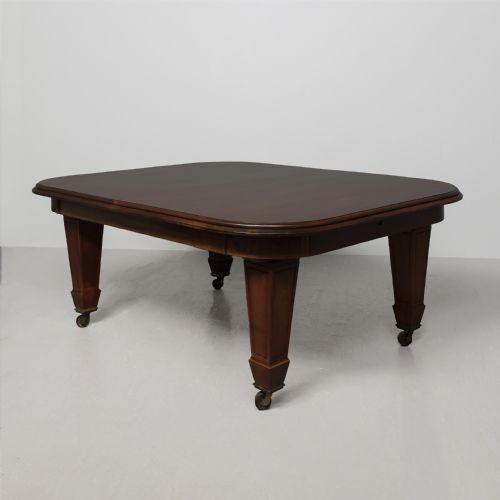
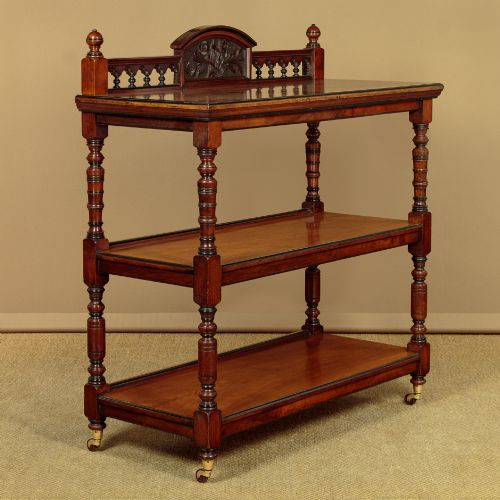
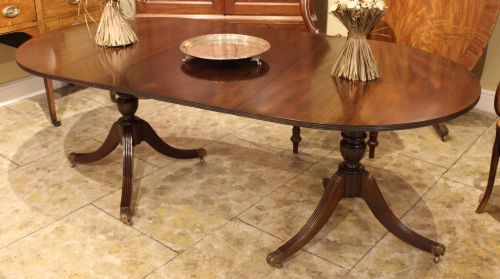
When you look for victorian dining table castors, you find the small brass wheels and mountings fitted to the feet of heavy timber dining tables, wind-out extending tables, and Pembroke tables. These fittings allowed large pieces of furniture to move across thick carpets without damaging floorboards during grand dinner parties.
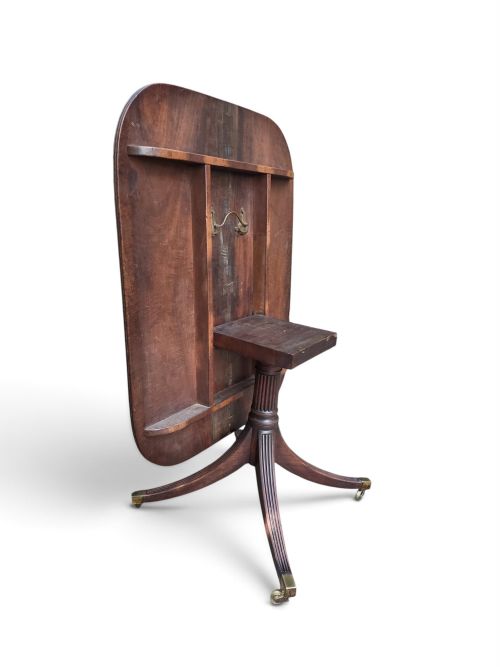
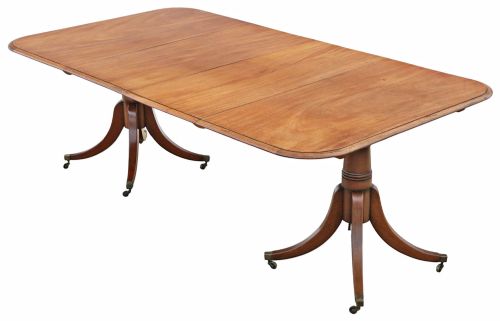
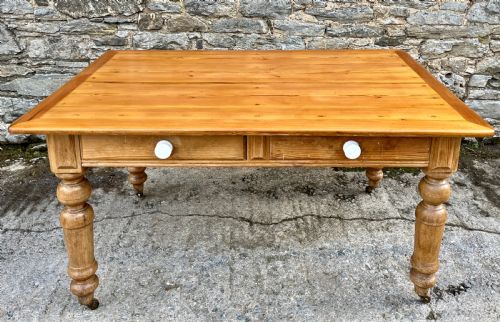
The pieces on this page are mostly found attached to nineteenth-century mahogany, walnut, and oak dining tables spanning the Victorian and Regency periods. You will encounter them on everything from wind-out extending tables with multiple leaves to tilt-top breakfast tables and smaller kitchen or centre tables.
The forms range from simple brass cup castors on straight or turned legs to sophisticated mechanisms bearing maker marks like D, M&S or the workshop stamp of Gillows of Lancaster. They remain integral to the movement of heavy timber furniture designed to seat large households.
How they were made
Castors from this period relied on durable brass castings fixed securely to timber legs shaped from mahogany, walnut, oak, and pine. The metal components were formed through traditional foundry methods, creating sturdy sockets and forks that held small rotating wheels.
Makers turned the timber legs on lathes to match the specific weight and style of each table, whether incorporating splayed legs, cabriole curves, or heavy bulbous carvings. The brass castor was then screwed or pegged directly into the base of the leg to distribute the immense weight of extending dining furniture evenly.
Victorian dinner guests relied entirely on these tiny brass wheels to keep their soup steady while the table expanded.
What varies in quality
Quality in these items is determined by the substantial weight of the cast brass and the smoothness of the turning on both the metal wheel and the timber leg above it. Superior examples feature heavier brass components and maker stamps that indicate high-grade workshop production.
The relationship between the castor and the timber leg reveals the standard of manufacture. Better tables integrate the hardware seamlessly into well-seasoned mahogany or walnut, ensuring the fitting remains firm under the repeated strain of winding out heavy table leaves.
Howard & Son's·Gillows of Lancaster
The Victorian Dining Table Castors Glossary
- Castor
- A small wheel fitted to the base of a piece of furniture to allow easy movement. They are commonly cast from brass on nineteenth-century tables.
- Wind out
- A mechanical system using a handle to expand a dining table so additional leaves can be inserted. This mechanism places significant demand on the supporting castors.
- Tilt top
- A table design featuring a mechanism that allows the surface to tilt vertically for storage when not in use. These often rest on a central column supported by splayed legs and castors.
- Pembroke table
- A small rectangular table with hinged drop leaves on either side. They frequently include drawers and rest on slender legs fitted with castors.
Victorian Dining Table Castors: Frequently Asked Questions
What is a wind-out dining table?
A wind-out table uses an internal metal screw mechanism operated by a handle to separate the table halves. This allows extra timber leaves to be dropped into the centre.
Once expanded, the heavy frame relies heavily on sturdy castors to support the extended weight without straining the joints.
Why do these tables have castors?
Nineteenth-century dining tables were exceptionally heavy due to the solid mahogany, walnut, and oak used in their construction. Castors allowed servants to reposition or clear away massive tables between meals.
They also protected thick woven carpets from heavy timber legs during regular household cleaning.
How do I identify a Victorian table?
Victorian tables typically feature dense timbers like mahogany or walnut, often built with extending wind-out mechanisms or heavy turned central columns. Stylistic clues include aesthetic movement details or robust cabriole legs.
硬件 such as brass castors and manufacturer stamps provide further evidence of nineteenth-century origin.
What timber was used most often?
Mahogany was the primary choice for formal dining furniture throughout the nineteenth century. Its strength and rich grain made it ideal for extending tables and decorative Pembroke designs.
Walnut, oak, and pine also appear frequently across different regional workshops and domestic contexts.