



Traditional Wooden Candle Stands
Traditional wooden candle stands bring warmth and craftsmanship to any room, offering both practical illumination and period character.
Traditional Wooden Candle Stands
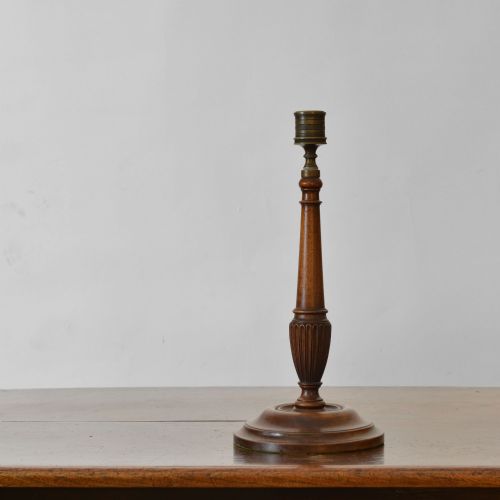
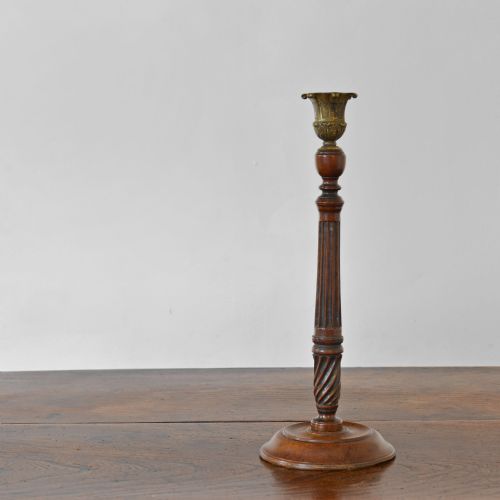
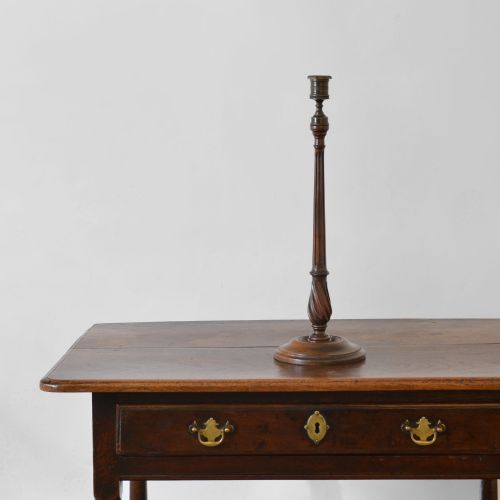
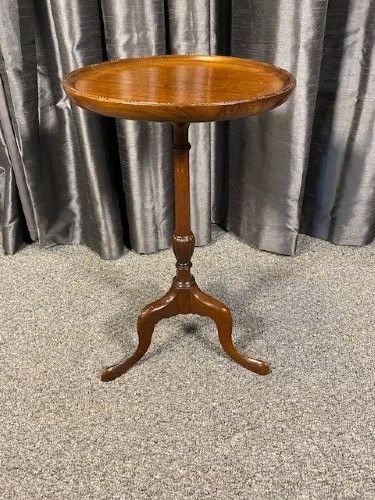
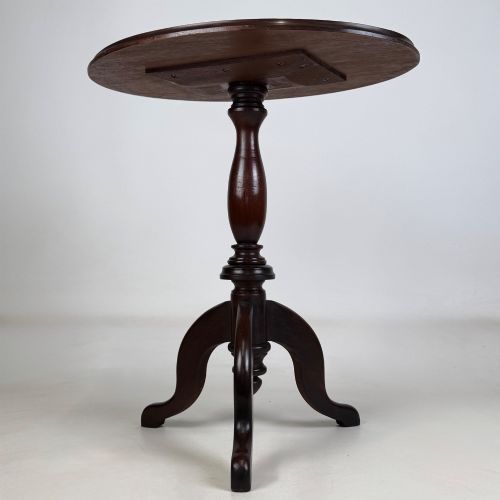
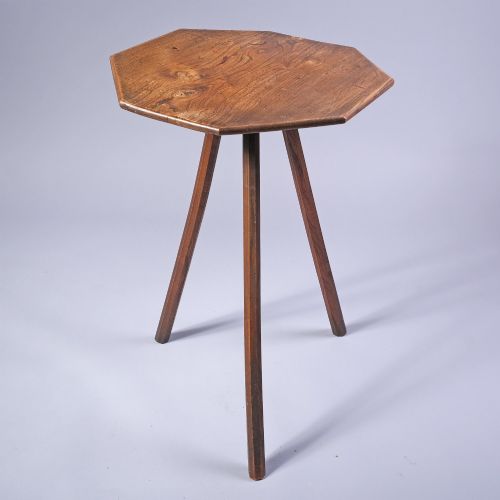
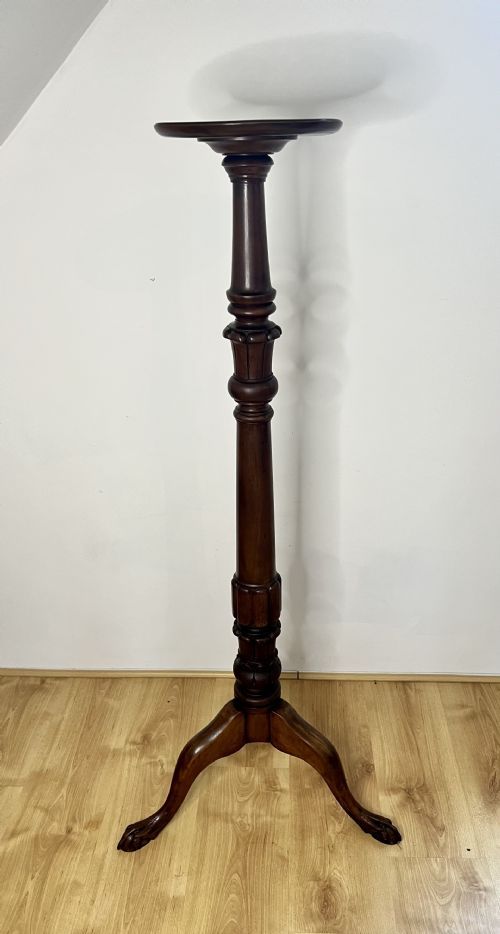
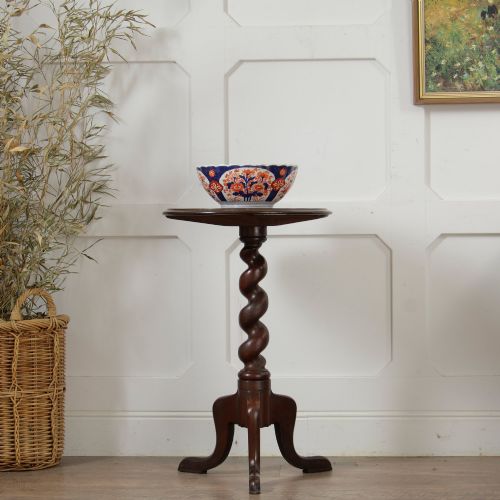
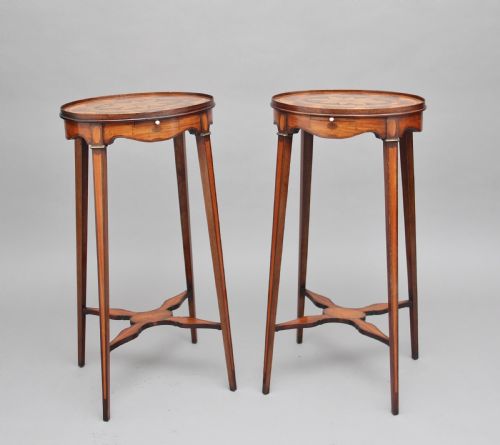
Traditional wooden candle stands encompass items designated as candlesticks, torchere plant stands, and occasional wine tables spanning the eighteenth to the twentieth centuries. These pieces serve to elevate candles or small objects, bringing varied heights and silhouettes into domestic interiors.
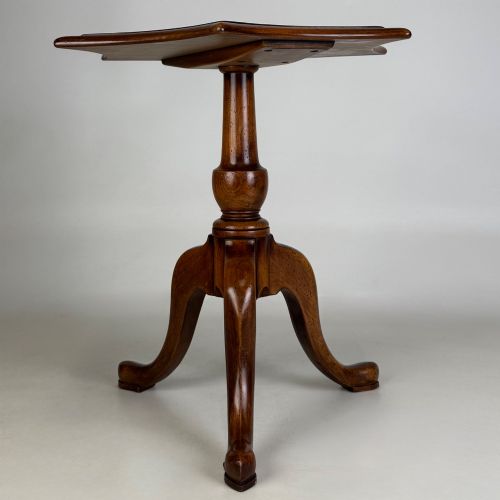
The most common examples on this page are turned mahogany and oak candlesticks alongside mahogany wine tables and torchere stands. Pieces often reflect specific regional or revival aesthetics, including Georgian, Victorian, and Folk Art iterations.
What varies in quality
Quality depends upon the selection of timber grain, such as figured mahogany or well-grained oak, alongside the crispness and depth of hand-turned or carved details. A well-balanced tripod base and sturdy column construction distinguish superior examples.
The integration of secondary materials like solid brass candle cups or intricate folk-art carvings elevates an item above standard utility wares, showing deliberate artistic intent.
The Traditional Wooden Candle Stands Glossary
- Torchere
- A tall, slender stand designed specifically to hold a light source or plant. These elevated pieces typically feature tripod bases and turned wooden columns.
- Wine table
- A small occasional table with a circular or rectangular top supported by a central pillar and tripod legs. They originated for holding glasses and bottles during evening gatherings.
- Treen
- Small handmade wooden domestic objects valued for their tactile qualities and utilitarian history. Examples include small taper candlesticks.
- Barley twist
- A spiral turning technique applied to wooden columns and candlestick stems. This decorative method creates a dynamic twisting optical effect along the vertical axis.
Traditional Wooden Candle Stands: Frequently Asked Questions
What are traditional wooden candle stands used for?
These pieces provide stable platforms for holding wax candles and tapers safely on tables, sideboards, or mantelpieces. In historical contexts, they ensured localized lighting before the widespread adoption of electricity.
Today, collectors deploy them to introduce tactile warmth and historical context into modern domestic interiors, often pairing them with complementary period furniture.
How do I identify a Georgian candle stand?
Georgian pieces typically exhibit restrained classical proportions, premium mahogany construction, and understated turned columns. They often rely on tripod bases terminating in pad or spade feet.
Comparing the timber density and the hand-finished turning marks helps differentiate genuine eighteenth-century examples from later nineteenth-century revivals.
Are these candle stands suitable for everyday use?
Solid hardwood construction makes these items durable enough for regular placement in living spaces. Standard maintenance involves gentle dusting and avoiding excessive moisture or direct heat sources.
Using fitted brass sconces protects the underlying timber from wax drips during active burning.
What distinguishes folk art candle stands?
Folk art pieces display vernacular carving styles and individual artisan interpretations rather than adhering to strict academic period designs. They frequently incorporate whimsical figurative elements, such as human or animal motifs.
Such items highlight regional British woodworking traditions and carry a distinct character absent in mass-produced factory items.