





Traditional Wooden Caddy
A traditional wooden caddy holds the small comforts of the home, made to sit on a side table or travel within the house.
Traditional Wooden Caddy
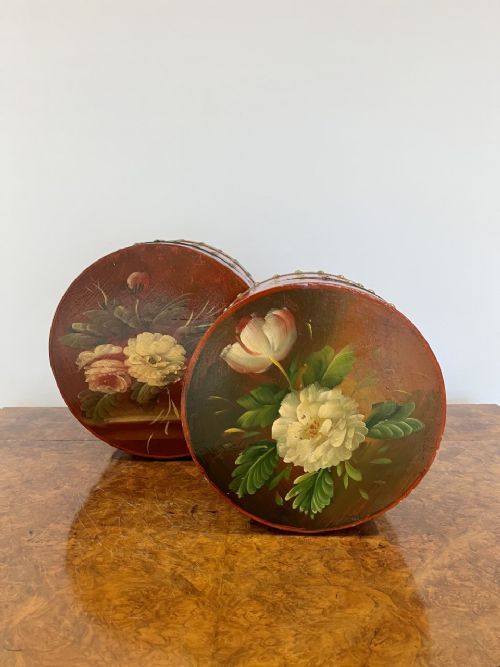
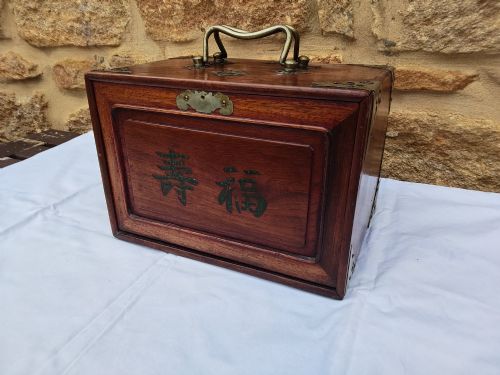
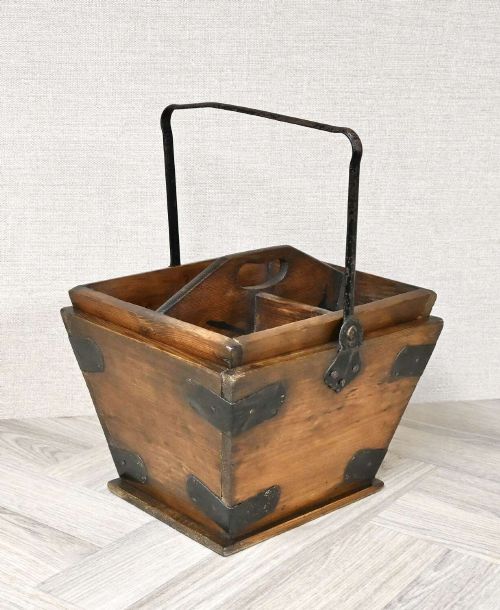
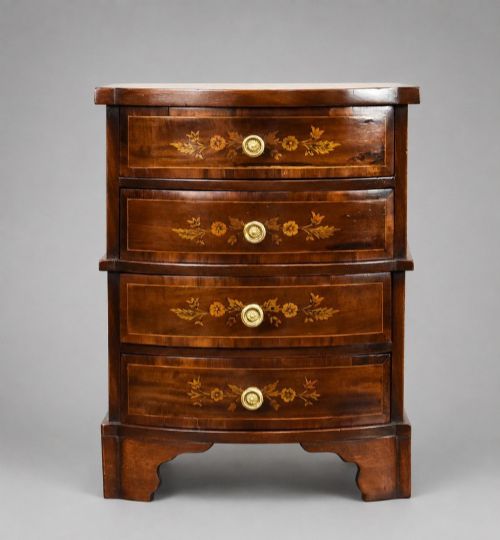
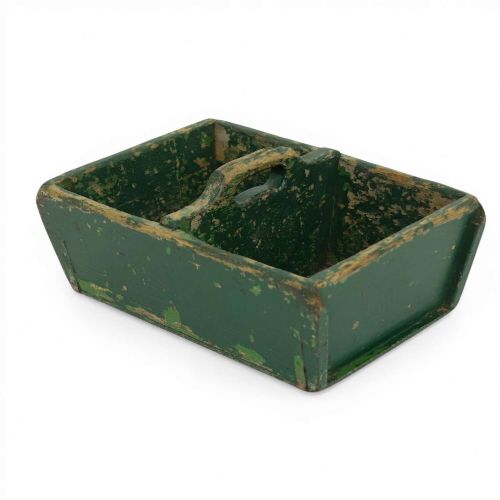
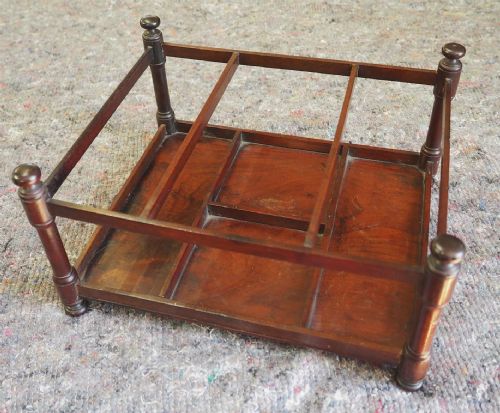
A traditional wooden caddy is an object designed for storage and carrying, appearing in forms such as cutlery boxes, spice boxes, and garden trugs across this page.
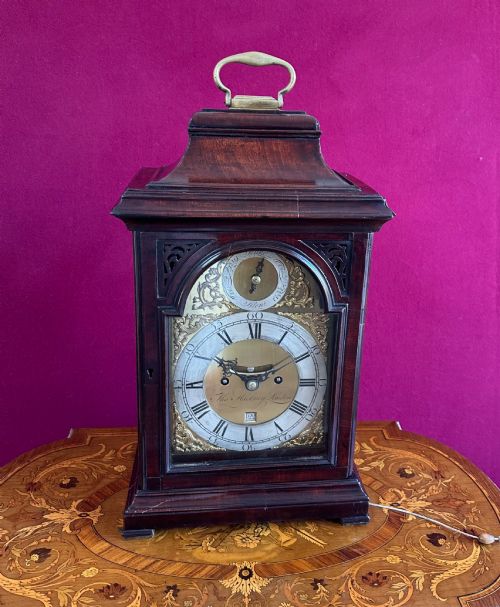
You are most likely to meet mahogany and pine versions from the Georgian and Victorian periods, alongside regional items like Welsh vernacular trays.
These pieces served domestic routines in the kitchen, parlour, and garden, built to be handled and moved about daily.
How they were made
Cabinet makers utilised dense hardwoods such as mahogany and oak for fine boxes, employing dovetail joints and brass fittings to ensure durability.
Country pieces relied on native timbers like pine and yew, often shaped with hand tools and finished with simple paint or left bare.
Traditional Wooden Caddy Retail Price Guide 2026
Typical asking prices for traditional wooden caddy among the pieces listed under this phrase on Sellingantiques today, from the lower quarter to the upper quarter. They describe what is for sale here now, not the wider market.
Listings feature mahogany, pine, oak, and yew wood across Georgian and Victorian periods.
What varies in quality
The standard of timber selection and joinery sets the finer pieces apart from everyday utility items, showing careful attention to grain and structure.
Original brass handles, escutcheons, and hinges contribute significantly to the integrity of a piece, whereas later replacements alter its character.
Mappin & Webb
The Traditional Wooden Caddy Glossary
- Caddy
- A small box or container originally used for holding tea, now applied to various desktop and household storage boxes. These objects often feature compartments or lifting lids.
- Dovetail
- A joint formed by interlocking wedge-shaped fingers, commonly used in drawer and box construction. This method provides strong tensile strength without metal fasteners.
- Escutcheon
- A flat plate surrounding a keyhole, designed to protect the surrounding wood from wear. They are typically made of brass or bone.
- Vernacular
- Objects made by local artisans using regional materials and traditional designs rather than high-style workshop patterns. These pieces reflect local domestic needs.
Traditional Wooden Caddy: Frequently Asked Questions
How were these wooden pieces used?
These boxes and trays were used for carrying cutlery to the dining table, storing spices in the kitchen, or holding garden tools for outdoor work. Their portable nature meant they moved constantly around the house.
Servants and homeowners alike relied on them to keep small domestic items organised and protected from damp or dust.
How do I tell Georgian pieces apart?
Georgian wooden pieces typically display dense mahogany, fine dovetailing, and understated brass hardware. The proportions remain functional and balanced, avoiding excessive ornamentation.
Cabinet makers in this era focused on the natural grain of the wood and robust joinery to create items that would withstand decades of daily use.
Can I use an antique caddy today?
Many of these wooden caddies and trays remain sturdy enough for everyday use on a desk, kitchen counter, or dining table. Their compartments suit modern storage for small items.
Care should be taken to keep them away from direct heat sources and excessive moisture to protect the historic timber and finish.