

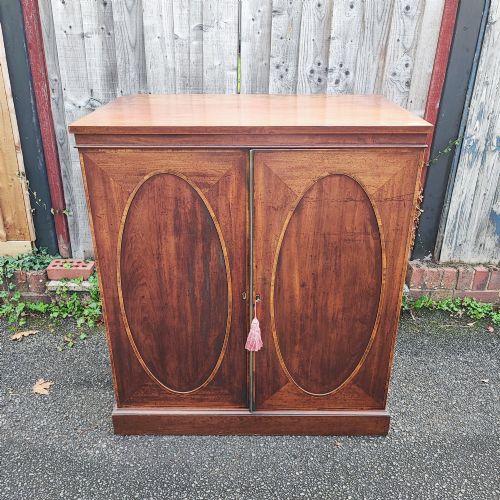
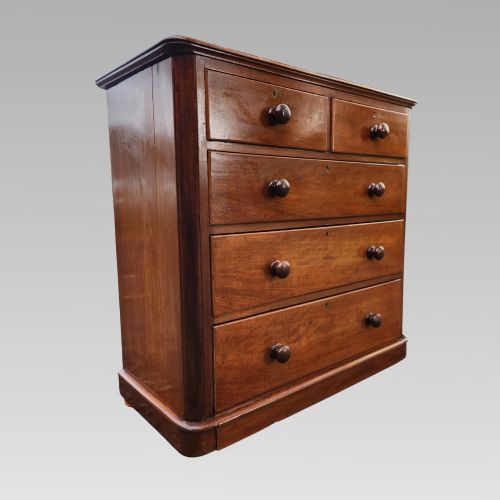


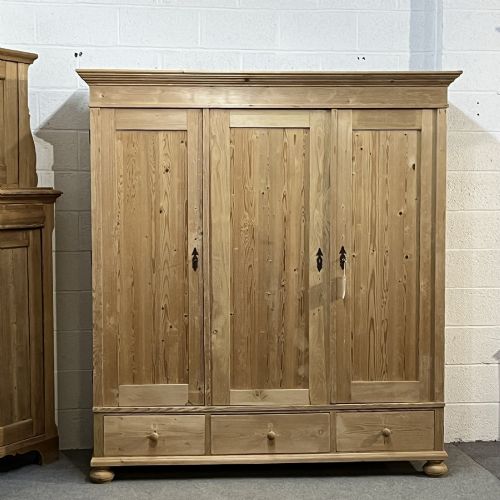
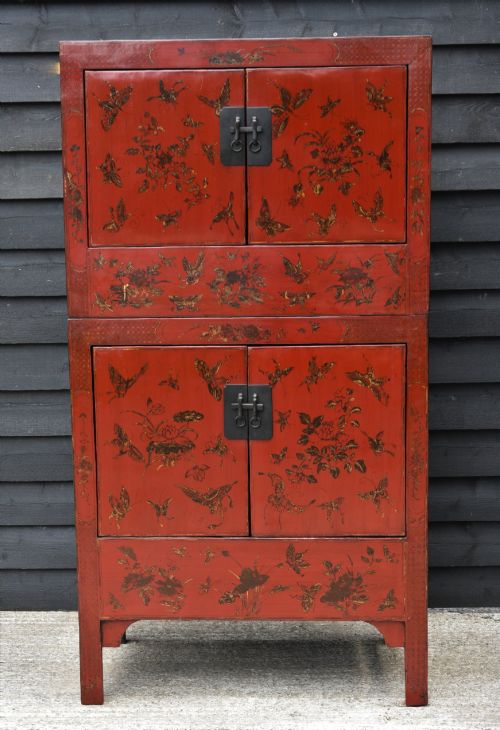
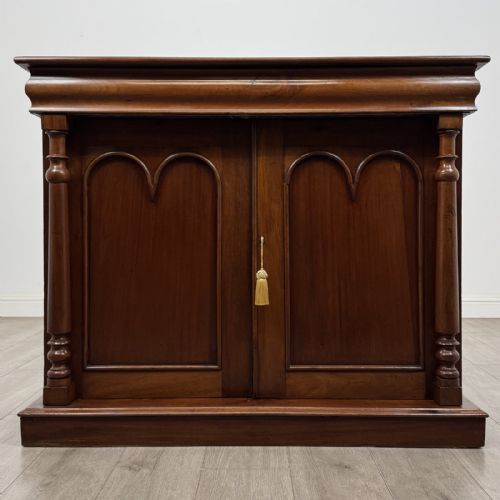
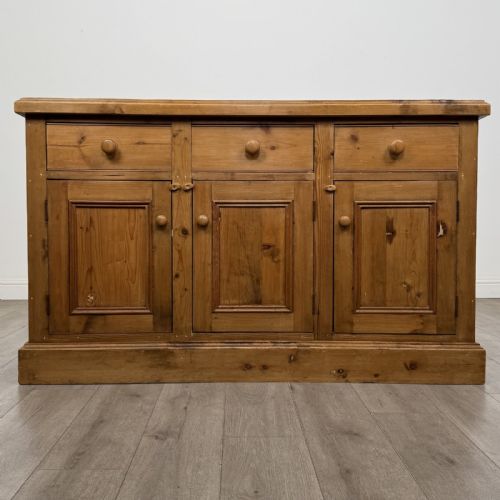
Traditional Wooden Cabinet
A traditional wooden cabinet brings timeless utility to a room, offering sturdy storage fashioned from honest timbers across several historic periods.
Traditional Wooden Cabinet
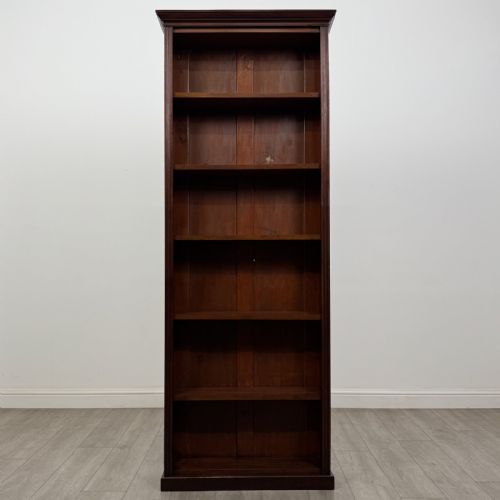
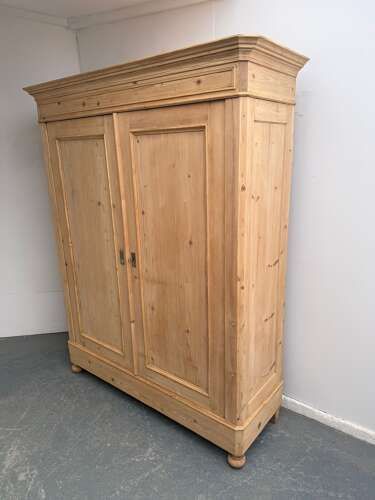
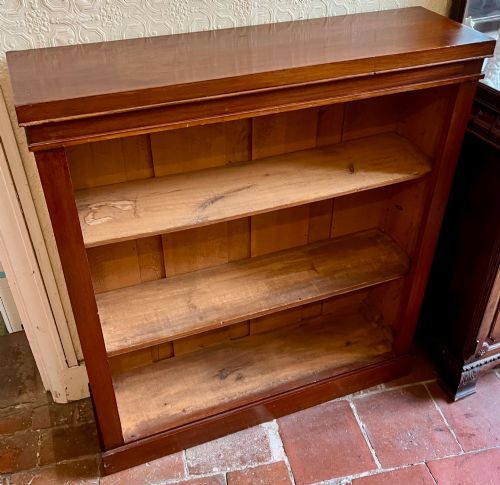
A traditional wooden cabinet encompasses a diverse range of historic storage forms, from Georgian corner cupboards to Victorian bookcases and Edwardian sideboards. Buyers exploring this selection encounter pieces built primarily to organise domestic spaces through dedicated shelving, drawers, and enclosed compartments.
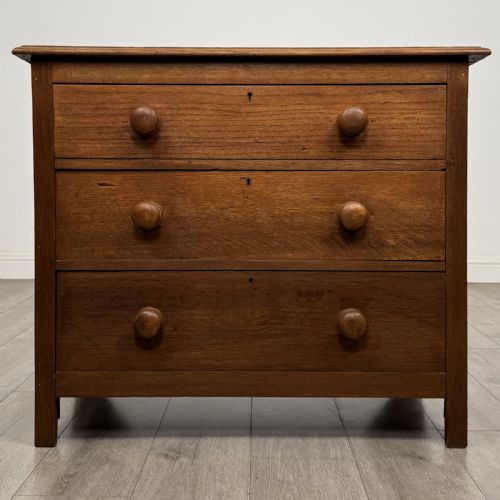
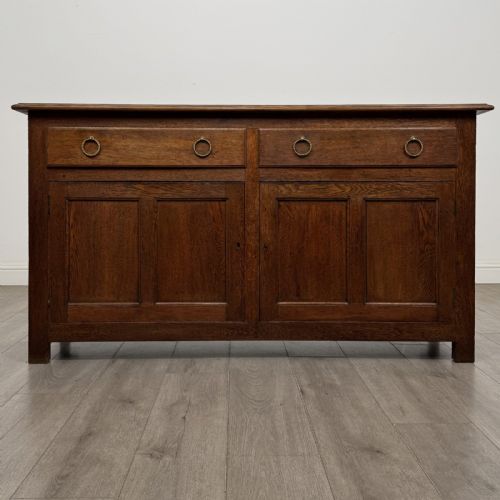
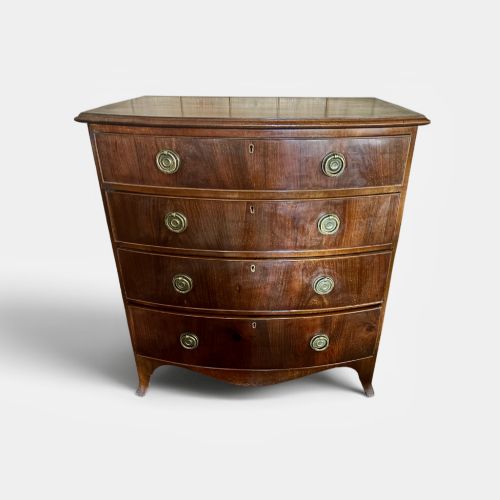
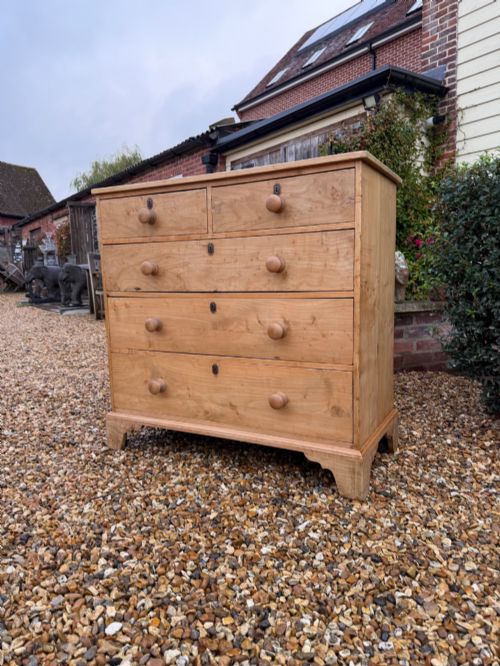
The most common examples on this page date from the nineteenth and early twentieth centuries, particularly the Victorian and Edwardian eras alongside the 1920s. These pieces often take the form of oak sideboards, mahogany chests of drawers, and pine dressers shaped by utilitarian or formal domestic needs.
Origins vary across British and continental workshops, incorporating styles such as Jacobean Revival, Regency, and Rustic Farmhouse. Each piece reflects the functional requirements of its period, whether that involves storing household linen, displaying books, or housing tableware.
How they were made
Cabinet makers relied principally on hardwoods like mahogany, oak, and walnut alongside softer timbers such as pine to construct these traditional frames. Selected woods were often seasoned carefully before being joined using traditional methods suited to the demands of daily household use.
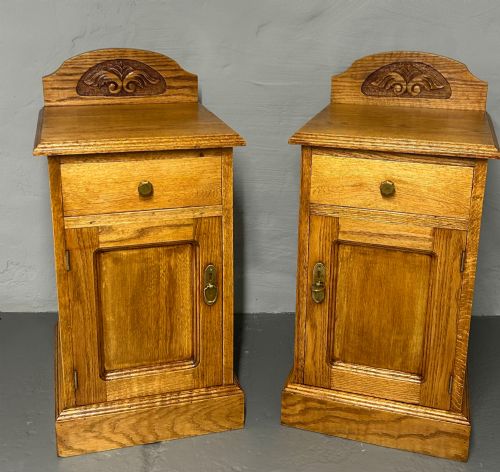
Surface details and structural hardware frequently incorporated brass handles, glass panes for glazed doors, and iron fittings to secure panels and drawers. Carving, inlay work, and distinctive mouldings such as dentil cornices were applied to elevate the appearance of formal dining and living room furniture.
Traditional Wooden Cabinet Retail Price Guide 2026
Typical asking prices for traditional wooden cabinet among the pieces listed under this phrase on Sellingantiques today, from the lower quarter to the upper quarter. They describe what is for sale here now, not the wider market.
The furniture range includes diverse forms such as glazed corner cupboards, linen presses, breakfront bookcases, and rustic farmhouse dressers.
What varies in quality
Quality in these wooden cabinets rests largely on the selection of timber and the precision of the joinery used in the carcase and drawers. Dense, finely figured mahogany or burr walnut denotes a higher standard of craftsmanship than simpler utility pieces made from everyday pine.
The sophistication of decorative elements, including hand-carved oak motifs, crisp inlay, and original brass hardware, distinguishes standard production items from finer workshop commissions. Structural integrity, from flush-fitting doors to smooth-running drawers, dictates the enduring utility of each piece.
Rushworth's·Jaycee
The Traditional Wooden Cabinet Glossary
- Dentil cornice
- A decorative moulding featuring a series of small, rectangular blocks projecting like teeth beneath the edge of the top surface. It is frequently found on formal bookcases and tall cupboards.
- Linenfold
- A style of carved wooden panelling that resembles folded fabric, often seen on the doors of early twentieth-century cupboards. This decorative technique adds texture and historic character to the timber surface.
- Breakfront
- A cabinet design where the central section projects forward from the flanking wings. This configuration creates visual depth and architectural interest in large sideboards and bookcases.
- Dresser base
- The lower section of a traditional kitchen or dining room dresser, typically comprising a row of drawers above cupboards. These robust units served as standalone work surfaces and general storage.
- Sideboard
- A long piece of furniture designed for dining rooms to store tableware, linen, and serving dishes. They often combine cupboards with multiple drawers beneath a broad top surface.
Traditional Wooden Cabinet: Frequently Asked Questions
What is a traditional wooden cabinet used for?
These cabinets served multiple domestic purposes across generations, primarily for organising tableware, books, linens, and personal items. Enclosed cupboards protected valued possessions from dust, while open shelves allowed for easy access to frequently used books and household goods.
In modern rooms, they continue to function as practical storage solutions while adding historic character and warmth. Their varied configurations make them suitable for dining rooms, hallways, and studies alike.
How do I care for antique wooden furniture?
Maintaining these pieces requires keeping them away from direct sunlight and sudden changes in temperature, which can cause wood to warp or split. Regular dusting with a soft cloth preserves the finish without requiring harsh chemical polishes.
Applying a traditional beeswax occasionally helps nourish hardwood surfaces like mahogany and oak, maintaining their natural lustre. Ensuring stable indoor humidity levels protects both the timber and the original structural joints.
What is the difference between oak and mahogany furniture?
Oak is a durable, heavy timber with a pronounced grain, frequently utilised in rustic farmhouse pieces, dressers, and Jacobean Revival cabinets. It imparts a robust, historic aesthetic associated with enduring strength and traditional country craftsmanship.
Mahogany offers a finer, smoother grain and a deeper reddish-brown tone that became popular in more formal Georgian and Victorian pieces. It lends itself well to sophisticated carving, polished finishes, and elegant interior architectural forms.