


Traditional Wooden Bar Stools
Traditional wooden bar stools bring genuine patina and functional height to a kitchen counter or home bar.
Traditional Wooden Bar Stools
Traditional wooden bar stools encompass tall seating pieces derived from historic pub, tavern, and clerk origins. When searching for traditional wooden bar stools, buyers encounter nineteenth-century vernacular seating alongside early twentieth-century examples.
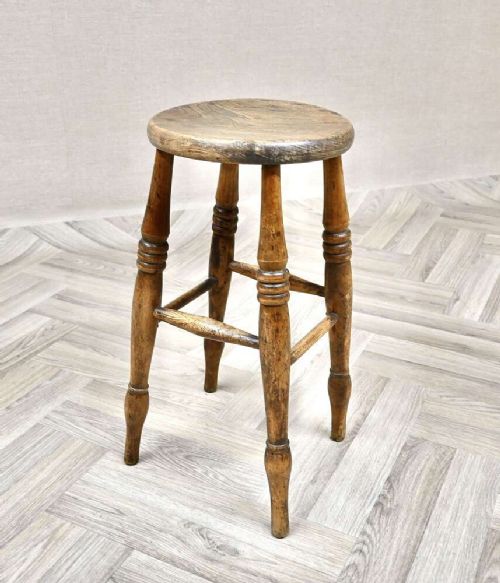
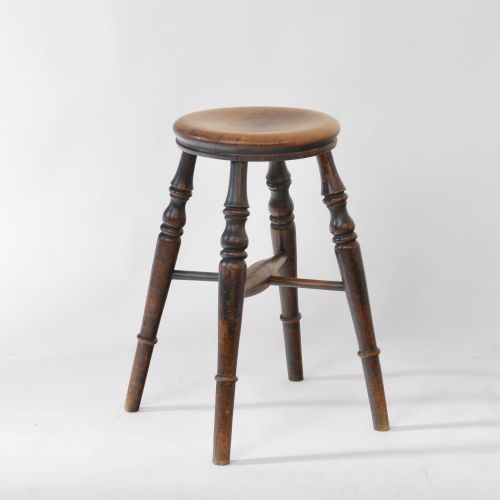
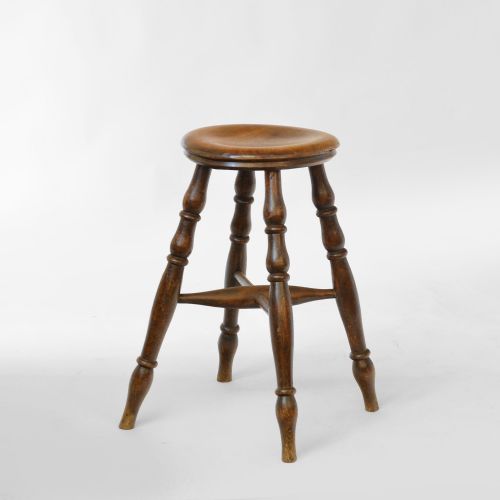
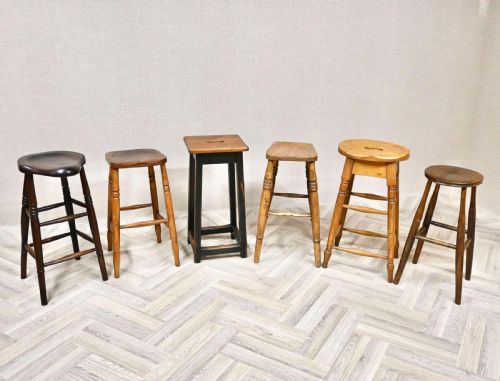
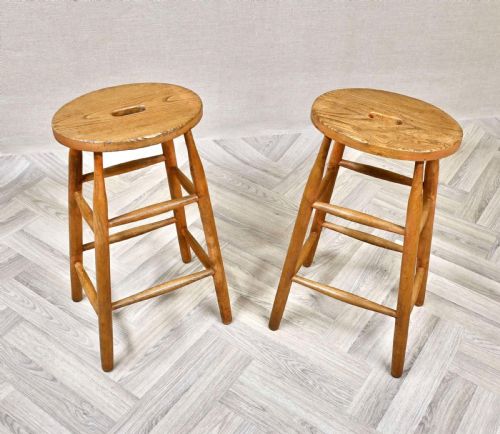
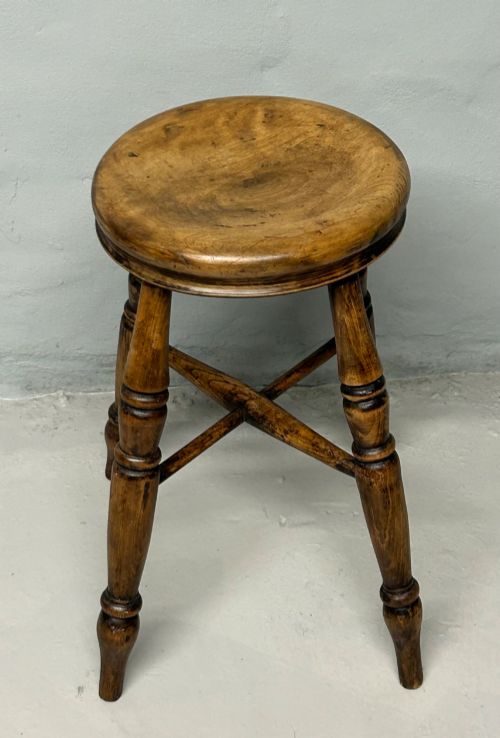
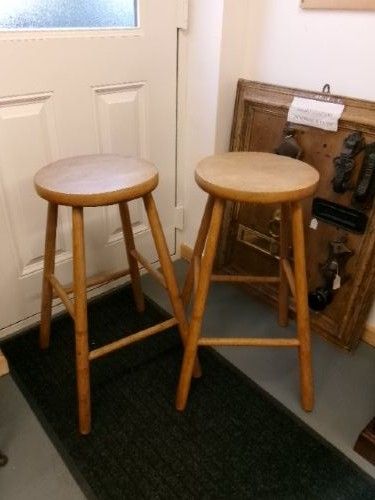
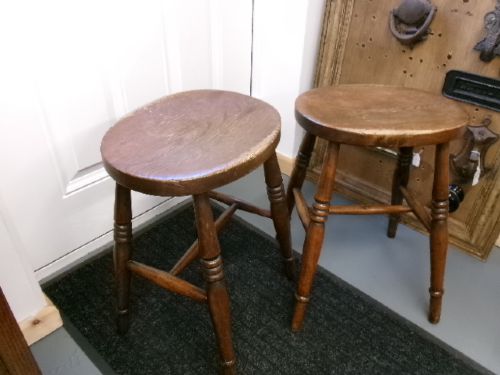
The dominant forms on this page include tall elm-topped stools, pub and tavern stools with dished seats, and turned beech clerk's stools. These pieces originate primarily from nineteenth-century workshops, with select examples dated through the nineteen-twenties and nineteen-forties.
Makers designed these items for commercial and domestic utility at elevated heights rather than purely decorative display. Consequently, surviving examples show robust construction intended for heavy daily use in country houses, farmhouses, and taverns.
How they were made
Maker construction relies on traditional timber selection, notably elm, beech, oak, sycamore, and mahogany. Carpenters frequently combined woods within a single piece, pairing beech frames with elm seats for durability.
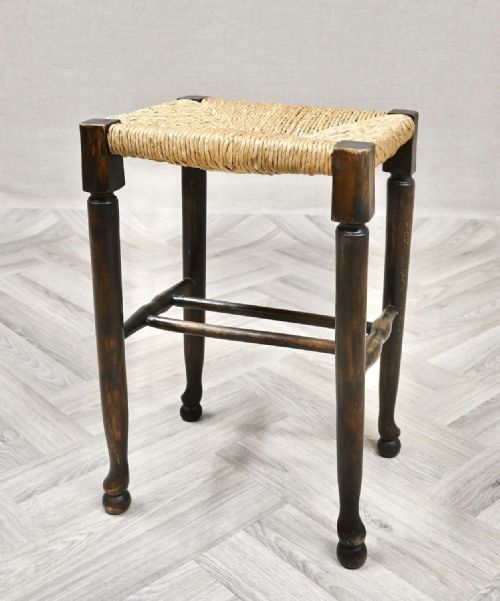
Turned legs and joined stretchers provide structural stability for tall seating frames. Seats often feature oval dished tops or rush seating to accommodate prolonged sitting.
Pubs needed sturdy seating because patrons spent hours debating politics over ale without collapsing the furniture.
What varies in quality
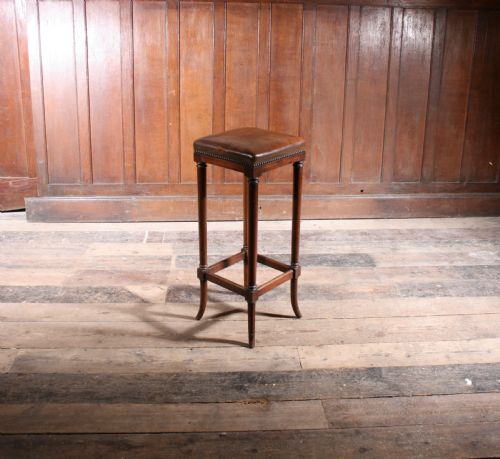
Quality differences rest in timber selection and the complexity of turning work on legs and stretchers. Examples utilising figured mahogany or well-grained sycamore and elm demonstrate superior material choice compared to standard utility timber.
Proportion and seat shaping also differentiate pieces, with deep oval dished tops showing greater craftsmanship than flat boards. Original height retention without excessive timber replacement distinguishes better-preserved examples.
The Traditional Wooden Bar Stools Glossary
- Dished top
- A seat carved with a concave depression for comfort. This shaping requires skilled adze or chisel work by the maker.
- Rush seat
- A seating surface woven from dried marsh grasses. This technique appears on specific tall stools in the listings.
- Turned leg
- A vertical structural member shaped on a lathe. Carpenters utilised this method to create decorative profiles on beech and hardwood frames.
- Vernacular
- Objects made by local craftsmen following regional traditions rather than high-style academic designs. These pieces serve practical functions in domestic and tavern settings.
- Bentwood
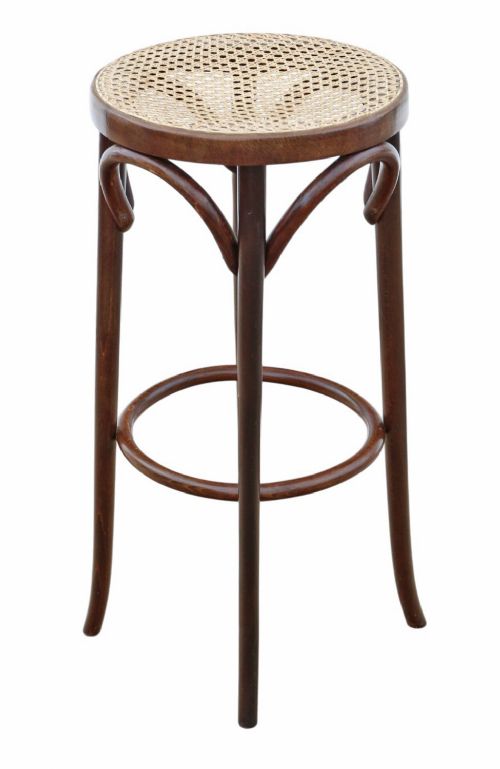
- Wood steamed and bent into curved structural forms. This technique shapes specific tall stools from the early twentieth century.
Traditional Wooden Bar Stools: Frequently Asked Questions
How tall are these bar stools?
These seating pieces are built to elevated heights suitable for counters, high tables, and tavern bars.
Specific heights vary across nineteenth-century and twentieth-century examples depending on their original commercial or domestic function.
What woods were used?
Constructors utilised native hardwoods including elm, beech, oak, sycamore, and mahogany.
Combinations such as beech frames with elm tops appear frequently in tavern and pub seating.
Are these stools comfortable?
Many examples feature oval dished tops carved to fit the body during prolonged sitting.
Others utilise woven rush seats or straightforward wooden platforms designed for utilitarian tavern use.
How do I date a wooden stool?
Dating relies on timber characteristics, turning styles, and structural joinery methods visible across the piece.
Nineteenth-century vernacular items display distinct hand-working marks compared to later twentieth-century bentwood production.