



Traditional Wood Tansu
Traditional wood tansu are Japanese storage cabinets and chests from the nineteenth century and early twentieth century that bring historic utility into modern interiors.
Traditional Wood Tansu
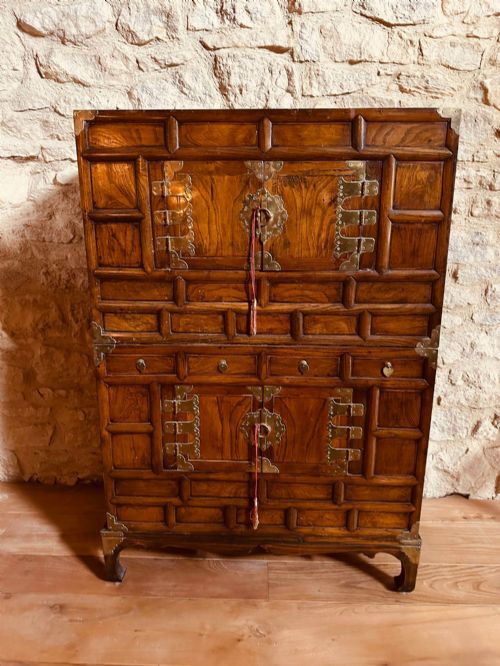
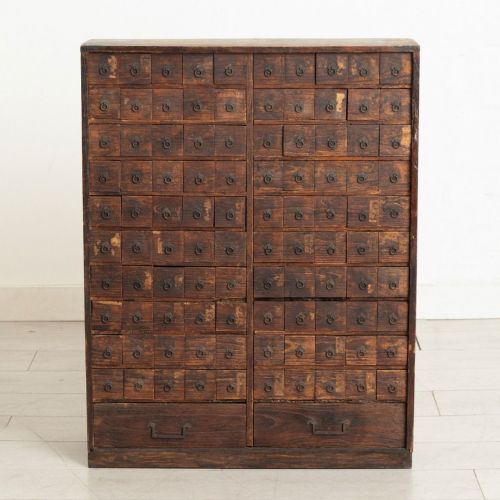
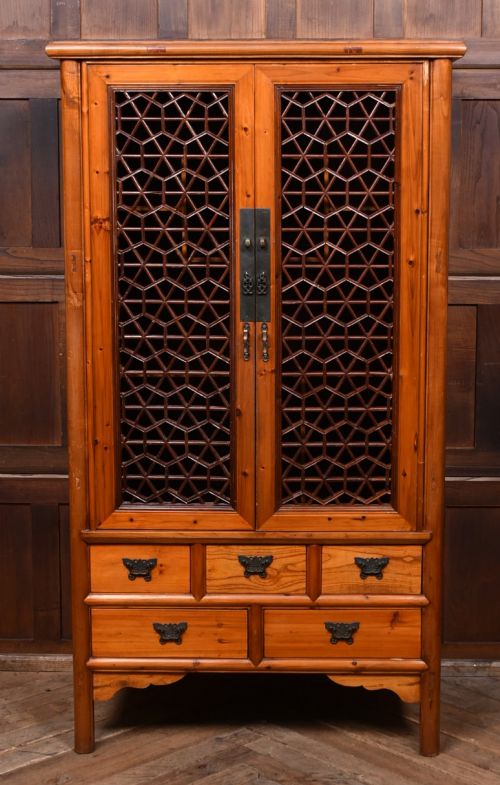
Traditional wood tansu pieces are Japanese storage cabinets and chests designed for domestic and commercial organisation. When you search for traditional wood tansu, you encounter forms ranging from kitchen cupboards to apothecary banks of drawers.
The pieces listed on this page span the nineteenth century, nineteen ten, and nineteen twenty. Most examples originate from the Meiji period, reflecting traditional Japanese craftsmanship.
Form follows function closely in these designs. You find wheeled kuruma-dansu, step chests known as kaidan tansu, and merchant chests built to hold documents and goods.
How they were made
Construction relies on natural timbers such as cedar, pine, elm, cypress, zelkova wood, and kiri wood. Cabinetmakers selected specific woods for structural strength and grain pattern.
Iron hardware reinforces the corners, joints, and drawers of these pieces. Lacquer finishes appear on select surfaces to protect the wood and enhance appearance.
Traditional Wood Tansu Retail Price Guide 2026
Typical asking prices for traditional wood tansu among the pieces listed under this phrase on Sellingantiques today, from the lower quarter to the upper quarter. They describe what is for sale here now, not the wider market.
Some nineteenth-century merchant chests rolled on wooden wheels so shopkeepers could quickly rescue their ledgers when earthquakes struck.
What varies in quality
Quality rests upon the selection of timber and the precision of the joinery. Dense woods like zelkova, often referred to as keyaki, command attention for their durability and grain.
The complexity of the iron hardware and the subtlety of the drawer fitting distinguish standard utility pieces from more elaborate merchant and apothecary chests.
The Traditional Wood Tansu Glossary
- Tansu
- A traditional Japanese mobile storage chest or cabinet. These pieces served various domestic functions.
- Kaidan tansu
- A traditional Japanese step chest designed for placement beneath a staircase. It offered dual utility as storage and access to upper levels.
- Kuruma-dansu
- A wheeled merchant chest from Japan. The wheels allowed heavy goods to move quickly.
- Keyaki
- Japanese zelkova wood. Makers valued this dense timber for front panels and high-status furniture.
- Kiri wood
- Japanese paulownia wood. This light timber resists humidity and shrinkage, protecting delicate contents.
Traditional Wood Tansu: Frequently Asked Questions
How were tansu used?
Owners used these cabinets to store clothing, kitchenware, documents, and medicines. Different forms suited specific rooms and tasks.
Kitchen tansu stored food and utensils, while merchant chests secured ledgers and valuables behind heavy locking doors.
How do I date a tansu?
Dating relies on recorded periods such as the nineteenth century and early twentieth century. Construction methods and wood types offer further clues.
Meiji period pieces often display specific combinations of iron fittings and native timbers like keyaki and cedar.
Where were tansu placed?
These chests sat within traditional Japanese interiors for daily organisation and display. Step chests functioned as both stairways and storage units.
Today, collectors place them in modern rooms as focal storage furniture that highlights historic craftsmanship.