

Traditional Wood Storage
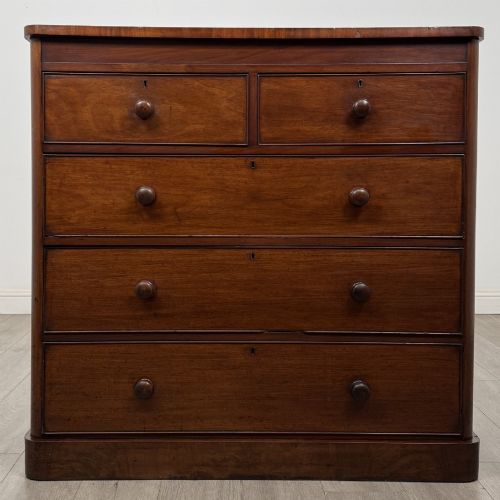
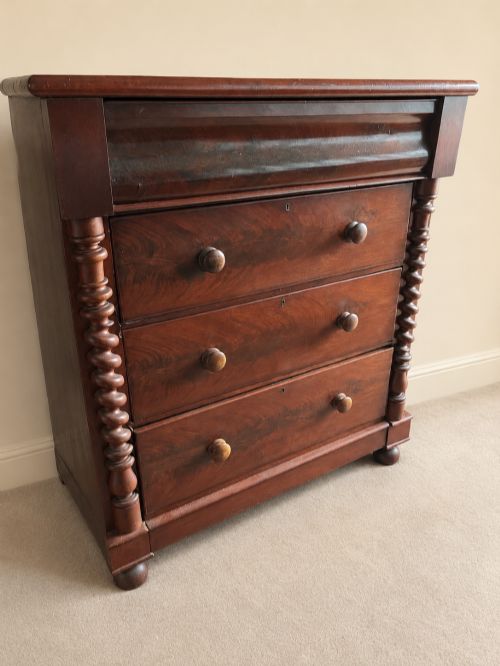
Traditional wood storage spans solid oak coffers, mahogany chests of drawers and pine dressers designed to keep domestic spaces orderly.
Traditional Wood Storage
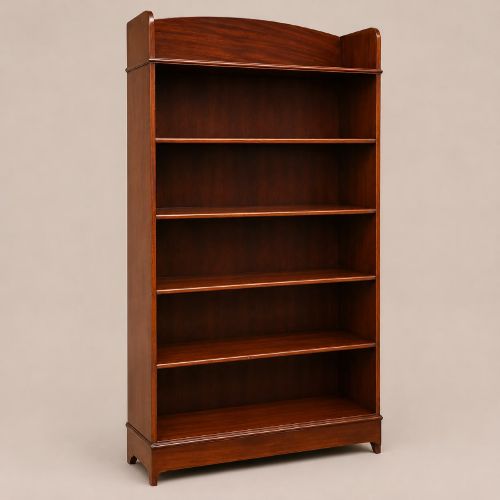
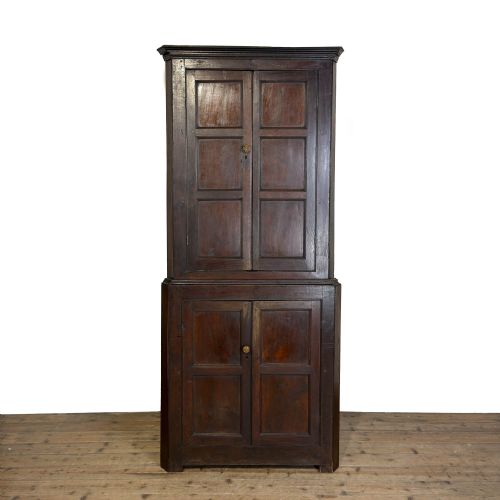
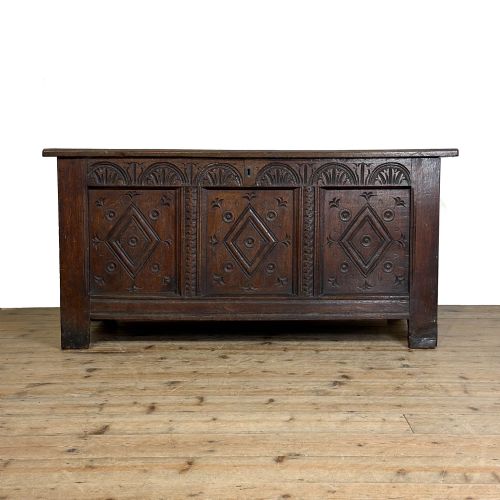
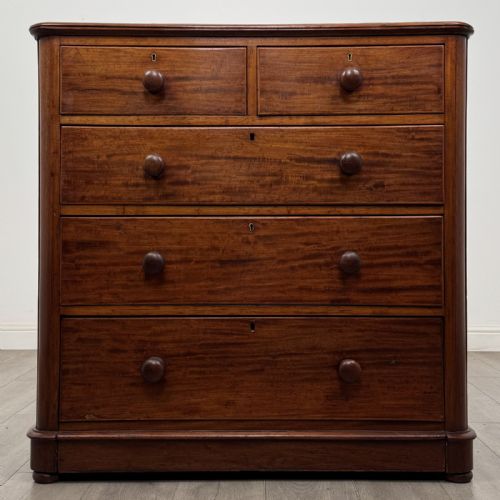
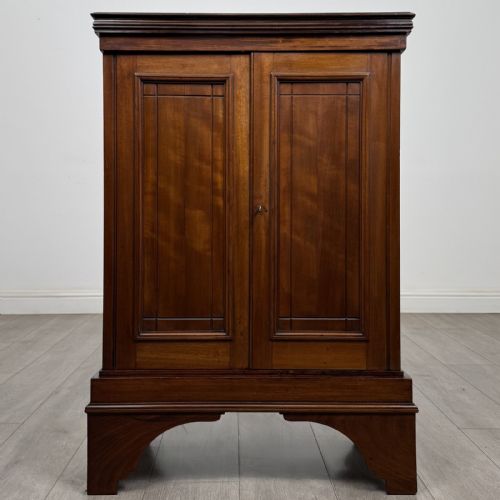
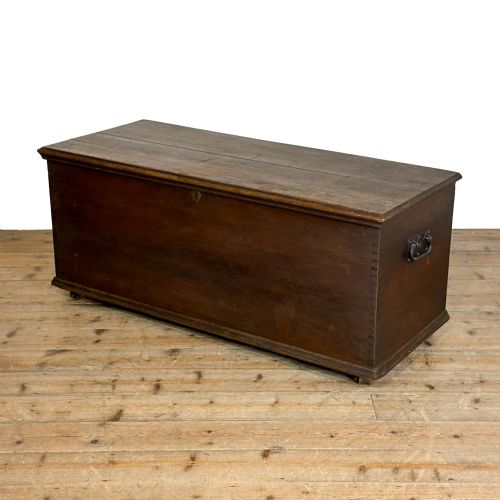
When you search for traditional wood storage, you encounter functional pieces designed to contain clothing, linens and household goods across multiple centuries. The selection ranges from robust 18th-century oak mule chests and carved coffers to refined Georgian and Victorian chests of drawers, bookcases and cupboards. These items served as the primary method of organisation in domestic interiors long before fitted furniture existed.
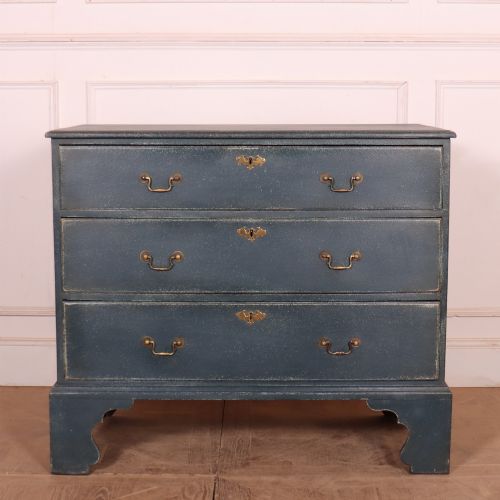
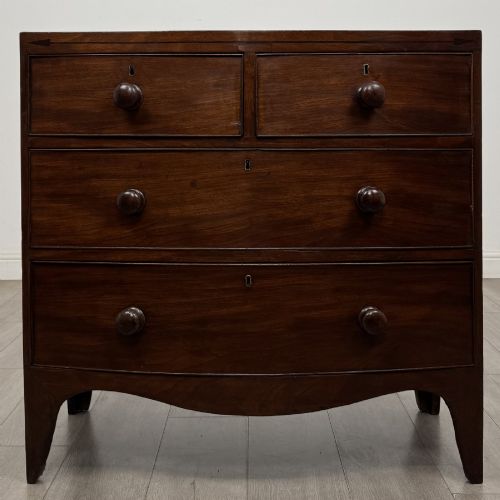
On this page, you are most likely to meet chests of drawers and coffers constructed from timber such as oak, mahogany, walnut and pine. Pieces originate from distinct periods including the Georgian, Victorian and Edwardian eras, alongside early 20th-century reproductions in earlier styles like Jacobean Revival. Form follows function closely, with interior configurations varying from simple blanket boxes to fitted pigeon holes and graduated drawers.
Materials and construction
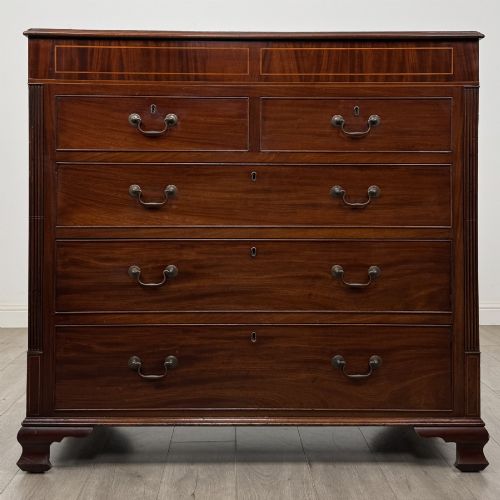
Makers relied heavily on native and imported timbers, selecting oak and pine for sturdy country furniture and mahogany, walnut and burr walnut for more polished urban pieces. Surfaces often feature raised galleries, carved panels, bracket feet, turned legs and serpentine fronts depending on the period and regional workshop traditions.
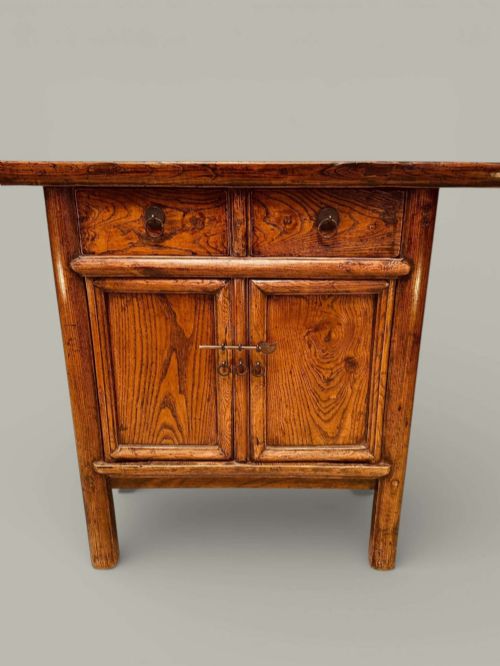
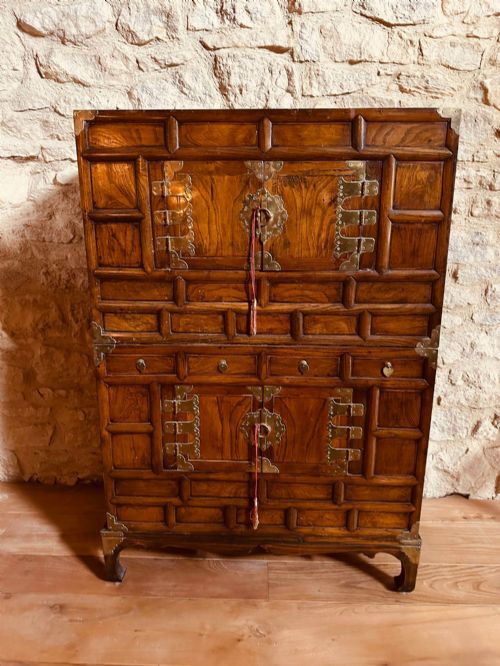
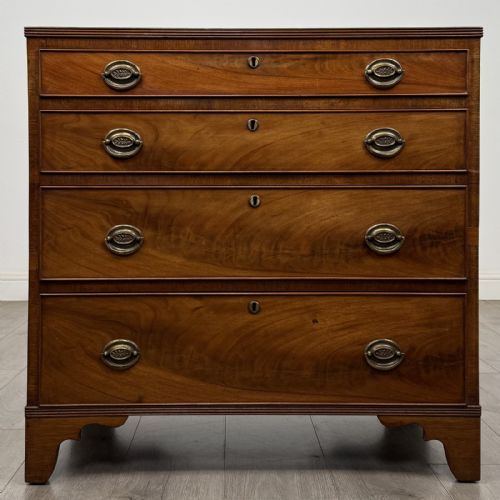
Hardware played a functional and decorative role, with brass handles, drop pulls and cup handles securing drawers and cupboard doors. Secondary woods such as ash, elm, birch and rosewood appear in carcases and linings, demonstrating traditional joinery methods tailored to the specific demands of each cabinetmaker.
Traditional Wood Storage Retail Price Guide 2026
Typical asking prices for traditional wood storage among the pieces listed under this phrase on Sellingantiques today, from the lower quarter to the upper quarter. They describe what is for sale here now, not the wider market.
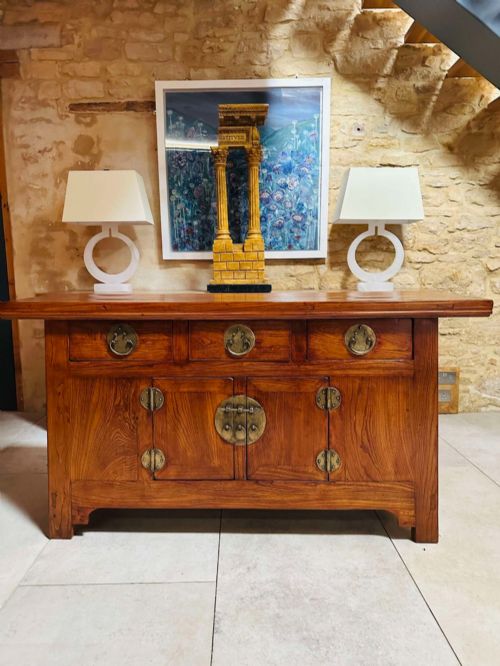
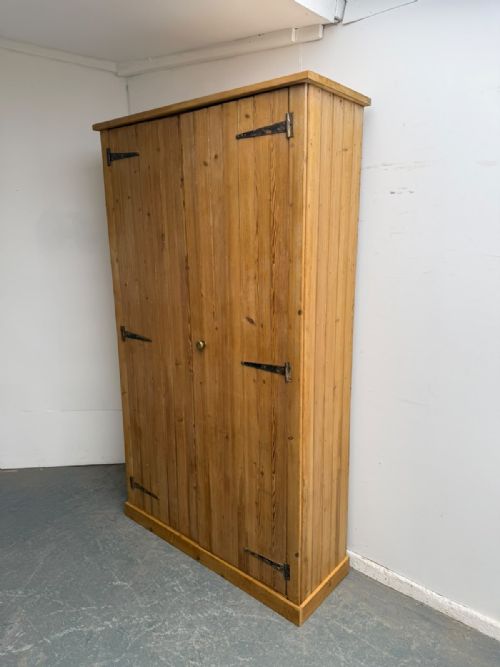
Object forms include chests of drawers, coffers, blanket boxes, glazed bookcases, kitchen dressers, larder cupboards and wardrobes.
Judging quality in wooden furniture
The division between standard storage pieces and top-tier examples rests on the selection of timber veneers, such as finely figured burr walnut or dense mahogany, and the precision of the underlying joinery. Superior items exhibit carefully matched grain patterns across drawer fronts, robust dovetailed drawer construction and original brass hardware that has aged naturally with the piece.
Proportion and carving depth further distinguish finer items from plain utility furniture. Well-executed carving on an oak coffer or a crisp serpentine front on a Georgian chest shows the hand of a skilled craftsman, whereas lesser examples rely on simpler panel construction and plain, unadorned surfaces.
The Traditional Wood Storage Glossary
- Coffer
- A large wooden chest, typically with a flat lid, used historically for storing valuables and household textiles. Early examples feature six-plank construction joined by pegged corners.
- Mule chest
- A chest fitted with one or more drawers beneath the main storage compartment, combining the function of a traditional coffer with drawer storage.
- Bracket foot
- A structural and decorative foot found at the corners of case furniture, shaped like a bracket and often taking an ogee profile in Georgian designs.
- Gallery
- A raised wooden border running along the top edge of a chest of drawers or surface to prevent items from sliding off.
Traditional Wood Storage: Frequently Asked Questions
What is a mule chest?
A mule chest is a storage box that combines a lift-up lid compartment with one or more drawers built into the base. This hybrid form emerged when makers realised adding drawers beneath the main coffer improved access to stored garments without requiring everything on top to be removed.
In domestic settings, they served as versatile wardrobes before tall chests of drawers became common. The lower drawers held smaller items while the upper well accommodated bulky blankets and linens.
How do I date an oak chest?
Dating an oak chest relies on examining the construction methods, tool marks visible on the timber, and stylistic details of any carved decoration. Early pieces from the 17th and 18th centuries often employ pegged frame-and-panel assembly rather than modern metal screws.
Hardware styles and secondary woods also offer clues. Hand-beveled panels and irregular hand-cut dovetails point firmly toward earlier workshops rather than later revival periods.
Where were blanket boxes placed?
Blanket boxes and coffers were traditionally kept in bedrooms, hallways or landing spaces to store heavy woolen textiles and seasonal garments. Because houses lacked built-in closets, these portable chests provided secure storage and doubled as impromptu seating.
In modern rooms, they function effectively at the foot of a bed or as living room coffee tables that offer hidden internal storage. Their robust construction allows them to withstand daily domestic use.
What distinguishes mahogany from oak?
Mahogany is a dense, reddish-brown imported timber that became popular in the 18th century for refined urban furniture, accepting fine carving and high polish. Oak is a native hardwood with a prominent open grain, utilised for centuries in sturdy country furniture and vernacular pieces.
While oak projects a rustic and robust character suited to heavy-use environments, mahogany conveys a formal elegance often associated with Georgian and Victorian parlours and dining rooms.