
Traditional Wood Side Tables
Traditional wood side tables bring solid craftsmanship and historical character to a room, offering practical surfaces in mahogany, oak, and walnut.
Traditional Wood Side Tables
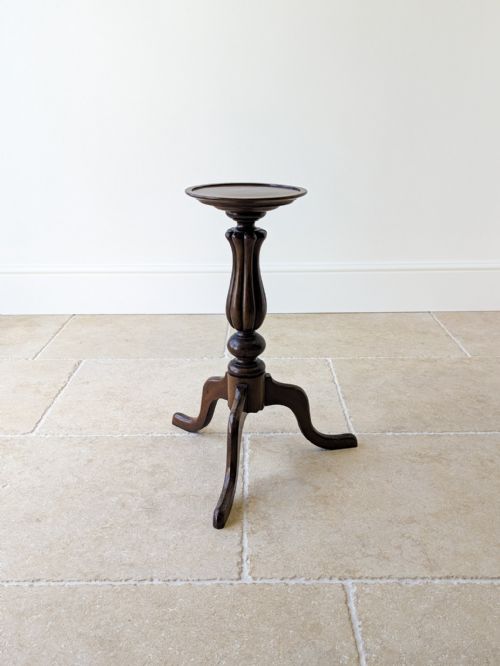
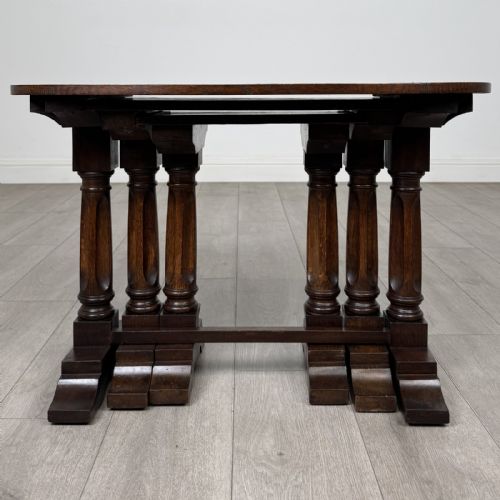
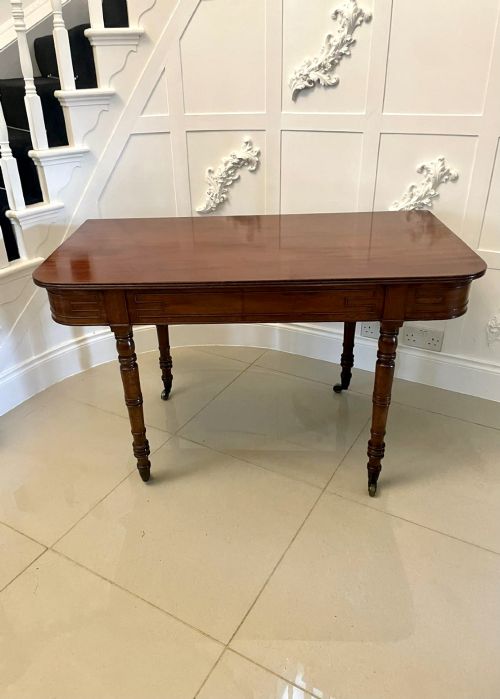
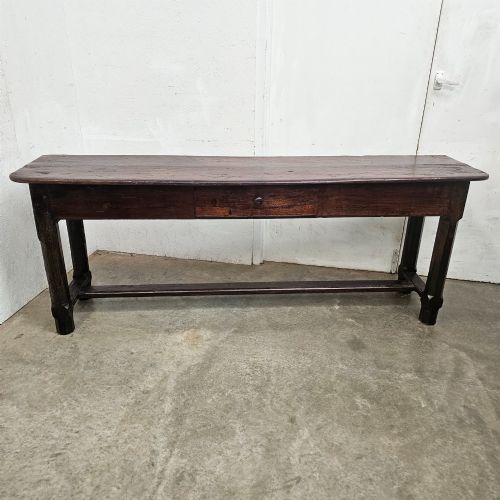
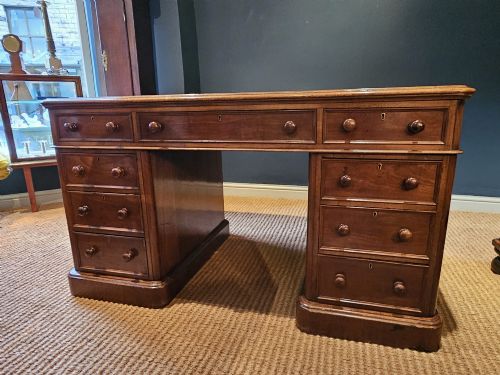
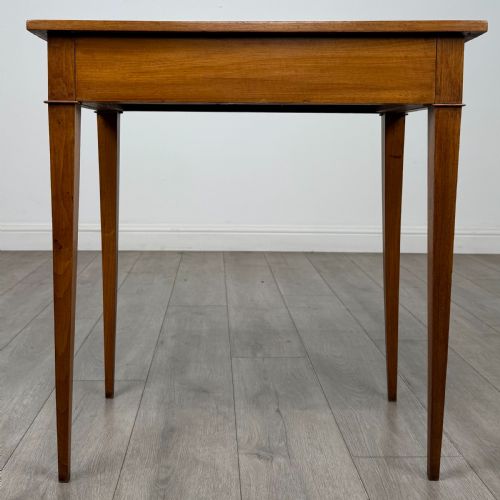
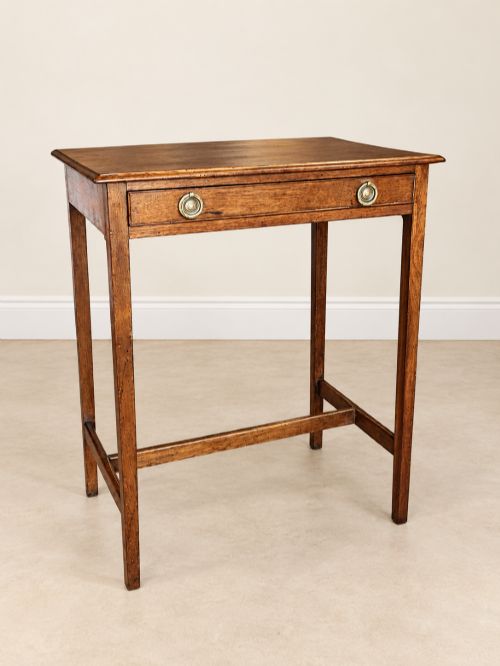
Traditional wood side tables encompass a wide variety of practical household surfaces, from compact wine tables and nests of tables to larger console and writing desks. When searching for traditional wood side tables, buyers frequently encounter pieces originating from the eighteenth, nineteenth, and early twentieth centuries. These tables serve multiple domestic functions, operating as lamp stands, bedside surfaces, or occasional desks depending on their specific form and period.
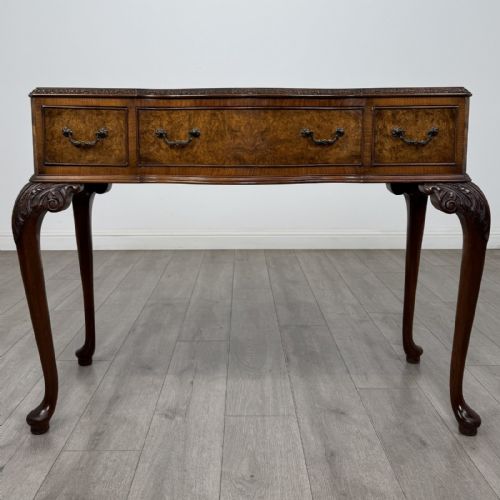
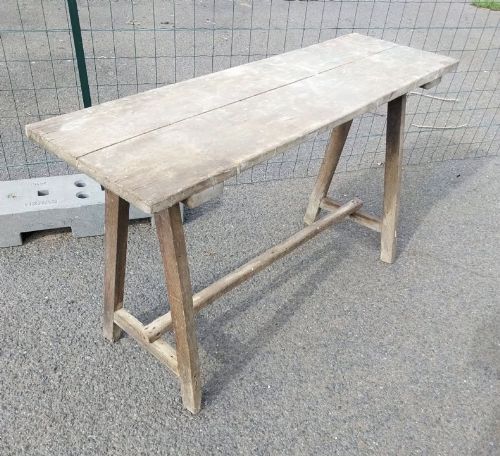
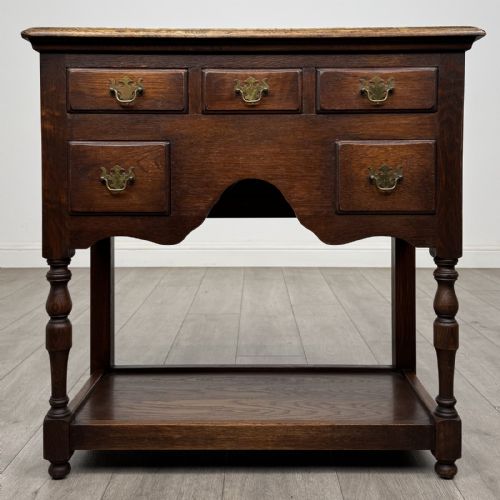
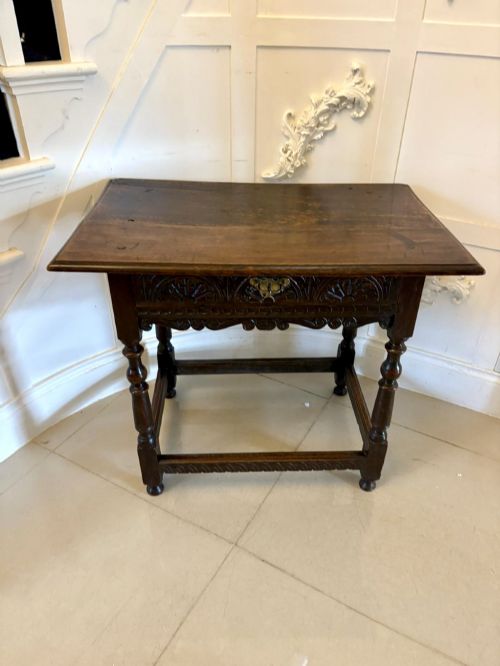
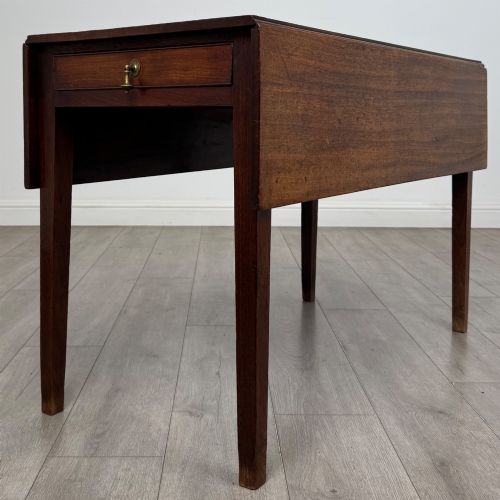
The materials span several distinct timbers, with mahogany, oak, and walnut appearing most frequently across the listed inventory. Styles draw heavily upon Georgian, Victorian, and Edwardian design traditions, often incorporating classic proportions alongside period details such as tripod bases, bobbin legs, or drop side flaps. Pieces range from rustic solid oak serving tables to refined mahogany occasional tables with delicate serpentine framing.
Originating from diverse workshops and periods, these tables reflect the prevailing domestic tastes of their respective eras. Buyers will find both simple utilitarian forms, such as butler's trays and stands, and more decorative examples featuring neoclassical carving or inlay. This variety allows collectors to select pieces that integrate seamlessly into historic interiors or anchor contemporary living spaces.
Materials and construction methods
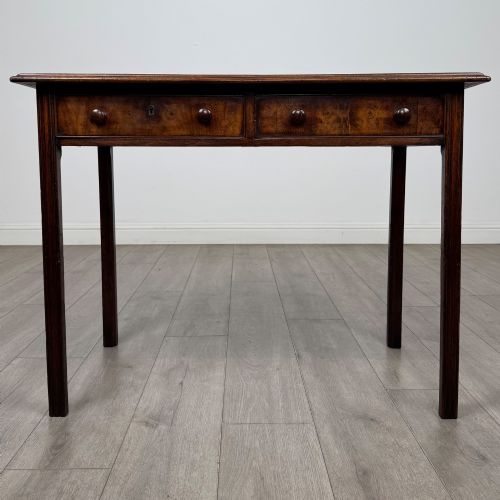
Construction relies heavily on traditional cabinet-making timbers, chiefly mahogany, oak, and walnut, complemented by decorative veneers such as burr walnut and yew. Makers utilised solid hardwoods for structural integrity, applying secondary timbers where appropriate to ensure stability in load-bearing surfaces like writing tables and serving consoles.
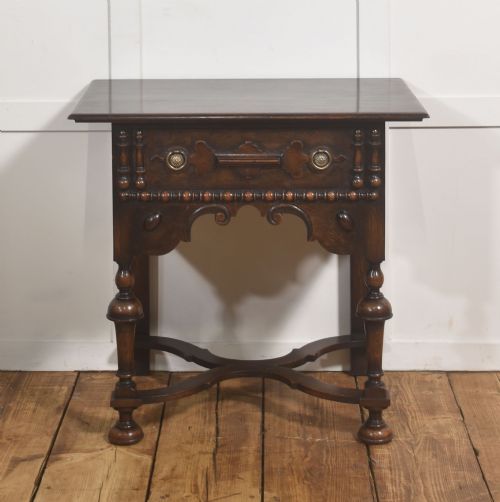
Joinery techniques define the period character of these tables, employing traditional methods suited to the specific timber and furniture form. Turned elements, such as bobbin legs and tripod pedestals, sit alongside framed panels and inlaid surfaces, demonstrating the manual dexterity of period artisans.
Materials represented across the selection include mahogany, oak, walnut, burr walnut, sycamore, ash, yew, and Chinese rosewood.
Distinguishing quality across the range
Quality in these tables is determined by the selection of timber and the precision of the cabinet work. Superior examples exhibit carefully matched veneers, such as burr walnut, and refined decorative elements like carved pie crust rims or subtle string inlay.
Proportion and structural balance separate standard utilitarian items from finer examples. Tables that retain their original surfaces, balanced tripod bases, and crisp joinery demonstrate a higher degree of initial craftsmanship and careful preservation.
Gillows
The Traditional Wood Side Tables Glossary
- Tripod table
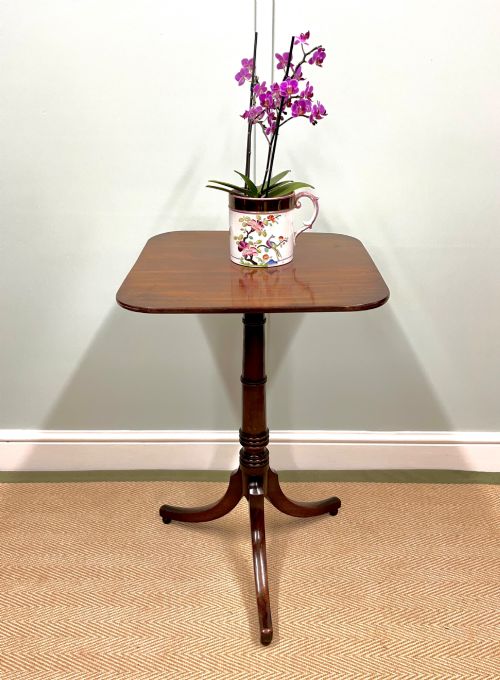
- A small freestanding table supported by a central pillar resting on three legs. This form gained popularity during the eighteenth century for tea and wine service.
- Nest of tables
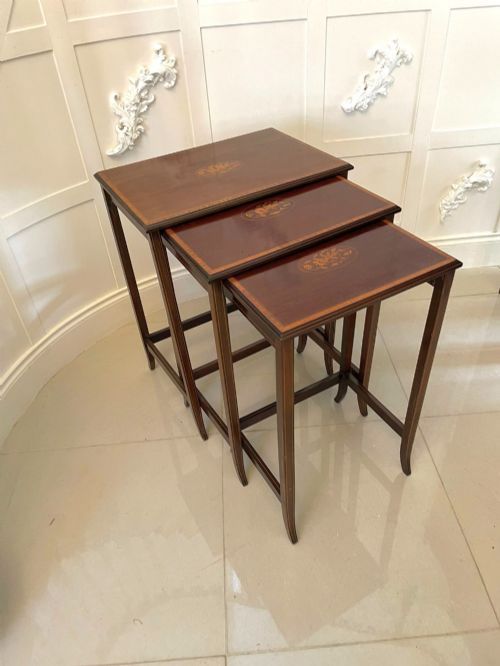
- A set of graduated tables designed to slide one beneath another to save floor space. They became particularly common during the Edwardian period.
- Console table
- A table designed to be fixed against a wall or left freestanding as a hall piece. These often feature decorative carving or serpentine fronts.
- Butler's tray
- A removable wooden tray with hinged or fixed sides, typically set upon a folding X-frame stand. They were used for serving and clearing.
- Serpentine
- A furniture front or edge shaped with a concave central section flanked by convex ends. This contour requires precise woodworking skill.
Traditional Wood Side Tables: Frequently Asked Questions
What is a wine table used for?
Wine tables were historically designed to hold glasses and bottles during evening gatherings, featuring small circular tops suited to a single beverage service.
Today, buyers utilise them primarily as compact lamp stands or decorative occasional pieces in living rooms and studies.
How do I identify an Edwardian side table?
Edwardian side tables often display lighter timbers, delicate inlay work, and smaller proportions compared to their heavier Victorian predecessors.
They frequently draw inspiration from earlier Georgian designs while reflecting the lighter aesthetic preferences of the early twentieth century.
Are nest of tables antique?
Many nests of tables date from the late nineteenth and early twentieth centuries, particularly the Edwardian era and the 1920s.
They were produced to maximise space in smaller urban drawing rooms while offering multiple surfaces when entertaining guests.
What timber is most common?
Mahogany appears most frequently across the listed inventory, valued by period makers for its rich colour and stable grain.
Oak and walnut are also prevalent, offering alternative tones ranging from rustic honey shades to deep dark browns.
Where should I place a console table?
Console tables fit well against hallway walls or behind sofas, providing a narrow surface for lamps, books, or decorative objects.
Their shallow depth makes them suitable for entryways where floor space is limited.