

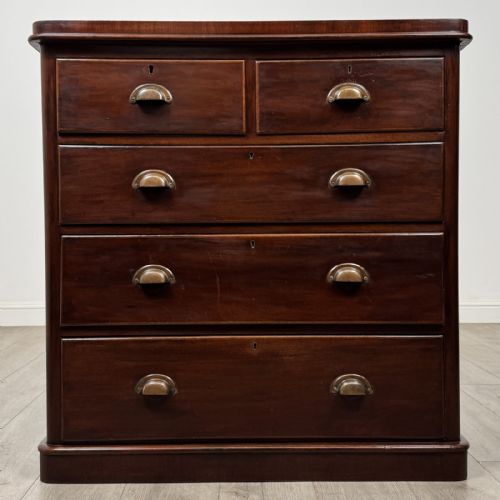
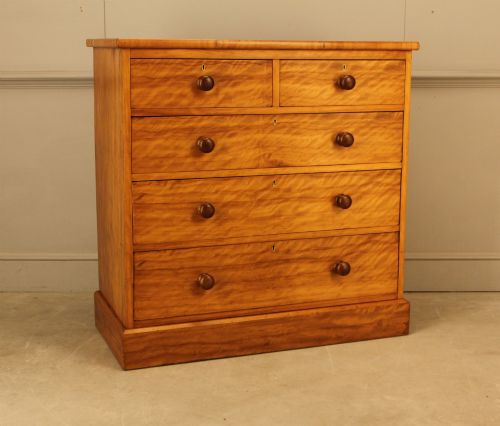
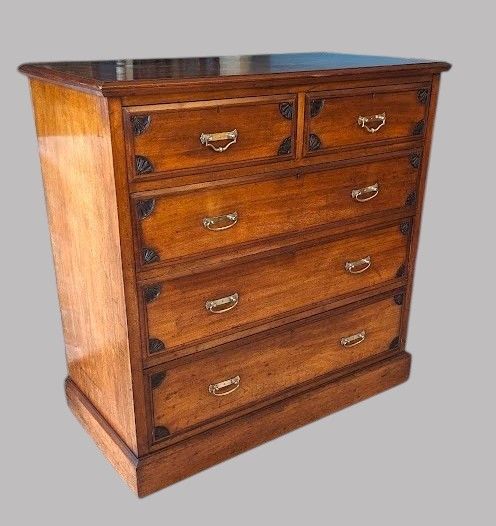
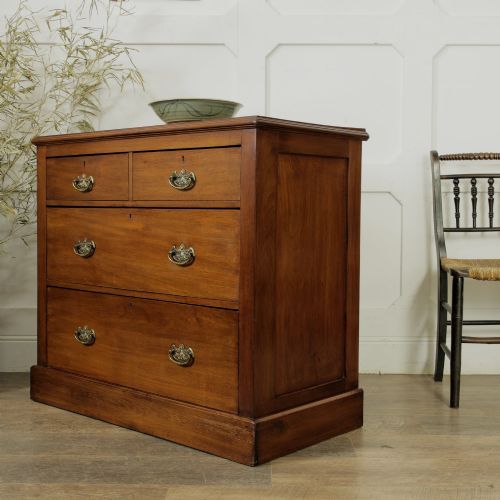


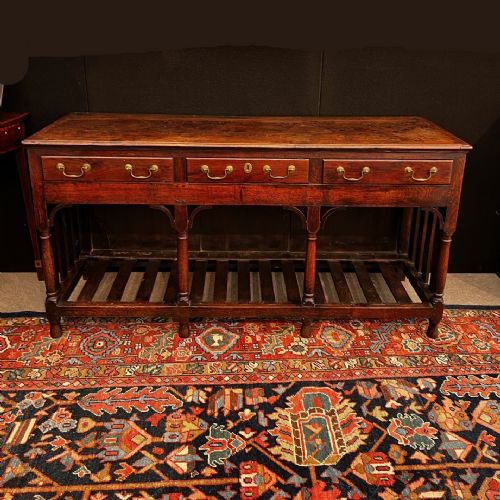

Traditional Wood Dresser Base
Traditional wood dresser base pieces bring honest storage and time-worn surface character to a room, offering sturdy utility rooted in centuries of vernacular cabinet-making.

Traditional Wood Dresser Base
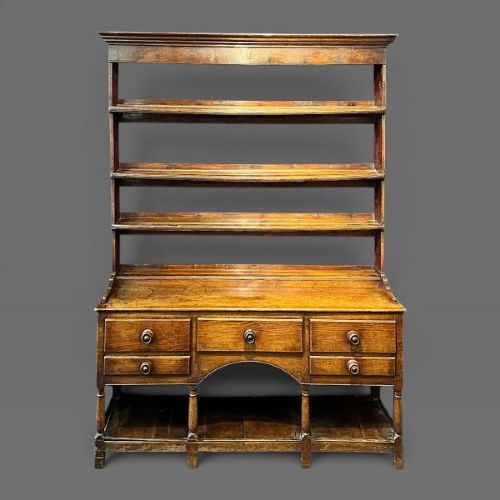
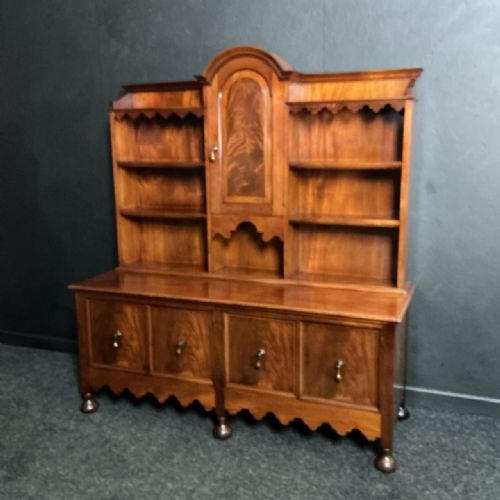
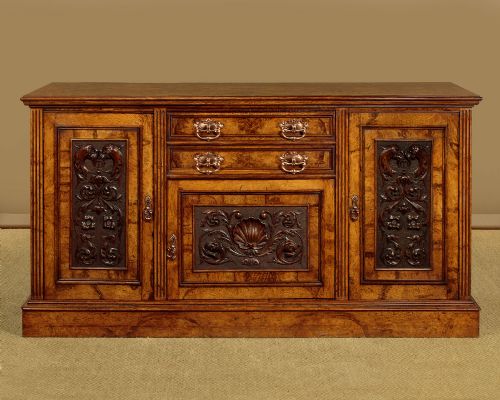
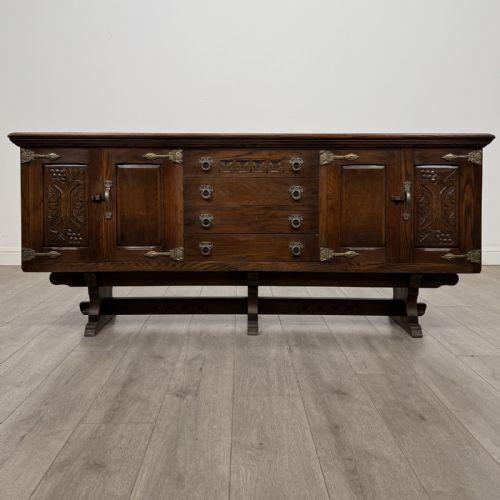
A traditional wood dresser base provides a low-level surface with integrated drawers and cupboards, serving as a functional anchor for kitchens, dining rooms and living spaces. You will most frequently encounter sturdy oak or pine iterations dating from the eighteenth and nineteenth centuries.
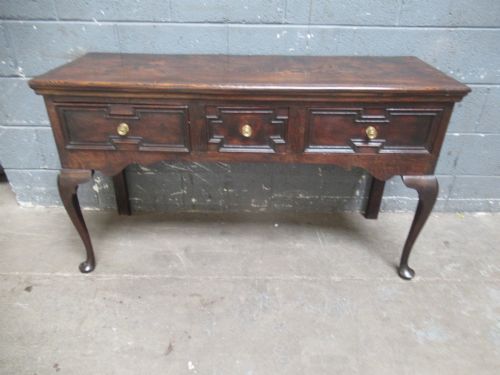
The form spans regional English, Welsh, Scottish and continental workshops, ranging from rustic farmhouse designs with potboards to formal Georgian and Victorian variants. Each piece reflects the domestic needs of its original setting through varied drawer arrangements and cupboard configurations.
Materials and construction methods
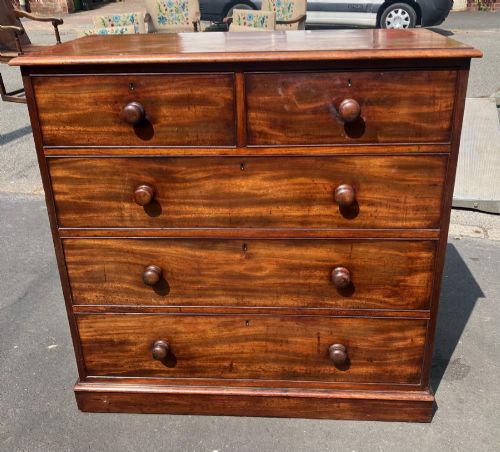
Cabinet-makers relied predominantly on solid timber such as oak, mahogany, pine and chestnut, frequently pairing primary woods with secondary timbers for internal framing. Drawer construction typically incorporates hand-cut dovetails, whilst panels are pegged or slotted to accommodate natural wood movement over time.
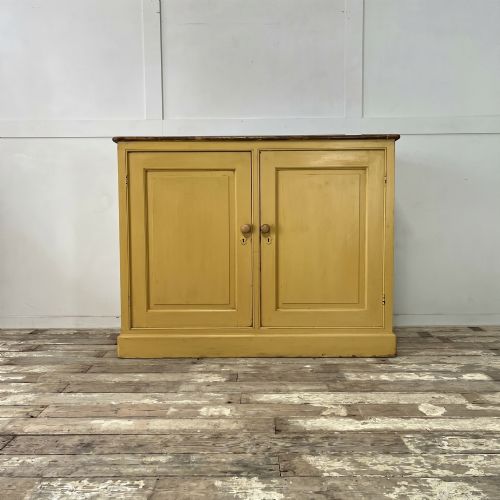
Surfaces receive simple finishes, including traditional wax, polish or historic paint applications, while hardware consists of brass or iron handles and hinges. Structural integrity relies on mortise and tenon joints rather than metal brackets or modern adhesives.
Traditional Wood Dresser Base Retail Price Guide 2026
Typical asking prices for traditional wood dresser base among the pieces listed under this phrase on Sellingantiques today, from the lower quarter to the upper quarter. They describe what is for sale here now, not the wider market.
Regional furniture variations include English, Welsh, Scottish, Dutch and French vernacular designs incorporating potboards, panelled doors and painted finishes.
Understanding quality and variation
Quality rests in the proportion of the timber, the crispness of hand-carved details and the retention of original boards and hardware. Pieces retaining their historic surface patination and uncompromised structural timbers stand apart from heavily altered examples.
The refinement of internal carpentry, such as cedar-lined drawers and well-fitted backboards, distinguishes sophisticated regional workshop production from utilitarian vernacular furniture. Original brass pulls and undisturbed structural joins elevate an individual piece within its period.
The Traditional Wood Dresser Base Glossary
- Potboard
- An open lower shelf built into a dresser base, traditionally used for displaying heavy crockery or storing pots. This lower tier provides structural bracing whilst offering accessible surface storage.
- Dovetail
- A traditional interlocking joint utilised in drawer construction to secure corners with high tensile strength. Hand-cut variations display irregular spacing that helps indicate the approximate age of the piece.
- Mule chest
- A storage trunk featuring one or two drawers beneath the main lifting lid compartment. This form bridges the evolution from basic coffers to multi-drawer cabinet furniture.
- Breakfront
- A cabinet facade where the central section projects forward from the flanking wings. This architectural arrangement creates visual depth and varied storage capacities.
- Flame mahogany veneer
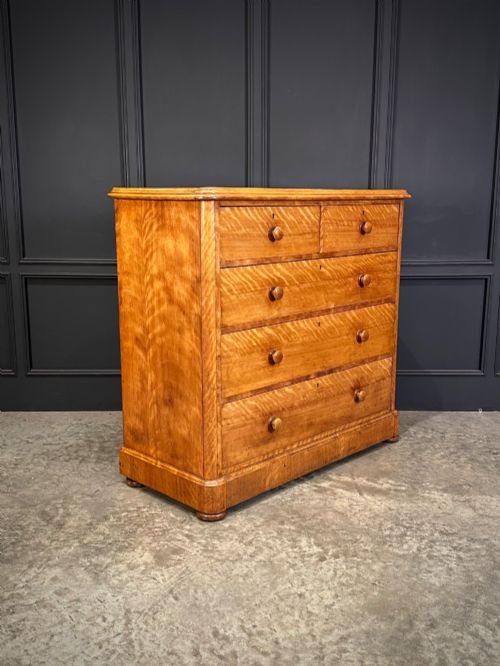
- Thin slices of timber cut from the fork of a mahogany tree to create a distinctive flickering grain pattern. Cabinet-makers applied these veneers to primary display surfaces during the nineteenth century.
Traditional Wood Dresser Base: Frequently Asked Questions
What is a traditional wood dresser base?
A traditional wood dresser base is a low cabinet featuring surface space, drawers and cupboards designed for domestic storage and food preparation.
These pieces typically originate from eighteenth and nineteenth-century workshops, constructed in regional timbers like oak, pine and mahogany to serve rural and urban households.
How were these dressers used historically?
These pieces functioned as central work surfaces in kitchens and dining rooms for food storage, preparation and the organisation of household utensils.
The lower cupboards and drawers held heavy pots, linens and dry goods, while the top surface served daily culinary and serving tasks.
How do I care for a wooden dresser base?
Protect the timber by maintaining stable room humidity and applying occasional natural beeswax to nourish dry surfaces. Avoid placing solid wood furniture in direct sunlight or near heat sources to prevent timber splitting.
How can I tell the age of a dresser base?
Examine the construction methods, tool marks on internal timbers, and the style of the hardware and feet. Hand-cut dovetails, pegged joints and timber shrinkage patterns help distinguish eighteenth-century examples from later revival pieces.