


Traditional Wood Buffet Cabinet
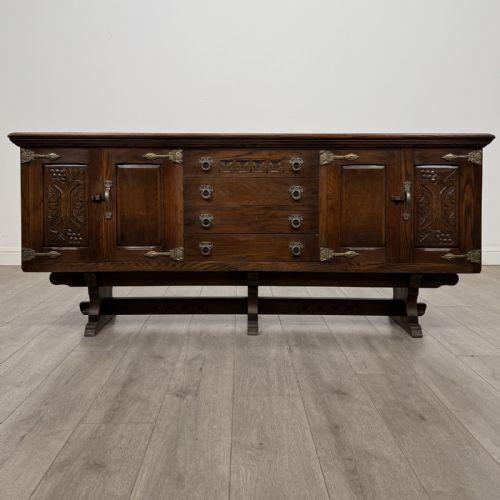
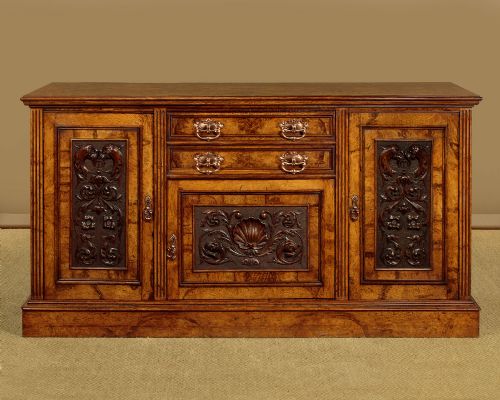
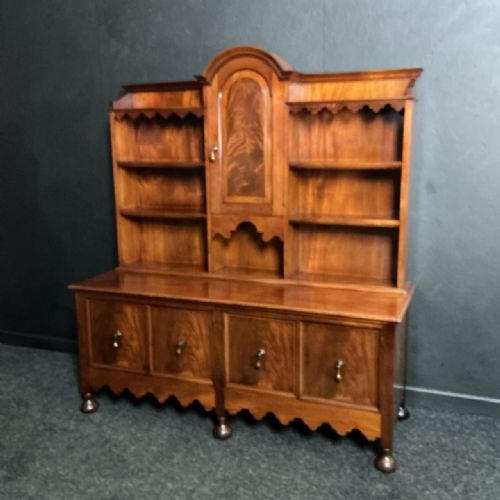
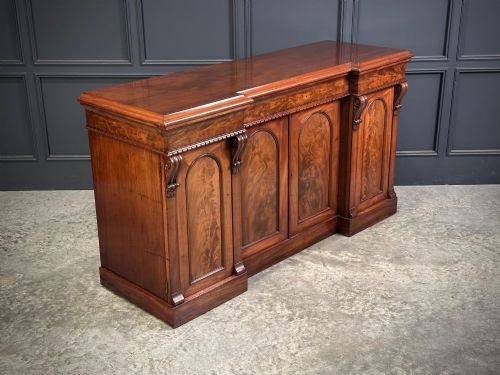
A traditional wood buffet cabinet anchors a dining room with generous storage and substantial presence, built to serve family life for generations.
Traditional Wood Buffet Cabinet
When you search for a traditional wood buffet cabinet, you encounter a variety of substantial storage furniture designed for dining spaces, encompassing sideboards, chiffoniers, and dresser bases. These pieces originated primarily to store tableware, linen, and serving dishes, evolving through different eras into distinct architectural statements.
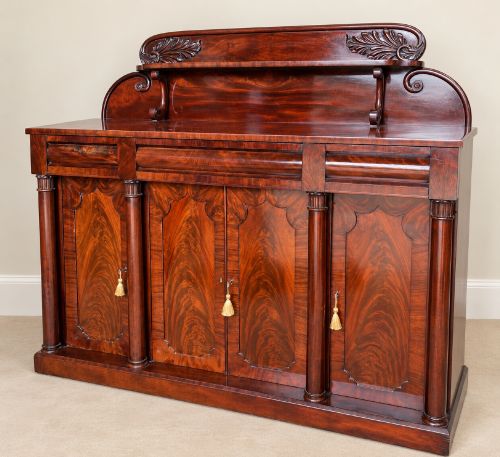
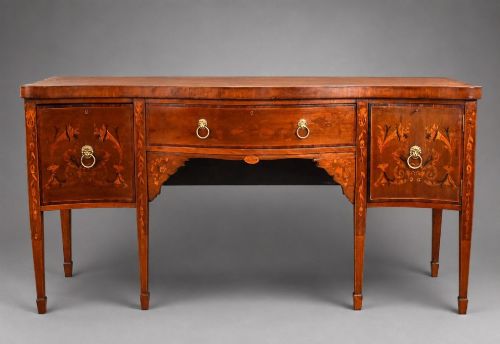
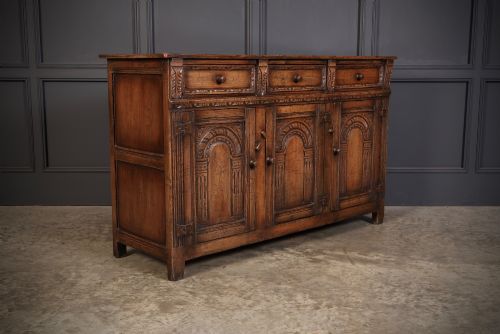
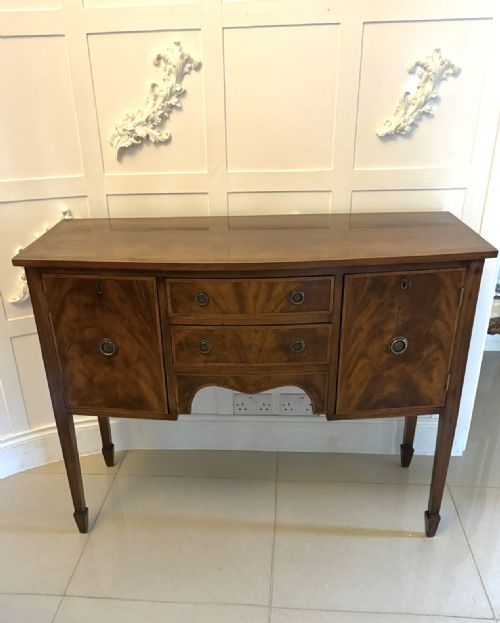
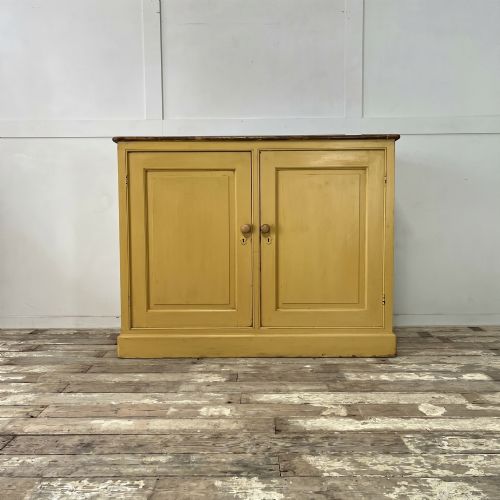
The selections available here lean heavily towards mahogany, oak, and pine constructions from the eighteenth, nineteenth, and early twentieth centuries. You will find forms ranging from grand Victorian breakfronts to modest Edwardian bow fronts and sturdy Georgian style server cabinets.
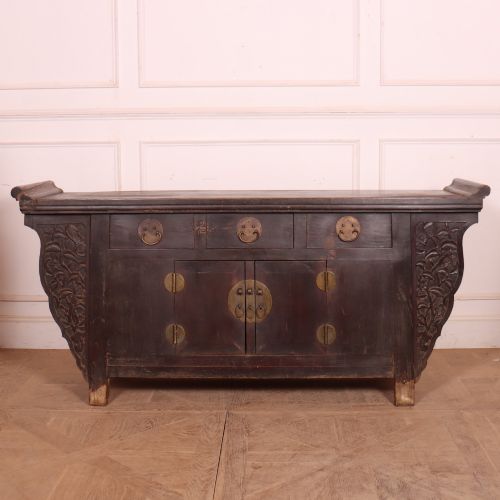
Regional and stylistic variations span English, French, and Chinese origins, including pieces finished with glass doors, mirror backs, or simple panelled timber. Each object carries the functional hallmarks of its period, whether built for a country cottage or a formal townhouse.
Materials and construction methods
Cabinet makers relied primarily on solid hardwoods such as mahogany, oak, and elm, frequently applying flame mahogany veneer or birds Eye maple to prominent drawer fronts and doors for visual depth. Secondary timbers like pine appear on interior shelves and carcases, whilst brass handles and iron fittings provide functional hardware.
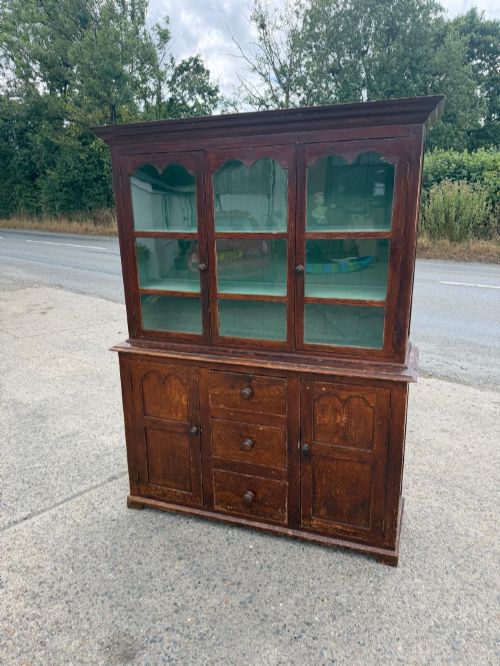
Construction techniques combine traditional joinery with timber preparation suited to the era, utilising durable joints that allow large sideboards and dressers to bear heavy loads. Glazed upper sections use wooden glazing bars to secure individual panes of glass, whilst hand-carved details and inlaid woodwork define the decorative surfaces.
Period styles range from Georgian and Regency influences to Victorian breakfronts, Edwardian bow fronts, Jacobean revivals, and Qing dynasty Chinese sideboards.
Markers of construction quality
The distinction between ordinary and superior pieces rests on timber selection and the precision of the cabinet work. Finer items exhibit carefully matched wood grain, particularly on figured mahogany or flame veneer surfaces, alongside well-balanced proportions and refined decorative carving.
Structural integrity and hardware integration further separate standard production from exceptional examples. High quality pieces retain original brass handles, smooth-running drawers with tight joints, and stable doors that hang true without sagging across wide spans.
The Traditional Wood Buffet Cabinet Glossary
- Sideboard
- A long piece of furniture placed in a dining room for holding serving dishes and cutlery. Most variations include a combination of cupboards and drawers.
- Breakfront
- A cabinet design where the central section projects forward from the flanking wings. This architectural layout creates visual depth on large sideboards.
- Bow front
- A convex, curved cabinet front that swells outward in the centre. This decorative shaping appears frequently on nineteenth-century mahogany servers.
- Chiffonier
- A compact sideboard or low cupboard, often featuring a shelf or mirror superstructure. Victorian examples commonly served smaller dining spaces.
- Dresser base
- The lower portion of a kitchen or dining dresser, consisting of drawers and cupboards beneath a solid timber top. These items function independently as low sideboards.
Traditional Wood Buffet Cabinet: Frequently Asked Questions
What is the difference between a sideboard and a buffet?
Historically, a sideboard featured lower storage cabinets and often sat in formal dining rooms, whilst a buffet was specifically designed to hold food and serving platters during meals.
Over time, the terms became largely interchangeable in the antiques trade, referring broadly to any long wooden storage cabinet with a flat top surface.
How do I care for antique wood furniture?
Protect antique wood surfaces by keeping them away from direct sunlight, radiators, and damp environments that cause timber to warp or veneer to lift.
Dust regularly with a dry cloth and occasionally apply a traditional beeswax polish to nourish the grain without building up synthetic residues.
Where were these cabinets traditionally placed?
These storage pieces stood against the main dining room wall, positioned conveniently near the kitchen door for efficient service during formal meals.
Larger breakfront and mirror-backed variants also occupied entrance halls or drawing rooms to display silver and glassware.
Can I use a buffet cabinet in a modern kitchen?
These cabinets integrate well into contemporary kitchens, offering robust storage for dinnerware, cookware, and linens whilst adding historical character.
The sturdy timber top also provides a practical surface for coffee stations or serving food during informal gatherings.