

Traditional Wood Bed
A traditional wood bed brings substantial architectural presence and natural grain to a bedroom, ranging from sturdy oak four-posters to figured walnut bedsteads.
Traditional Wood Bed
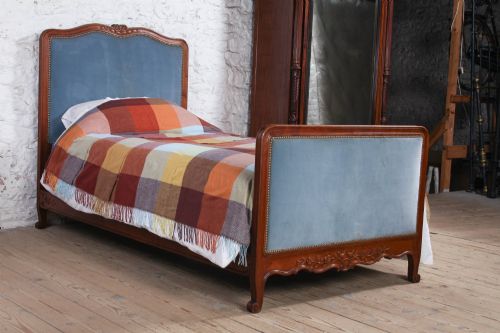
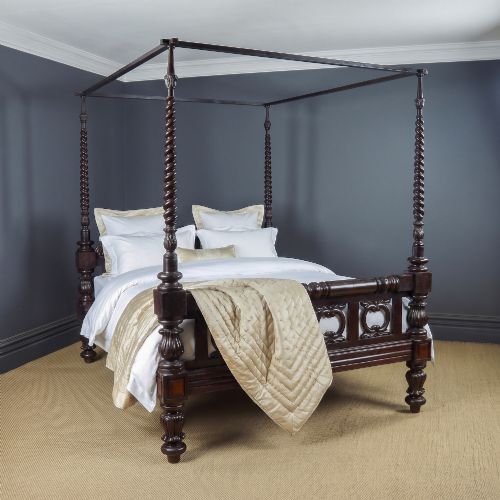
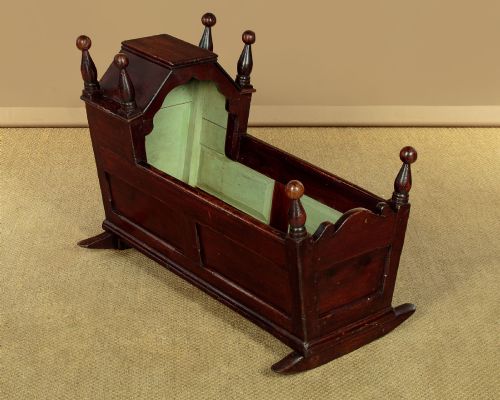
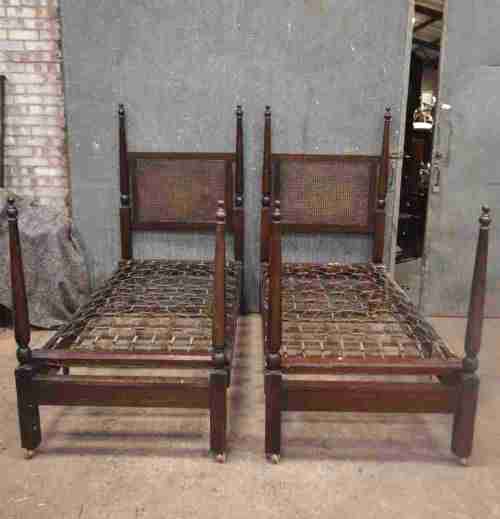
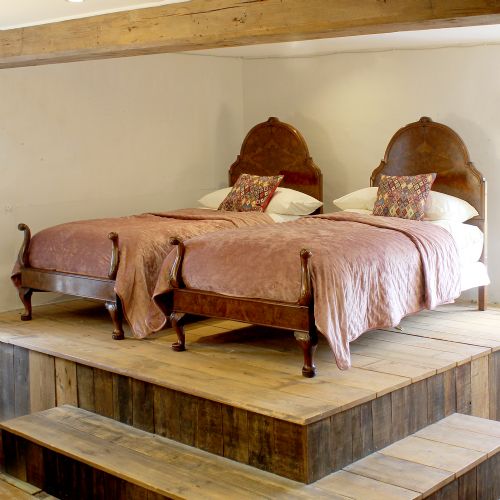
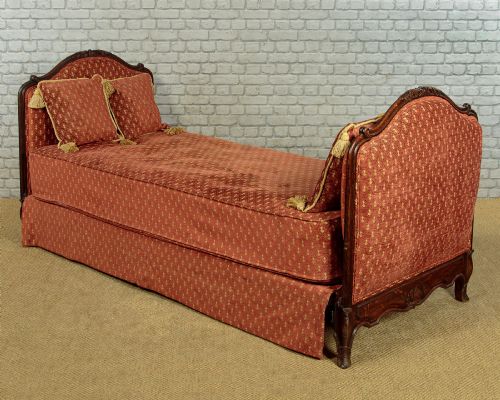
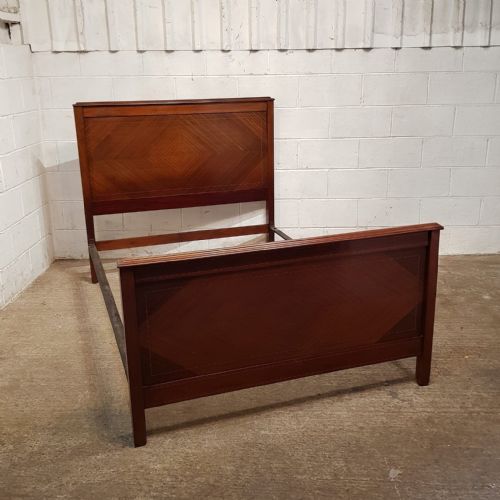
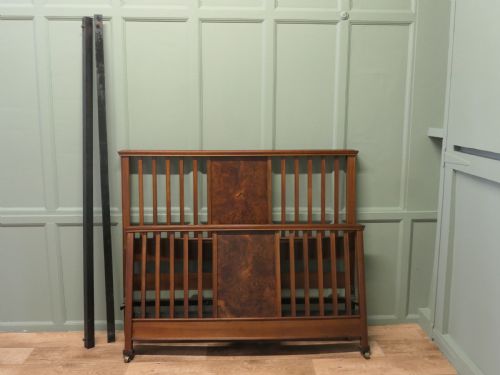
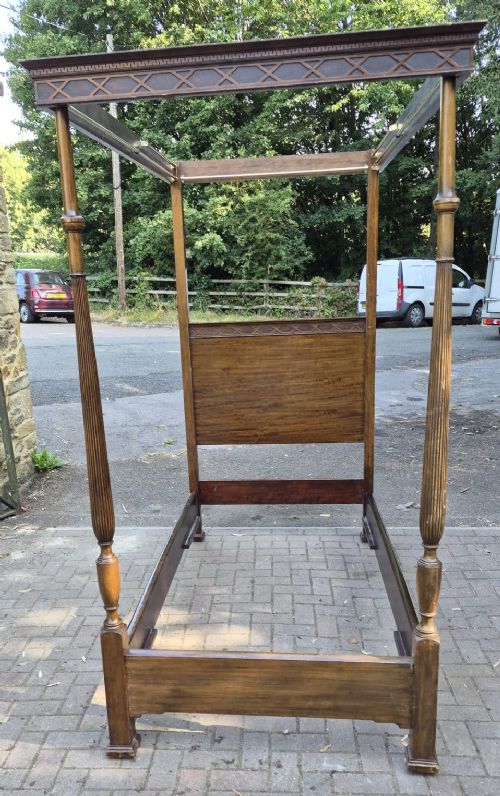
A traditional wood bed encompasses substantial four-poster structures, simple panelled bedsteads, and day beds originating from the seventeenth century through to the early twentieth century. When exploring a traditional wood bed on this page, buyers frequently encounter Edwardian mahogany designs, early twentieth-century burr walnut frames, and robust nineteenth-century oak constructions.
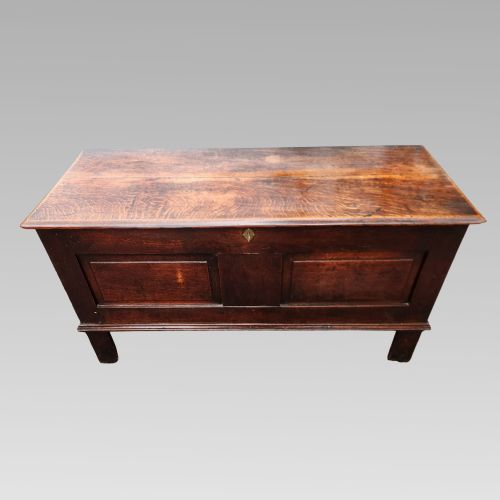
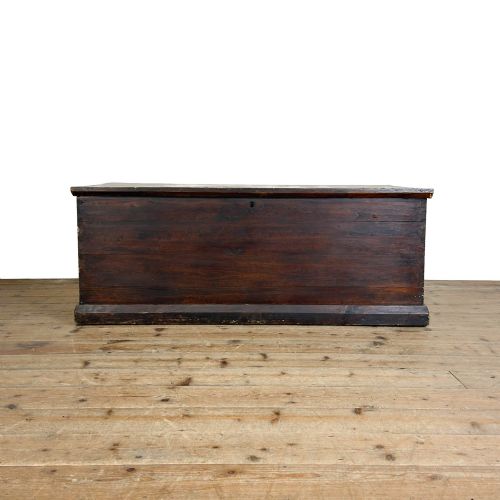
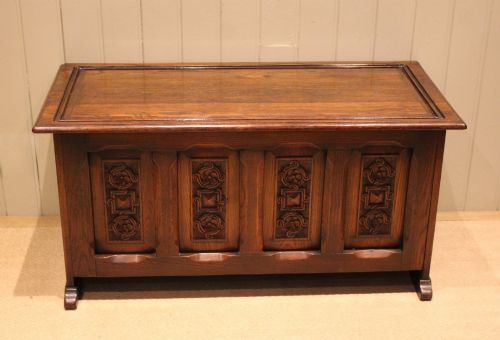
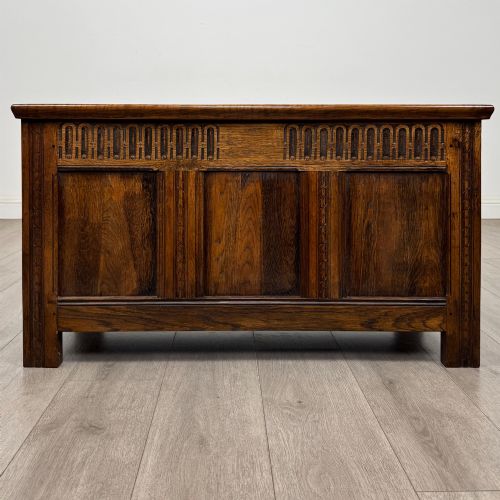
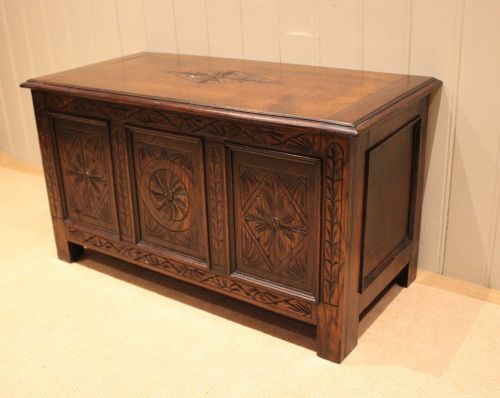
The selection extends beyond standard sleeping frames to include related pieces such as carved coffers, blanket chests, and upholstered day beds that share the same period joinery and timber characteristics. Makers worked within established regional vernaculars, producing everything from simple single bedsteads to grand king-size tester beds designed for high-status chambers.
Materials and construction methods
Cabinet makers utilised dense hardwoods such as oak, mahogany, and burr walnut, selecting timber for its strength and figured grain patterns. Frames often combine solid structural posts with veneered panels, particularly on Edwardian and 1920s bedsteads where decorative burr walnut surfaces create visual depth.
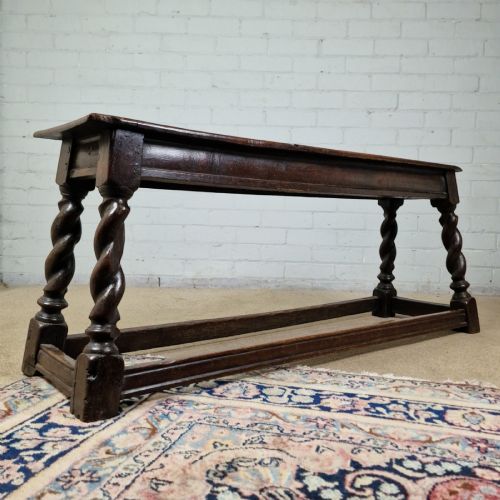
Joinery relies on traditional techniques including mortise and tenon joints, dovetailing, and hand-carving for decorative motifs like linenfold, panelling, or classical revival details. Iron brackets and bolts were introduced in later periods to allow dismantling, while earlier seventeenth-century pieces rely on pegged timber joints.
Traditional Wood Bed Retail Price Guide 2026
Typical asking prices for traditional wood bed among the pieces listed under this phrase on Sellingantiques today, from the lower quarter to the upper quarter. They describe what is for sale here now, not the wider market.
The selection includes sleeping furniture alongside related storage forms such as oak blanket chests and carved coffers from the eighteenth century.
Assessing quality and authenticity
Quality rests in the integrity of the timber selection, the crispness of any hand-carved elements, and the retention of original surface patination. Pieces that maintain their matching side rails, original headboards, and period-appropriate proportions command higher regard among collectors than married frames.
The sophistication of the joinery and the depth of the wood finishing distinguish superior workshop output from simpler vernacular pieces. Grain matching across prominent surfaces, such as headboards and footboards, demonstrates the maker's care and the higher tier of production.
Howard And Sons
The Traditional Wood Bed Glossary
- Tester bed
- A bed featuring a wooden canopy or ceiling supported by four posts. This grand form dates back to the sixteenth century and provides a commanding architectural focal point in a bedroom.
- Four poster bed
- A bed with four vertical columns that support an upper tester or simply frame the sleeping quarters. These structures showcase period turning and heavy timber construction.
- Burr walnut
- A figured wood veneer derived from the growth warts of walnut trees. Cabinet makers utilised this material in the Edwardian era and the 1920s to create richly patterned surfaces on bed heads.
- Coffer
- A heavy wooden chest with a lid, frequently made from oak. While primarily used for storage, these sturdy boxes share the same period joinery and decorative carving found on contemporary bed frames.
- Day bed
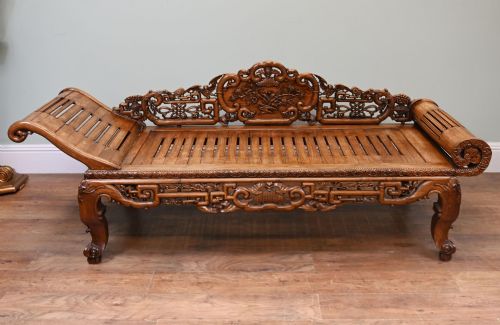
- An upholstered or wooden lounge piece designed for daytime reclining rather than nocturnal sleep. Examples range from simple nineteenth-century bobbin-turned frames to padded Edwardian designs.
Traditional Wood Bed: Frequently Asked Questions
Will a traditional wood bed fit a modern mattress?
Many older bed frames deviate from strict modern metric or imperial dimensions, particularly pieces predating the twentieth century. Buyers often require custom mattress manufacturing or minor internal adjustments to ensure a secure fit within antique side rails.
Twentieth-century bedsteads, such as those from the Edwardian period or the 1920s, generally align more closely with standard sizing parameters. It remains essential to verify the internal length and width between the posts before purchasing bedding.
How do I care for antique wood furniture?
Maintaining wood furniture involves protecting the surface from direct sunlight and maintaining stable indoor humidity levels. Sudden environmental changes can cause old timber to warp or split.
Application of traditional beeswax helps nourish the grain and preserve the surface patina without building up synthetic residues. Avoid liquid silicone polishes that can penetrate open pores in oak and walnut.
How do I distinguish an original period bed from a reproduction?
Examination of the construction marks, tool traces, and timber oxidation reveals the true age of a piece. Original eighteenth and nineteenth-century frames exhibit hand-cut joints, authentic wear patterns around touch points, and naturally aged patination.
Reproductions often display uniform machine tooling, modern fixings, and artificial distressing applied to simulate age. Checking the interior surfaces and hidden structural components provides a clear indication of manufacturing age.