



Traditional Wildlife Painting
Traditional wildlife painting captures animals and birds with careful observation, offering timeless scenes of nature for any room.
Traditional Wildlife Painting
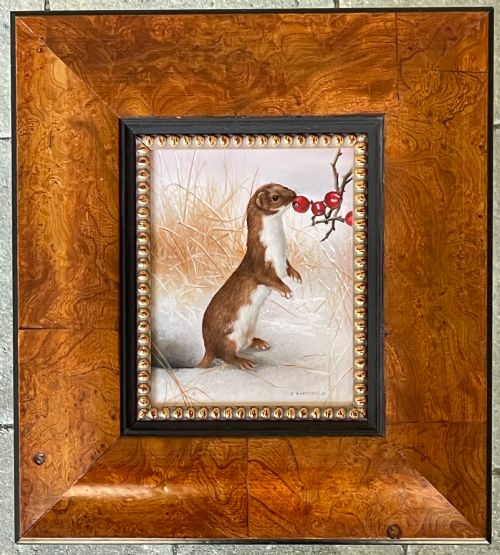
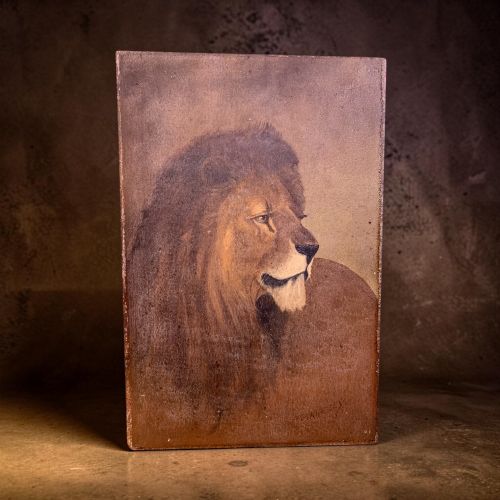
Traditional wildlife painting brings depictions of animals, birds and sporting scenes into domestic spaces through detailed studies. These works range from naive folk art interpretations of lions to precise depictions of weasels, foxes and stags in natural habitats.
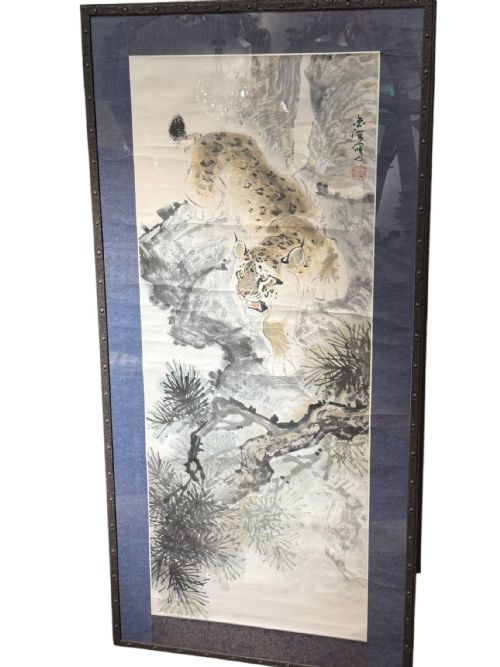
The pieces on this page span the nineteenth and twentieth centuries, including British naturalism, realisms and folk art alongside traditional Chinese scroll work. Buyers will encounter oil paintings on canvas or board, watercolours, pastels and framed artwork reflecting varied natural environments.
Subjects often focus on specific encounters, from geese flying over marshes and ducks on river banks to hunting scenes with wild boar and snow leopards. Each piece captures a particular moment in the natural world through the lens of historical artistic styles.
Materials and construction
These works rely on traditional painting supports such as canvas, paper and prepared wooden boards, often housed within wooden or gilded frames. Artists applied oil paint and watercolour pigments to build up form, texture and atmospheric depth in landscapes and animal portraits.
Pastel and ink on paper appear alongside oil paints, whilst scroll works utilise traditional mounting techniques on paper and fabric. Gilded wood frames provide period-appropriate surrounds for nineteenth and twentieth-century oil paintings and watercolours.
Traditional Wildlife Painting Retail Price Guide 2026
Typical asking prices for traditional wildlife painting among the pieces listed under this phrase on Sellingantiques today, from the lower quarter to the upper quarter. They describe what is for sale here now, not the wider market.
Materials recorded across the selection include canvas, wood, paper, glass, oil paint and gilded wood frames.
Understanding quality in wildlife art
Quality rests upon the artist's command of anatomy, light and movement when rendering animals and birds within a landscape. Works by established named artists display greater precision in brushwork and structural balance compared to anonymous folk art pieces.
The condition of the original paint surface, paper or canvas, together with the preservation of period frames, shapes the overall integrity of each piece. Finer examples maintain distinct pigment layers and coherent compositional harmony without distracting later restoration.
Carl Whitfield·George Armfield·Constant Ludovic Artz·Godfrey Douglas Giles·William Crampton
The Traditional Wildlife Painting Glossary
- Oil on canvas
- A painting technique where oil-based paints are applied to a stretched fabric surface. This method allows for rich blending of colours and durable longevity.
- Naive art
- Artwork created by an artist without formal academic training, often characterised by charming perspective and direct expression. Folk art examples frequently share these engaging stylistic traits.
- Watercolour
- A painting method where pigment is suspended in a water-soluble vehicle on paper. It creates luminous, transparent washes of colour.
- Pastel
- A dry painting medium consisting of pure powdered pigment and a binder. It produces velvety textures well suited to soft feathered or fur details.
- Gilded wood
- Wood surfaces treated with a thin layer of gold leaf or metallic powder. This finish enhances decorative frames surrounding traditional paintings.
Traditional Wildlife Painting: Frequently Asked Questions
How do I hang a heavy oil painting safely?
Heavy oil paintings require sturdy fixings screwed directly into wall studs or masonry using appropriate rawl plugs. Ensure the hanging wire and D-rings on the frame are secure before mounting.
Position the artwork at eye level, typically around eye height from the floor, and away from direct sunlight or damp sources to protect the canvas and frame.
What is the difference between oil and watercolour paintings?
Oil paintings use slow-drying pigments suspended in oil on canvas or board, allowing for rich texture and deep colour layering. Watercolours utilise water-soluble pigments on paper, creating lighter and more translucent effects.
Oils are generally heavier and require protective frames without glass, whilst watercolours need glass framing to prevent moisture damage to the paper surface.
Where were nineteenth-century animal paintings displayed?
Nineteenth-century animal and sporting paintings traditionally hung in country houses, libraries and studies to reflect the owner's interest in natural history and field sports. These works brought outdoor landscapes and wildlife into formal interior spaces.
Today, they suit similar traditional or eclectic interior schemes, adding character and historical depth to domestic walls.
How can I tell a nineteenth-century painting from a twentieth-century one?
Nineteenth-century works often feature heavier gilded wooden frames, darker varnishes, and subject matter focused on romantic naturalism or sporting art. Twentieth-century pieces frequently show brighter palettes, distinct brushwork, and varied framing materials.
Examining the canvas preparation, stretcher bars, and any signature styles helps confirm the specific period of execution.