




Traditional Walnut Tea Table
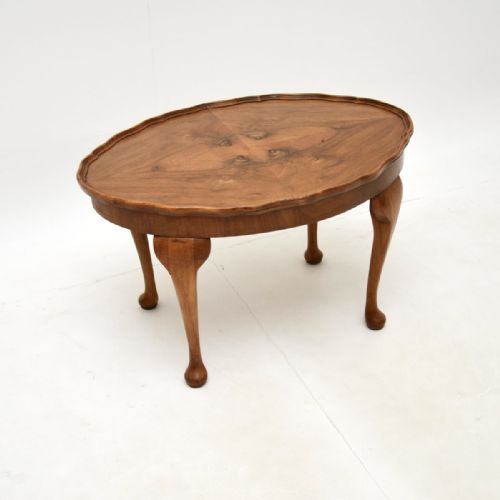
A traditional walnut tea table brings warmth and rich timber grain to a room, functioning effortlessly as a low coffee table or lamp table today.
Traditional Walnut Tea Table
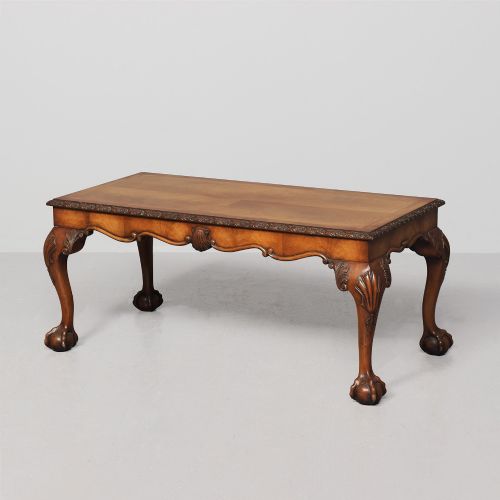
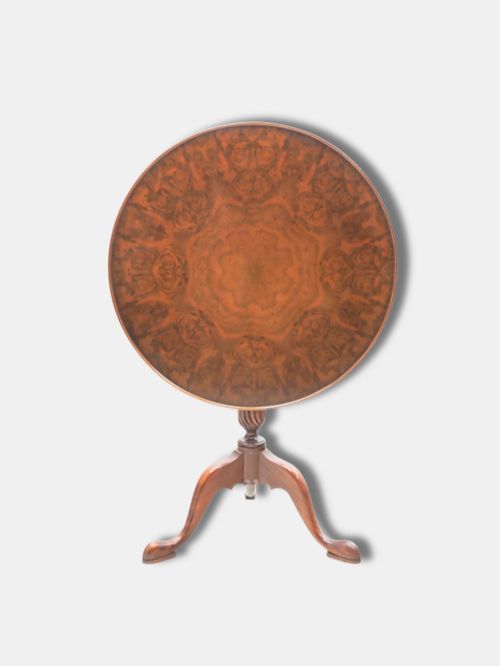
When you search for a traditional walnut tea table, you encounter a variety of low tables and occasional pieces adapted from earlier forms. The selection includes circular pie crust tops, tripod bases, and nest formats suited to modern living.
Most examples span from the Victorian era through the early decades of the twentieth century. Revival designs dominate, borrowing heavily from Queen Anne and Chippendale aesthetics.
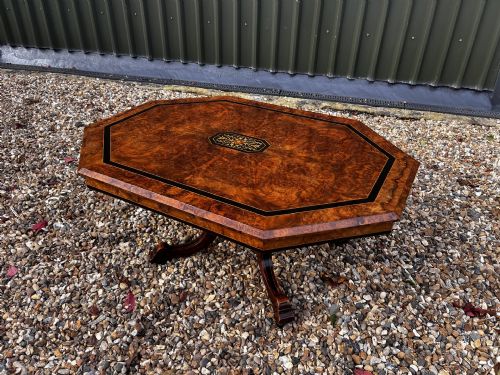
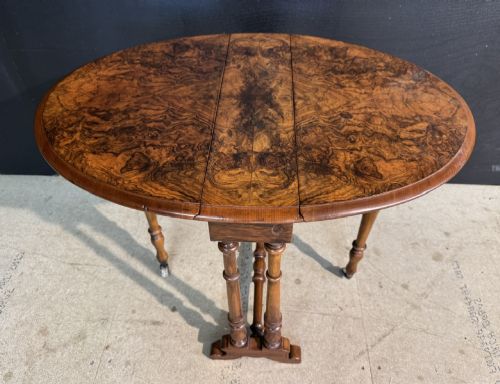
Formats range from pedestal centre tables to low coffee tables and miniature Sutherland tables. Certain pieces incorporate trays, marquetry, and fruitwood inlay into their surfaces.
Materials and construction
The primary timber is walnut, utilised both as solid wood and as burr walnut veneer to create striking figured patterns across the top surface. Secondary elements often incorporate fruitwood inlay or brass fittings.
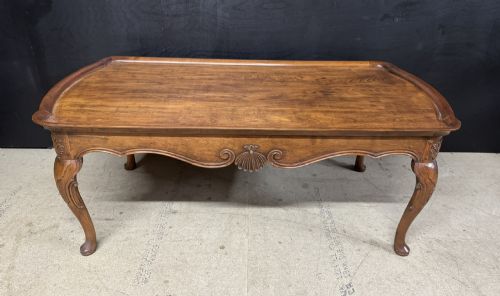
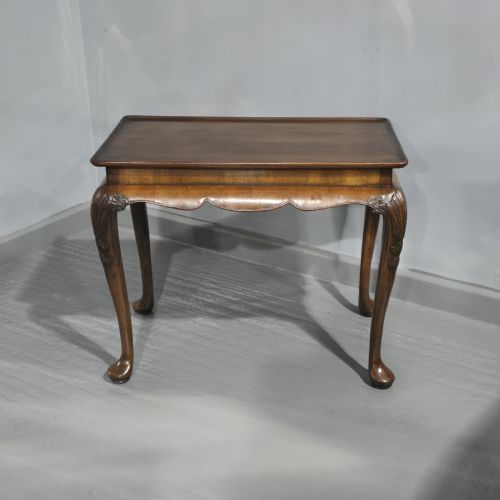
Carved details appear on bases and tripod legs, frequently paired with marquetry work on Victorian tops. Construction methods vary from pedestal columns to standard four-legged frames.
Traditional Walnut Tea Table Retail Price Guide 2026
Typical asking prices for traditional walnut tea table among the pieces listed under this phrase on Sellingantiques today, from the lower quarter to the upper quarter. They describe what is for sale here now, not the wider market.
Miniature Sutherland tables offer the charm of a full-sized folding dining table scaled down for a doll or a very polite squirrel.
Distinctions in quality
Quality rests in the selection of the timber grain and the precision of the veneer work. Highly figured burr walnut and delicate marquetry separate finer examples from plain timber surfaces.
The crispness of hand-carved details on the edges and bases indicates the standard of craftsmanship. Sturdy construction and balanced proportions define the better pieces across all periods.
Gillows of Lancaster
The Traditional Walnut Tea Table Glossary
- Burr walnut
- A prized veneer taken from the warted growths of walnut trees, displaying intricate, swirling grain patterns. It creates a highly decorative surface on table tops.
- Pie crust table
- A small round table featuring a raised, carved edge shaped like pastry crust. This style gained popularity during the Georgian period and later revivals.
- Marquetry
- The art of applying small pieces of veneer to form decorative pictures and patterns. It often appears on Victorian table surfaces using contrasting woods.
- Tripod table
- A small occasional table supported by a central pillar resting on three legs. This form allows the table to stand stable on uneven floors.
Traditional Walnut Tea Table: Frequently Asked Questions
How do I identify the period?
Victorian examples often display rich burr walnut veneer, marquetry inlay, and carved pedestal bases. Pieces from the 1920s and 1930s frequently adopt Queen Anne or Chippendale revival styles.
Examining the construction methods and secondary timbers helps distinguish nineteenth-century work from later twentieth-century revivals.
Can I use these tables daily?
Yes, these sturdy occasional tables function well for everyday use as coffee tables or surfaces for lamps and books. Their rich timber grain and compact proportions suit various living room layouts.
Care should be taken to use coasters and avoid placing them in direct sunlight to protect the walnut veneer.
What styles are available?
The selection includes Queen Anne style, Chippendale influences, and Victorian pedestal designs. Pie crust edges and tripod bases are common decorative variations.
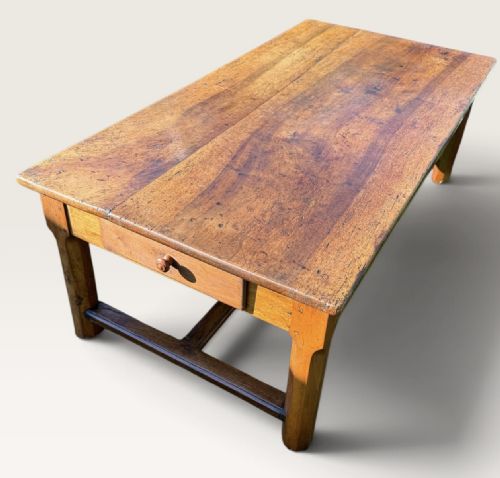
Some pieces incorporate Kashmiri or rustic farmhouse elements, offering different aesthetic touches for interior spaces.