
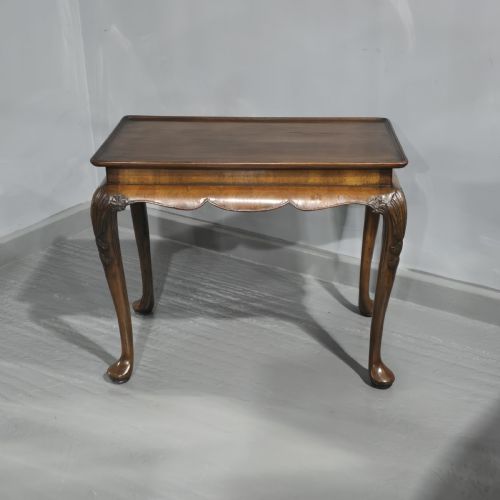


Traditional Walnut Low Table
A traditional walnut low table brings warmth and grain into a room, offering surface space close to the floor.
Traditional Walnut Low Table
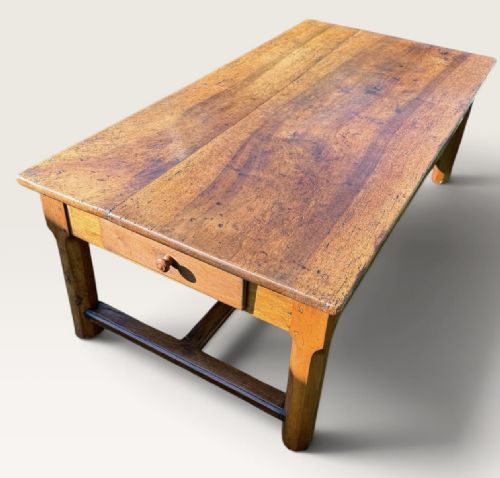
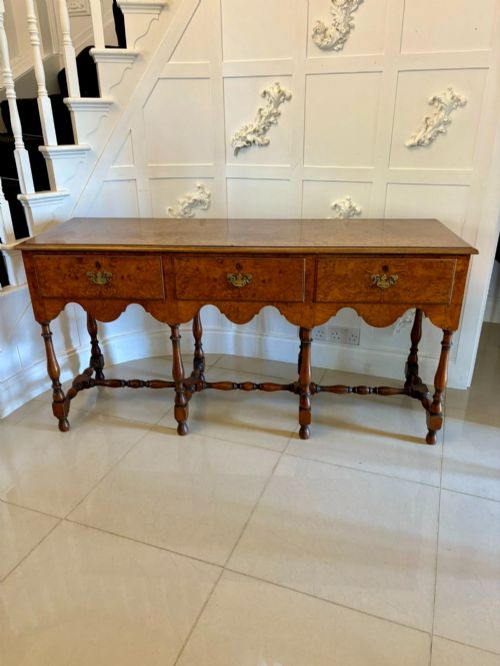
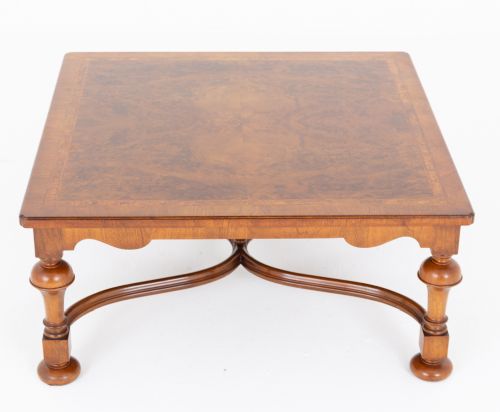
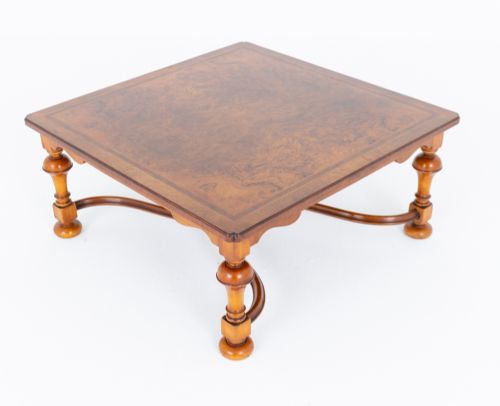
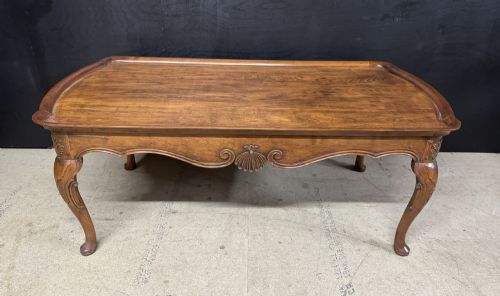
A traditional walnut low table encompasses pieces built or adapted for low placement, including coffee tables, stools, and lowered occasional tables. These items draw on historical aesthetics, frequently appearing in Queen Anne style, Carolean revival, and Victorian designs.
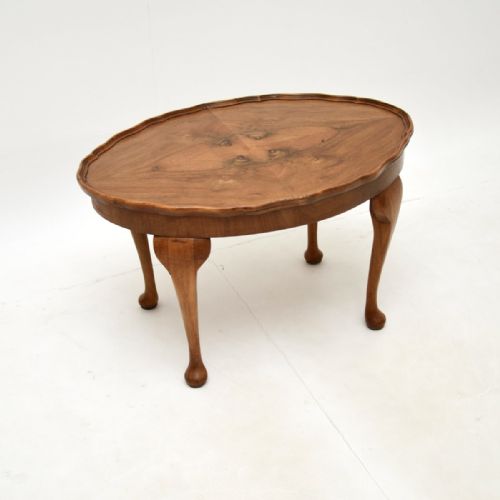
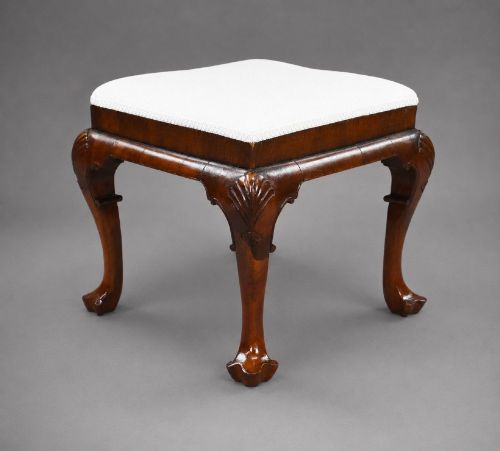
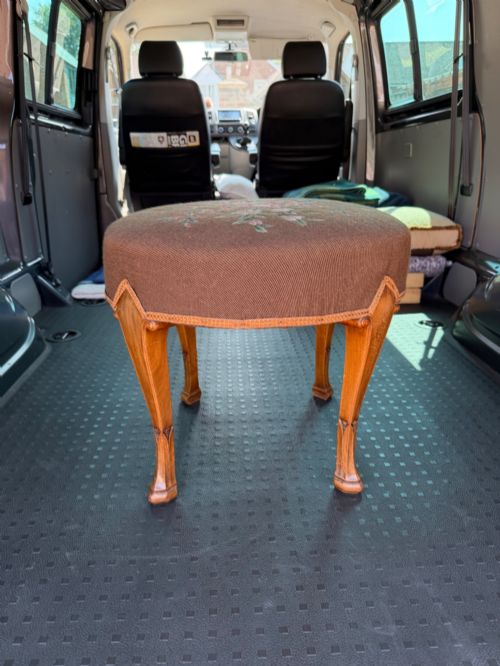
The selection on this page centres heavily on coffee tables and stools, often featuring circular, tray-topped, or pie-crust surfaces alongside carved wooden bases. Walnut serves as the primary medium, spanning periods from the nineteenth century through the early twentieth century.
How they were made
Carpenters utilised walnut timber, figured walnut, and burr walnut veneer to build these surfaces, often highlighting the natural grain patterns of the wood. Details such as fruitwood inlay, marquetry, and brass hardware appear across the pieces.
Makers shaped the timber using hand-carved bases, pie-crust edging, and textile elements like tapestry for stools. Construction methods range from rustic farmhouse building to refined cabinet making.
French dough proving boxes occasionally find new life here disguised as coffee tables.
What varies in quality
The richness of the timber selection dictates much of the visual depth, with burr and figured walnut offering more complex grain patterns than plain timber. Finishes range from simple surfaces to intricately carved bases and marquetry inlay.
Execution of detail defines the build, visible in the sharpness of hand-carved wooden elements and the precision of pie-crust borders. Maker attribution, such as work originating from established firms, adds distinct provenance to the piece.
Gillows of Lancaster
The Traditional Walnut Low Table Glossary
- Burr walnut
- A veneer taken from the warted growths on walnut trees, yielding intricate and swirling grain patterns. This material appears frequently on the tabletops listed here.
- Carolean style
- An aesthetic reviving the furnishings of the mid to late seventeenth century, characterised by rich wood and ornate carving. Several coffee tables adopt this lineage.
- Marquetry
- The art of applying pieces of veneer to a structure to form decorative patterns. This technique appears on Victorian table surfaces.
- Low boy
- A small table with drawers, often standing on relatively short legs. One such side table is recorded from the early twentieth century.
Traditional Walnut Low Table: Frequently Asked Questions
What is a traditional walnut low table?
These pieces are low-standing items built from walnut, functioning primarily as coffee tables, stools, or occasional surfaces.
They draw on historical styles such as Queen Anne and Carolean revival, dating from the nineteenth and early twentieth centuries.
How do I identify a Queen Anne style table?
Look for characteristic elements like cabriole legs and restrained shaping that echo eighteenth-century design principles.
Such tables often present plain walnut surfaces or simple circular tops rather than heavy carving.
Where should I place a low table?
These tables sit comfortably in sitting rooms and living spaces as central coffee surfaces or lamp tables.
Stools and footstools can also double as low occasional surfaces depending on their top construction.