

Traditional Wall Lights
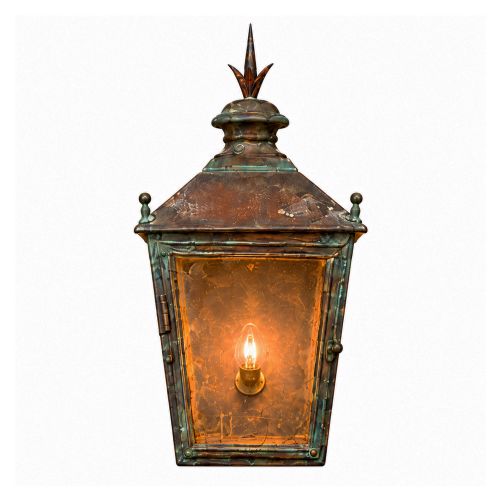
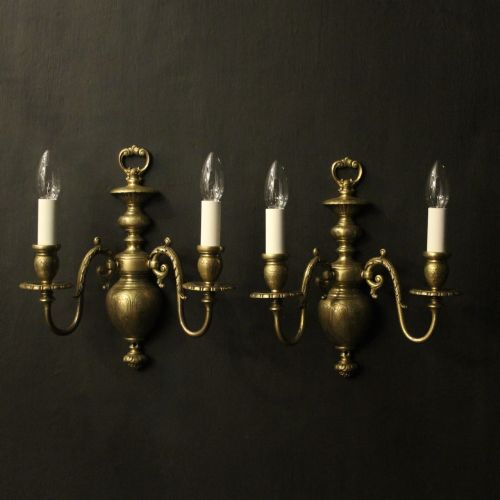
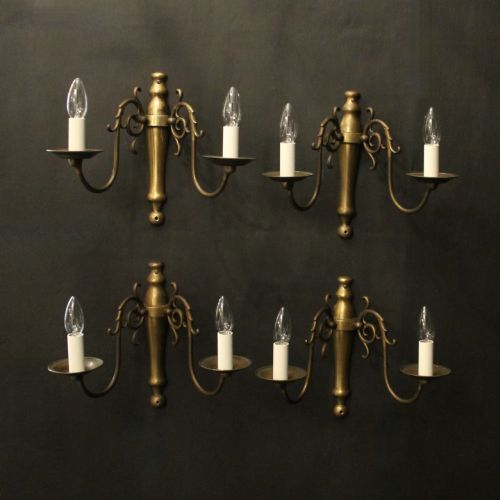
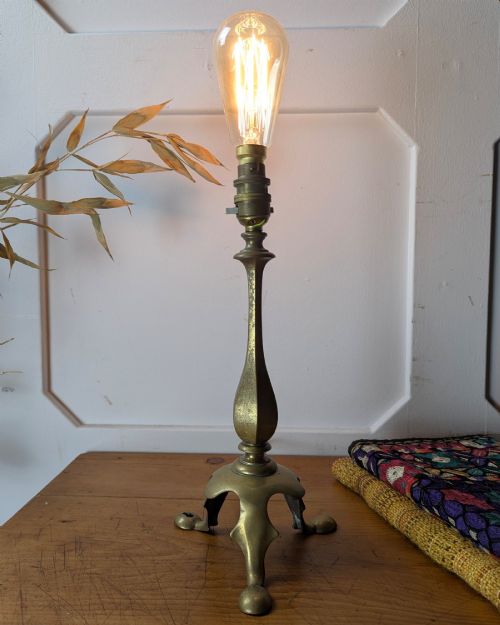
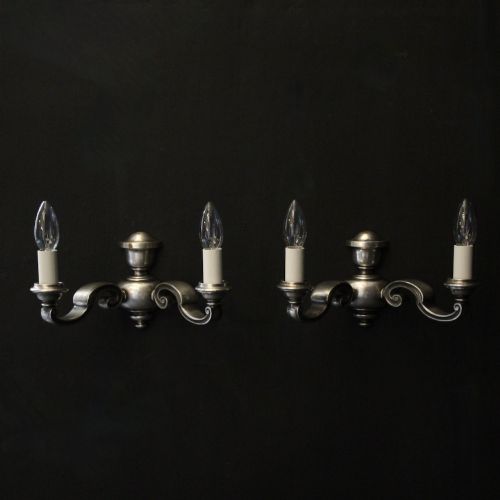
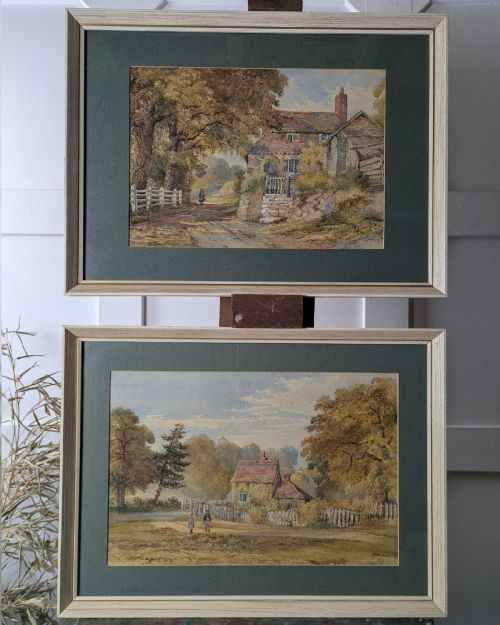
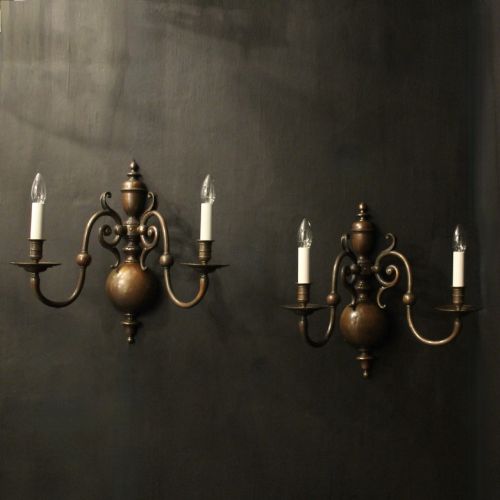
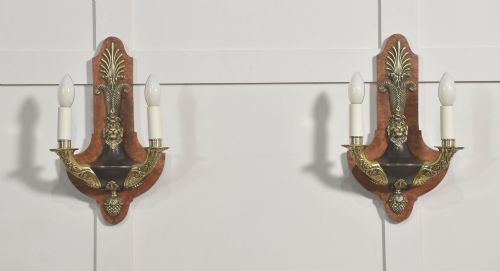
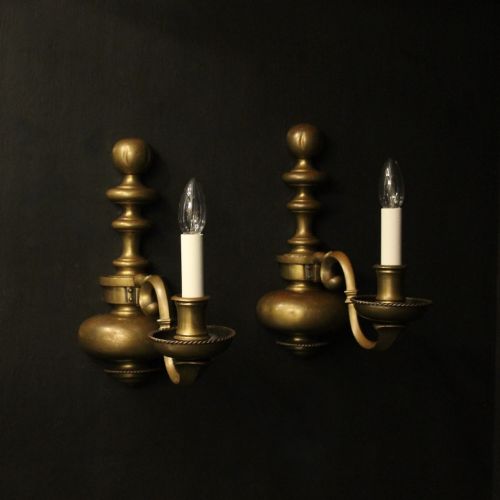
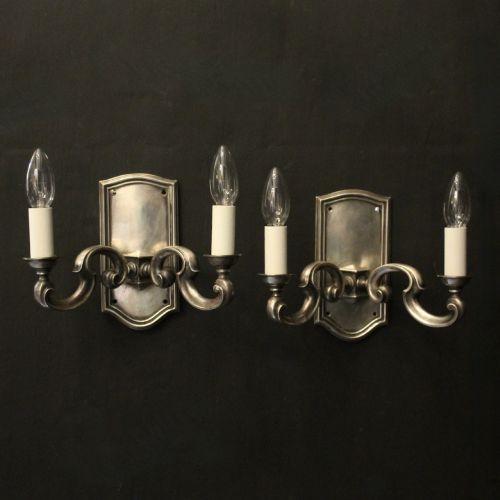
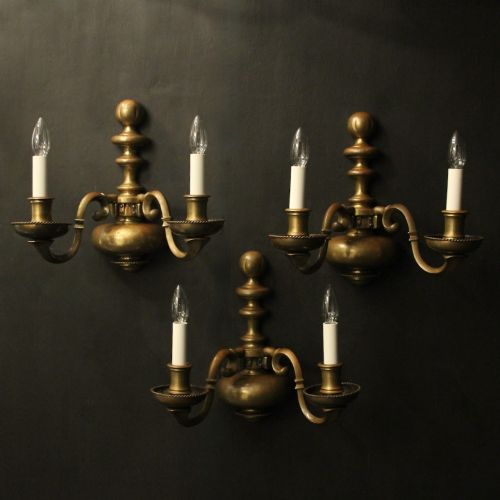
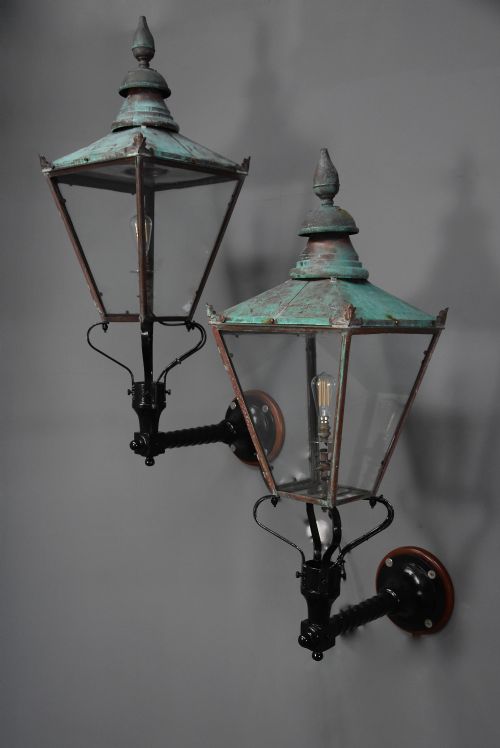
Traditional wall lights bring period illumination to corridors and reception rooms, ranging from brass twin-branch sconces to copper outdoor lanterns.
Traditional Wall Lights
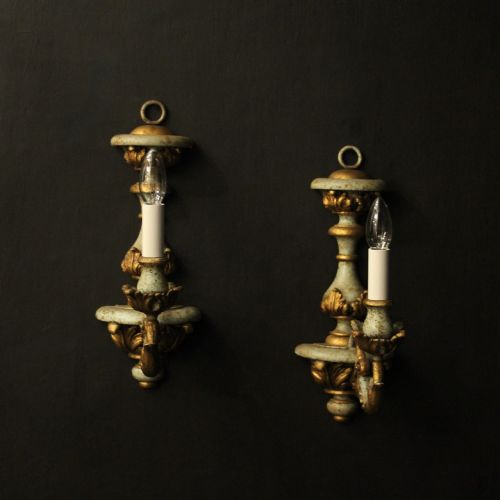
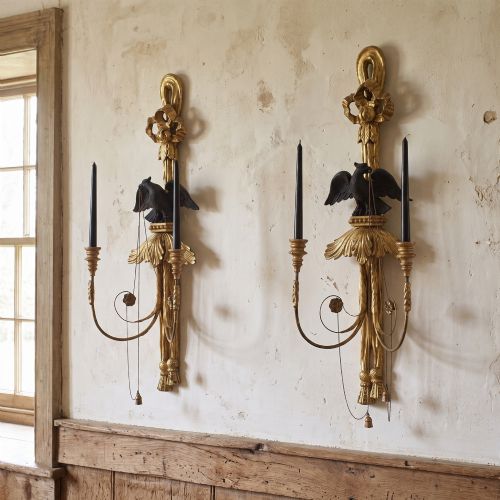
Traditional wall lights comprise wall-mounted fixtures designed to illuminate interiors and exteriors, spanning periods from the nineteenth century through the nineteen-thirties. Buyers encounter pairs and sets constructed as sconces, carriage lamps, and architectural lanterns.
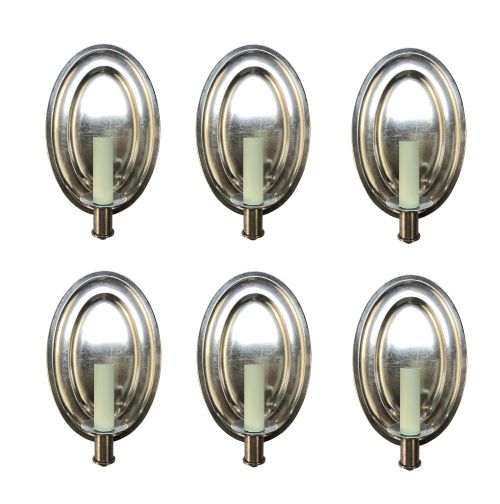
The selections on this page draw from Victorian, Edwardian, and early twentieth-century eras, reflecting historical revivals including French Rococo, Gothic Revival, and Dutch Baroque styles. Metalwork forms dominate the offerings, alongside mirrored sconces and glass-panelled lanterns.
English and continental workshops produced these pieces in bronze, brass, iron, and silver plate to light hallways, entrances, and principal rooms. Many survivors operate as pairs or larger matching sets suitable for symmetrical interior schemes.
Materials and construction
Foundry-cast brass, bronze, and copper form the primary structural materials, shaped through casting, hammering, and soldering. Iron elements appear in wrought iron brackets and cast iron coach lamp frames.
Surface finishes include patinated bronze, silver plating, gilding, and polychrome paint. Exterior lanterns combine metal frames with glazed panels designed to withstand weather exposure.
Traditional Wall Lights Retail Price Guide 2026
Typical asking prices for traditional wall lights among the pieces listed under this phrase on Sellingantiques today, from the lower quarter to the upper quarter. They describe what is for sale here now, not the wider market.
Several street lanterns on offer began their working lives burning gas before finding new purpose on residential walls.
Evaluating quality and proportion
Quality rests in the crispness of casting detail, the weight of the metal components, and the integrity of joints and arm fixings. Superior examples retain original surface patination and matching backplates.
Proportion and scale distinguish finer domestic sconces from utilitarian street or carriage lamps, while the uniformity of multi-piece sets affects desirability.
The Traditional Wall Lights Glossary
- Sconce
- A wall-mounted lighting fixture designed to hold candles or electric lamps. These often feature decorative backplates and multiple branching arms.
- Carriage lamp
- A heavy-duty lantern originally mounted to horse-drawn vehicles. These utilise robust metal frames and bevelled glass panels.
- Backplate
- The flat or shaped metal plate that fixes directly to the wall surface. It supports the weight of the arms and conceals the electrical connection or mounting.
- Patina
- The surface sheen and coloration developed through age and handling. Original patination indicates unpolished or gently aged metal surfaces.
Traditional Wall Lights: Frequently Asked Questions
How do I install antique wall lights?
Most period wall lights require mounting to a secure wooden noggin or wall anchor behind the plaster. Wiring needs to be routed through the backplate to meet modern safety standards.
Qualified electricians should adapt vintage brass or bronze fittings to ensure proper earthing and compatibility with contemporary wall circuits.
Can exterior lanterns be used outside?
Copper and iron lanterns originating from the nineteenth and early twentieth centuries were built for outdoor exposure. Many retain robust weather-resistant construction.
Buyers should inspect the seals around glass panels and consult an electrician regarding weatherproof wiring before exterior placement.
What is the difference between a sconce and a lantern?
Sconces feature exposed arms supporting candle-style tubes or bulb holders projecting from a wall plate. They suit interior reception rooms and hallways.
Lanterns enclose the light source within a glazed frame, offering protection from drafts and weather for porches, entrances, and exterior walls.
How do I match antique wall lights to a room?
Consider the metal finish, such as patinated brass, silver plate, or dark bronze, alongside existing door hardware and architectural details. Scale matters greatly in relation to ceiling height and wall space.
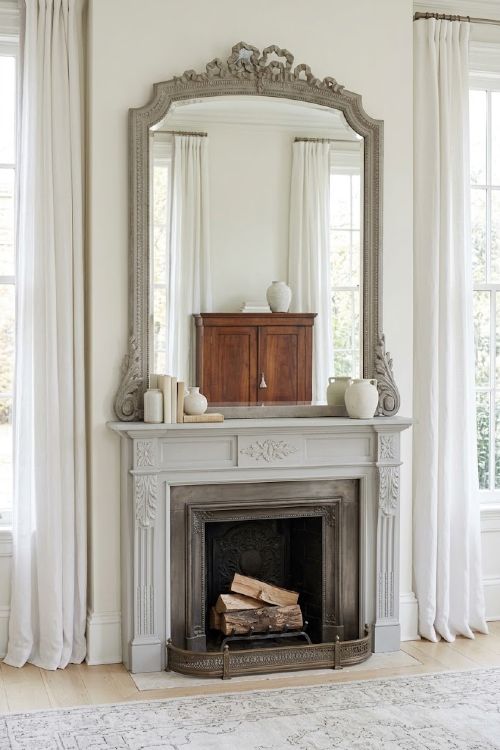
Pairs work well flanking mirrors or fireplaces, while larger sets suit longer corridors and grand entrance halls.