

Traditional Wall Lighting
Traditional wall lighting brings historical character to a room through period metals, glass, and considered craftsmanship.
Traditional Wall Lighting
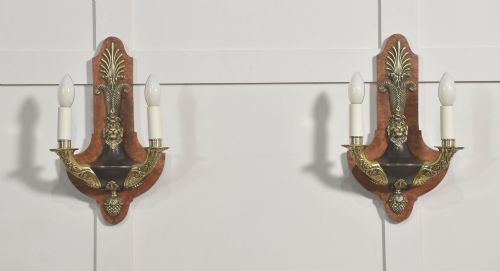
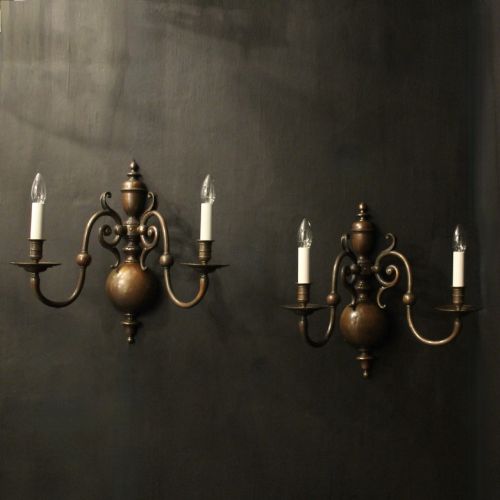
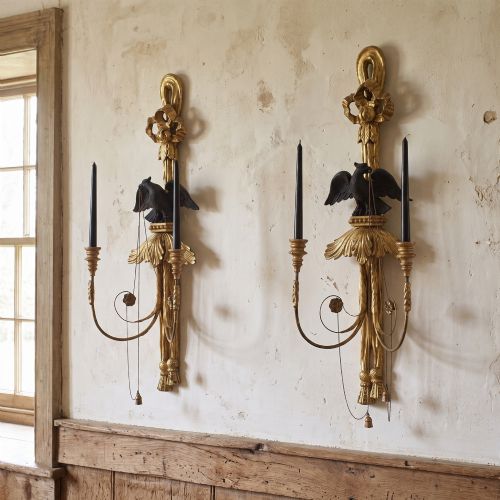
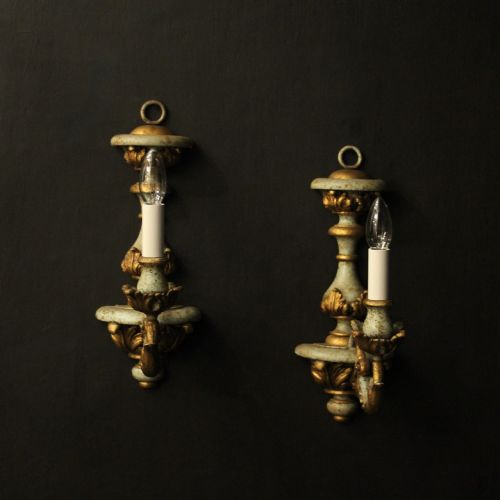
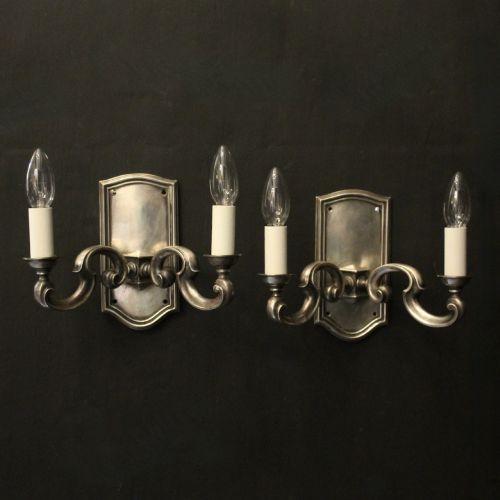
Traditional wall lighting covers wall lights, sconces, lanterns, and carriage lamps dating from the Victorian and Edwardian eras back to earlier centuries. Buyers searching for traditional wall lighting find pieces designed to mount directly onto vertical surfaces, often supplied in matched pairs or larger sets.
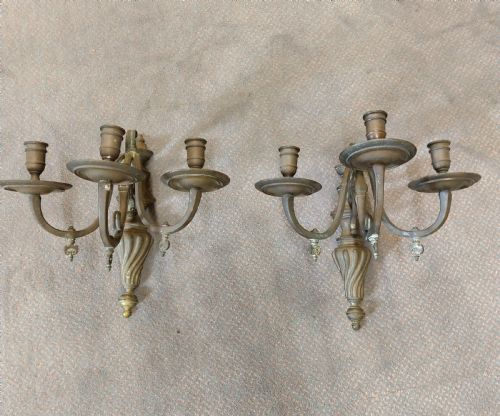
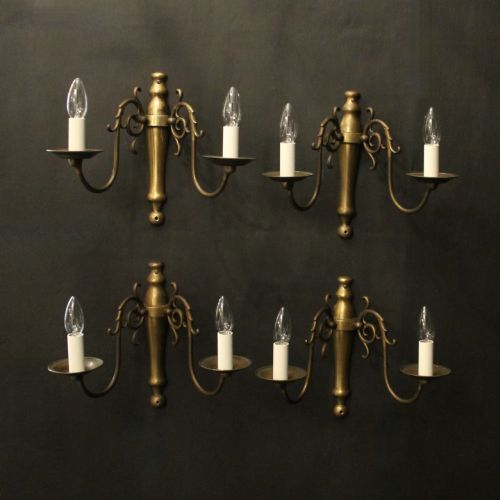
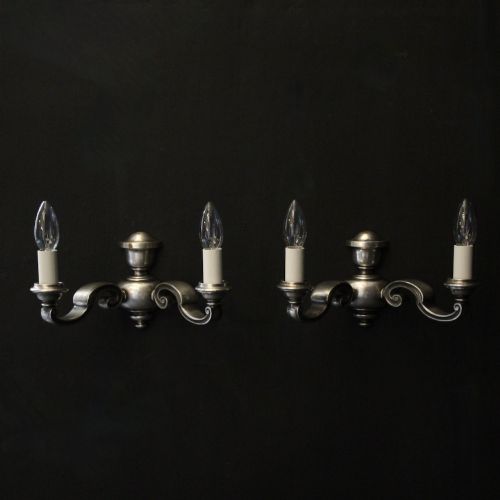
The selections span English, French, and Italian origins, incorporating styles such as Gothic Revival, French Rococo, and Georgian Revival alongside simpler vernacular forms. Metal frameworks dominate the selection, holding candles, gas fittings, or early electrical conversions.
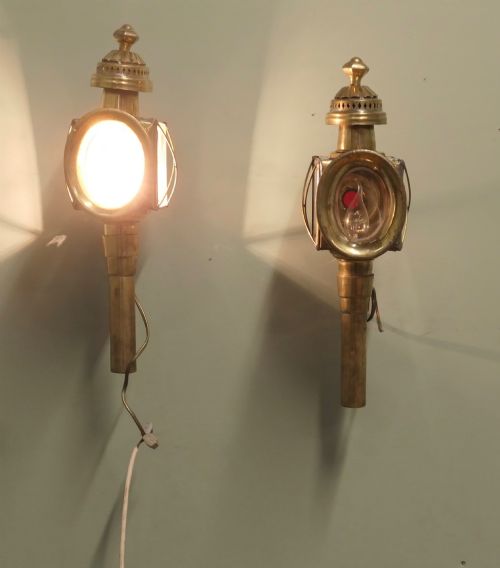
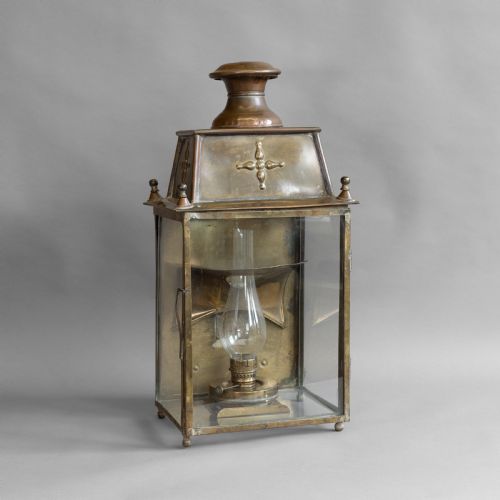
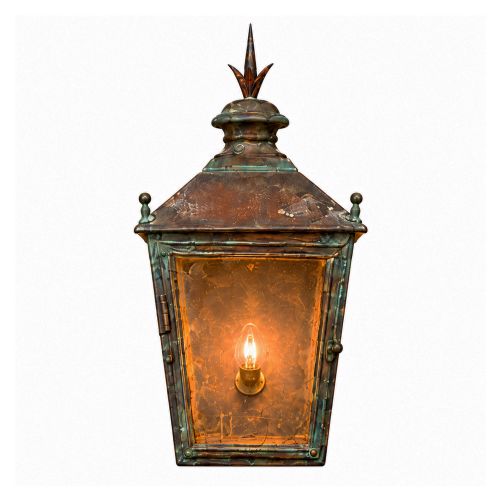
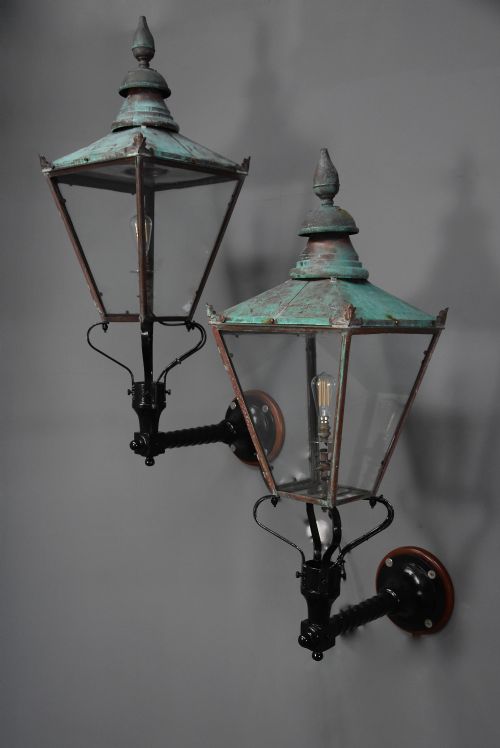
Wall lanterns and coach lamps appear alongside indoor branch sconces, showing how historical illumination adapted to both exterior porches and interior reception rooms. These fixtures offer a direct connection to past domestic habits through surviving patination and period engineering.
Materials and construction methods
Makers utilised cast and spun brass, bronze, copper, and wrought iron as the structural foundation for wall fixtures. Silver plating and gilding frequently coat the base metals to elevate the visual warmth of the piece.
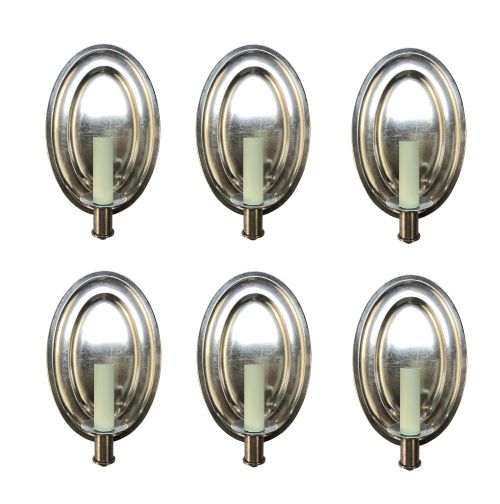
Glass panels are leaded or fitted into frames for lanterns, whilst mirrors appear behind backplates to reflect candlelight. Components are joined through screws, rivets, and soldering, reflecting the workshop practices of the nineteenth and early twentieth centuries.
Traditional Wall Lighting Retail Price Guide 2026
Typical asking prices for traditional wall lighting among the pieces listed under this phrase on Sellingantiques today, from the lower quarter to the upper quarter. They describe what is for sale here now, not the wider market.
Some carriage lamps retain the soot stains of nineteenth-century candle flames inside their copper hoods.
Quality factors in period wall fixtures
The distinction between standard production and superior work lies in the crispness of casting detail on brass and bronze arms. Hand-chased enrichment and heavier gauge metals indicate a higher grade of manufacture.
Completeness of original components, such as matching drip pans and undamaged period glass, elevates the integrity of surviving sconces and lanterns.
F. & C. Osler
The Traditional Wall Lighting Glossary
- Sconce
- A wall-mounted lighting fixture designed to carry candles or electrical lamps. These often project forward on single or multiple arms.
- Backplate
- The flat or shaped metal plate that fixes directly to the wall and supports the branching arms or lantern body.
- Patina
- The surface sheen and oxidation developed on metals like bronze, brass, and copper over decades of exposure and handling.
- Carriage lamp
- An exterior lantern originally mounted to horse-drawn transport, adapted through robust metalwork and protective glass panes.
Traditional Wall Lighting: Frequently Asked Questions
How do I install vintage wall lights?
Vintage fixtures require mounting to structural wall supports and safe integration with modern electrical wiring by a qualified professional. Many pieces were originally designed for gas or candles and need careful conversion.
Original backplates often retain historical fixing holes that dictate the placement of mounting screws during installation.
Can exterior lanterns be used outdoors today?
Outdoor lanterns made from copper, iron, or brass withstand external environments well if their metal surfaces are properly maintained and sealed. Weatherproofing depends on the condition of the historical seals and glass panels.
Wiring must meet current safety standards for exterior wet locations before outdoor placement.
How do I date antique wall sconces?
Dating relies on examining the manufacturing techniques, screw threads, material composition, and prevailing design styles. Edwardian and Victorian pieces show distinct casting methods compared to earlier Georgian examples.
Comparing the decorative motifs against known historical periods helps narrow down the decade of production.
Why are wall lights sold in pairs?
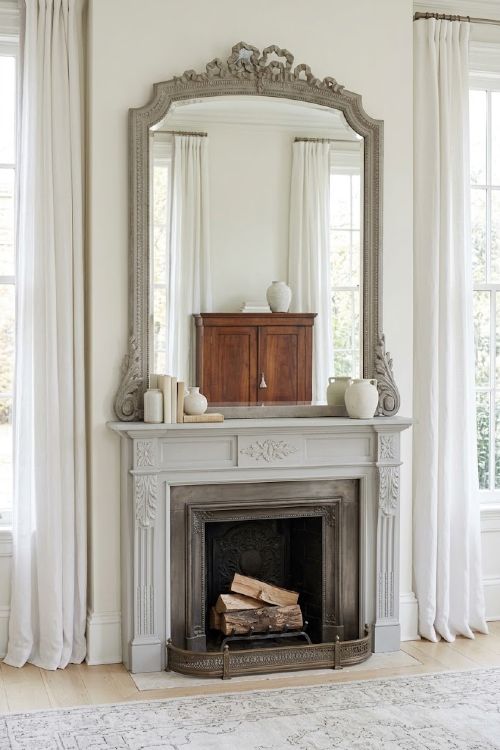
Pairs provided symmetrical illumination flanking mirrors, fireplaces, or doorways in traditional interior schemes. Symmetrical placement was a fundamental principle of historical room design.
Finding matched sets of four or six remains uncommon, making pairs the standard configuration for surviving wall fixtures.