

Traditional Wall Glass
Traditional wall glass comprises mirrors, barometers, and wall lights spanning the Georgian, Victorian, and Edwardian periods.
Traditional Wall Glass
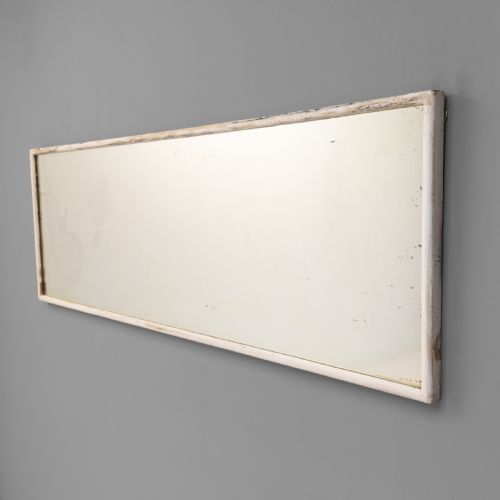
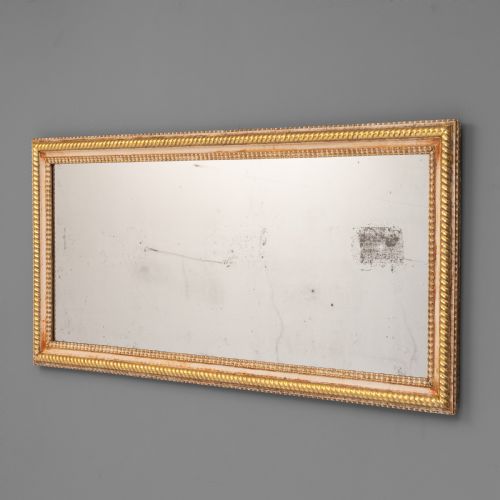
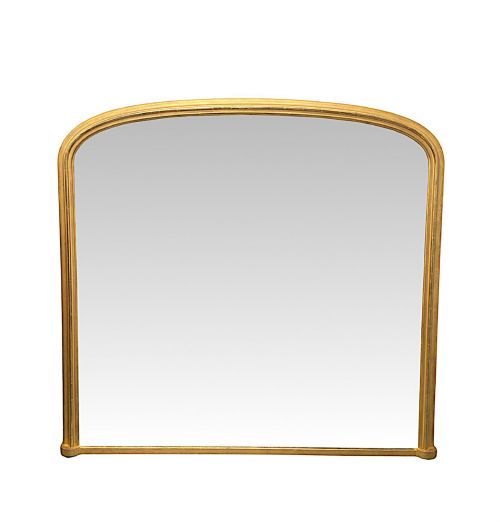
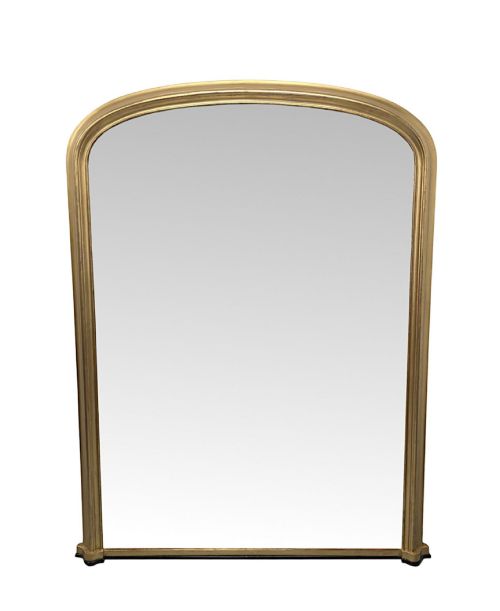
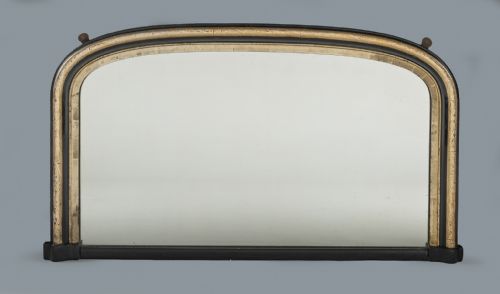
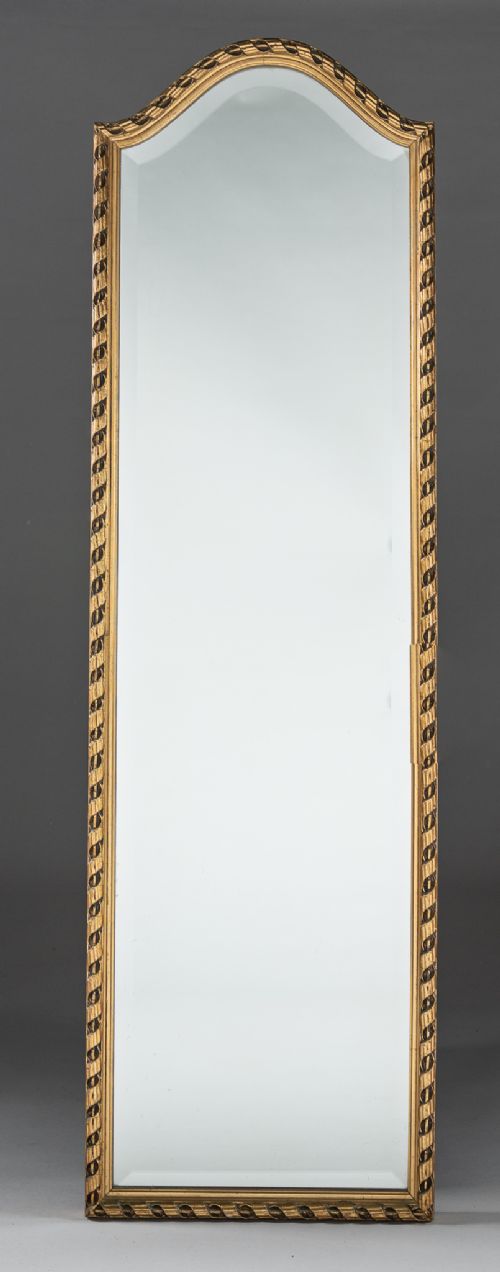
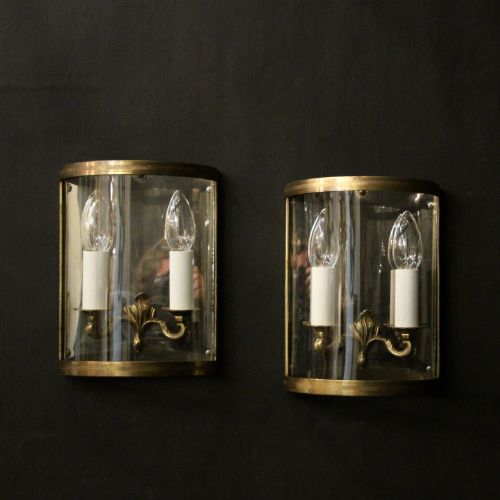
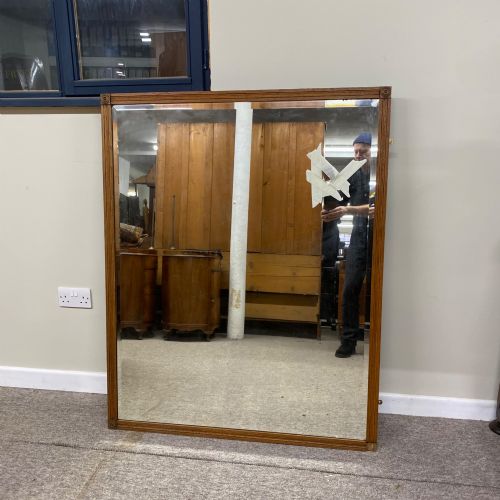
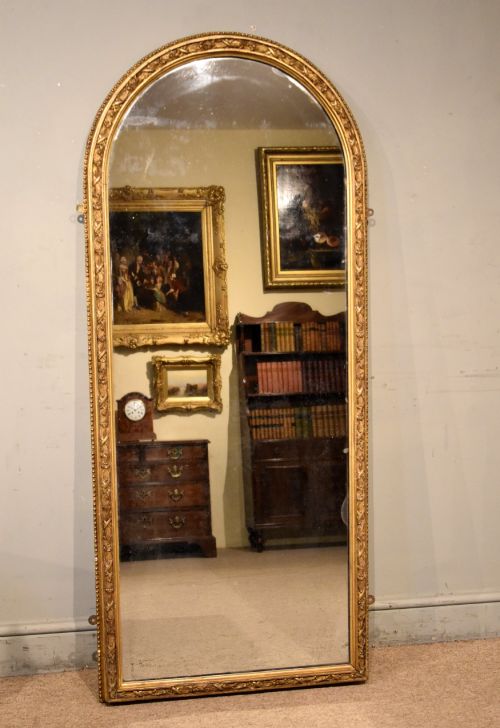
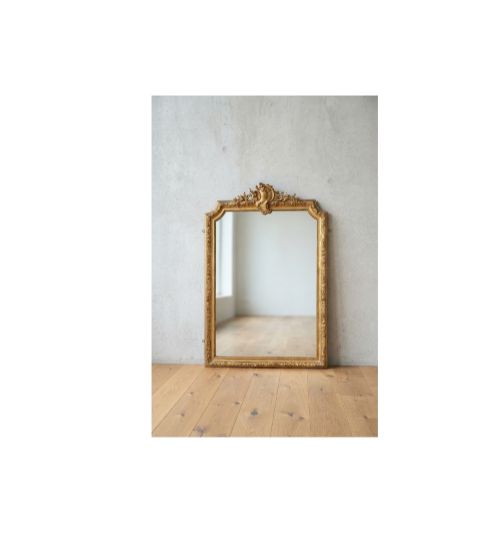
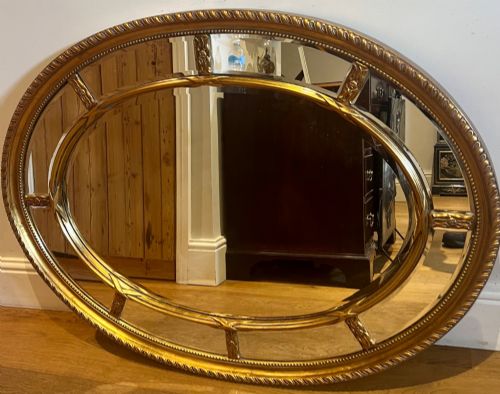
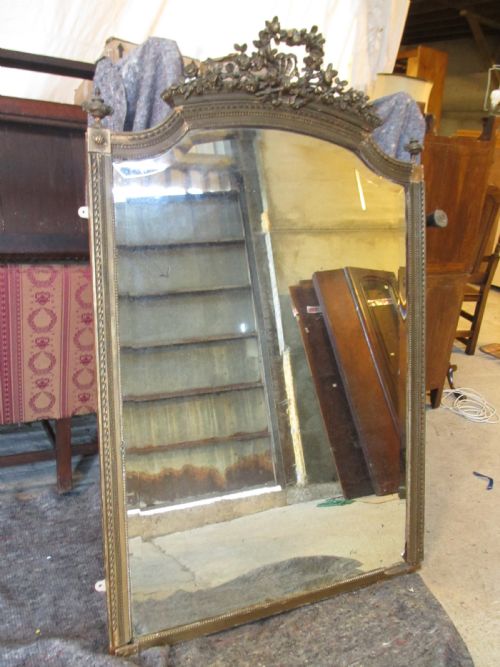
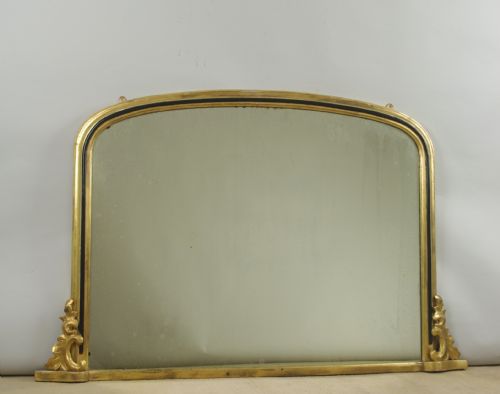
Traditional wall glass covers objects designed to hang on walls, principally mirrors, barometers, and wall lights. The selections here include overmantel mirrors, pier mirrors, banjo barometers, and wall hanging mirrors.
The pieces span various periods, including Georgian, Regency, Victorian, and Edwardian eras, alongside styles such as French Chateau, Venetian, and Chinoiserie. Buyers encounter items ranging from large carved overmantel mirrors to smaller walnut and mahogany pier glasses.
Origins include English, French, and Chinese examples, showing how diverse domestic interiors utilised reflective and functional glass objects. These items bring period character and ambient light projection into rooms.
Materials and construction techniques
Frames utilise timber foundations of mahogany, oak, walnut, and softwood, often finished with gesso and gold leaf or paint. Carved wood and giltwood constructions dominate the larger overmantel and pier mirror categories.
Glass plates are set into frames, sometimes featuring bevel edges or original foxed silvering. Barometers incorporate brass dials, porcelain faces, and mechanical movements housed within carved wood cases.
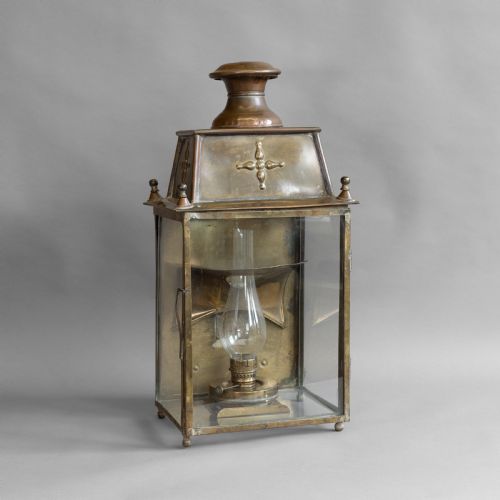
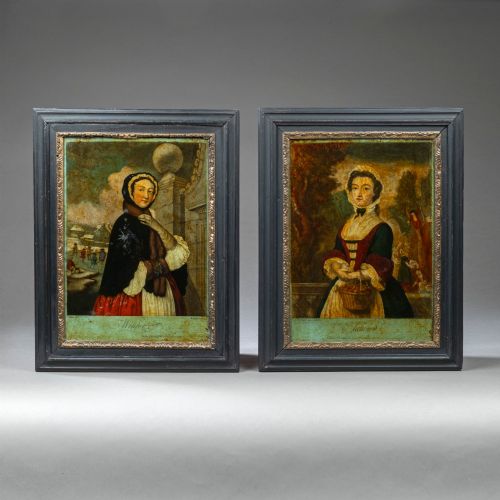
Specialist techniques include reverse painting on glass and eglomise decoration, seen in Venetian and Chinese wall hanging pieces. Brass components and copper lanterns add metallic elements to the wider selection of wall-mounted items.
Traditional Wall Glass Retail Price Guide 2026
Typical asking prices for traditional wall glass among the pieces listed under this phrase on Sellingantiques today, from the lower quarter to the upper quarter. They describe what is for sale here now, not the wider market.
The object types present range from large arched overmantel mirrors and banjo barometers to copper lanterns and wall lights.
Distinctions in quality
Quality rests in the crispness of the wood carving and the depth of the gesso application on giltwood frames. Elaborate crests and substantial proportions in overmantel mirrors indicate higher-tier craftsmanship.
The integrity of the glass plate itself distinguishes pieces, with original foxed glass retaining historical character. Secondary woods and the precision of joinery in mahogany and walnut frames separate standard output from finer workshops.
F. and C. Osler
The Traditional Wall Glass Glossary
- Overmantel mirror
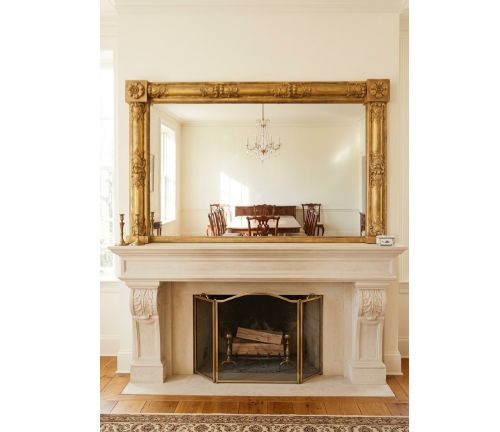
- A large mirror specifically designed to hang above a fireplace mantelpiece. These often feature architectural proportions and elaborate crests.
- Pier mirror
- A tall, narrow mirror designed to hang on the wall space between two windows. They frequently incorporate console tables or painting panels above the glass.
- Eglomise
- A technique where gold or silver leaf is applied to the rear of glass and etched before painting. It creates a reflective, decorative border often seen on Venetian style pieces.
- Banjo barometer
- A weather-measuring instrument housed in a distinctive curved wooden case shaped like a banjo. They often include thermometer dials alongside the main barometer face.
- Foxed glass
- Mirror glass that has aged over time, developing dark spots and mottled patches where the backing has deteriorated. Collectors value this characteristic for authenticity.
- Parcel-gilt
- Woodwork that is partially gilded with gold leaf, leaving portions of the underlying wood grain or paint exposed. This finish appears frequently on Georgian and Regency style frames.
Traditional Wall Glass: Frequently Asked Questions
What is traditional wall glass?
Traditional wall glass refers to decorative and functional items mounted on walls that incorporate glass elements, such as mirrors, barometers, and wall lights.
These pieces originate from historical periods like the Georgian, Victorian, and Edwardian eras, utilising materials including giltwood, mahogany, brass, and gesso.
How do I hang a heavy overmantel mirror?
Heavy overmantel mirrors require secure fixing directly into wall studs or masonry using appropriate weight-bearing brackets.
Given their substantial wooden frames and large glass plates, professional installation ensures the weight distributes safely across the wall.
How can I tell a Victorian mirror from a Georgian one?
Georgian mirrors frequently display symmetry, fretwork mahogany frames, and parcel-gilt details, reflecting neoclassical or Palladian tastes.
Victorian pieces tend to be heavier, utilising ornate carved wood and gesso frames, often with arched crests intended for overmantel placement.
Do barometers still work?
Many antique barometers retain their mechanical movements and respond to atmospheric pressure changes, though some serve primarily as decorative wall art.
Specialist restoration can sometimes revive non-functioning movements within barometer cases.