



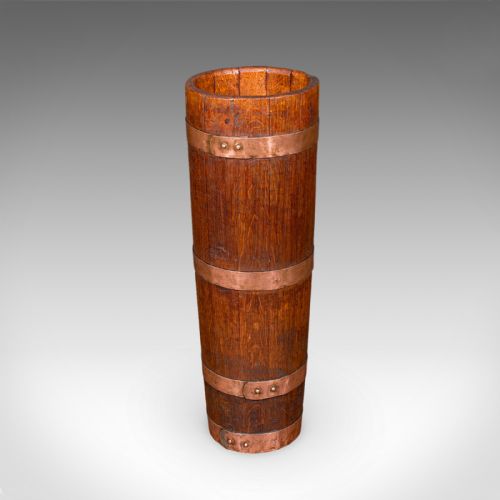
Traditional Walking Cane
A traditional walking cane offers practical support and distinctive character, spanning Victorian folk art and Edwardian elegance.
Traditional Walking Cane
A traditional walking cane encompasses both the walking sticks carried for support or display and the hall stands designed to hold them. Pieces span the Victorian, Edwardian and early twentieth century periods, reflecting everyday utility and domestic style.
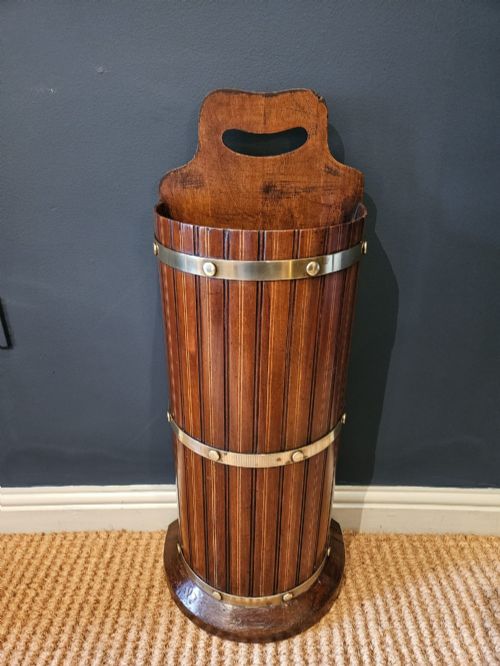
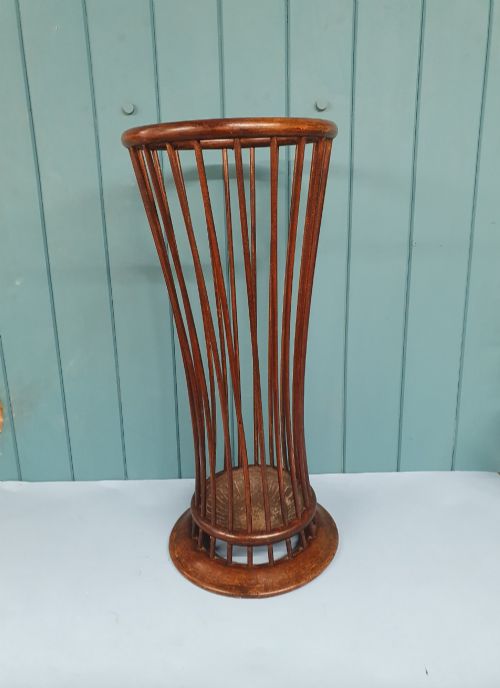
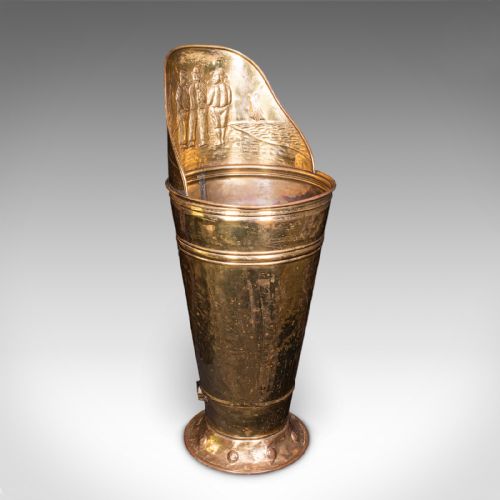
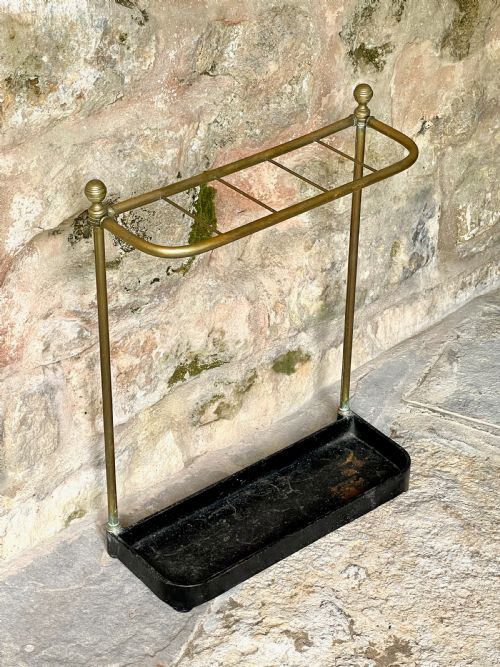
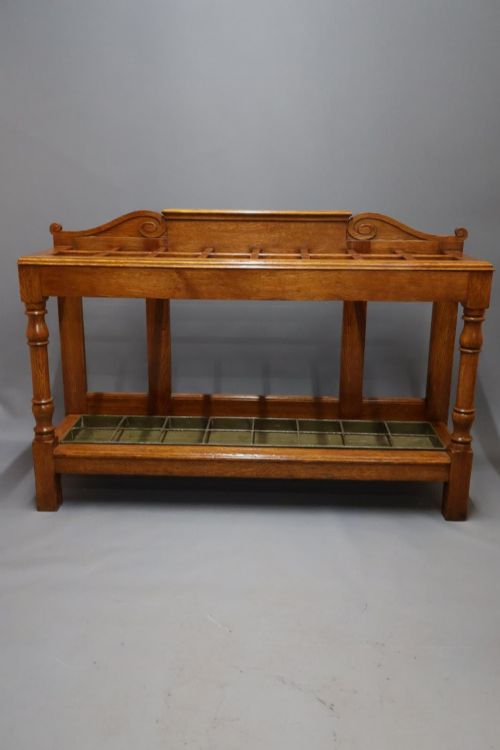
Buyers encounter sturdy natural woods, horn and bone alongside architectural oak and brass stick stands for the hallway. The selection ranges from plain country house accessories to decorative folk art pieces.
The objects serve as functional walking aids or hallway storage furniture. Each item displays the distinct craftsmanship of the nineteenth and early twentieth centuries.
Assessing Quality and Execution
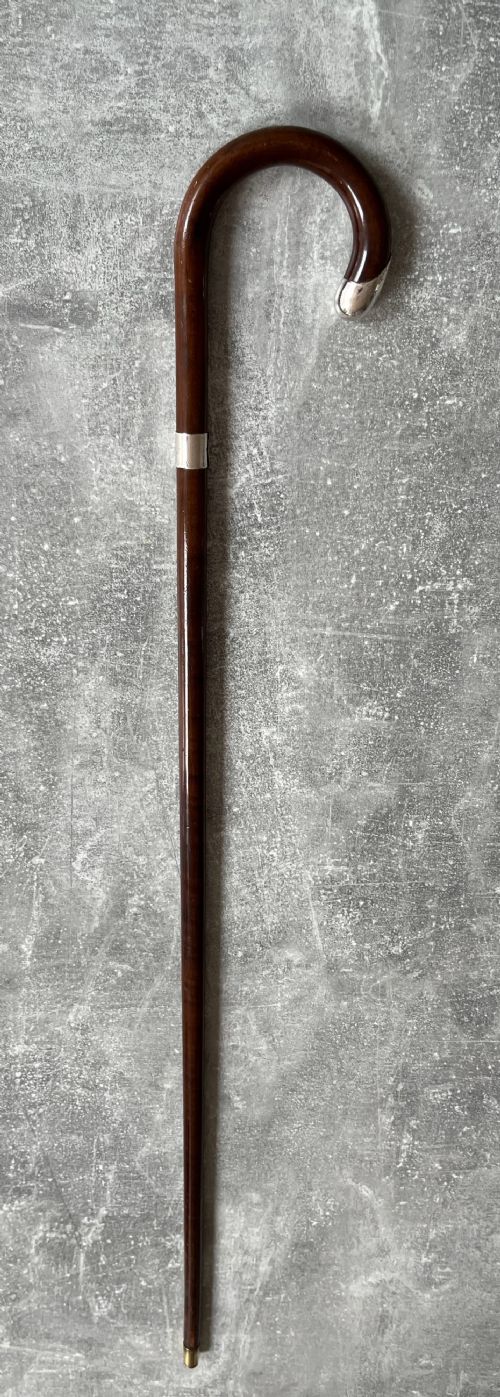
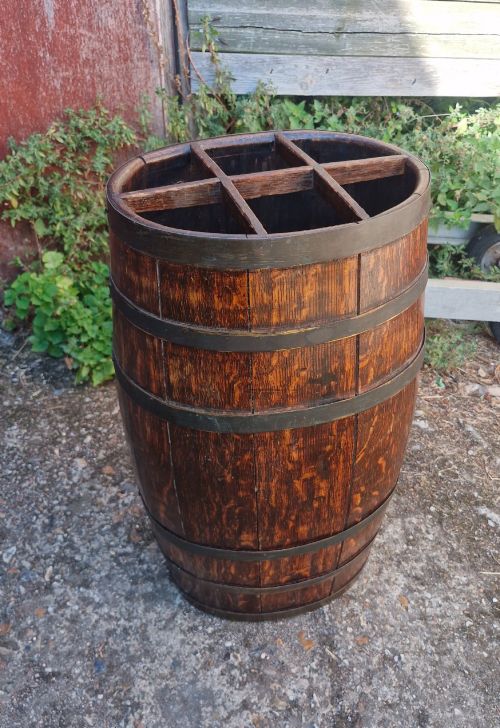
Quality rests in the selection of timber and the precision of metal mounts or coopered barrel construction. Superior examples combine robust structural integrity with decorative elements like silver mounts or polychromed finishes.
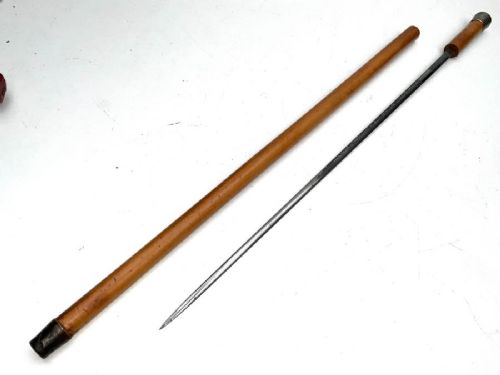
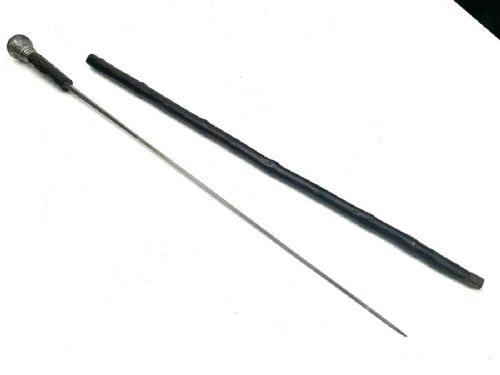
The execution of the handle and grip separates standard walking sticks from finer examples, especially on pieces incorporating hidden blades or carved horn. Hall stands show quality through original metal drip trays and substantial brass bindings.
Current selections include oak, mahogany, brass, and horn items spanning the Victorian, Edwardian, and 1920s periods.
The Traditional Walking Cane Glossary
- Coopered
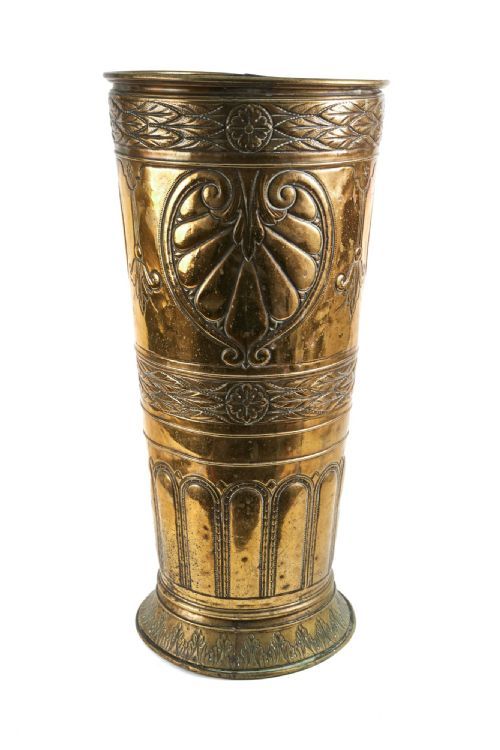
- Constructed from wooden staves bound with metal hoops, typical of barrel-form stick stands. This method mimics traditional cask-making techniques.
- Demi Lune
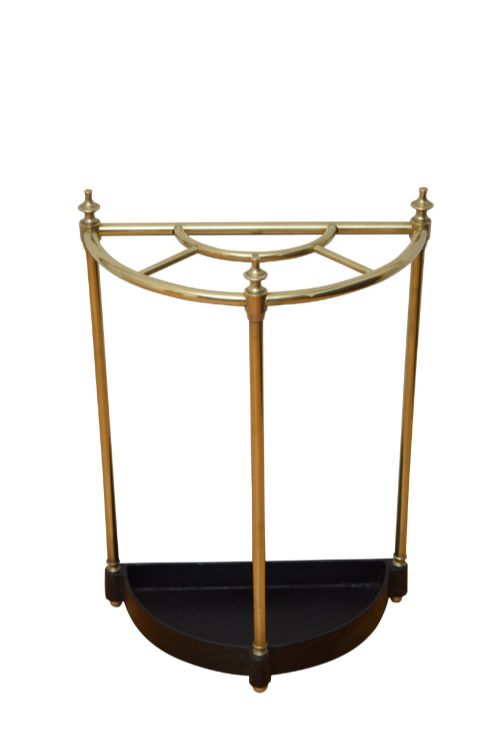
- A half-moon shape designed to sit flush against a hallway wall. These stands save space while holding multiple sticks and umbrellas.
- Folk art
- Items created by self-taught makers using accessible materials, often featuring natural or eccentric forms. These pieces prioritize expressive character over formal academic design.
- Blackthorn
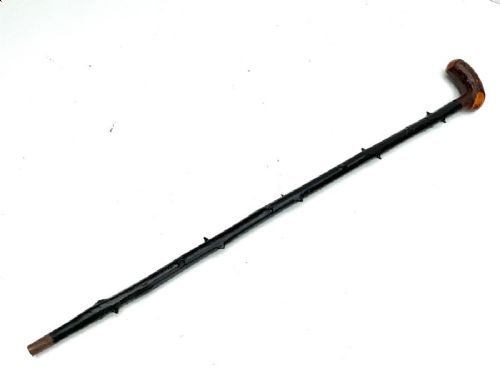
- A dense natural wood utilised for traditional Irish walking sticks. The material retains its thorny texture and organic knots.
- Stick stand
- A piece of hall furniture designed to hold walking canes and umbrellas upright. They often incorporate a metal tray at the base to catch rainwater.
Traditional Walking Cane: Frequently Asked Questions
What is a traditional walking cane?
A traditional walking cane is a handheld wooden or bone support tool, often featuring metal mounts or carved grips from the Victorian and Edwardian eras.
These pieces reflect the personal accessories and hallway furniture used in nineteenth and early twentieth-century homes.
How were stick stands used?
Stick stands sat in hallways to keep walking sticks and umbrellas organised and accessible for outdoor excursions.
The integrated metal drip trays caught moisture from wet items to protect wooden floors.
How do I date a walking stick?
Dating relies on material combinations, metal mounts, and stylistic markers associated with Victorian, Edwardian, or early twentieth-century design.
Makers often marked silver mounts with hallmarks that pinpoint the exact year of production.
What materials are common?
Common materials include oak and mahogany for furniture, alongside thorn wood, blackthorn, rosewood, and holly for walking sticks.
Brass, copper, and cast iron provide structural reinforcement and drip trays for the hallway stands.