
Traditional Victorian Oil Artwork
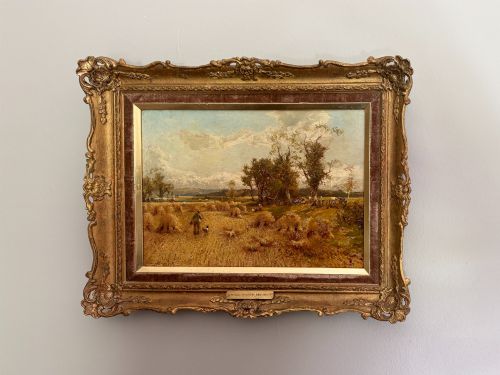
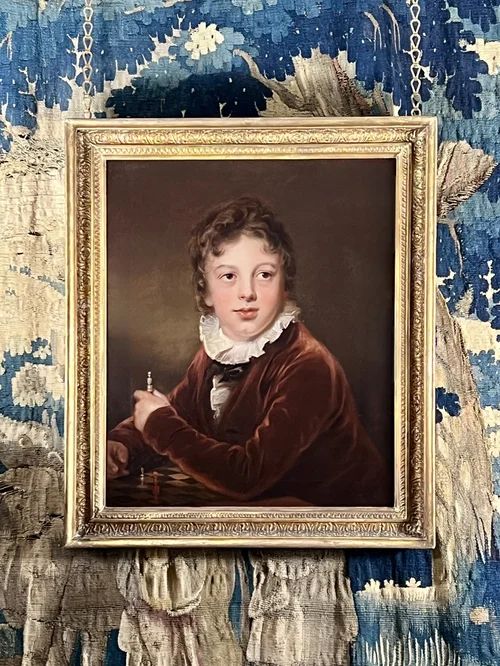
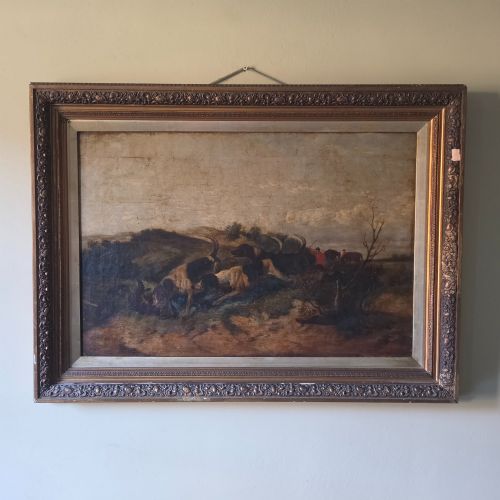
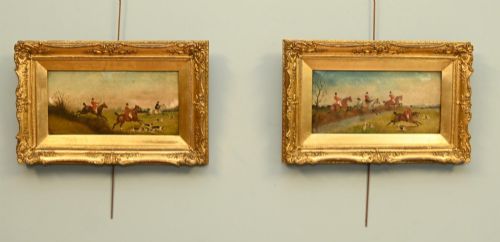
Traditional victorian oil artwork brings real nineteenth-century brushwork into a room, capturing landscapes, portraits, and sporting scenes painted on canvas and panel.
Traditional Victorian Oil Artwork
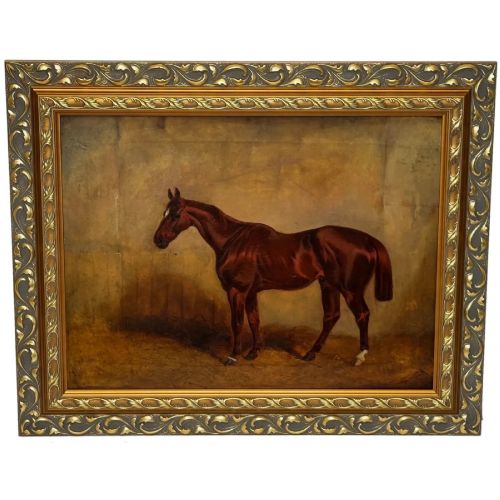
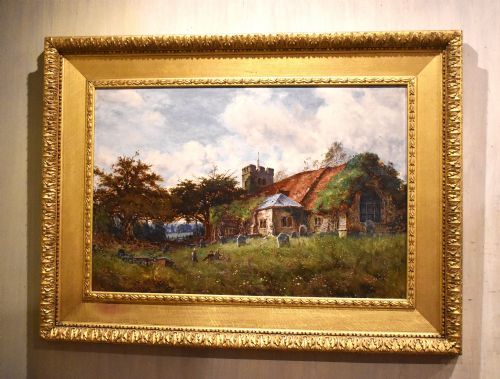
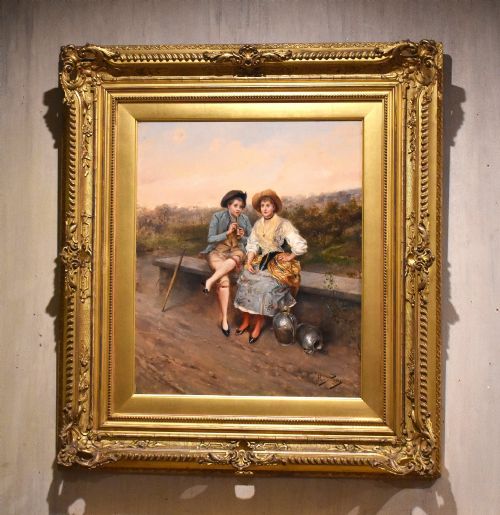
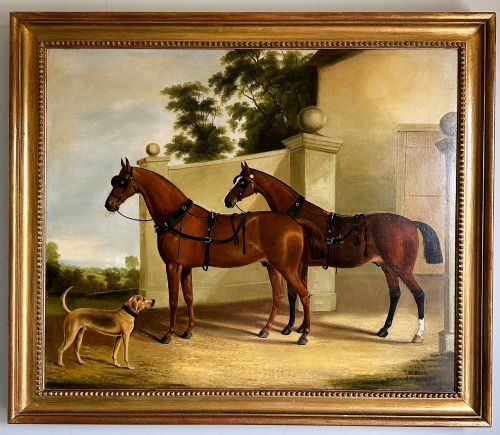
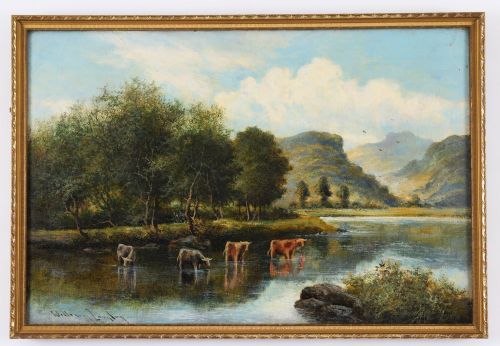
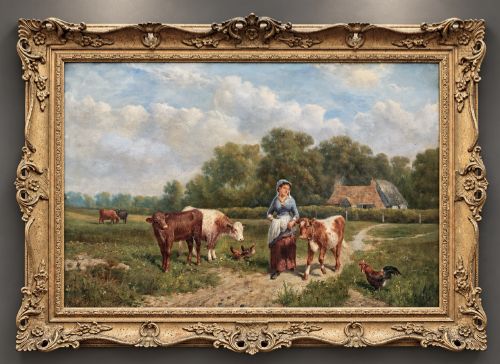
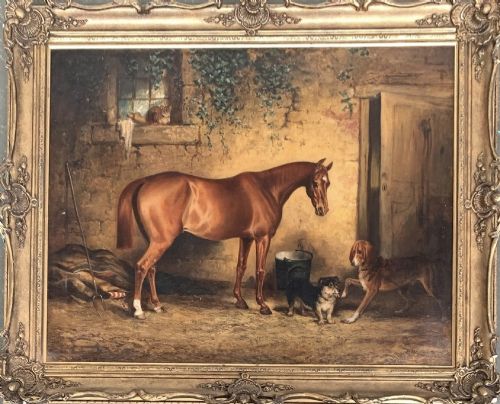
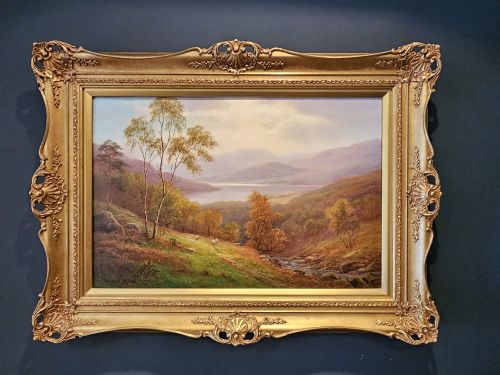
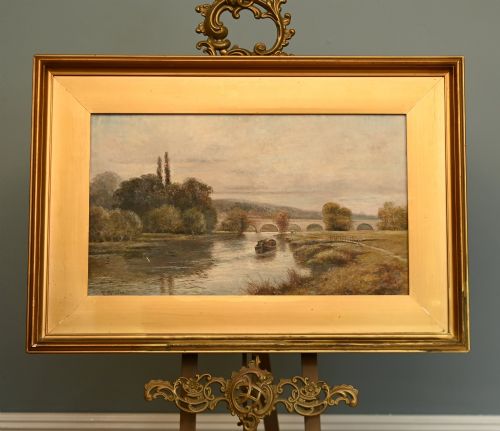
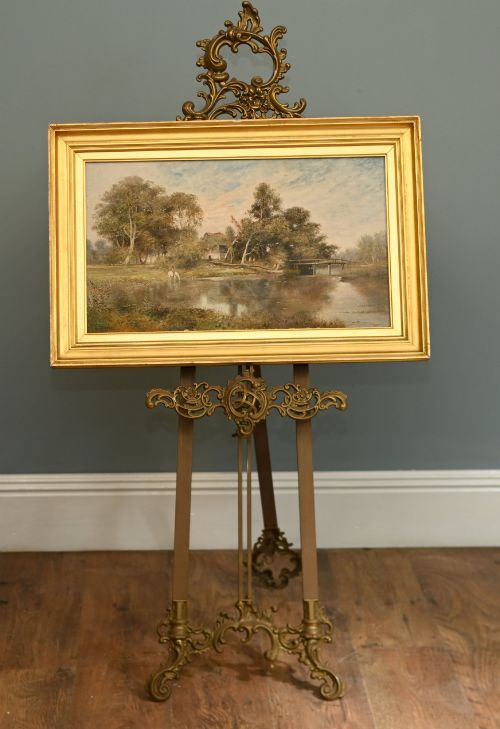
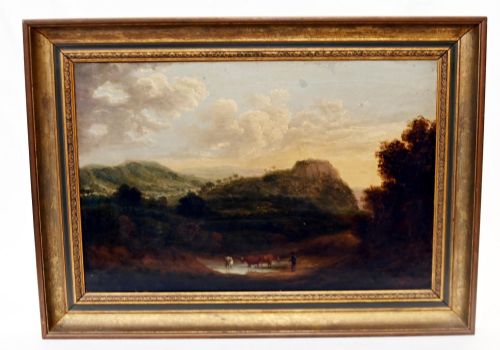
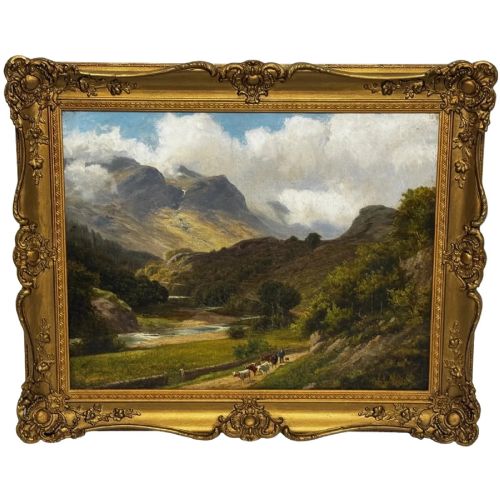
Traditional victorian oil artwork spans works created during the nineteenth century, encompassing regional landscapes, maritime views, and rural pastoral scenes. Portraits and sporting subjects also appear frequently across these listings.
Most pieces date from the mid to late nineteenth century, reflecting the periods and schools recorded in the titles. British and European artists dominate the selection, working on canvas and wooden panels.
The subjects range from tranquil woodland paths and coastal harbours to detailed animal and human portraits. Buyers find both signed works by known painters and traditional pieces attributed to regional schools.
How they were made
Artists painted primarily with oil paint onto stretched canvas or prepared wooden boards, building up rich surfaces through layered application. Giltwood and gesso frames often enclose the works, providing ornate borders built from carved wood and plaster compositions.
Panel paintings utilise sturdy wood supports that preserved the pigment stably over time, while canvas supports allowed for larger compositional scales. Many frames incorporate layered gilding to enhance the visual depth of the paintings.
Several paintings record racing pigeons and prized shorthorn bulls, proving Victorian artists took feathered and horned subjects very seriously.
What varies in quality
Quality rests in the precision of the brushwork and the anatomical accuracy found in human and animal portraits. Master painters captured light and texture with nuance, creating convincing depth within landscapes and interior scenes.
The integrity of the original canvas or panel surface, alongside the condition of the accompanying giltwood frame, influences the overall standard of each piece. Superior works display confident pigment handling and well-preserved surface layers.
William Oliver·Richard Sebastian Bond·William Beattie Brown·Alfred Fontville de Breanski Jr·David Bates·Thomas Smythe·Albert Clark·Edward Ladell·Thomas Creswick·Thomas Sidney Cooper
The Traditional Victorian Oil Artwork Glossary
- Oil on Canvas
- A painting technique where oil-based pigments are applied to a woven fabric support stretched across a wooden frame. This combination allows for expressive brushwork and substantial surface texture.
- Giltwood
- Wood that has been decorated with a thin layer of gold leaf or gold paint. Frames built from this material often feature intricate moulded ornamentation.
- Gesso
- A plaster-like mixture used as a base coat on panels or frame mouldings to prepare the surface for painting or gilding. It creates a smooth and durable foundation.
- Sporting Art
- A genre of painting focused on horses, hunting scenes, racing pigeons, and field sports. These works emphasise accurate animal depiction and outdoor action.
Traditional Victorian Oil Artwork: Frequently Asked Questions
How do I hang a heavy oil painting?
Heavy oil paintings require sturdy picture hooks fixed directly into wall studs or secure wall anchors to support the combined weight of the canvas and the giltwood frame.
Position the wire or d-rings evenly so the frame hangs flat against the wall without straining the hanging hardware.
What lighting suits nineteenth-century oils?
Soft, indirect lighting prevents glare on varnished oil surfaces while revealing the fine details of the brushwork. LED picture lights fitted with warm bulbs work well for highlighting the canvas.
Direct sunlight should be avoided to prevent fading of the pigments and drying of the canvas over time.
How do I identify the period of a painting?
Period identification relies on examining the stretcher frames, canvas type, nail construction, and the style of the handwritten inscriptions on the reverse. Stylistic clues within the clothing and landscape details also point to specific decades.
Signatures and historical records help confirm the active dates of the artist.