

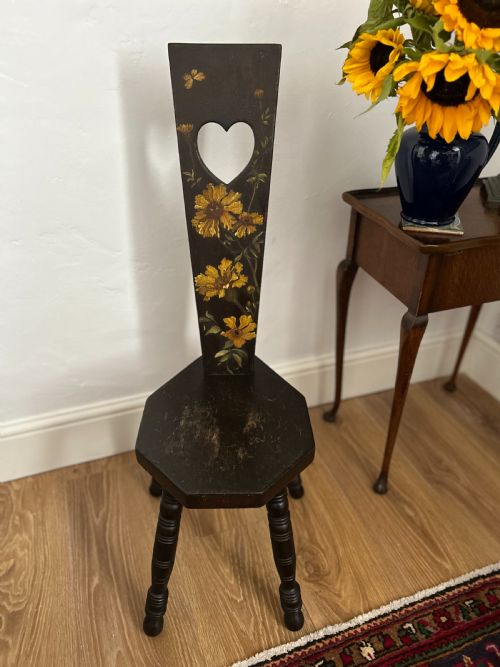


Traditional Vernacular Stool
A traditional vernacular stool brings honest regional character to a room, built by country makers using local woods for everyday use.
Traditional Vernacular Stool
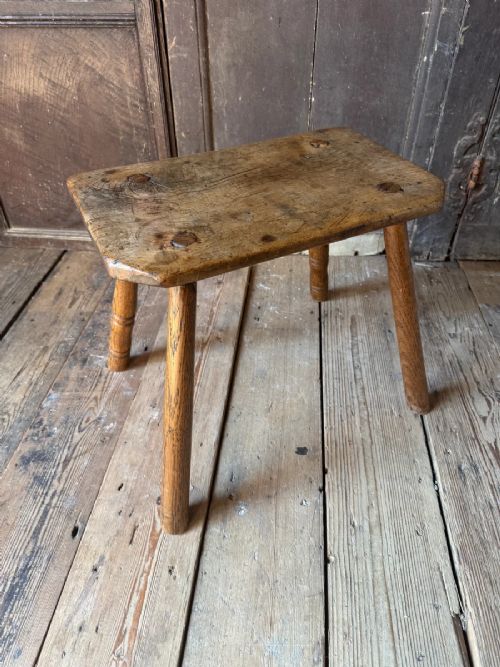
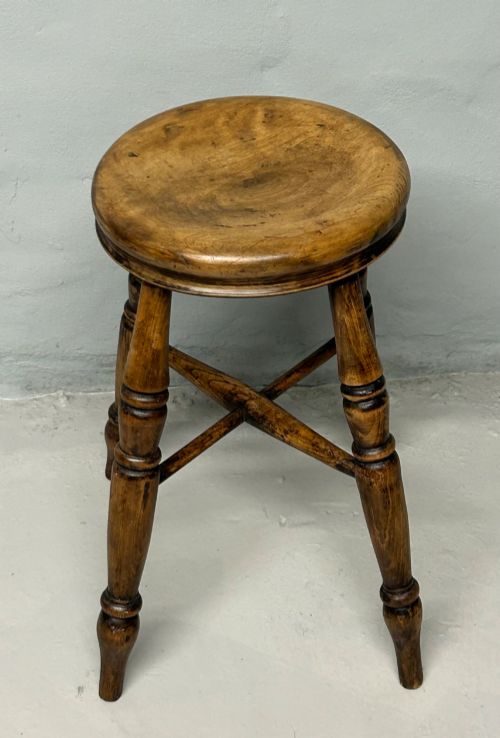
A traditional vernacular stool is an unpretentious domestic seat shaped by regional requirements rather than metropolitan fashion. These pieces span periods from the Georgian era through the nineteenth century and into the early twentieth century.
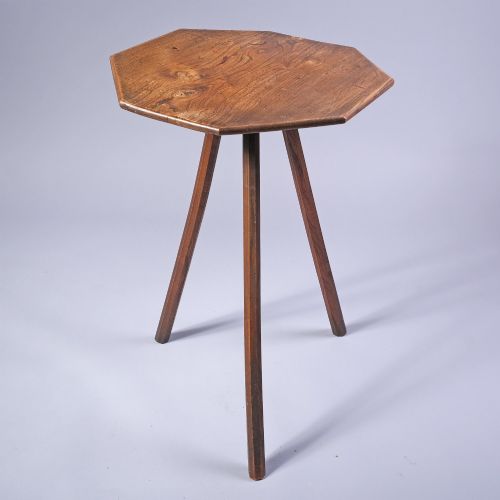
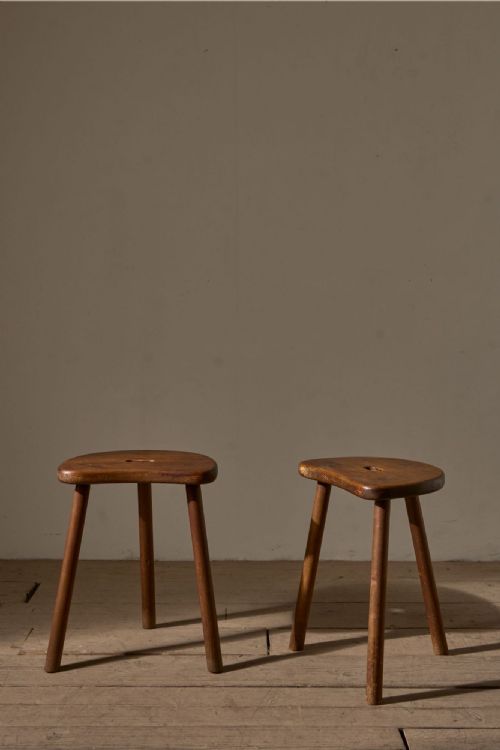
Most examples found here take the form of simple country stools, low seats, dairy stools, and three-legged designs intended for practical tasks around the house or farm. They appear in styles such as rustic country, Victorian country, and Georgian vernacular.
Makers focused entirely on utility, producing sturdy seating that served diverse household functions without decorative excess. The resulting objects carry the straightforward imprint of their original rural environments.
How they were made
These stools rely on durable native timbers such as oak, elm, ash, beech, yew wood, sycamore, and pine. Woods were often combined within a single piece, using tougher timbers for legs and contrasting woods for tops.
Construction techniques are direct and robust, frequently employing pegged joints and legs wedged firmly into thick wooden seats. Some surviving examples retain traces of early paint or hand finishing applied by the original maker.
One-leg milking stools required the milker to strap the seat directly to themselves while tending cows.
What varies in quality
Quality in a traditional vernacular stool rests on the integrity of its construction and the character of its timber. Pieces with well-balanced proportions and honest structural wear show greater integrity than altered or over-restored examples.
The choice of wood and the harmony of mixed timbers also distinguish finer pieces. Grain pattern, surface texture, and the natural patination built up through decades of handling elevate certain examples above standard workshop output.
The Traditional Vernacular Stool Glossary
- Vernacular
- Objects designed and made by local craftsmen to satisfy practical local needs rather than following academic architectural or furniture styles. This approach prioritises utility and local materials over prevailing metropolitan trends.
- Dairy stool
- A low, stable seat traditionally used for milking cows or performing low household tasks. These pieces often feature three legs to remain steady on uneven farm floors.
- Joint stool
- A sturdy wooden seat constructed with mortise and tenon joints held together by wooden pegs. They predate fully upholstered seating and served multiple household purposes.
- Yew wood
- A dense, highly figured native timber prized by country makers for its rich colour and distinctive grain. It offers exceptional strength for turned legs and spindles.
- Patina
- The deep surface sheen and mellow tone developed by wood over long periods of use and gentle cleaning. It serves as a visual indicator of age and genuine handling.
Traditional Vernacular Stool: Frequently Asked Questions
What is a vernacular stool?
A vernacular stool is a locally made piece of utilitarian country seating constructed without reference to formal academic design rules. Makers relied on regional traditions and available timber to solve everyday seating needs.
These pieces reflect the practical demands of rural life, resulting in robust forms that prioritise function, stability, and direct construction methods above all else.
How do I date an old stool?
Dating relies on examining the tool marks, construction methods, timber species, and overall wear patterns present on the wood. Hand-adzed surfaces and traditional pegging often point towards earlier periods.
Changes in hardware, nail types, and the character of the surface patination help separate eighteenth and nineteenth-century examples from twentieth-century country items.
Why do some stools have three legs?
Three-legged stools remain entirely stable on uneven stone or dirt floors found in traditional barns, dairies, and cottages. Unlike four-legged seats, a three-legged base cannot rock.
This practical geometric advantage made tripods the preferred choice for milking stools and working seats used across rural workshops and agricultural settings.
Are painted country stools original?
Many utility stools received coats of protective paint or colour during their working lives to seal the wood or match interior spaces. Paint layers often accumulate over long periods of domestic service.
Assessing paint involves looking for genuine age-related craquelure, wear around the handholds and edges, and consistency with historical finishing methods.
How should I care for antique wood?
Antique timber benefits from stable indoor humidity and protection from direct sunlight or sudden temperature changes. Excessive heat can cause old woods like elm and oak to dry out and split.
Applying occasional conservative wax feeds the surface without building up heavy chemical residues, preserving the natural patination earned over decades of use.