







Traditional Uzbek Tapestry
A traditional uzbek tapestry brings vibrant central asian textile art into a room with striking hand-embroidered motifs.
Traditional Uzbek Tapestry
When searching for a traditional uzbek tapestry, collectors encounter richly ornamented wall hangings, bed covers, and panels originating from Central Asia. These textiles span periods from the early nineteenth century through to the early twentieth century, reflecting deep regional traditions.
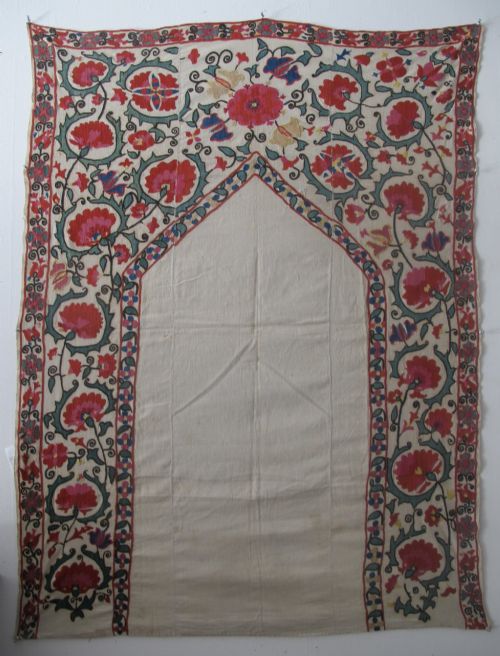
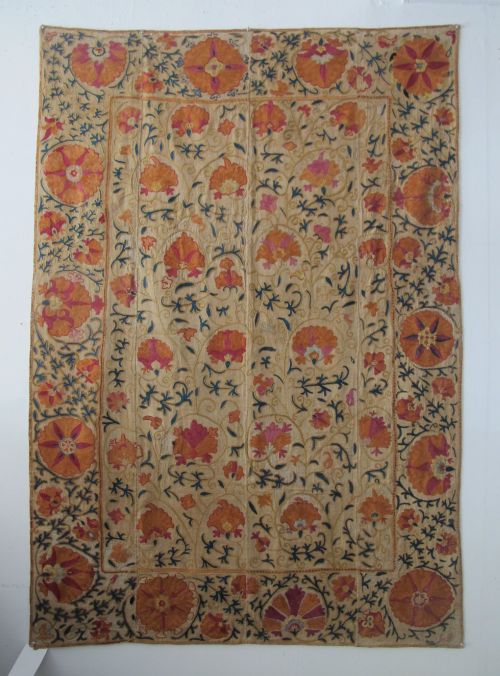
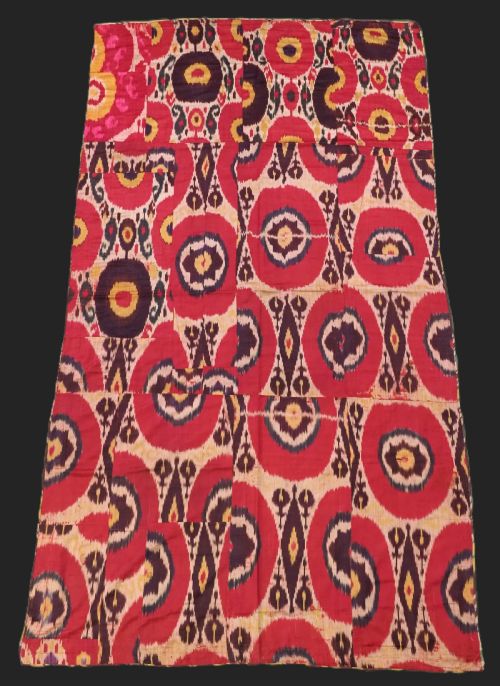
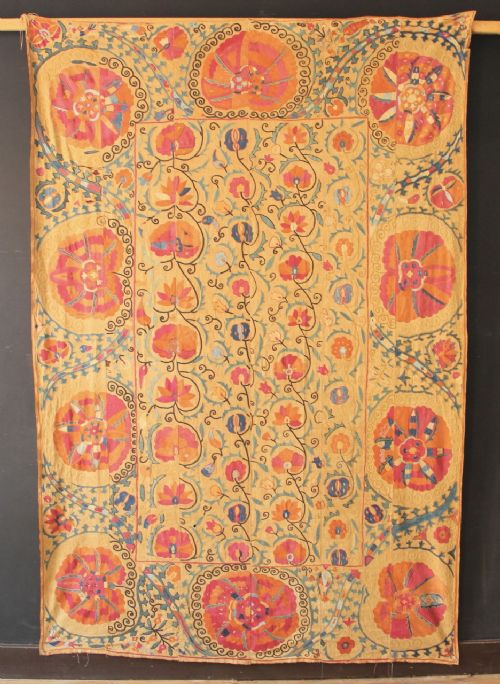
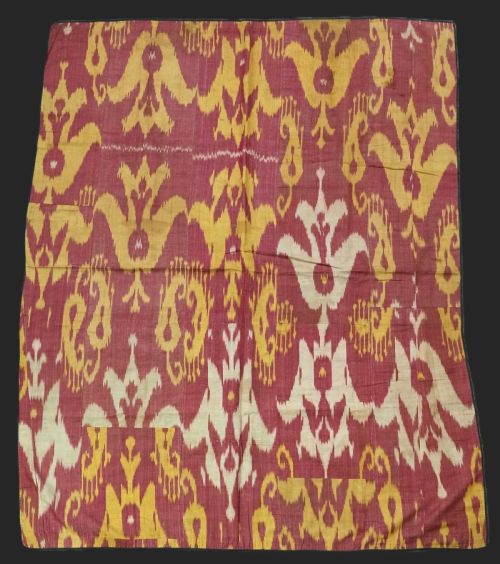
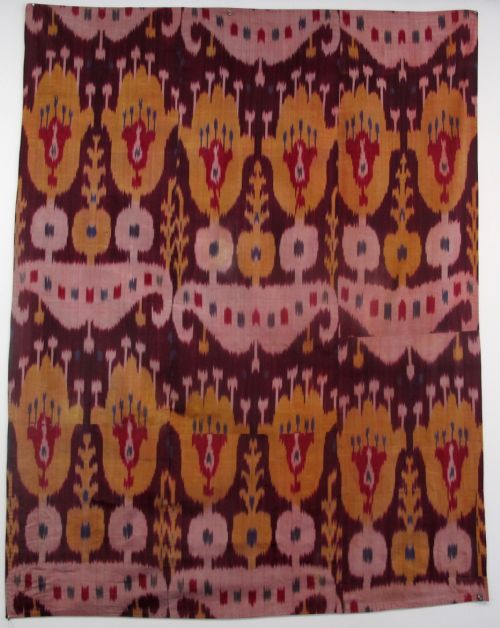
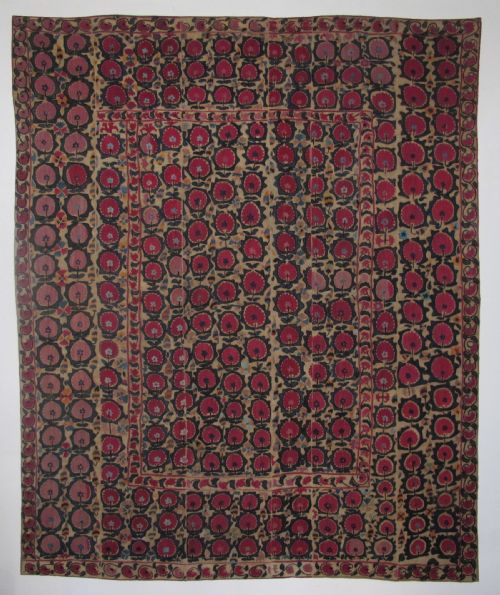
The selections on this page predominantly include suzanis with intricate floral and medallion designs, alongside silk ikat fabric panels and kilim rugs. Pieces often arrive from specific centres such as Bokhara, Tashkent, and Shakhrisabz.
Makers utilised various formats, including full work suzanis, prayer formats, and smaller nim suzanis. Each textile presents distinctive patterns rooted in Uzbek, Tajik, or Lakai tribal artistry.
Materials and construction
Artisans constructed these textiles primarily using fine silk thread for embroidery, stitching dense patterns onto a foundation cloth of cotton, wool, or silk. Grounds appear in shades of yellow, red, black, and natural tones.
Many items combine hand embroidery with specialised techniques like ikat resist-dyeing, where threads undergo patterning before weaving. Kilims are woven in multiple narrow strips and joined together to create larger rugs and panels.
Traditional Uzbek Tapestry Retail Price Guide 2026
Typical asking prices for traditional uzbek tapestry among the pieces listed under this phrase on Sellingantiques today, from the lower quarter to the upper quarter. They describe what is for sale here now, not the wider market.
Some nineteenth-century makers stitched deliberate minor flaws into their embroidery to ward off the evil eye and ensure human perfection remained unattainable.
Assessing quality in Uzbek textiles
Quality rests upon the density of the embroidery work and the intricacy of the design, with full work panels showing complete needle coverage across the ground cloth. Finer execution displays precise stitching and balanced proportions within architectural or floral layouts.
The choice of foundation material and the vibrancy of the remaining dye contribute significantly to visual impact. Age-related fading softens the palette, but surviving clarity in the silk thread embroidery distinguishes superior examples.
The Traditional Uzbek Tapestry Glossary
- Suzani
- An embroidered hanging from Central Asia. The word derives from the Persian term for needlework.
- Ikat
- A dyeing technique where yarns are resist-dyed prior to weaving. This method creates characteristic blurred edges along the pattern lines.
- Adras
- A traditional fabric woven with a silk warp and a cotton welt. It combines the lustre of silk with the practicality of cotton.
- Kilim
- A flat-weave carpet or textile made without a pile. These pieces are often constructed from narrow woven strips joined side by side.
- Palak
- A large, fully embroidered suzani design type. These patterns typically feature large medallions or dense overall floral motifs covering the entire ground.
Traditional Uzbek Tapestry: Frequently Asked Questions
What is a suzani?
A suzani is a traditional embroidered textile created in Central Asia, primarily Uzbekistan. Women stitched these decorative hangings for domestic use and ceremonial purposes.
They often served as wall decorations, bed covers, or marriage dowry items, featuring vibrant floral, vine, and medallion patterns.
How are ikat panels made?
Ikat panels are produced through a meticulous resist-dyeing process applied to the threads before the weaving begins. Artisans bind bundles of yarn in specific patterns before submerging them in dye.
Once woven, the threads produce designs with characteristic feathered or softened outlines that distinguish ikat from printed fabrics.
How do I date these textiles?
Dating relies on examining the materials, dyes, and regional embroidery styles used in the piece. Natural dyes, hand-spun cotton or silk grounds, and traditional tribal motifs usually indicate nineteenth or early twentieth-century origins.
Comparing the density of the stitching and specific regional layouts from centres like Bokhara or Tashkent helps narrow the production period.
How should I hang a textile?
Displaying a textile safely involves distributing the weight evenly across the entire upper edge to avoid stressing the fabric. Professional framing with UV-protective glass or mounting on a padded, fabric-covered batten works best.
Direct sunlight and heavy weights should be avoided to preserve the delicate silk embroidery and cotton grounds over time.