





Traditional Urns on Pedestals
Traditional urns on pedestals are classical focal points that elevate garden planting and interior display.
Traditional Urns on Pedestals
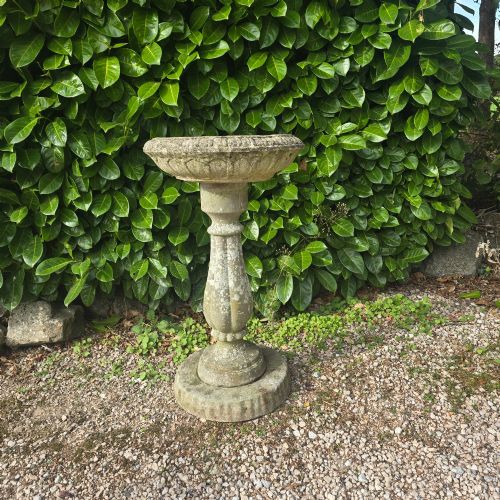
Traditional urns on pedestals comprise a vessel and a supporting stand, frequently found in garden and interior settings. These pieces draw upon classical forms to create architectural presence in a space. Buyers encounter variations spanning the Georgian, Victorian, and Edwardian periods.
How they were made
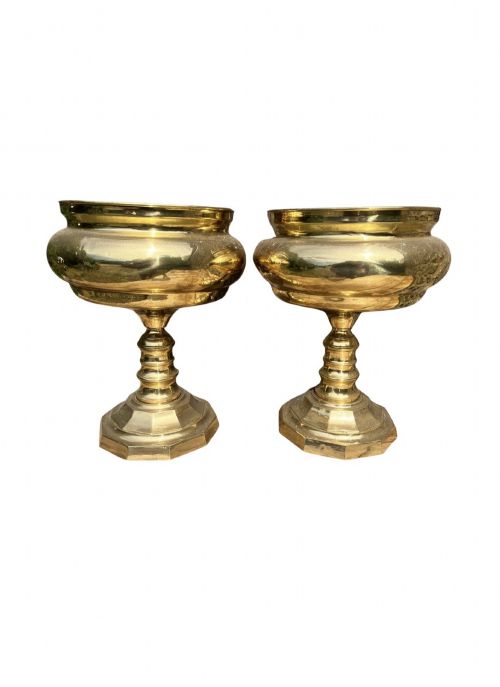
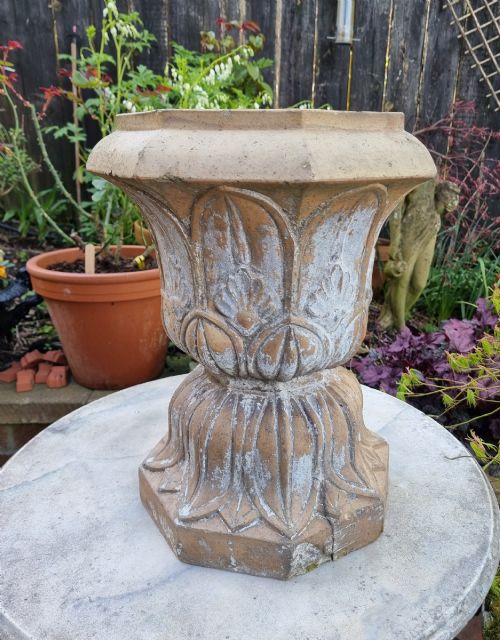
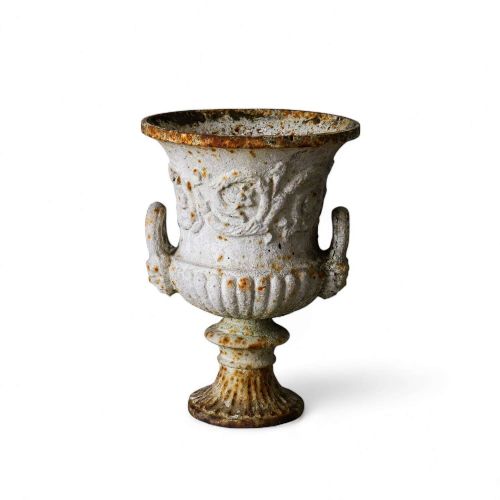
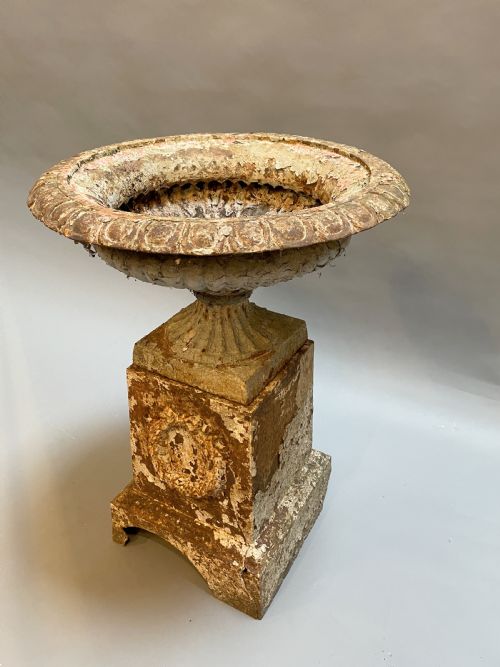
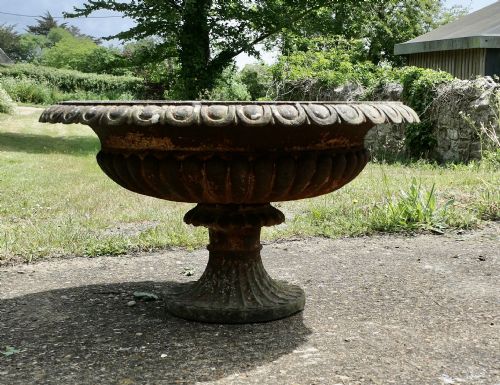
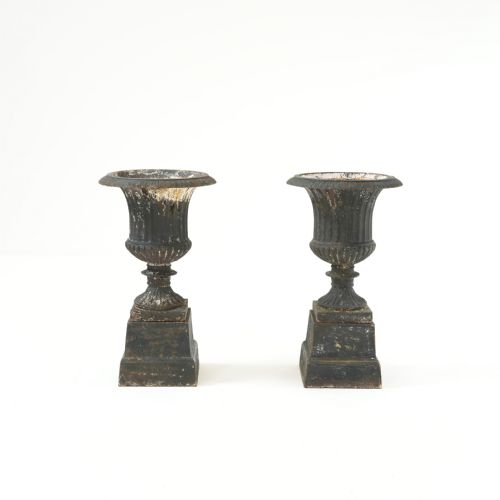
Metal garden examples utilise cast iron, often paired with dedicated plinths, alongside terracotta and brass for planters and goblets. Makers cast iron into campana profiles, resulting in heavy, durable vessels designed to weather outdoor environments. Terracotta pieces rely on fired clay, displaying natural patination.
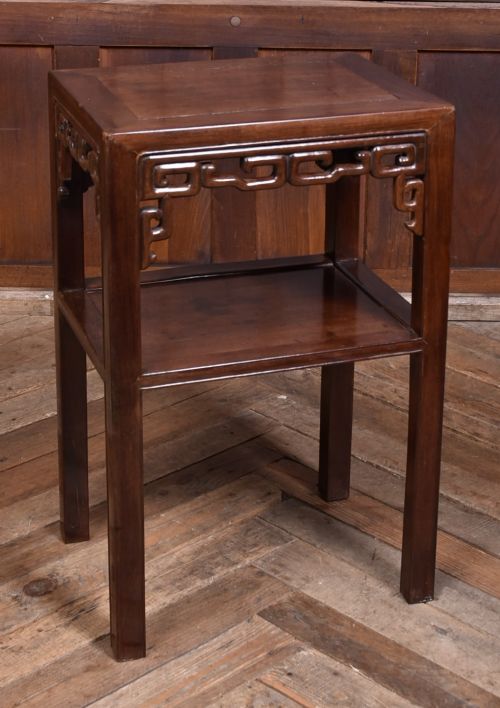
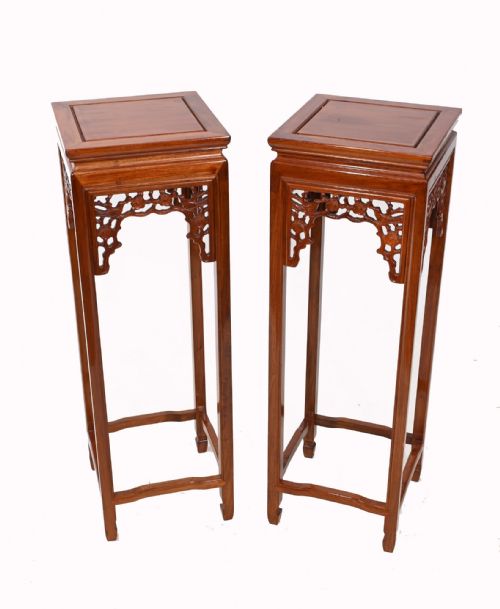
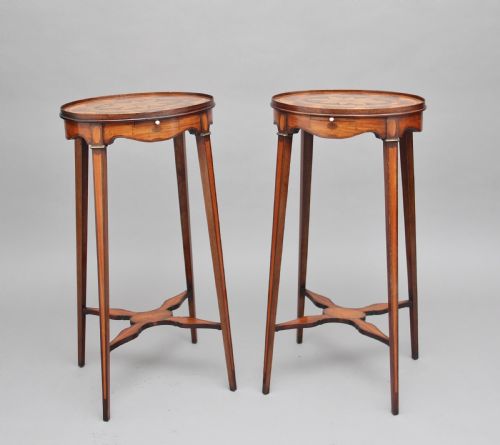
Interior stands and plant holders employ timbers such as mahogany, rosewood, oak, and hardwood. Craftsmen incorporated marquetry inlay, carved detailing, and barley twist turnings on torchères and pedestal tables. Lacquer and cloisonné enamel appear on specific Chinese export forms.
Traditional Urns on Pedestals Retail Price Guide 2026
Typical asking prices for traditional urns on pedestals among the pieces listed under this phrase on Sellingantiques today, from the lower quarter to the upper quarter. They describe what is for sale here now, not the wider market.
Listings span the Georgian, Victorian, and Edwardian periods, alongside early twentieth-century examples.
What varies in quality
Quality depends upon the crispness of the casting in iron examples and the depth of carving in wooden stands. Superior pieces exhibit well-defined gadrooning, balanced proportions, and careful joinery. Secondary examples show simpler finishing and more utilitarian construction.
Materials dictate longevity and presence, with heavy cast iron and dense hardwoods sitting at the upper end of the scale. The integration between urn and plinth, or plant stand and top surface, determines the structural harmony of the pairing.
Andrew Handyside
The Traditional Urns on Pedestals Glossary
- Campana
- A bell-shaped garden urn with a flared rim and footed base. This form is common in cast iron and terracotta listings.
- Torchère
- A tall, slender stand designed to hold a light or a plant. These wooden supports appear frequently in mahogany and hardwood.
- Plinth
- A heavy base or pedestal supporting an urn or sculpture. They elevate the vessel to create a focal point.
- Gadrooning
- A decorative carved or cast band of convex curves. This ornament often edges the rim of traditional urns.
Traditional Urns on Pedestals: Frequently Asked Questions
Where should I place a cast iron urn?
Cast iron urns suit garden settings, terraces, and paved courtyards where their weight and weather-resistance are an advantage. Their sturdy construction allows them to remain outside through seasonal changes.
Paired with plinths, they create symmetrical focal points beside paths or entrances.
How do I use a torchere stand?
Torchère stands provide elevated surfaces for indoor plants, vases, or table lamps. Their slender proportions make them suitable for corners and narrower spaces.
They lift decorative objects to eye level within a room.
Are these urns frost proof?
Metal and cast iron pieces handle outdoor placement well, developing a weathered surface over time. Terracotta requires monitoring during freezing conditions to prevent cracking.
Checking the specific material helps determine winter care.
How do I date a wooden plant stand?
Dating relies on timber choice, such as mahogany or rosewood, combined with stylistic indicators like inlay work or barley twist turnings. Georgian and Victorian pieces show traditional hand-joining techniques.
Comparing the turning style and finish provides clues to the period.