

Traditional Upholstery Chair
A traditional upholstery chair brings centuries of refined seating comfort into a room, offering deep-seated support shaped by historical craft.
Traditional Upholstery Chair
A traditional upholstery chair encompasses a variety of forms designed for comfort and utility, ranging from grand country house armchairs to library and dining seating. When searching for a traditional upholstery chair, buyers encounter pieces spanning the eighteenth, nineteenth, and early twentieth centuries, including distinct styles such as Regency, Edwardian, and Victorian.
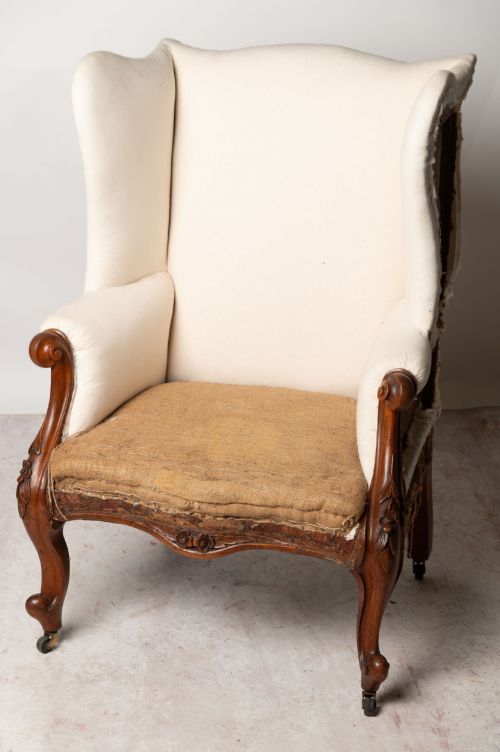
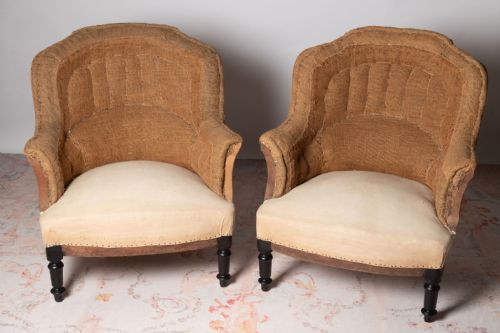
The selection frequently includes armchairs with deep seats, wingbacks, barrel backs, and tub backs alongside sets of dining chairs in mahogany and oak. Origins stretch across English country houses and French workshops, utilising classic silhouettes like the Queen Anne Revival and Grafton designs.
How they were made
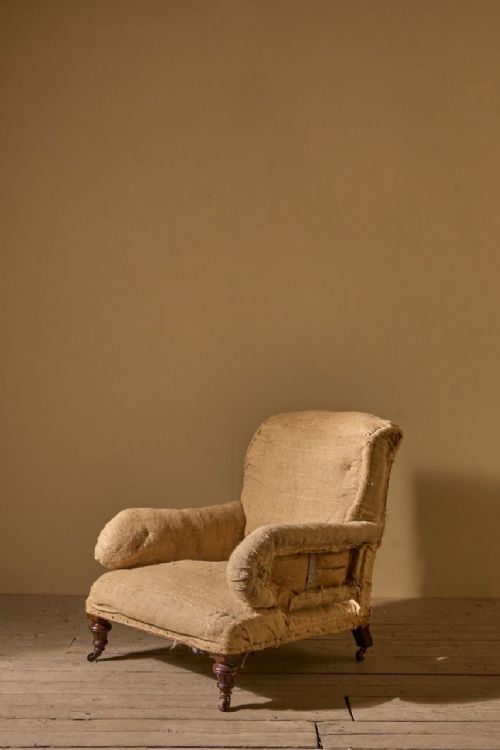
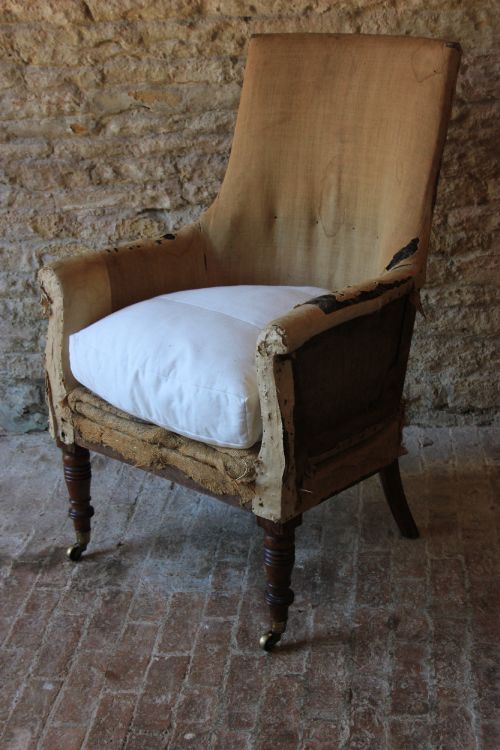
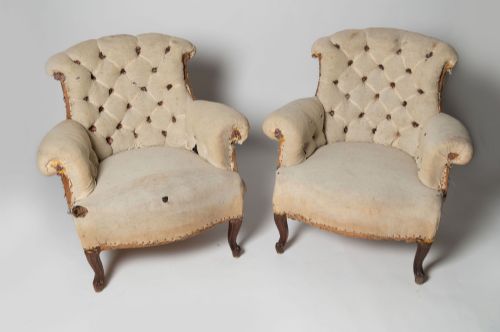
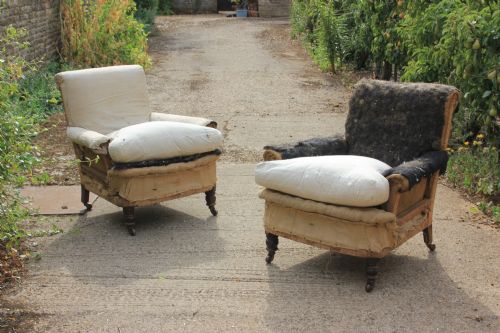
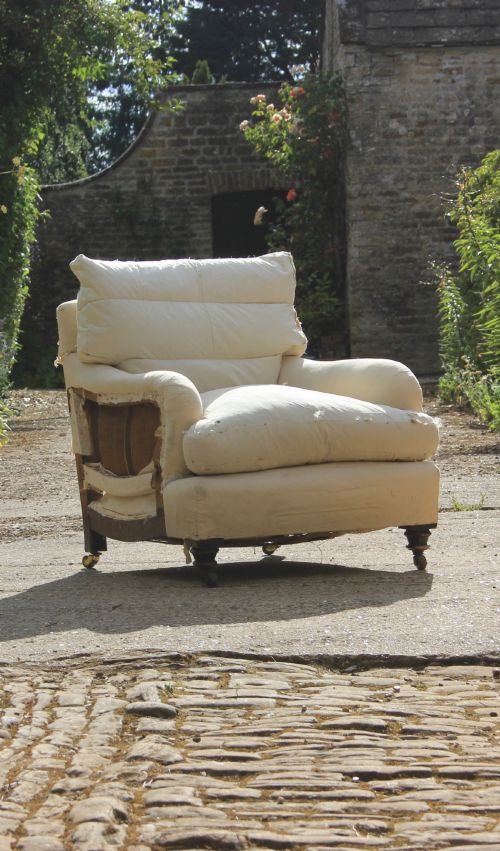
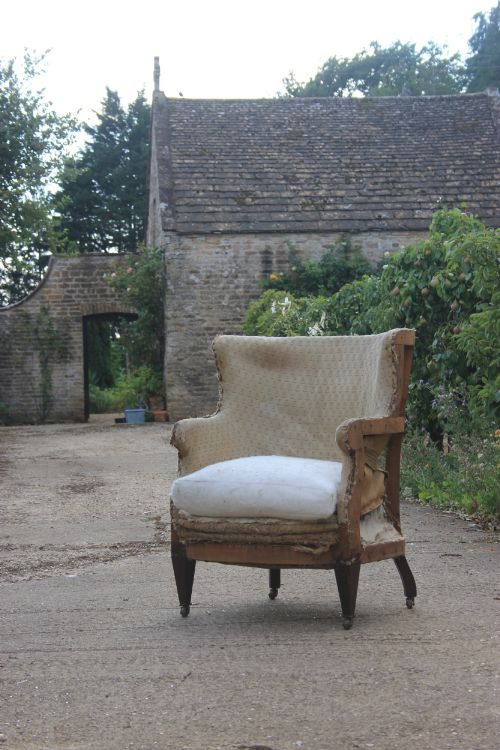
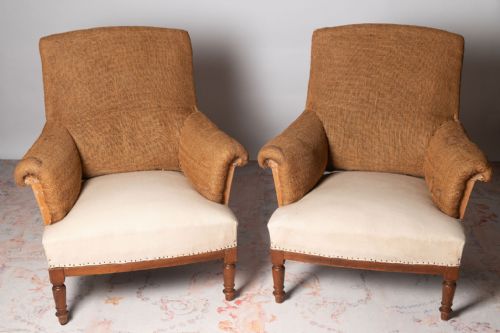
Construction relies on sturdy timbers such as mahogany, walnut, oak, beech, and general wood frames that support internal webbing and stuffing. Brass details often accent the framework, while foundational layers of hessian and calico prepare the piece for final fabric or leather covering.
Traditional framing techniques anchor the springs and stuffing securely within the wooden skeleton, allowing large armchairs and dining chairs to maintain structural integrity over generations.
Listings feature periods spanning the 18th Century, Georgian, Regency, Victorian, Edwardian, and 1900.
What varies in quality
The standard of a traditional upholstery chair depends upon the integrity of the underlying woodwork and the precision of the frame construction, whether executed in solid mahogany, walnut, or oak. Pieces bearing maker attributions or distinct workshop origins display superior joinery and refined proportions that elevate their standing.
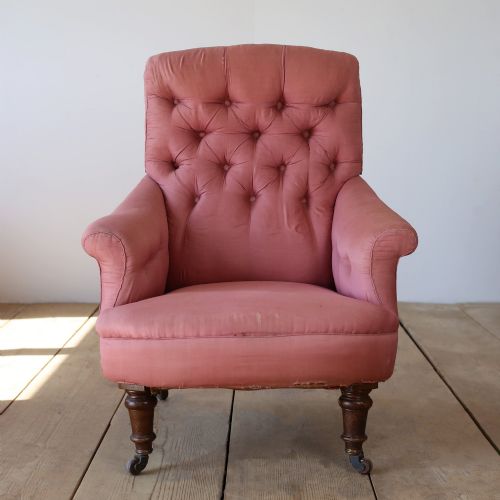
The depth and execution of stylistic details, from carved claw and ball legs to inlaid mahogany and button-backed profiling, distinguish standard seating from exceptional examples.
Howard And Sons·Gillows
The Traditional Upholstery Chair Glossary
- Hessian
- A coarse woven fabric typically used as a foundational layer for webbing and stuffing inside traditional seats. It provides the necessary tension to support internal padding.
- Calico
- A plain-woven cotton textile applied over the stuffing of a chair to create a smooth, firm sub-layer before the outer cover is fitted. This material holds the interior components securely in place.
- Gainsborough chair
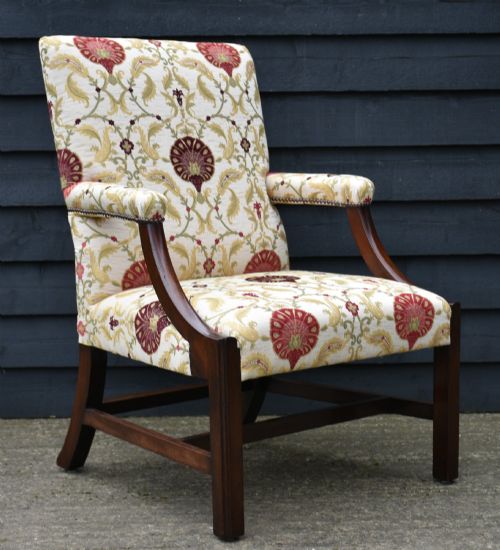
- A wide-seated, open-arm armchair originating in the mid-eighteenth century, typically featuring upholstered back and armpads on a mahogany frame. These chairs were designed for writing desks or parlours.
- Wingback armchair
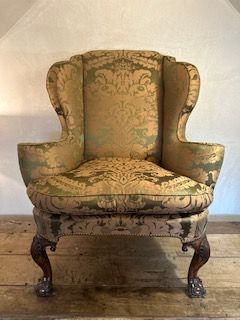
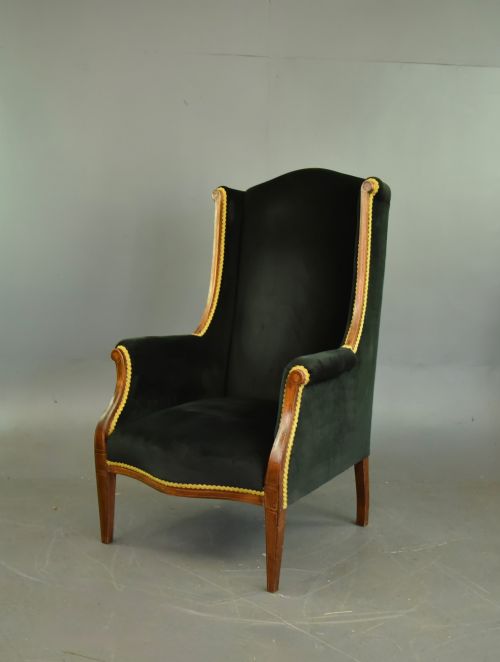
- A high-backed seating form featuring projecting side panels designed to shield the sitter from draughts and retain heat from a fireplace. Early examples often rest on carved wooden legs.
- Bridge-water armchair
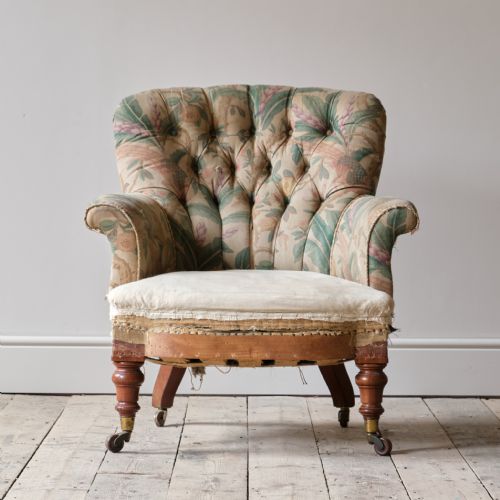
- A comfortable, low-slung armchair style associated with late nineteenth and early Edwardian makers, known for generous padding and relaxed proportions. It represents a pinnacle of Victorian lounging comfort.
Traditional Upholstery Chair: Frequently Asked Questions
What defines a traditional upholstery chair?
A traditional upholstery chair is defined by its historical period construction, utilising timber frames combined with foundational textiles like hessian and calico before final covering in fabric, leather, or calico for further work.
These pieces reflect specific stylistic eras ranging from eighteenth-century Georgian designs to Edwardian and Victorian forms.
How do I identify a country house armchair?
Country house armchairs are typically recognised by their large, deep-seated proportions and generous padding designed for extended comfort in domestic settings. They often date from the nineteenth or early twentieth century and show substantial wooden frames.
Such chairs prioritize comfort and scale over delicate decorative carving, making them suited to relaxed living spaces.
What is the difference between a library chair and a dining chair?
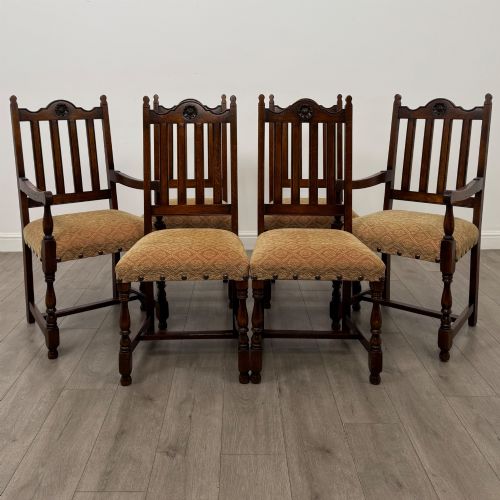
Library chairs are built for solitary reading and relaxation, often featuring upholstered armrests, wider seats, and supportive backs in Regency or Victorian styles. Dining chairs are made in sets for communal seating around a table, utilising upright frames in mahogany or oak.
Dining chairs lack the deep cushioning and enveloping arms found on library armchairs.
How should I care for antique upholstered seating?
Care involves protecting the exposed wooden elements such as mahogany, walnut, or beech frames from direct sunlight and excessive dryness. Regular light dusting of the timber and gentle vacuuming of the fabric helps preserve the materials.
Avoid harsh chemical cleaners on both the upholstery textiles and the polished wooden legs to maintain the integrity of the piece.