
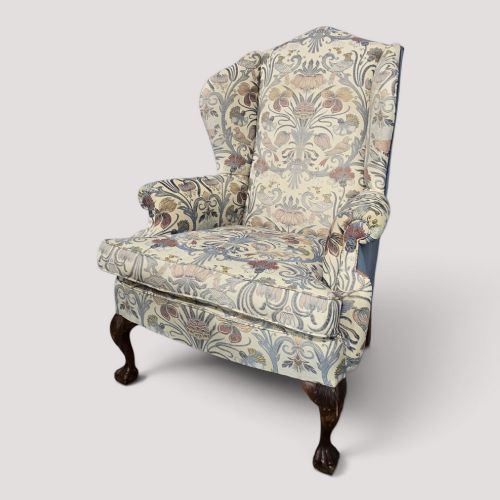
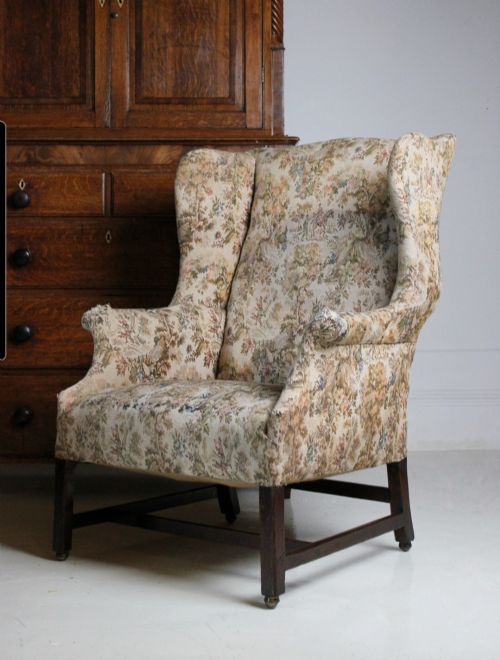
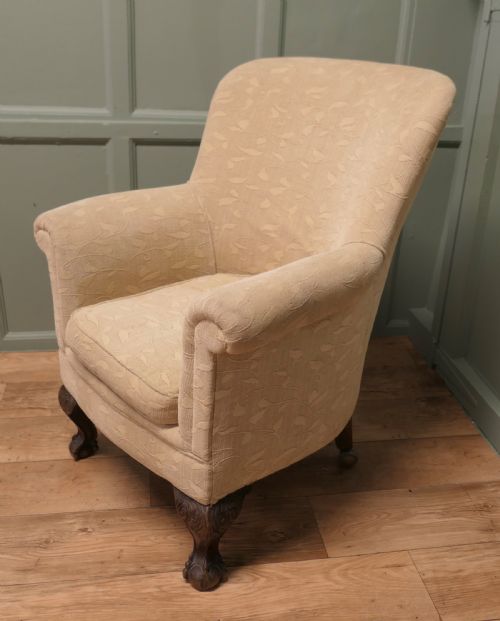
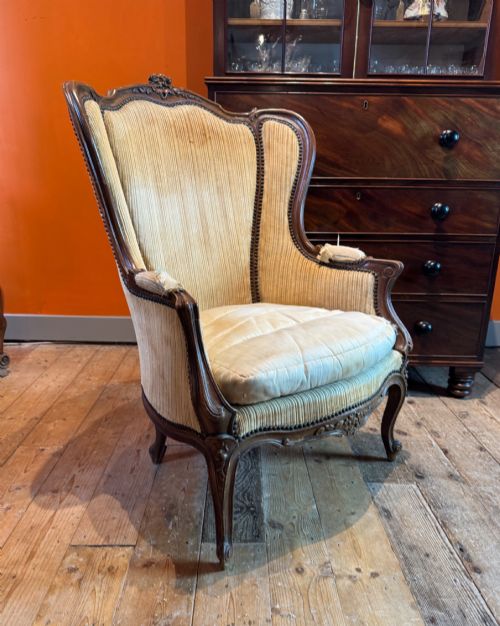
Traditional Upholstered Wingback Chair
A traditional upholstered wingback chair offers deep comfort and draught-excluding wings, combining period character with practical seating.
Traditional Upholstered Wingback Chair
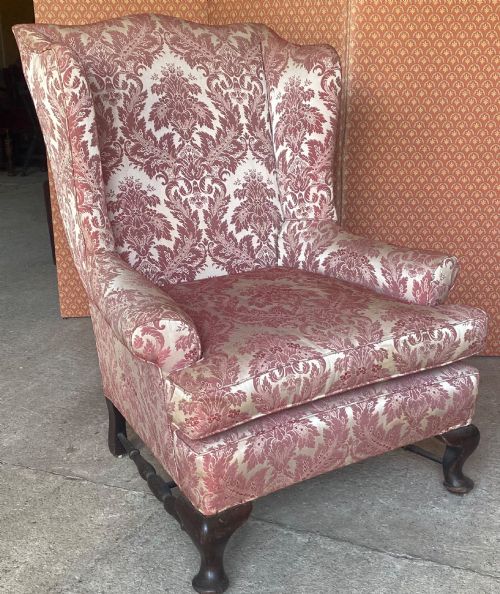
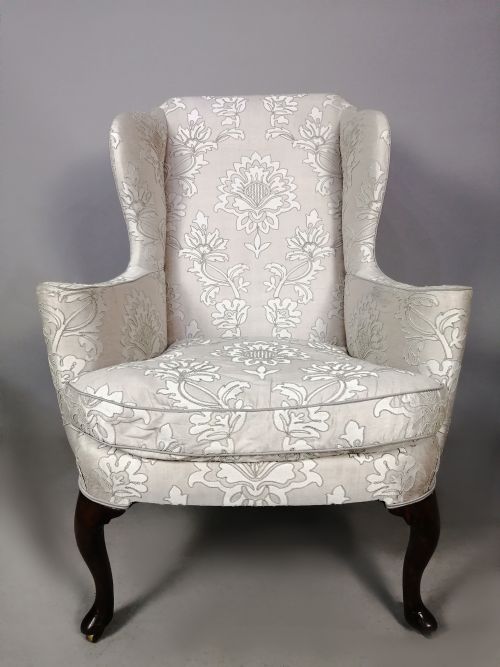
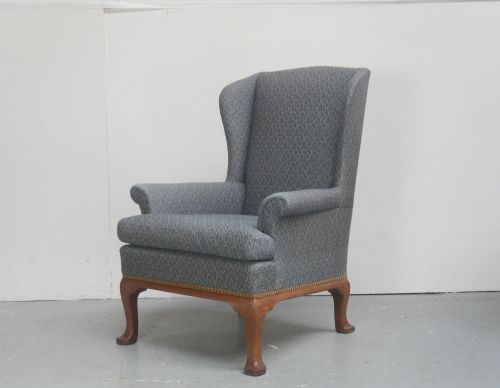
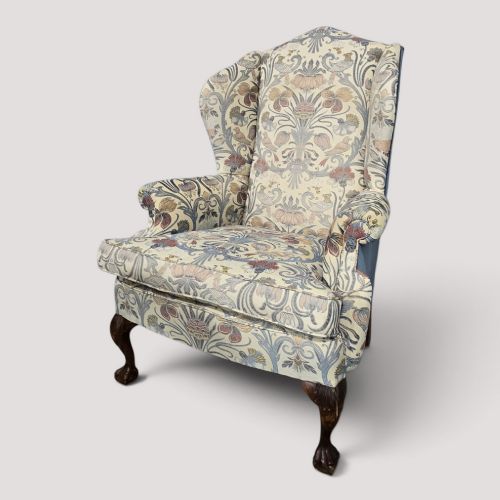
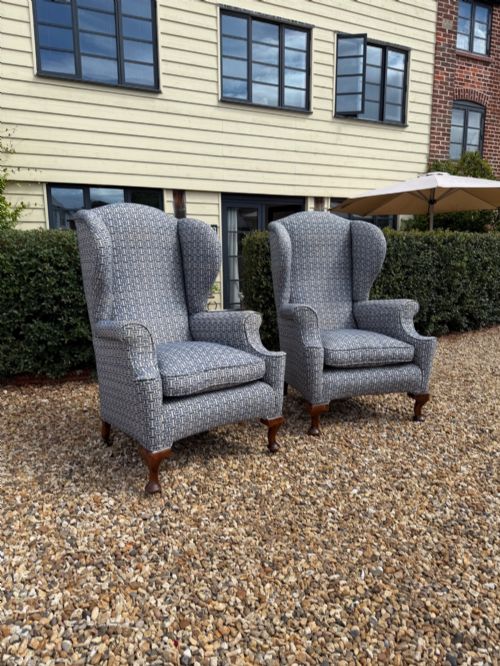
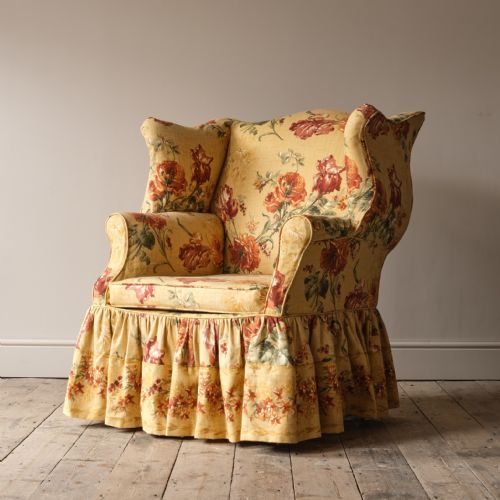
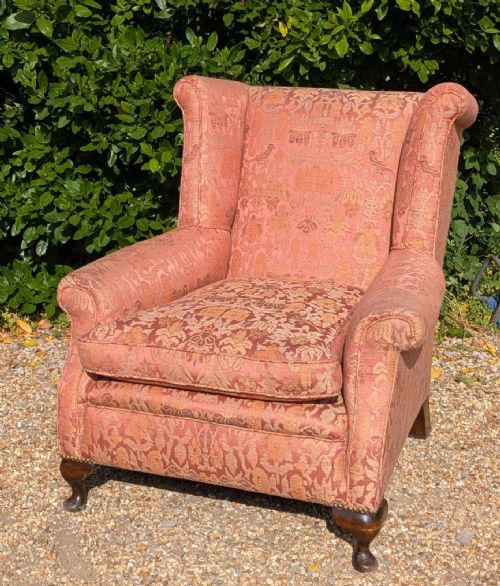
A traditional upholstered wingback chair is a form designed to protect the sitter from draughts by the fireside, featuring characteristic side panels attached to the arms. The pieces seen here span from the 18th century through the Georgian, Victorian, and Edwardian eras up to the 1930s.
Buyers are most likely to encounter 19th-century and 20th-century interpretations alongside earlier Georgian examples, constructed mainly as large armchairs or occasional seating.
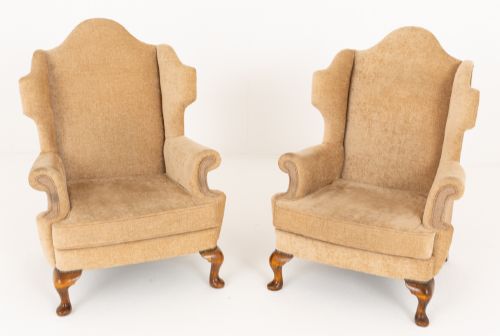
The selection includes variations such as barrel back designs, child-sized models, and occasional pairs framed in timber or mahogany.
How they were made
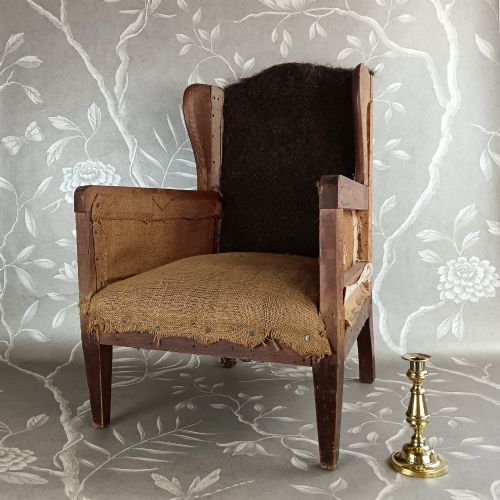
Frames are built from hardwoods like mahogany, walnut, oak, and general timber, providing structural stability beneath the upholstery.
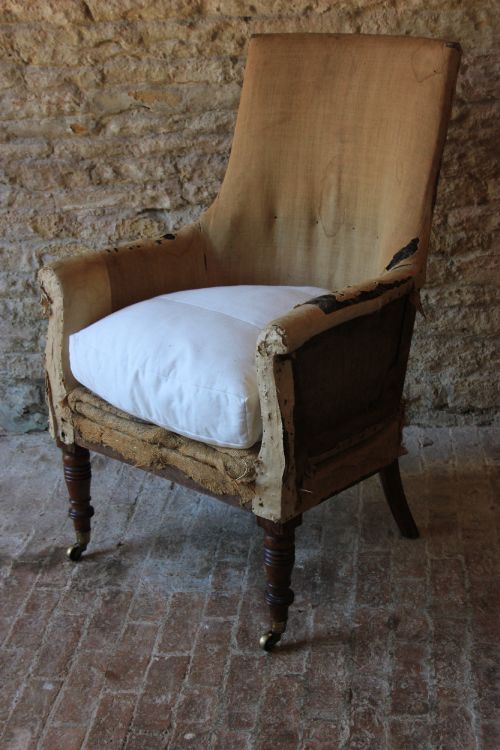
Traditional stuffing relies on materials such as hessian and feather fillings, layered to create a resilient seat.
Coverings range from contemporary fabric and recycled cotton to velvet, chenille twill, and plaid wool, often secured with brass details.
Materials recorded across the inventory feature mahogany, walnut, oak, brass, velvet, chenille, and hessian.
What varies in quality
The standard of a traditional upholstered wingback chair depends heavily on the integrity of the underlying timber frame and the proportion of the wings and backrest.
Execution of period details, such as the shaping of Queen Anne style legs or George III woodwork, distinguishes finer examples from simpler provincial pieces.
The standard of modern or period upholstery materials, including feather filling and textile choice, influences the final finish.
Howard And Sons·Whytock And Reid
The Traditional Upholstered Wingback Chair Glossary
- Wingback
- An armchair featuring protective side panels attached to the armrests designed to trap heat and block draughts.
- Barrel back
- A seating form where the upholstered back curves continuously into the arms to form a semicircular enclosure.
- Bergere
- An enclosed upholstered armchair with wooden framing visible around the sides and back.
- Hessian
- A coarse woven fabric typically utilised as a foundational layer for internal stuffing and support.
- Mahogany
- A durable dark hardwood frequently employed for the legs and exposed frames of 18th- and 19th-century seating.
Traditional Upholstered Wingback Chair: Frequently Asked Questions
How do I identify a Georgian wing chair?
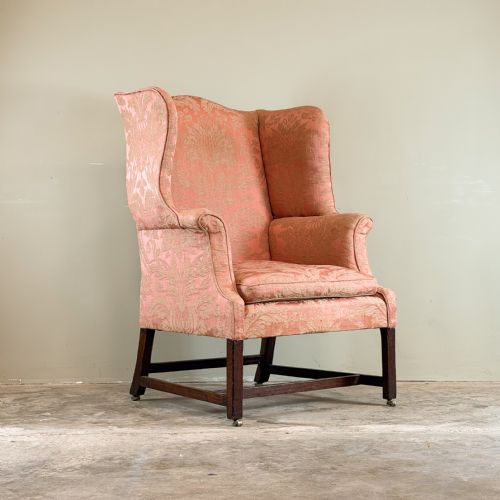
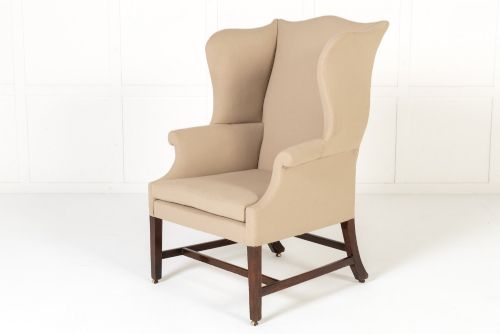
Georgian examples often display characteristic mahogany frames, stretcher bases, and proportions typical of 18th-century cabinetmaking. They present distinct stylistic traits associated with the reigns of George II and George III.
Examine the construction of the undercarriage and the sweep of the arms to distinguish these earlier forms from later Victorian revivals.
How were these chairs used historically?
These chairs were placed near fireplaces in country houses and libraries to shield the occupant from cold draughts. The wings successfully trapped heat from the hearth around the sitter's head and shoulders.
Over time, they transitioned from utilitarian heating shields into formal drawing room and library seating.
Are these chairs suitable for daily use?
Many examples retain sturdy timber frames and comfortable feather or traditional fillings that lend themselves to modern living rooms. Their durable construction makes them practical for everyday seating.
Buyers often select pieces finished in hard-wearing fabrics like cotton, wool, or plaid to handle regular daily wear.