

Traditional Upholstered Wing Chair
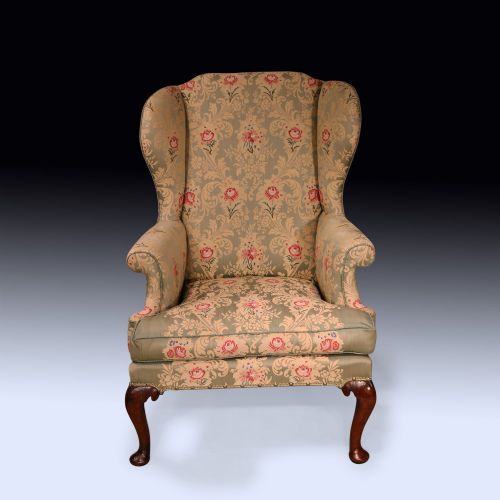
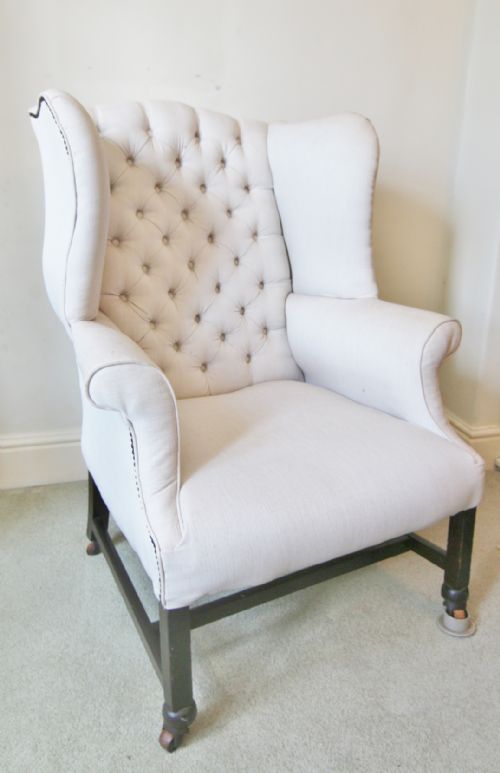
A traditional upholstered wing chair brings high sides and deep comfort to a room, sheltering the sitter from draughts.
Traditional Upholstered Wing Chair
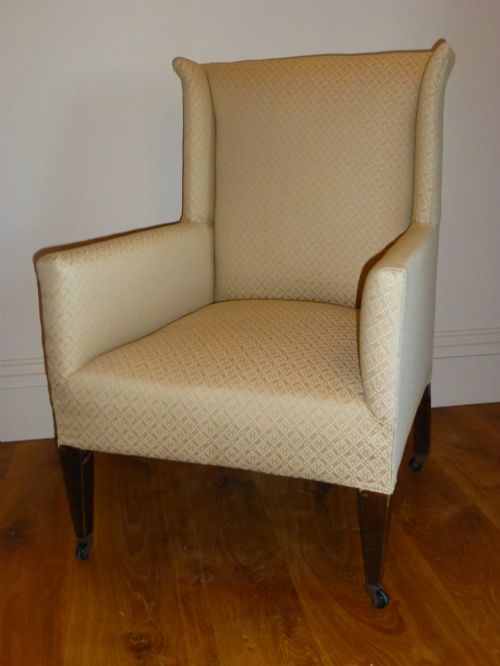
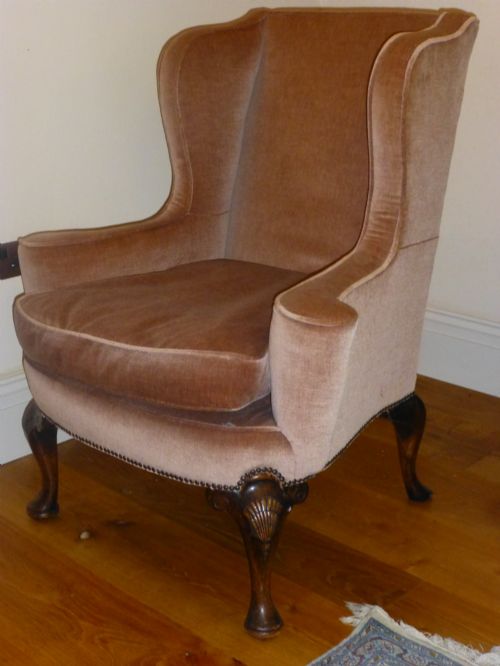
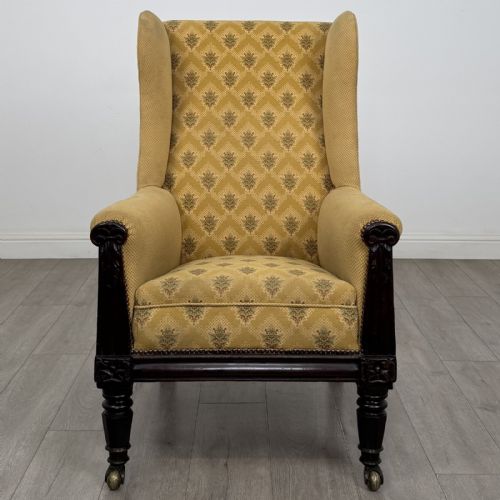
Pieces span several historic eras, appearing in Georgian, Victorian and Edwardian iterations alongside later revivals. Buyers encounter everything from early eighteenth-century walnut frames to substantial nineteenth-century mahogany interpretations and early twentieth-century country house examples.
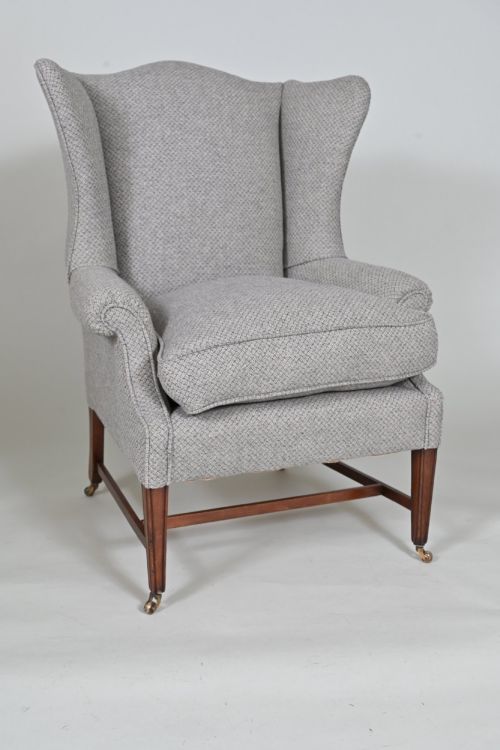
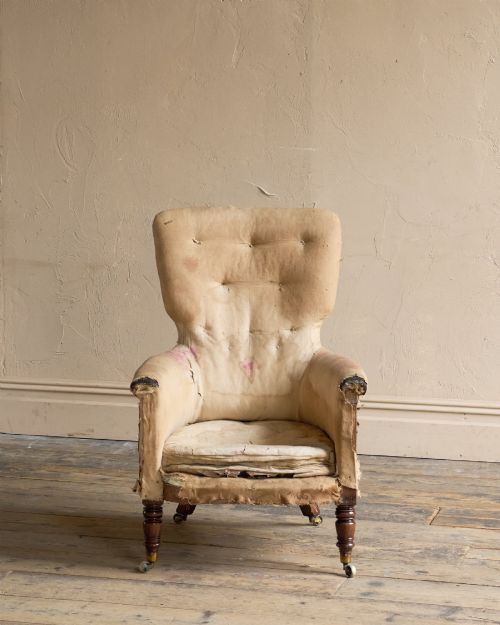
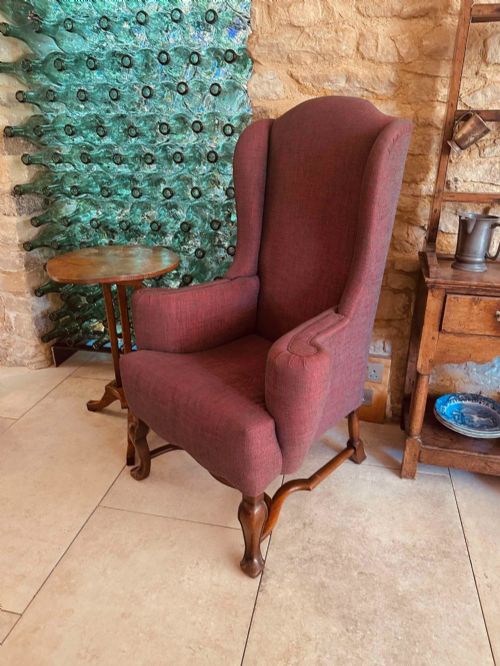
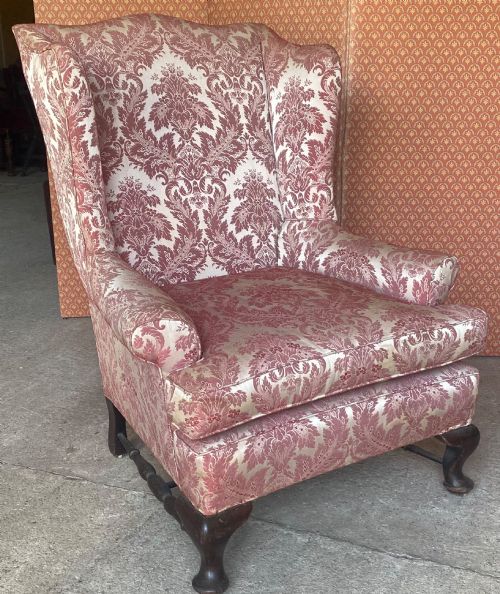
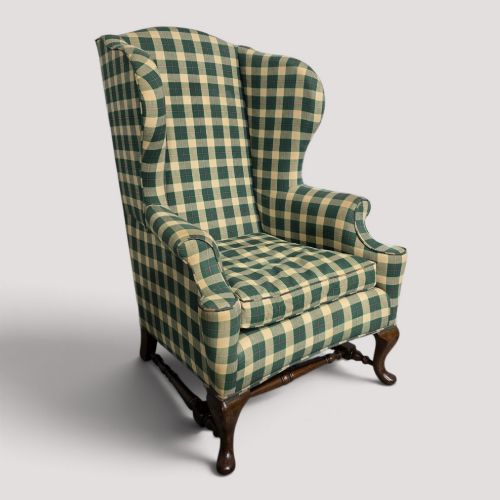
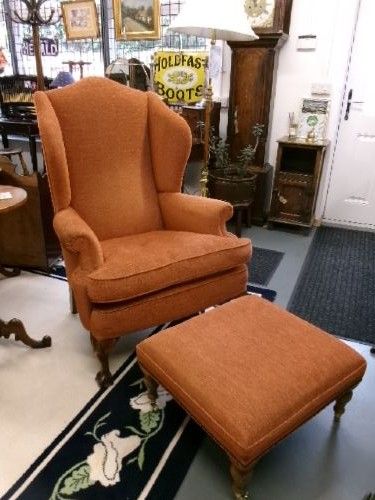
The selection ranges from grand George III models with generous proportions to neat Scottish armchairs and child-sized variants. Frames often arrive covered in modern fabrics like teal plaid or burnt orange chenille, or stripped back completely ready for new upholstery.
How they were made
Makers constructed the structural frames of these seats using dense timbers such as mahogany, walnut, oak, beech and general hardwood. These sturdy wooden carcasses supported the heavy weight of internal padding and frequent daily use over generations.
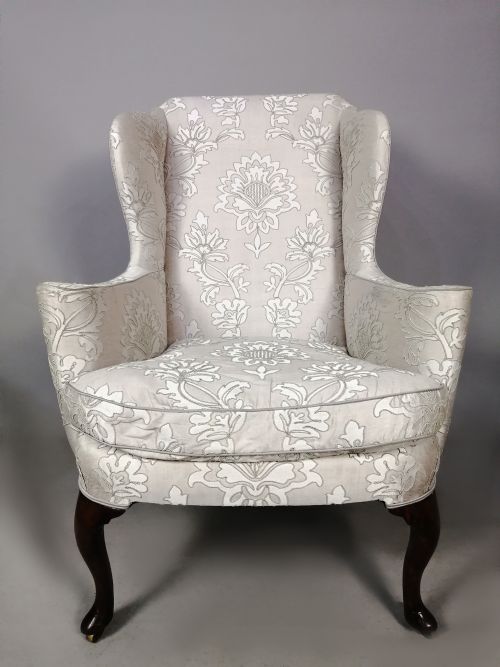
Upholstery techniques involved traditional fabric coverings secured over sprung or stuffed interiors, sometimes accented with brass detailing. Wood elements like tapered legs or scroll arms remained visible beneath or beside the textile wrapping.
Traditional Upholstered Wing Chair Retail Price Guide 2026
Typical asking prices for traditional upholstered wing chair among the pieces listed under this phrase on Sellingantiques today, from the lower quarter to the upper quarter. They describe what is for sale here now, not the wider market.
Keep an eye out for diminutive child-sized wing chairs, proving that small people also required serious draught protection by the hearth.
What varies in quality
The integrity of the underlying wooden frame dictates the distinction between standard examples and superior survivals. Original timber components that retain their structural form without excessive alteration command greater respect from collectors.
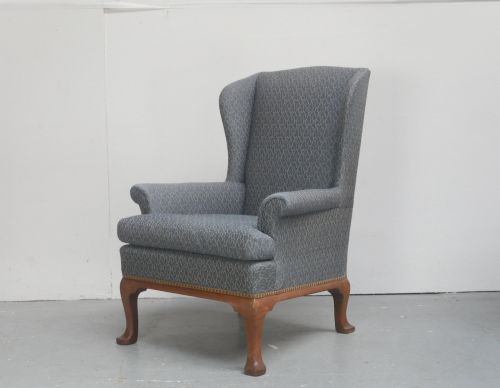
Proportion and scale play a vital part in the overall success of the piece, with commanding wing heights and balanced scroll arms creating a more resolved silhouette. The harmony between the exposed woodwork, such as mahogany legs, and the upholstered body defines the visual standard.
Howard And Sons
The Traditional Upholstered Wing Chair Glossary
- Wingback
- A chair design featuring protective side panels attached to the upper arms. These extensions were originally conceived to trap heat from a fireplace.
- Scroll arms
- Armrests curved outward in a tight, ornamental spiral shape. This flourish appears frequently on Regency and nineteenth-century seating.
- George III
- The period spanning the reign of the third king of that name, associated with refined mahogany furniture. Pieces from this era often display significant scale.
- Queen Anne style
- A design movement characterised by pad feet and graceful, curving lines. Revival versions of this aesthetic emerged in later decades.
- Barrel back
- An armchair style where the back and arms form a continuous, semicircular enclosure. This curved configuration offers an exceptionally snug sit.
Traditional Upholstered Wing Chair: Frequently Asked Questions
How do I identify a Georgian wing chair?
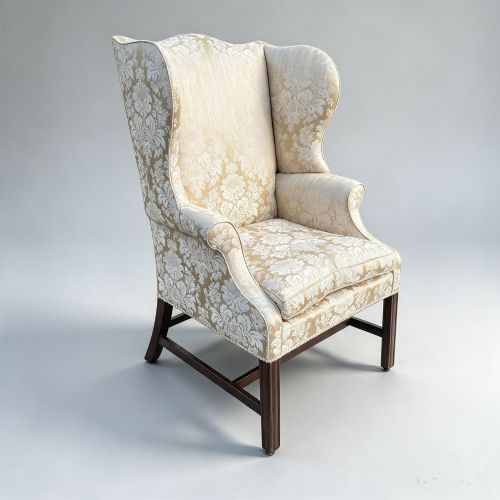
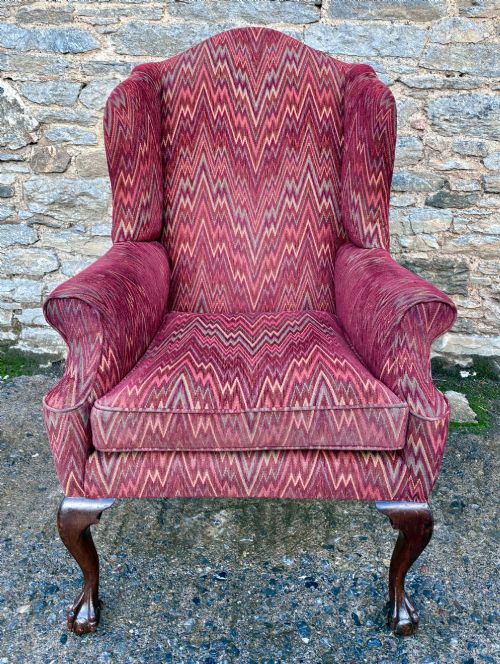
Georgian examples often feature substantial mahogany frames, elegant cabriole or straight legs, and deep proportions built for comfort. Their wings typically display sweeping, architectural lines characteristic of eighteenth-century design.
Later revivals from the nineteenth and twentieth centuries imitate these earlier proportions, so examining the timber maturity helps clarify the true age.
Why did wing chairs have wings?
The side panels on these chairs were originally engineered to trap heat from a hearth fire while deflecting chilly air drafts away from the sitter's head and neck. This practical domestic function made them essential furniture for large, cold rooms.
Over time, the protective wings evolved from a purely functional heating shield into a decorative hallmark of traditional seating comfort.
Can I get a wing chair for upholstery?
Many listings offer frames sold specifically for re-upholstery, allowing buyers to select their own custom fabric finishes. This provides an opportunity to restore historic frames using modern textiles like wool, velvet or plaid.
Stripped frames also let owners inspect the internal hardwood structure and webbing firsthand before committing to a final decorative scheme.