





Traditional Upholstered Hassock
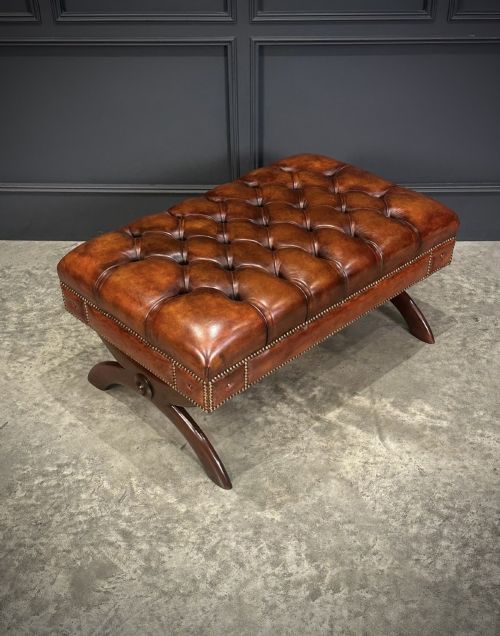
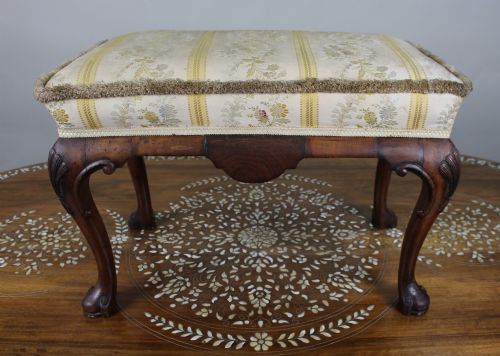
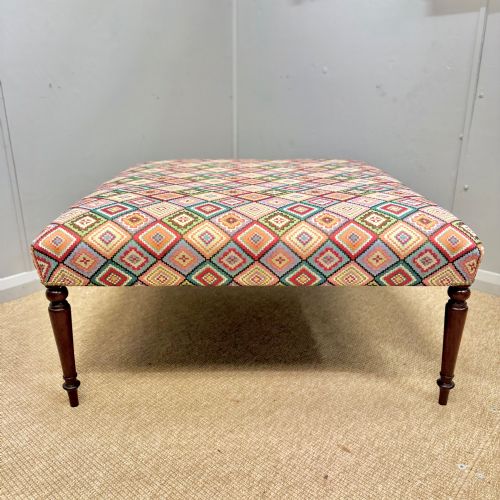
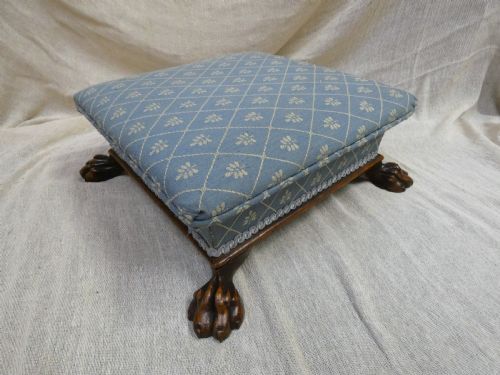
These traditional upholstered hassock pieces are low, padded seats designed for comfort, bringing tactile warmth and period character to any room.
Traditional Upholstered Hassock
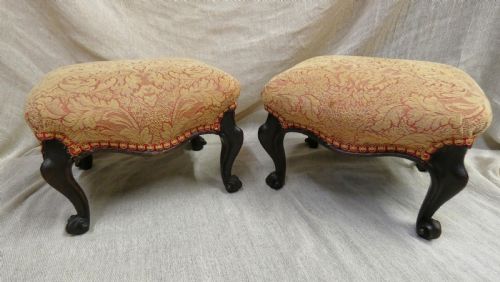
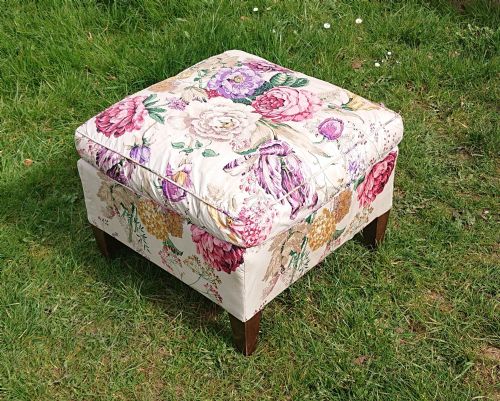
When you search for a traditional upholstered hassock, you are looking at low seating designed to rest feet or provide extra perches, appearing across Victorian and Edwardian periods. The selection on this page centres on footstools, footstools and ottomans, and ottoman seats.
Most examples you will meet here date from the nineteenth century, including specific Victorian and Edwardian pieces, alongside items styled around English country house and Queen Anne revival aesthetics.
These forms range from compact square footstools to large geometric footstools and paired items, often functioning as flexible foot rests or low seats in sitting rooms.
How they were made
Timbers form the underlying structural frames of these pieces, with mahogany appearing alongside general timber construction to provide sturdy support for daily use.
Cushioning and upholstery utilise textiles such as cotton, woven fabrics, and damask fabric, frequently finished with fabric trim for a tailored edge.
Detailing often incorporates brass elements, adding functional or decorative accents to the wooden frames and upholstered bodies.
Traditional Upholstered Hassock Retail Price Guide 2026
Typical asking prices for traditional upholstered hassock among the pieces listed under this phrase on Sellingantiques today, from the lower quarter to the upper quarter. They describe what is for sale here now, not the wider market.
Listings feature nineteenth-century and Edwardian pieces, utilising mahogany timber, brass accents, and various woven and damask fabrics.
What varies in quality
The standard of timber framing and the choice of decorative woods create distinctions across the range, with solid mahogany frames marking out more substantial examples.
The grade of the textile upholstery sets pieces apart, where dense damask fabrics and intricate woven materials elevate the tactile presence above standard cotton coverings.
Design ambition distinguishes simple functional foot stools from impressive grand ottoman seats and pieces styled in the manner of notable makers.
Howard and Sons
The Traditional Upholstered Hassock Glossary
- Hassock
- A thick cushion used for kneeling or sitting, or a low upholstered footstool. In this context, it refers to padded footstools and ottomans.
- Ottoman
- A low upholstered seat or footstool without a back or arms, often designed with a cushioned top. These pieces serve as flexible seating or resting surfaces.
- Damask
- A reversible figured fabric of silk, wool, linen, cotton, or synthetic fibres, with patterns formed by weaving. It provides a textured and decorative surface on period upholstery.
- Mahogany
- A durable tropical hardwood with a reddish-brown colour, frequently utilised for quality furniture frames during the nineteenth century.
- Revival
- A style of architecture, interior design, or furniture that consciously copies the style of a previous historical era. Examples include the Queen Anne revival aesthetic.
Traditional Upholstered Hassock: Frequently Asked Questions
What is a traditional upholstered hassock?
A traditional upholstered hassock is a low padded seat or footstool designed for resting feet or providing casual seating. These pieces feature soft top surfaces supported by timber frames.
In period settings, they functioned as versatile furnishings that could easily move around a sitting room. They combine textile upholstery with sturdy wooden structures.
How do I date a traditional upholstered hassock?
Dating relies on examining the underlying timbers, framing construction, and the style of the upholstery fabrics. Pieces from this selection primarily span the nineteenth century, including Victorian and Edwardian eras.
Design cues such as Queen Anne revival styles or English country house aesthetics help narrow down the period. Hardware details like brass components also offer clues to the exact manufacturing era.
Where were these pieces used?
These hassocks and footstools were traditionally placed beside armchairs and sofas in drawing rooms and sitting rooms. They provided comfort for resting feet during long evenings.
Larger ottoman variations also functioned as standalone low seats in bedrooms or dressing rooms. Their portable nature allowed them to be repositioned near firesides.
What materials are used in these hassocks?
Construction centres on wooden frames, with mahogany frequently utilised for its durability and rich grain. Upholstery materials include cotton, woven textiles, and damask fabrics.
Finishing touches often involve fabric trims applied to the edges. Some examples incorporate brass elements on the wooden structures.