


Traditional Turkmen Weave
Traditional Turkmen weave textiles encompass hand-knotted tribal rugs and trappings that bring rich Central Asian heritage into domestic interiors.
Traditional Turkmen Weave
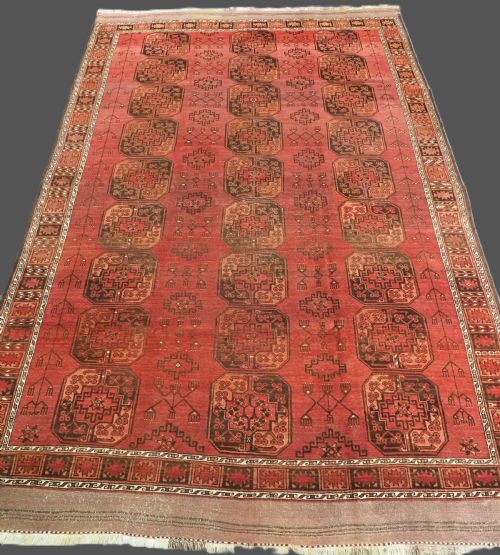
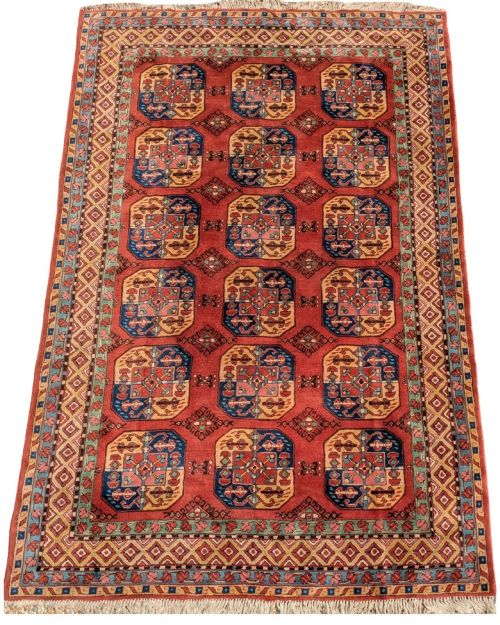
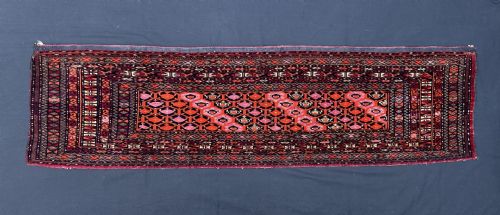
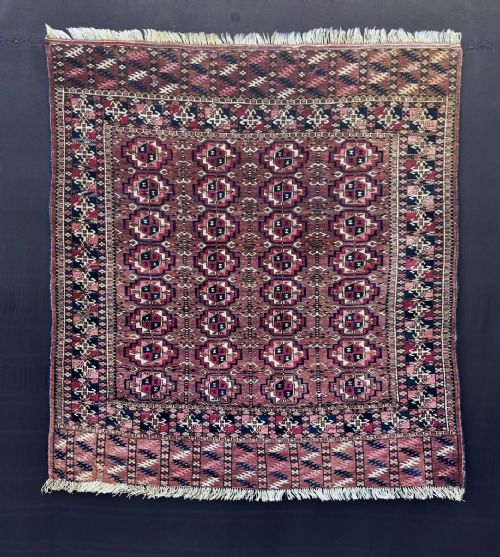
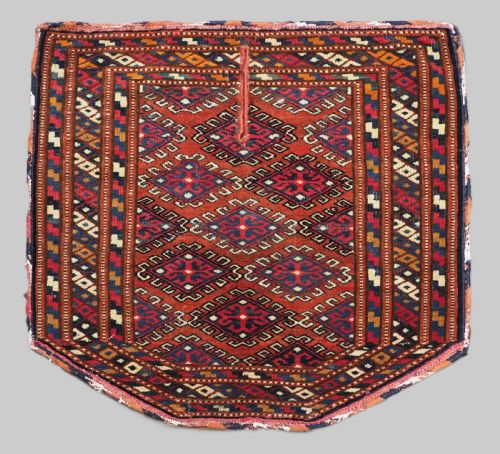
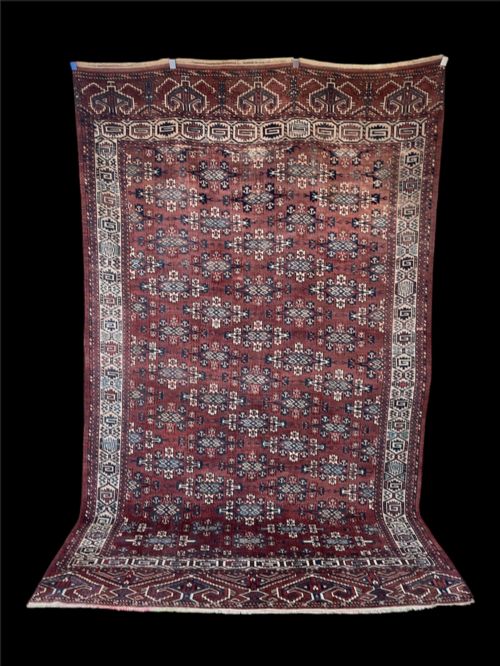
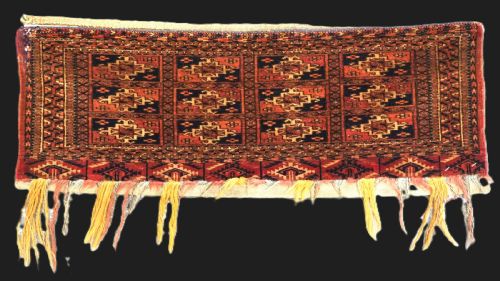
Traditional Turkmen weave objects comprise hand-knotted main carpets, prayer rugs, and utilitarian tribal trappings such as torbas, chuvals, and jollars produced across Central Asia. These items originated from nomadic and settled tribal groups including the Tekke, Yomut, Ersari, and Saryk tribes during the nineteenth and early twentieth centuries.
Buyers will frequently encounter smaller format tent bags, camel or horse trappings, and room-sized main carpets featuring geometric repeating motifs known as güls. The selection ranges from devotional prayer rugs to wedding trappings and dowry pieces made for tribal life.
Each piece reflects specific regional aesthetics from regions such as the Amu Darya basin and the Trans-Caspian steppes. These textiles served both practical functions in nomadic dwellings and significant ceremonial roles within tribal customs.
Materials and construction methods
Weavers utilised hand-spun wool for the pile and foundations, occasionally incorporating cotton, silk highlights, goat hair, or horsehair for structural strength and textural contrast. Natural dyes provided the deep reds, golds, and browns characteristic of the palette.
The construction relies on sturdy knotting techniques paired with flatweave backs and sides on utilitarian bags and trappings. Artisans knotted wool onto wool or mixed foundations to ensure durability for daily nomadic use.
Listings feature wool, natural dyes, silk, and goat hair across pieces dated from 1850 to 1930.
Distinctions in quality
Quality rests upon the density of the knotting, the precision of the geometric design execution, and the depth of the natural dyes. Finer examples display meticulous execution in complex tribal motifs and retain original plain-weave backs.
The integrity of the wool, the subtlety of the colour variations, and the completeness of original borders or structural elements separate standard utilitarian pieces from exceptional tribal works.
The Traditional Turkmen Weave Glossary
- Gül
- A repeating octagonal medallion motif used across tribal carpets to identify specific regional groups and clans.
- Chuval
- A large storage bag utilised within nomadic tents for household possessions and bedding.
- Torba
- A smaller wall-hanging storage bag typically displayed inside the nomadic dwelling.
- Engsi
- A rug designed specifically to hang over the doorway entrance inside a felt tent.
- Asmalyk
- A pentagonal trapping mounted on wedding camels during traditional marriage processions.
Traditional Turkmen Weave: Frequently Asked Questions
What is a traditional Turkmen weave?
A traditional Turkmen weave refers to hand-knotted rugs, carpets, and nomadic storage bags produced by Central Asian tribes using wool and natural dyes.
These textiles are characterised by geometric gul motifs and structured tribal designs originating from the nineteenth and early twentieth centuries.
How were tribal bags used?
Pieces like torbas and chuvals served as functional storage containers inside nomadic tents for clothing, blankets, and household goods.
They were woven to hang against lattice walls or decorate the interior living space of the dwelling.
How do I identify different tribes?
Tribal attribution is determined by the specific gul patterns, secondary ornaments, colour palettes, and structural weaving traits unique to groups like the Tekke or Yomut.
Regional variations in border designs and format also point toward specific weaving localities.
How do I care for antique rugs?
Protect antique wool textiles by avoiding direct sunlight and placing them in dry environments with stable temperatures.
Regular gentle vacuuming without rotary brushes helps maintain the wool pile safely over time.