





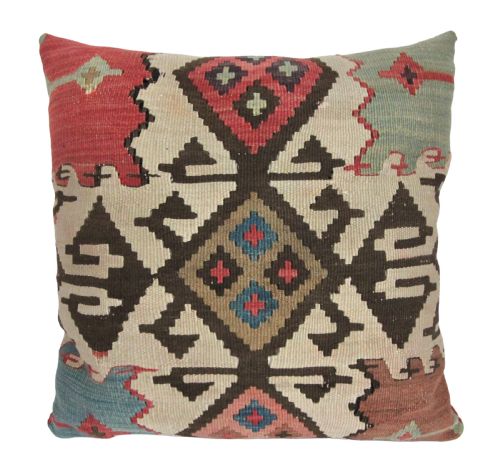


Traditional Turkish Kilim
A traditional turkish kilim brings tactile warmth and geometry to a room through centuries-old flatweave traditions.
Traditional Turkish Kilim
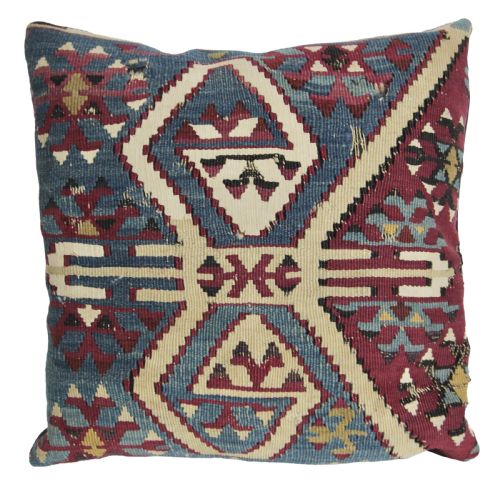
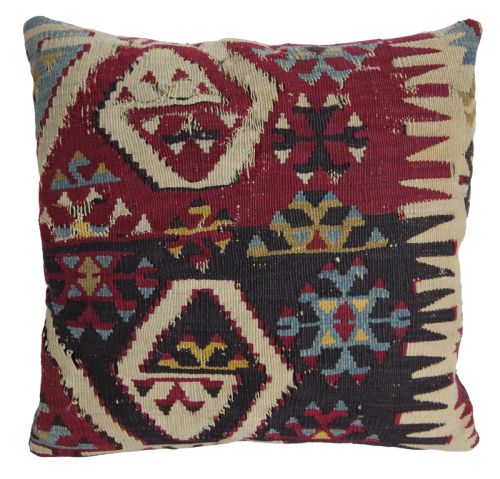
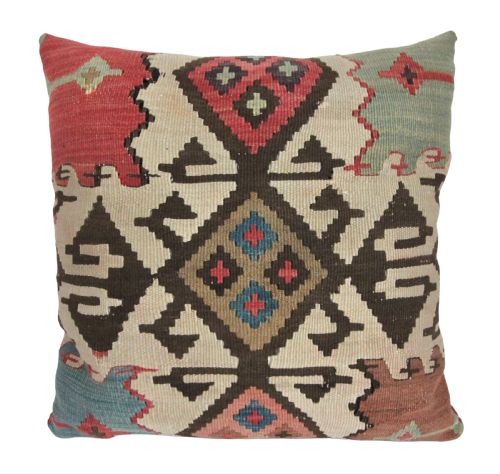
A traditional turkish kilim is a flatwoven textile originating from Anatolia and surrounding regions, prized for its distinctive geometric patterns and lack of a pile. Buyers searching this phrase encounter an array of floor coverings, runners, and decorative cushions spanning from the mid-nineteenth century to the early twentieth century.
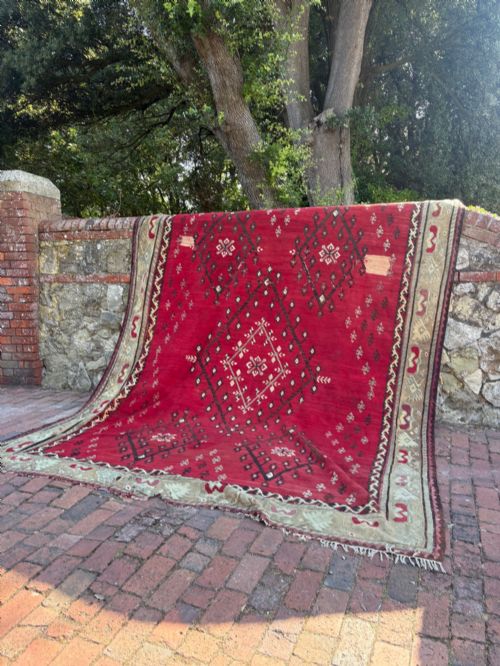
The selections on this page heavily feature regional village pieces, including large room-size carpets, narrow runners, prayer rugs, and wall-hanging embroidered panels. These textiles reflect specific tribal and local weaving traditions across locations such as Konya, Malatya, Sarkoy, and Kayseri.
How they were made
These flatweave textiles rely primarily on wool and cotton yarns, utilising slit-weave and supplementary techniques to produce crisp geometric pattern boundaries. Many larger room-sized examples are woven in two separate parts and skillfully joined down the centre.
Weavers employed traditional dyeing methods to achieve soft reds, ivories, and pastel grounds, alongside bold and colourful designs specific to regional workshops. Specialised variations like cicim embroidery add textured surface ornamentation to the foundational weave.
Listings feature wool and cotton flatweaves spanning from eighteen-fifty to nineteen-forty, originating across diverse Anatolian regions.
What varies in quality
Quality in these flatweaves rests on the clarity of the design and the balance of the colour palette, whether soft and muted or bold and striking. Expert construction ensures structural integrity across large formats, such as dual-panel room-size carpets.
The grade of the wool and the precision of the slit-weave execution determine the durability and visual impact of the piece. Preservation of original regional characteristics and well-executed historical repairs further distinguish superior examples.
Konya·Malatya·Sarkoy·Kayseri·Ushak
The Traditional Turkish Kilim Glossary
- Kilim
- A flatwoven carpet or rug produced without a pile by tightly interlacing warp and weft threads.
- Flatweave
- A textile technique creating a smooth surface without raised pile, typical of traditional regional rugs and runners.
- Prayer kilim
- A specialised rug featuring a mihrab design motif historically used for ritual Islamic prayer.
- Cicim
- An embroidered flatweave technique where supplementary threads are sewn onto the base structure for texture.
- Warp
- The stationary vertical threads stretched on a loom that form the structural foundation of the textile.
Traditional Turkish Kilim: Frequently Asked Questions
What is a traditional turkish kilim?
A traditional turkish kilim is a pileless flatwoven textile created on a vertical loom using wool or cotton.
These historic pieces serve as floor coverings, runners, and decorative furnishings featuring regional Anatolian patterns.
How were these rugs used originally?
Historical village households used these flatweaves as floor carpets, blankets, storage sacks, and dedicated prayer mats.
Some specialised regional examples also functioned as wall hangings or decorative interior dividers.
How do I care for a vintage kilim?
Regular gentle vacuuming without a rotating brush roll prevents dust accumulation within the flatweave structure.
Professional specialist cleaning ensures the preservation of historical wool fibres and traditional dyes.
Why are some large kilims woven in parts?
Traditional looms often had width limitations relative to the desired final dimensions of large room-size carpets.
Weavers overcame this constraint by producing two separate panels and joining them neatly down the centre.