



Traditional Tribal Carving
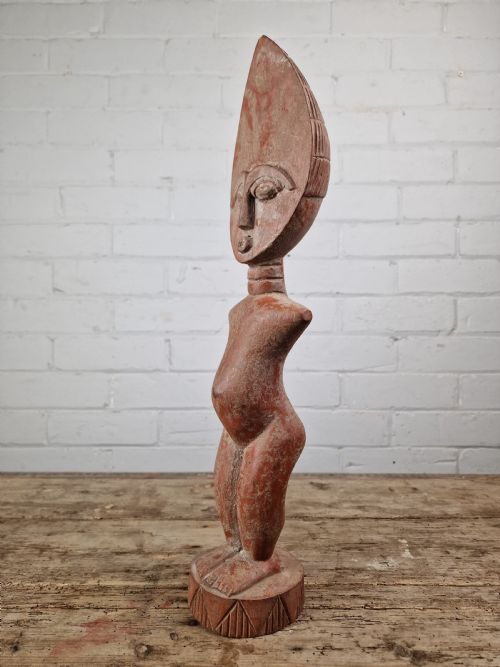
Traditional tribal carving brings together sculptural fertility figures, masks and functional objects shaped by hand from dense woods.
Traditional Tribal Carving
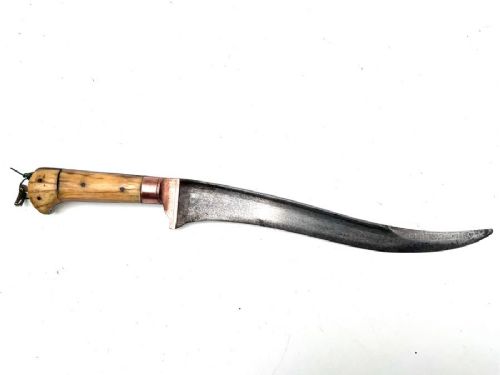
Traditional tribal carving encompasses a diverse range of objects originating from African, Oceanic, Asian and Arctic cultures. Buyers encounter figurative sculptures, dance masks, utilitarian stools, architectural elements and weapons produced across the nineteenth and early twentieth centuries.
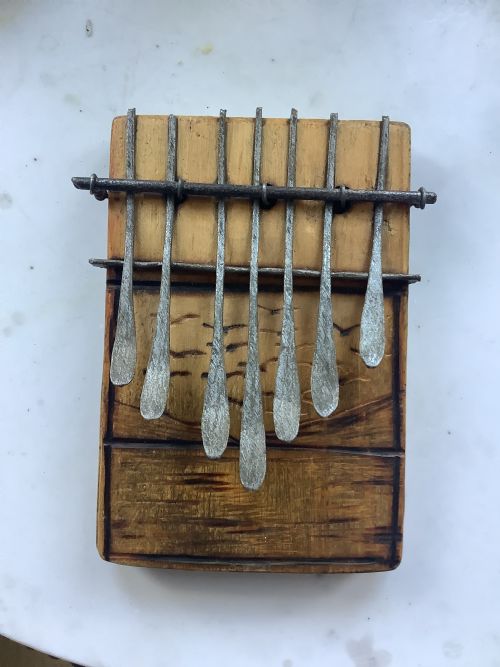
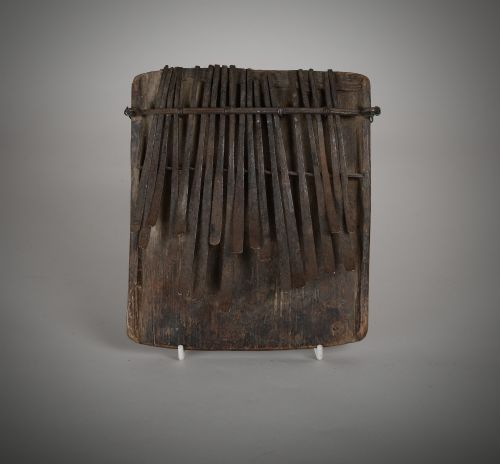
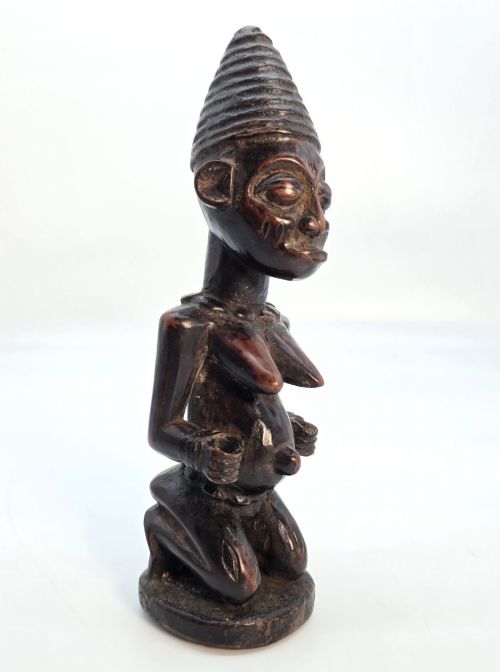
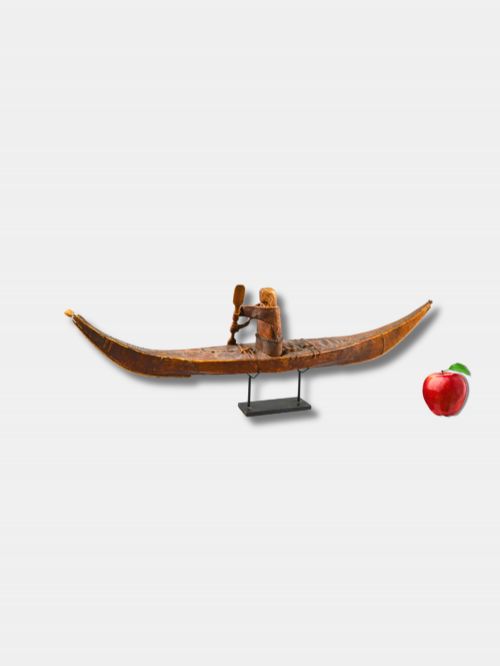
The selection on this page leans heavily toward African tribal art, featuring figures from the Fante, Baule, Punu and Luba Hemba peoples alongside functional items like headrests, combs and spoons. Alongside these pieces appear items from South Indian folk art, Inuit craftsmanship, and Oceanic traditions.
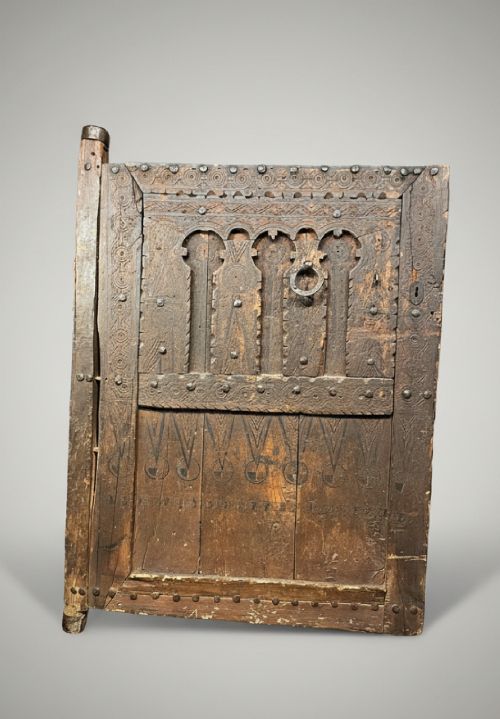
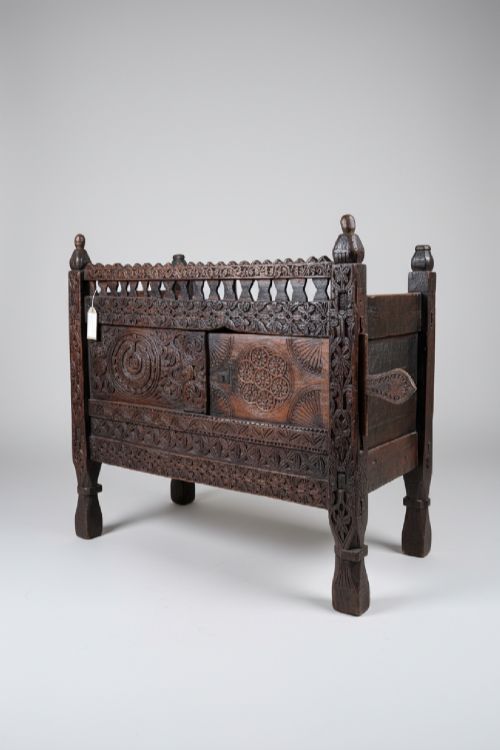
Forms span from sacred ritual objects and ceremonial headdresses to domestic furniture such as dowry chests and Ashanti stools. Each piece reflects the specific cultural practices and aesthetic language of its region of origin.
Materials and Technique
Makers relied primarily on native hardwoods, selected for their density and durability when subjected to hand-tooling. Artisans carved these woods using traditional blades to achieve intricate surface textures and smooth contours.
Many objects incorporate secondary materials such as bone, iron, brass, pigment and tanned seal skin to enhance functional parts or decorative motifs. Applied pigments and surface patinas record decades of handling, ceremonial use or exposure to the elements.
The inventory records traditional forms from African, Indian, Inuit, and Oceanic makers.
Evaluating Quality
Quality rests on the precision of the carving and the depth of the tool work visible across the wood surface. Finer examples display confident proportions and careful detailing that elevate functional objects into accomplished sculpture.
The presence of authentic wear, untouched surface patinas and original pigments distinguishes pieces shaped for active ritual or domestic life from later reproductions. Integrity of form and the preservation of secondary materials like bone or iron additions anchor the merit of each carving.
The Traditional Tribal Carving Glossary
- Patina
- The surface sheen and colour acquired through years of handling, ageing and environmental exposure. It serves as a key indicator of age and authenticity.
- Hardwood
- Dense timber derived from broad-leaved trees, utilised by carvers for its strength and fine grain. It forms the primary structural material for most sculptures and implements.
- Dowry chest
- A storage container traditionally gifted upon marriage to hold household valuables and textiles. These wooden boxes frequently feature carved geometric panels.
- Headdress
- An elaborate ceremonial crown or mask worn during ritual dances and performances. Examples range from South Indian temple dancers' gear to Central African face coverings.
Traditional Tribal Carving: Frequently Asked Questions
What defines traditional tribal carving?
Traditional tribal carving comprises handcrafted wooden objects created by indigenous makers for ceremonial, ritual or domestic purposes. These pieces utilise local hardwoods and organic materials shaped by hand.
Items range from figurative sculptures and dance masks to everyday items like stools, combs and spoons. Each creation embodies the specific cultural traditions of its maker.
How do I care for wooden tribal art?
Wooden carvings require stable indoor environments away from direct sunlight and sudden humidity shifts. Keep the wood clean using a soft, dry cloth without applying modern polishes.
Allow the natural surface patina to remain undisturbed by harsh cleaning agents. Proper placement protects both the carved wood and any delicate secondary materials like bone or pigment.
Are these objects authentic period pieces?
The pieces listed span from the seventeenth century through the early twentieth century, reflecting genuine historical manufacture. Material evidence such as tool marks, wear patterns and original pigments help establish their age.
Examining the construction methods and natural ageing of the hardwood confirms the historical context of each item. Documentation and provenance further support their period origins.
How were these carved objects used?
Many carved objects served active roles in spiritual rituals, dances, and rites of passage within their communities. Masks and figurative sculptures often embodied ancestral spirits or fertility symbols.
Other items fulfilled domestic or status functions, including seating stools, headrests, weaponry, and architectural doors. Each utility shaped the specific form and decoration applied by the carver.