

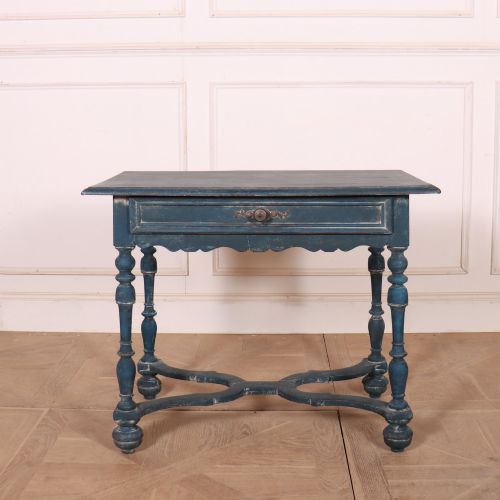
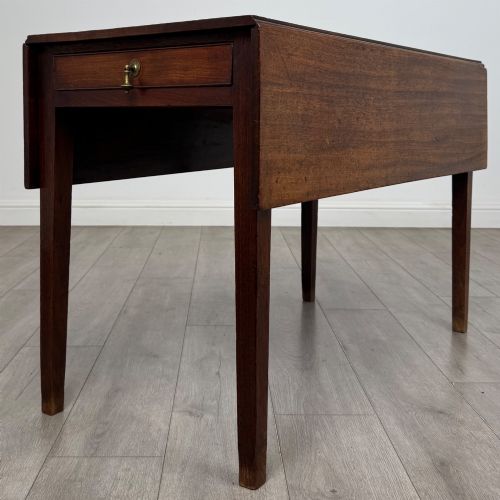
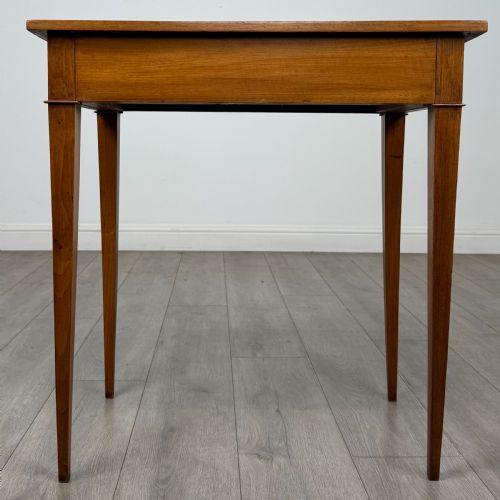

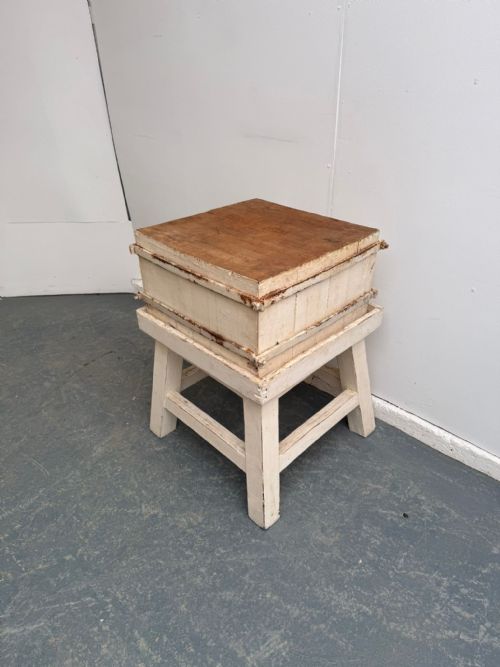


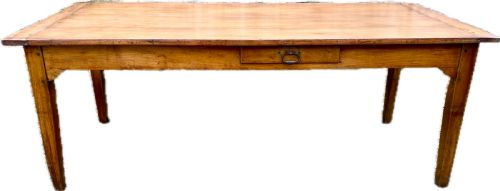


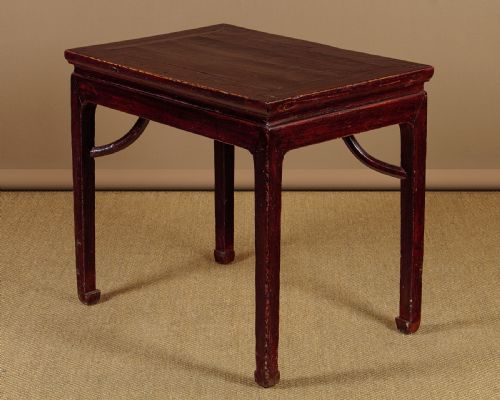
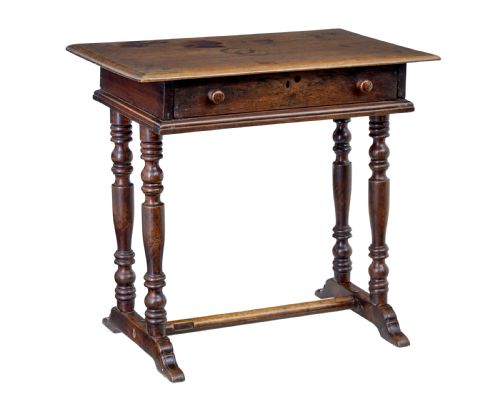


Traditional Timber End Table
A traditional timber end table brings honest utility and warmth to a room, offering compact surface space rooted in centuries of vernacular design.
Traditional Timber End Table
When you search for a traditional timber end table, you are looking at practical surface furniture derived from older working forms such as cricket tables, lamp tables, and small side tables. These pieces serve beside seating or in hallways, functioning as stable platforms for lamps, books, and daily items.
The versions most likely to meet you on this page span the eighteenth, nineteenth, and early twentieth centuries, drawing on English, Welsh, French, and Chinese provincial traditions. They appear in forms like tripod cricket tables, low lamp tables, and occasional side tables rather than grand formal parlour furniture.
Makers built these items for everyday use in kitchens, parlours, and farmhouses, prioritising sturdy construction over ornate decoration. Their proportions remain modest and functional, designed to fit snugly against walls or beside armchairs without dominating the floor plan.
How they were made
Carpenters constructed these tables using solid regional timbers such as pine, elm, oak, cherry, fruitwood, walnut, and mahogany, often pairing softer woods for bases with durable tops. Panels and table tops relied on traditional joinery techniques, pegging joints together to handle heavy daily wear without metal fasteners.
Surfaces frequently show historical layers of paint, natural wax polishes, or plain scrubbed timber finishes that reflect decades of domestic maintenance and utility. Iron bracing or hardware appears on specific utilitarian forms like butchers blocks and folding nest sets to reinforce structural stress points.
Traditional Timber End Table Retail Price Guide 2026
Typical asking prices for traditional timber end table among the pieces listed under this phrase on Sellingantiques today, from the lower quarter to the upper quarter. They describe what is for sale here now, not the wider market.
Listings feature regional timber species including pine, elm, oak, cherry, fruitwood, walnut, and mahogany across nineteenth and twentieth-century periods.
What varies in quality
The distinction between ordinary and superior pieces rests on the choice of timber figure, such as burr elm or figured walnut, and the integrity of the original construction. Tables retaining their early surface patination, untouched paint layers, and uncompromised leg joints command greater interest than those stripped down or heavily rebuilt.
Proportion and balance define the better examples, where turned legs, stretcher placements, and top thicknesses harmonise naturally. Simpler vernacular items gain distinction through honest signs of age and the crispness of hand-shaped edges rather than elaborate ornamentation.
The Traditional Timber End Table Glossary
- Cricket table
- A small three-legged round table with splayed legs, traditionally used beside firesides in English and Welsh cottages. The three-legged design ensured stability on uneven stone floors.
- Side table
- A functional small table meant to stand against a wall or beside furniture. These items offer auxiliary surface space for lamps and household objects.
- Lamp table
- A compact low table specifically sized to hold lighting equipment next to seating. They emerge frequently from twentieth-century and Victorian domestic contexts.
- Provincial
- Describing furniture made in regional areas away from metropolitan capitals. These pieces utilise local woods and reflect vernacular design preferences.
- Burr elm
- A woody growth on an elm tree that produces swirling, highly decorative grain patterns. Craftsmen prized this material for table tops and decorative accents.
Traditional Timber End Table: Frequently Asked Questions
What is a cricket table?
A cricket table is a small, traditional three-legged table originating in British cottages. Its splayed legs provided stable footing on uneven flagstone floors.
These pieces typically featured round wooden tops and sturdy stretchers, making them ideal compact surfaces for fireside use.
How do I date an old wooden table?
Dating relies on examining the tool marks, timber species, construction joints, and overall wear patterns present on the piece. Hand-sawn boards and pegged joints usually point to earlier periods.
Comparing the style against known regional vernacular forms helps narrow down the century of manufacture.
Where should I place a side table?
A timber side table fits naturally beside armchairs, sofas, or along hallway walls where extra surface space is useful. Their compact footprints allow them to tuck into tight corners.
They function well holding lamps, books, or decorative objects without cluttering the room.
Are painted finishes original?
Many provincial tables received coats of paint during their working lives to protect the wood or refresh worn domestic interiors. Determining originality involves checking for multiple historical layers beneath the surface.
Paint layers that show natural crackle, wear, and integration into the timber grain generally indicate considerable age.