


Traditional Timber Dining Seats
Traditional timber dining seats span robust kitchen seating and formal mahogany sets, offering enduring utility for the home.
Traditional Timber Dining Seats
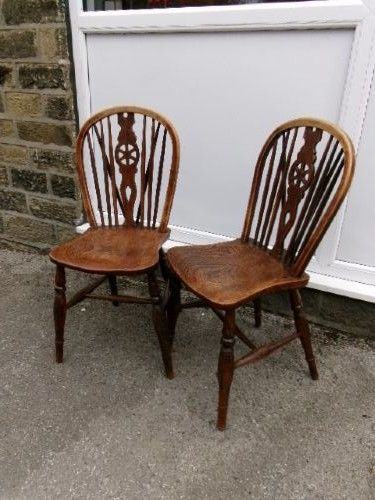
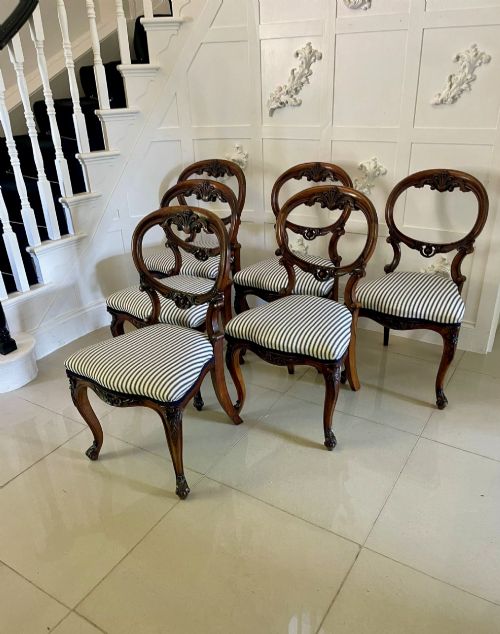
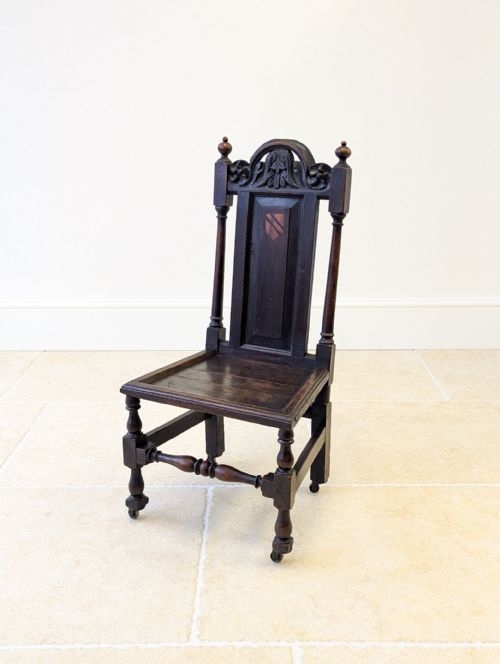
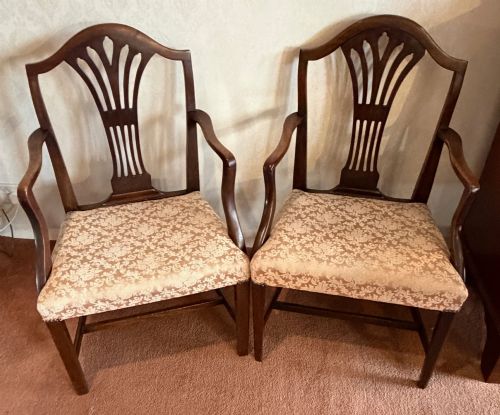
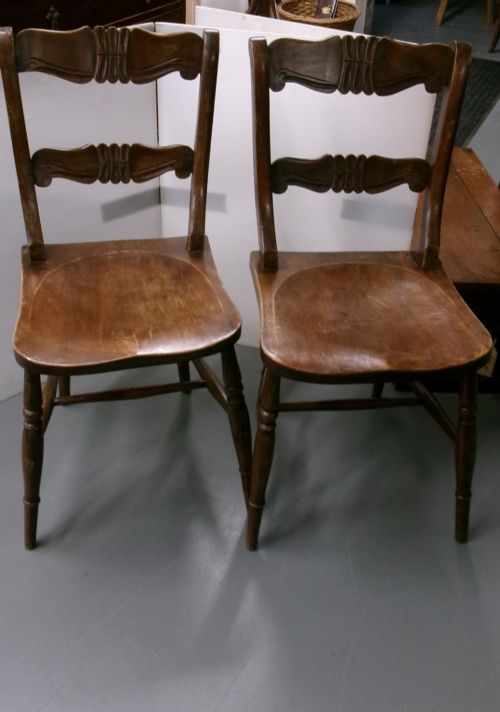
Traditional timber dining seats include everything from simple elm kitchen chairs to formal mahogany sets made in the nineteenth and twentieth centuries. Buyers seeking traditional timber dining seats encounter a variety of forms such as wheelbacks, ladderbacks, and balloon backs originating from Victorian, Georgian, and regional English traditions.
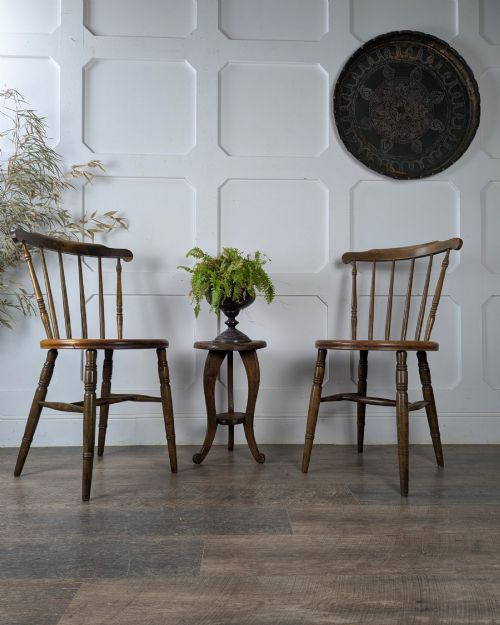
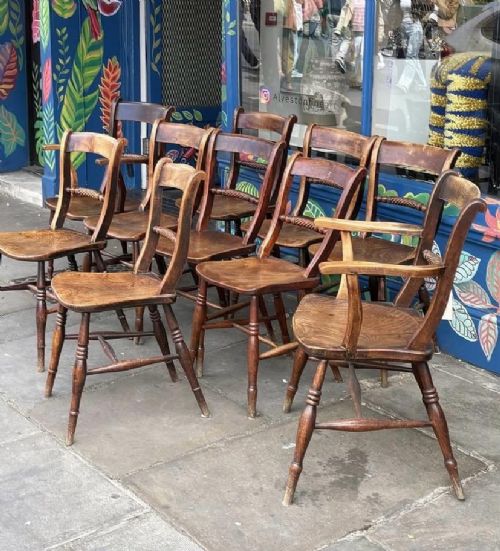
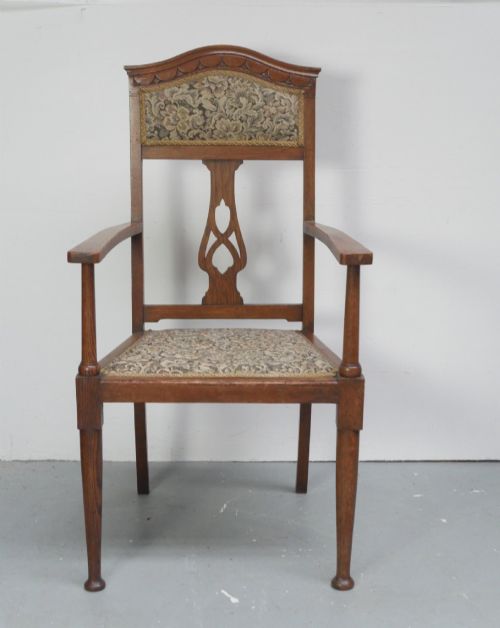
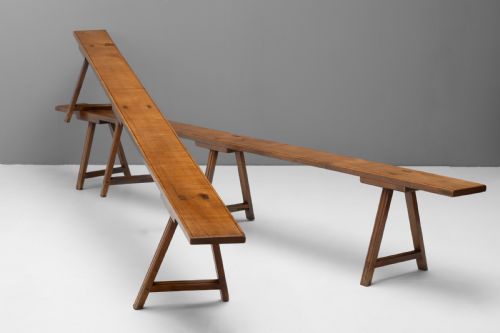
The selection ranges from single armchairs and pairs of hall chairs to large matching sets intended for substantial dining tables. Oak, elm, and mahogany predominate, often shaped into Windsor forms or straightforward kitchen and side seating.
How they were made
Cabinet makers and local joiners utilised native hardwoods such as oak, elm, ash, and mahogany, selecting timber for strength and grain pattern. Construction methods relied heavily on traditional joinery like mortise and tenon joints, steam-bent components for backs, and turned spindles.
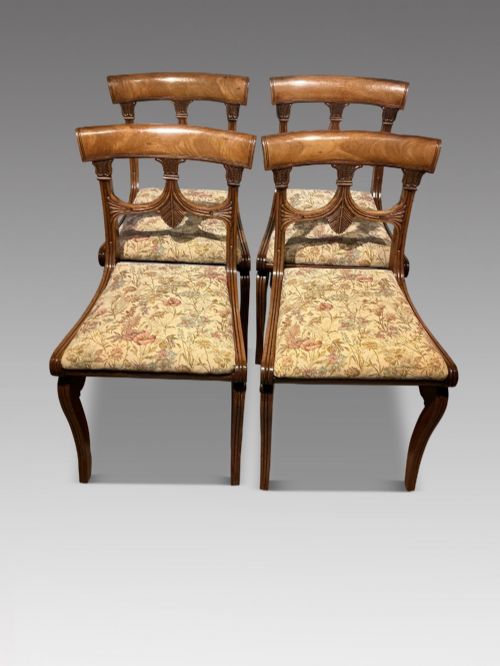
Many rural examples combine ash and elm, utilising solid plank seats bored to receive turned legs and comb backs. Formal dining chairs in mahogany or walnut frequently feature carved details, drop-in upholstered pads, or plaited rush and squgan seats.
Listings feature 19th-century, Victorian, and Georgian periods alongside materials like mahogany, oak, elm, and beech.
What varies in quality
Quality rests upon the integrity of the timber selection and the precision of the underlying joinery rather than surface finish alone. Chairs retaining original structural rigidity and uncompromised joints sit at the upper end of the scale.
Subtlety of carving, the thickness of mahogany or walnut sections, and the use of dense native elm for seats distinguish finer workshop production from utilitarian commercial output.
Marsh, Jones and Cribb·Harry Warren·Worksop Allsop·Wheeler
The Traditional Timber Dining Seats Glossary
- Windsor chair
- A wooden chair featuring a solid moulded timber seat into which the legs and back spindles are wedged directly. These country classics often include a central splat or wheelback motif.
- Balloon back
- A rounded, curved backrest shaped like a balloon popular on Victorian dining chairs. This design provides ergonomic support while presenting an elegant silhouette.
- Ladderback
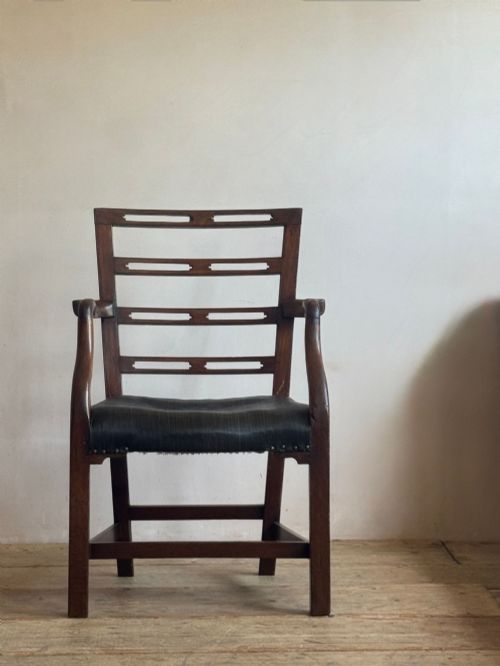
- A chair back constructed with horizontal rails or slats stacked vertically between the upright posts. This traditional form appears frequently in regional kitchen and farmhouse seating.
- Súgán seat
- A traditional woven seat made from plaited straw or organic cord. It offers a resilient, supportive surface found on rural Irish and country chairs.
- Hall chair
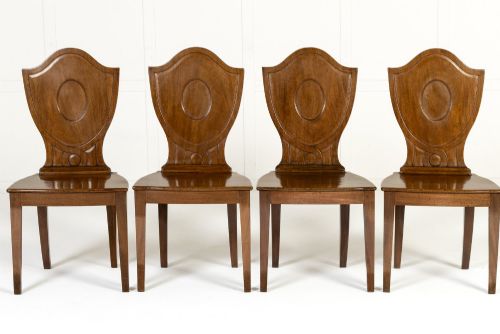
- A rigid, often unpadded timber chair placed in a hallway or entrance space. They frequently display carved crests, solid wooden seats, and shield-shaped backs.
Traditional Timber Dining Seats: Frequently Asked Questions
What defines a traditional timber dining seat?
These seats are constructed primarily from woods like mahogany, oak, elm, and ash, following historical designs from the Georgian, Victorian, and Edwardian eras. They range from rustic country kitchen chairs to formal carved dining sets.
Buyers select them for their durability, honest materials, and regional craftsmanship that machine-made modern furniture rarely replicates.
How do I care for antique wooden chairs?
Keep wooden seats away from direct heat sources and drastic humidity changes to prevent the timber from splitting or joints from drying out. Regular dusting with a soft cloth and occasional application of appropriate wax maintains the finish.
Avoid harsh chemical cleaners that can strip the original patina built up over decades of use.
Are these chairs suitable for daily dining use?
Most traditional timber chairs were built for heavy everyday use in kitchens or dining rooms and remain remarkably sturdy. Solid construction using timbers like oak and elm ensures they withstand regular sitting.
Checking that the joints are tight guarantees they will safely serve around a modern family table.
How do I distinguish regional styles?
Regional styles often reflect local timber availability and traditional woodworking methods, such as Lancashire spindlebacks or Windsor comb backs. Rural pieces tend to use ash and elm, while formal dining sets utilise imported mahogany or walnut.
Examining the turning patterns and assembly details reveals whether a chair originates from a country workshop or an urban cabinet maker.