

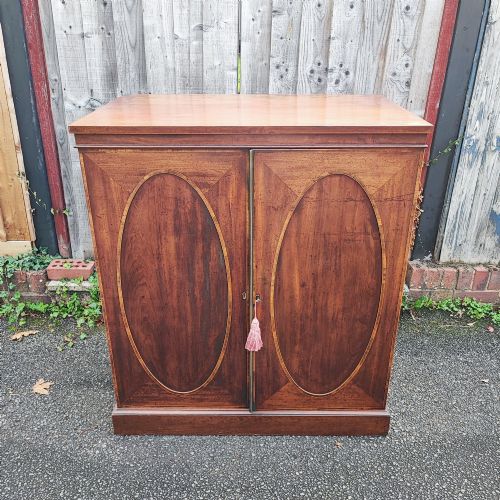
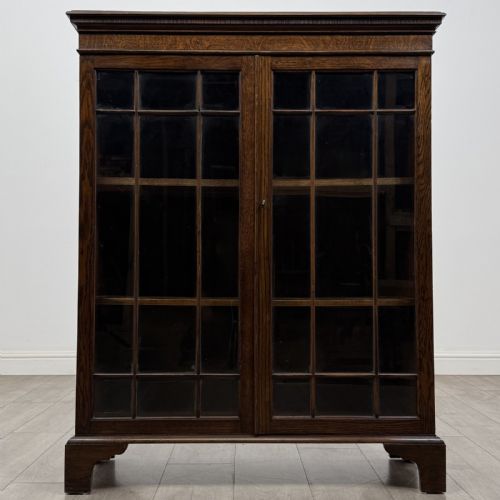
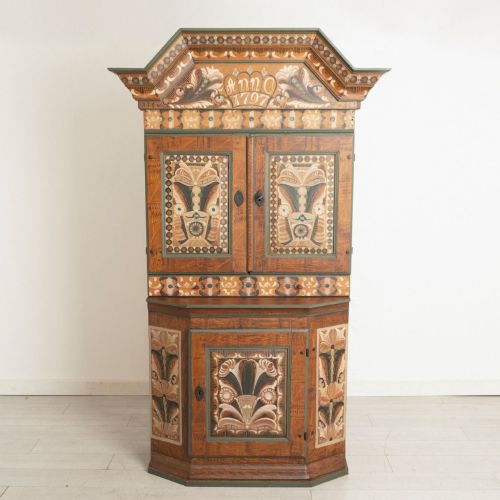
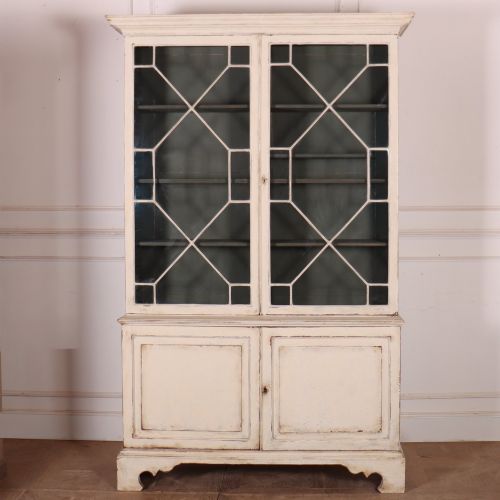


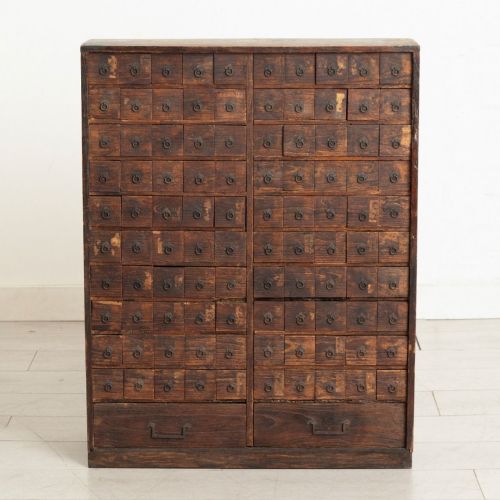


Traditional Timber Cupboard
A traditional timber cupboard grounds a room with honest utility, offering sturdy storage fashioned from enduring woods across centuries of craftsmanship.
Traditional Timber Cupboard
A traditional timber cupboard serves as a foundational storage piece, bringing utilitarian purpose and structural presence to domestic spaces. Buyers seeking a traditional timber cupboard often find variations spanning 18th Century and 19th Century periods, incorporating styles from Georgian Vernacular to English Country.
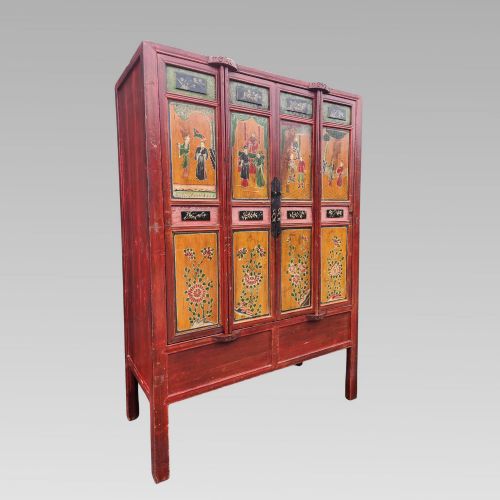
The selection here encompasses diverse forms, from housekeeper larder cupboards and bedside night tables to court cupboards and alcove units. These pieces originate from varied regional traditions, including English, Swedish, French, and Chinese workshops.
Mahogany, pine, elm, oak, and painted timber dominate the offerings, showcasing both native European hardwoods and exotic Asian timbers. Each item reflects the domestic or regional needs of its era, balancing closed storage with display capabilities.
How they were made
Cabinet makers utilised solid hardwoods such as mahogany, oak, elm, and cherrywood, joining panels with traditional framing techniques to accommodate seasonal wood movement. Structural integrity relied on pegged mortise and tenon joints, dovetail drawer construction, and hand-planed boards.
Surface finishes range from clear wax polish highlighting natural grain patterns to scumble paint, lacquer, and hand-painted folk art decoration. Iron and brass hardware, including hinges, drop handles, and escutcheons, were hand-forged or cast to secure heavy doors.
Traditional Timber Cupboard Retail Price Guide 2026
Typical asking prices for traditional timber cupboard among the pieces listed under this phrase on Sellingantiques today, from the lower quarter to the upper quarter. They describe what is for sale here now, not the wider market.
The inventory spans English Country, Georgian Vernacular, French Provincial, and Scandinavian Folk Art traditions.
What varies in quality
Quality in these pieces rests upon the selection of timber and the preservation of original surfaces, whether clear grain or historic paint. Superior examples exhibit precise joinery, balanced proportions, and minimal replacement of structural components.
The integrity of secondary woods, backboards, and interior shelving indicates the original standard of manufacture. Retained original hardware and untouched patination elevate a piece above later adaptations or heavy restorations.
The Traditional Timber Cupboard Glossary
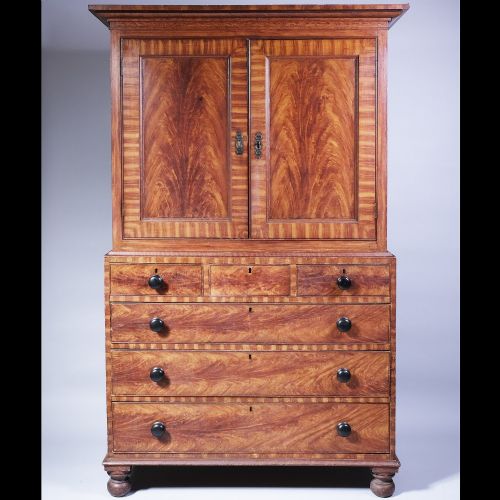
- Scumble paint
- A decorative surface technique where a translucent glaze is manipulated over a lighter base coat to imitate finer wood grains. This finish appears frequently on 19th Century country storage furniture.
- Court cupboard
- An antique enclosed storage furniture form featuring upper and lower tiers, often associated with 18th Century English craftsmanship. These pieces provide substantial presence and deep shelving.
- Breakfront
- A cabinet design where the central section projects forward from the flanking wings. This architectural arrangement adds depth and visual rhythm to larger bookcases and cabinets.
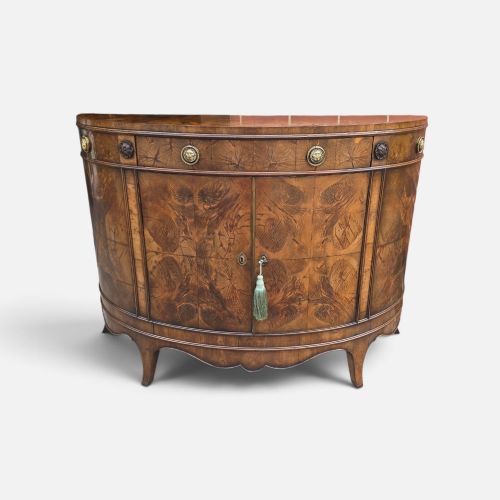
- Demi lune
- A half-moon shape utilised in the footprint of side cabinets and console tables. This curved silhouette suits compact spaces while maintaining surface utility.
- Zitan
- A dense, heavy hardwood native to Asia, utilised in high-status antique Chinese cabinetry. Furniture executed in this material exhibits deep colour and exceptional durability.
Traditional Timber Cupboard: Frequently Asked Questions
What is a housekeepers cupboard?
A housekeeper cupboard is a large storage unit traditionally used in country houses to store linens, dry goods, or crockery. These pieces typically feature deep lower cupboards and upper shelving enclosed by panelled doors.
Their robust construction and generous proportions make them practical for modern kitchens or hallways requiring substantial concealed storage.
How do I care for antique timber furniture?
Maintain antique timber by keeping pieces away from direct heat sources and sudden humidity changes, which cause wood to split. Apply microcrystalline wax sparingly to nourish the grain without building up heavy residues.
Dust surfaces regularly with a soft, dry cloth to preserve the natural patination developed over centuries of use.
Are painted finishes original on old cupboards?
Many regional cupboards feature original or early painted surfaces, including scumble glazes, folk art motifs, and solid colour schemes. Evaluating the wear patterns and underlying layers helps determine the age of the finish.
Original painted surfaces add significant character and historical value to country furniture from Swedish, English, and Hungarian traditions.
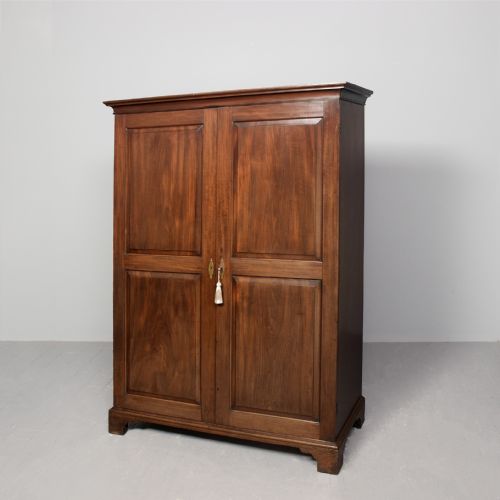
What is the difference between a press and a wardrobe?
A press traditionally combines hanging space with interior sliding trays or linen shelves enclosed by large doors. Wardrobes focus primarily on vertical hanging space for garments.
Both forms utilise robust timber construction and often feature drawer bases to maximise domestic storage capacity.