

Traditional Tea Table
These traditional tea table pieces bring versatile surfaces and historic timbers into sitting rooms, ranging from Georgian designs to Edwardian oak.
Traditional Tea Table
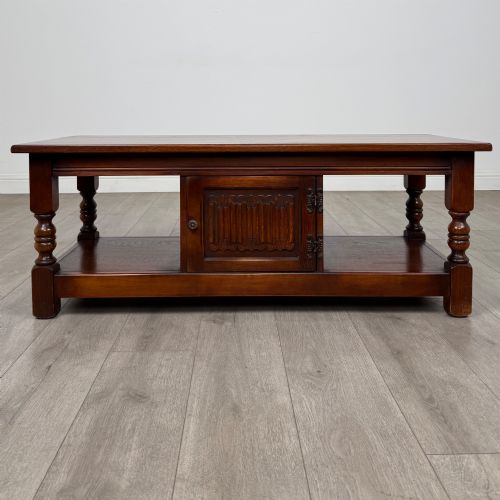
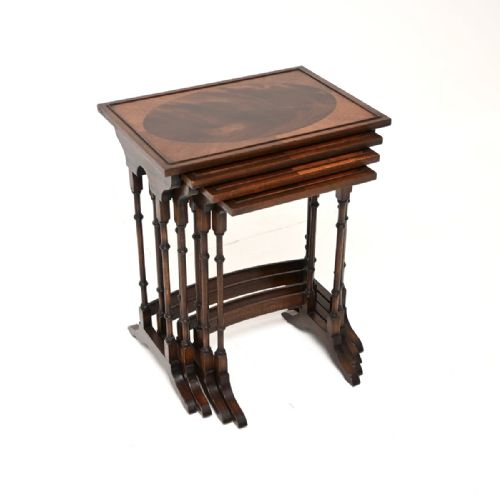
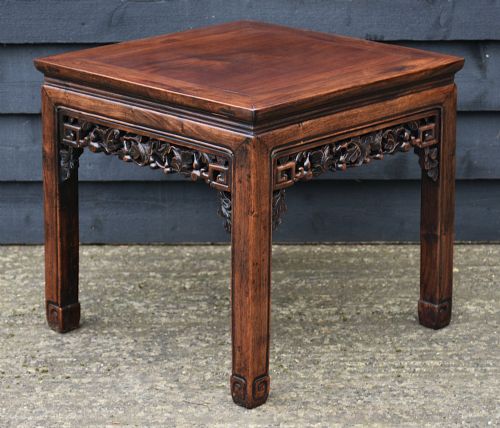
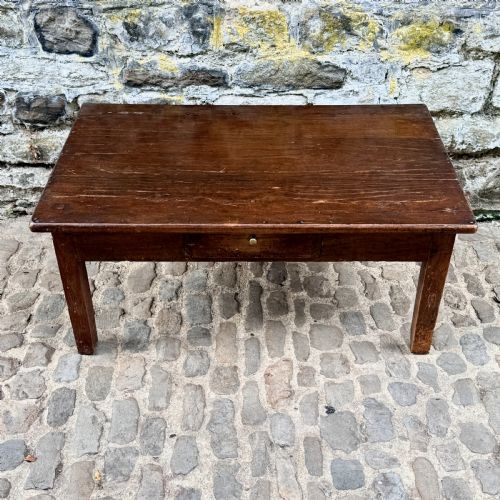
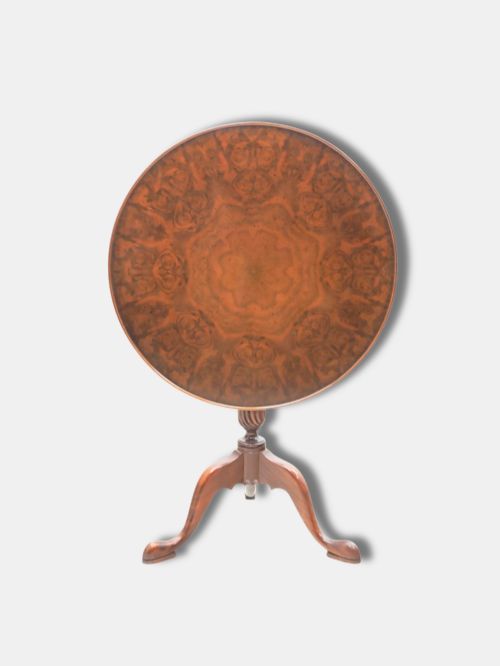
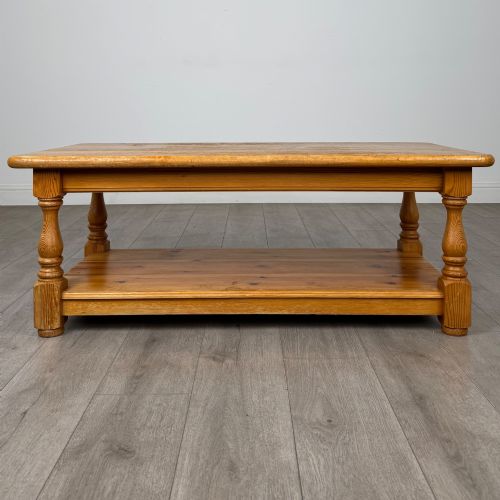
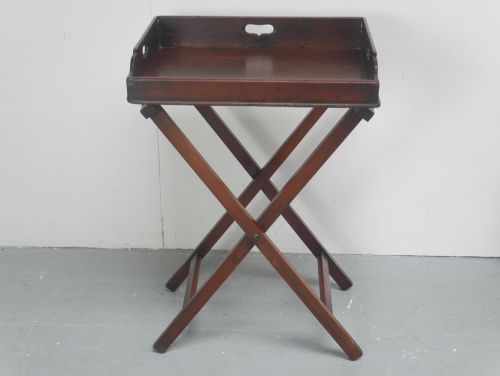
A traditional tea table encompasses low tables, side pieces, and occasional surfaces designed for domestic use. When looking through these listings, you encounter varied forms including nests of tables, tripod tables, and low Chinese rosewood or opium tables.
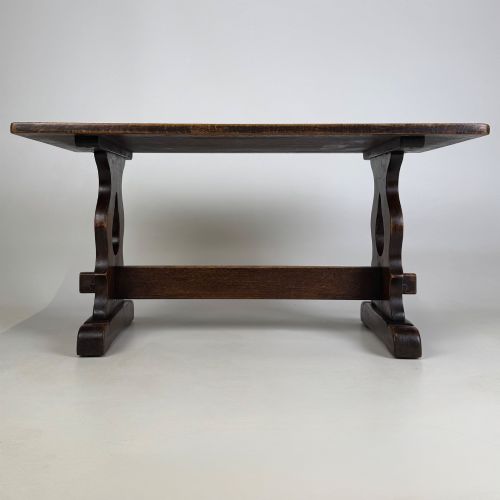
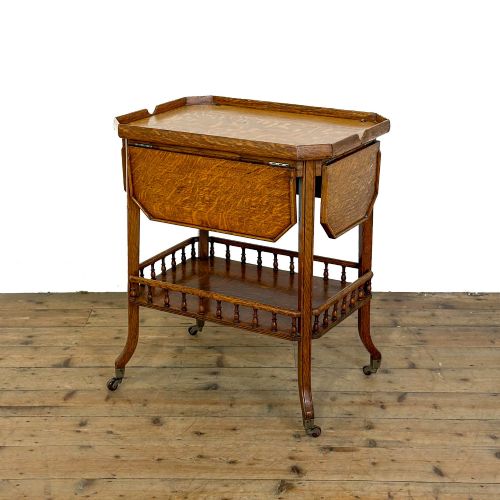
The pieces span multiple periods, featuring 18th-century Georgian designs alongside 19th-century Victorian examples and Edwardian oak furniture. Buyers select these tables to add historical character and functional surface area to modern sitting rooms.
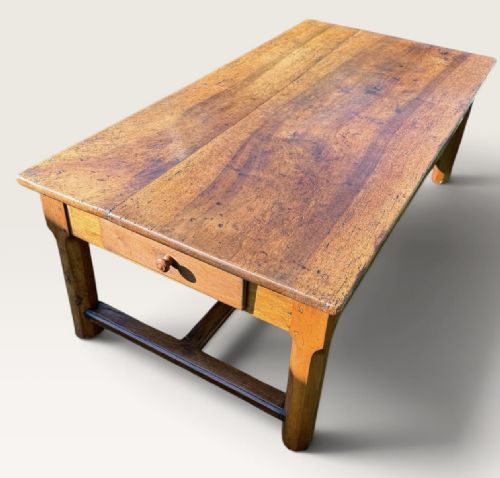
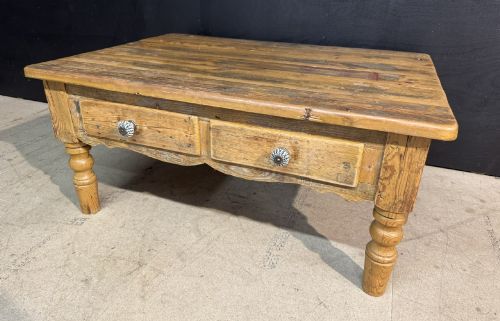
Origins vary widely across the selection, incorporating English mahogany and walnut pieces alongside Chinese rosewood and Austrian elm items. This diversity ensures that forms range from rustic pine farmhouse tables to finely carved tripod and tilt-top mechanisms.
How They Were Made
Cabinetmakers utilised dense hardwoods such as mahogany, walnut, oak, and burr walnut to construct durable frames and decorative surfaces. Figured veneers and inlaid satinwood often accent the primary timbers on finer examples.
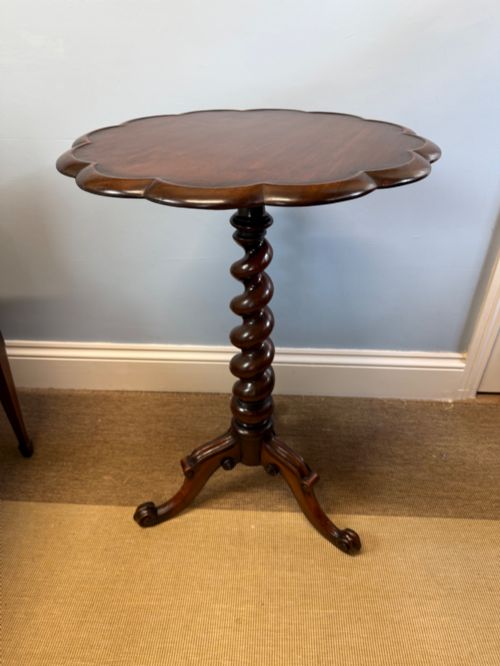
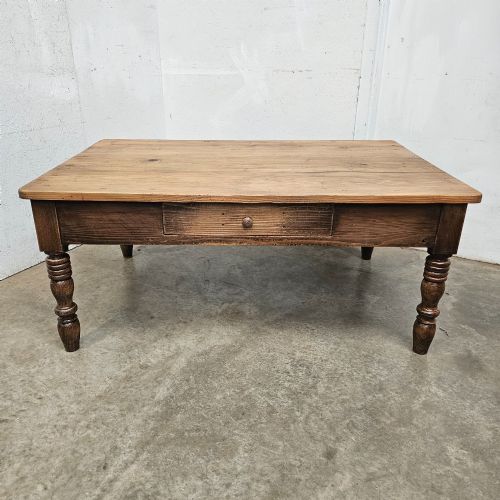
Construction techniques include turned legs, birdcage mechanisms for tilt-top tables, and interlocking frames for nests of four tables. Workshops also applied hand-carved dragon details and shaped pie crust rims to select low and tripod tables.
Listings feature timbers including mahogany, walnut, oak, elm, pine, and exotic rosewood across multiple centuries.
What Varies in Quality
Quality rests upon the selection of timber grain, particularly the depth and movement found in burr walnut and figured mahogany veneers. Superior pieces display thoughtful proportions and crisp hand-carved details rather than plain, utilitarian construction.
The sophistication of the mechanical elements separates standard items from exceptional ones. Well-executed tilt-top mechanisms, birdcage pivots, and smoothly sliding nests demonstrate superior craftsmanship and operational longevity.
The Traditional Tea Table Glossary
- Tripod table
- A small occasional table supported by a central pillar above three spreading legs. These pieces often feature tilt-top mechanisms for storage.
- Nest of tables
- A set of graduated tables designed to fit neatly beneath one another when not in use. They became particularly popular during the Edwardian period in mahogany and satinwood.
- Birdcage mechanism
- A wooden framework beneath a table top that allows the surface to both pivot and rotate. It provides stability when locked flat.
- Pie crust rim
- A raised, decoratively carved edge shaped in undulating curves reminiscent of pastry crusts. This detail frequently graces 19th-century walnut and mahogany tables.
- Sutherland table
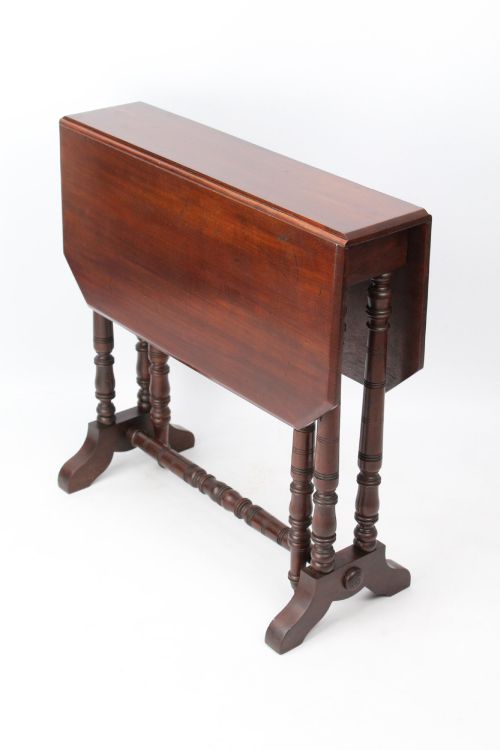
- A narrow drop-leaf table with hinged flaps supported by swinging gate legs. Miniature versions appear in the listings alongside standard occasional variants.
Traditional Tea Table: Frequently Asked Questions
What is a traditional tea table?
A traditional tea table is a historic surface designed for serving tea or supporting decorative objects. The category includes tripod tables, low opium tables, and tilt-top designs from the 18th to 20th centuries.
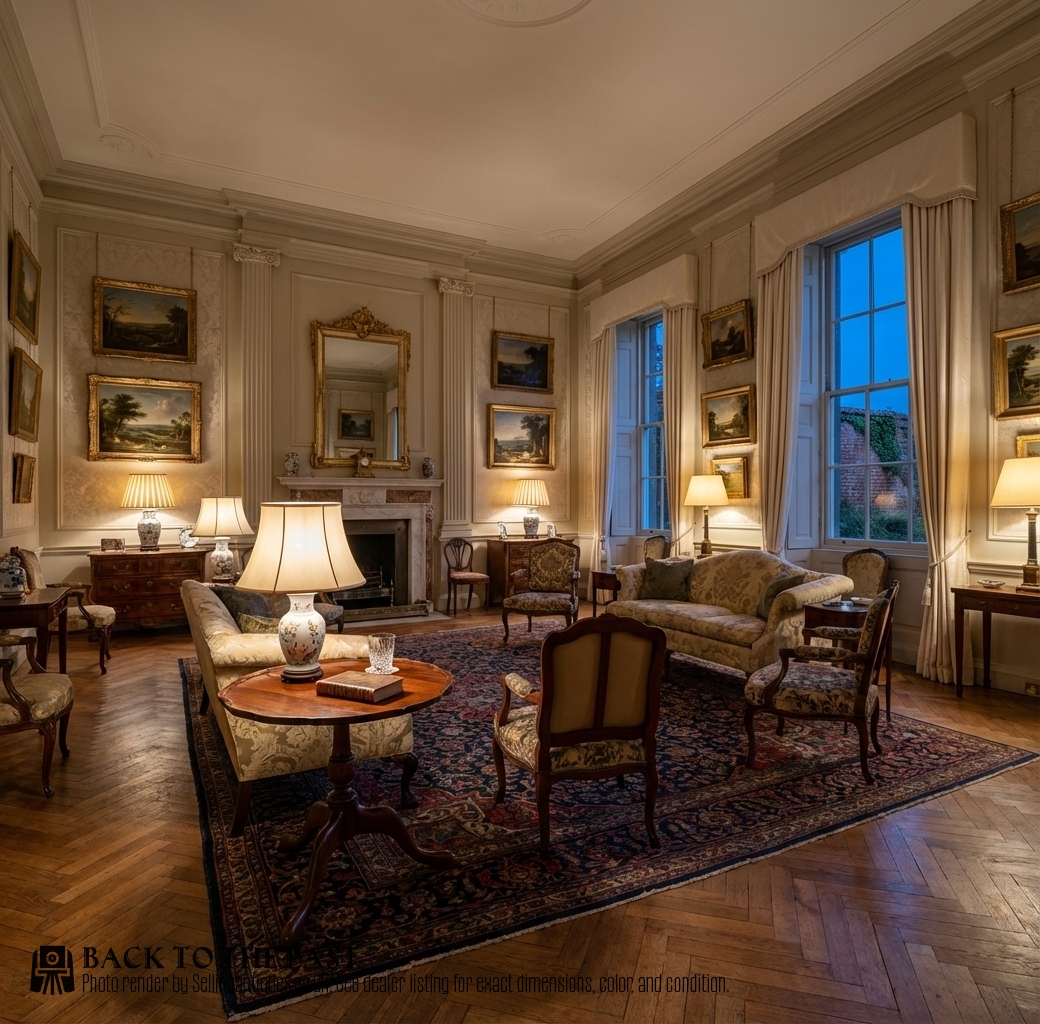
These pieces adapt easily to modern interiors as coffee tables or side tables. Their varied forms reflect changing domestic habits across different eras.
How do I date a wooden tea table?
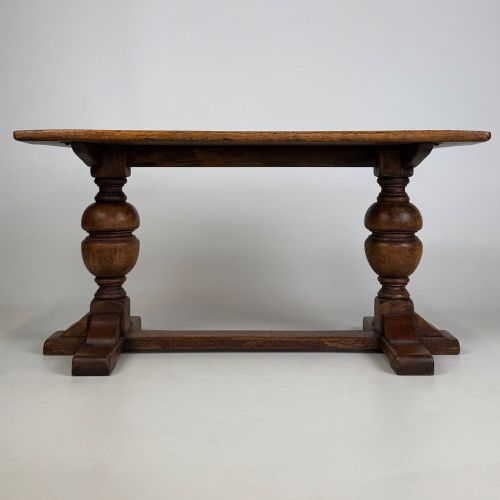
Dating relies on examining the timber species, construction joints, and stylistic revival cues. Pieces from the Georgian era often feature lighter mahogany or walnut proportions, while Edwardian items frequently utilise oak.
Hardware, such as hinges and birdcage mechanisms, also provides clues to the manufacturing decade. Comparing the carved details against known period styles helps narrow the origin.
Are these tables suitable for daily use?
Most historic tables function well for everyday placement in living rooms and studies. Solid hardwoods like oak and mahogany withstand regular handling when treated with reasonable care.
Care should be taken with veneered surfaces and polished finishes to prevent moisture marks. Using coasters helps preserve the historic polish on antique timber.