




Traditional Tansu
Traditional tansu are sturdy storage cabinets crafted to hold household goods, offering practical compartments and robust iron hardware that suits modern interiors.
Traditional Tansu
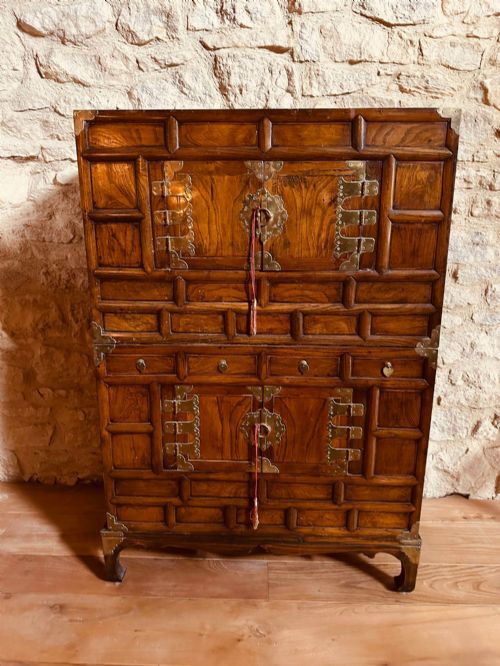
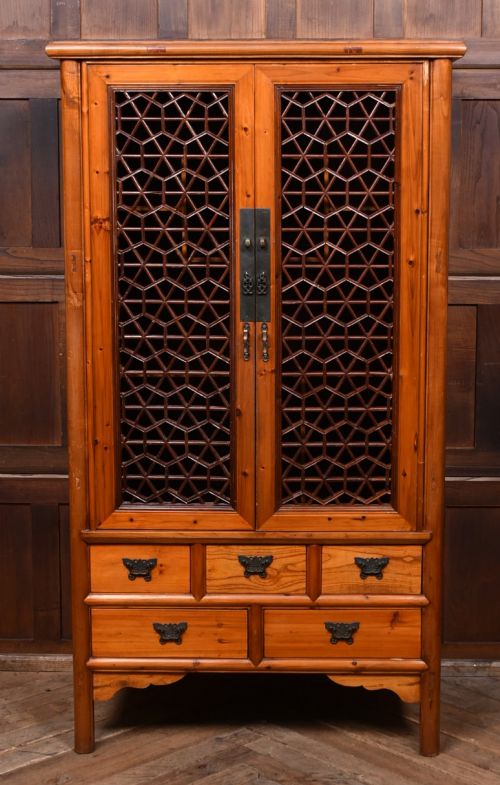
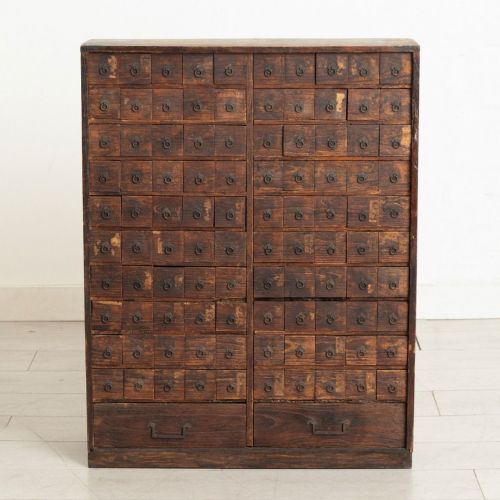
Traditional tansu are Japanese storage cabinets and chests of drawers that range from nineteenth-century pieces to items from the Meiji, Taisho, and 1920 periods. Buyers searching for traditional tansu frequently encounter forms such as kitchen tansu, larder cupboards, apothecary banks of drawers, and wheeled kuruma-dansu.
The pieces on this page include specialised designs like keyaki merchant chests, step chests known as kaidan tansu, and red lacquered or wood storage cabinets. Most examples originate from the nineteenth century, utilising regional timbers and traditional joinery.
These items serve as functional storage units with distinct historical origins, featuring configuration styles tailored to merchant, kitchen, or general household use. The variety spans simple cedar chests to complex multi-drawer apothecary units.
How they were made
Makers constructed traditional tansu using specific woods such as cedar, elm, pine, cypress, kiri, zelkova, and keyaki. These timbers provided both the structural body and the lighter internal elements needed for daily utility.
Iron hardware was forged and applied to corners, edges, and locking plates to reinforce the joinery and protect the wood. Surface treatments included natural wood finishes and red lacquer applications.
Traditional Tansu Retail Price Guide 2026
Typical asking prices for traditional tansu among the pieces listed under this phrase on Sellingantiques today, from the lower quarter to the upper quarter. They describe what is for sale here now, not the wider market.
Listings feature woods such as cedar, elm, pine, cypress, and zelkova wood alongside iron hardware and red lacquer.
What varies in quality
Quality in traditional tansu is determined by the choice of cabinet wood, such as durable zelkova or keyaki versus simpler pine or cedar. The selection of timber affects both the weight and the structural integrity of the chest.
The complexity of the iron hardware and the precision of the joinery distinguish finer examples from standard utility pieces. Elaborate locking mechanisms and well-fitted drawers indicate higher levels of original craftsmanship.
The Traditional Tansu Glossary
- Tansu
- Traditional Japanese mobile cabinetry and storage chests. These pieces served various domestic and commercial functions.
- Kuruma-Dansu
- A wheeled chest designed for mobility within a merchant or residential building. Heavy iron fittings often secure the axle and corners.
- Kaidan Tansu
- A step chest built to provide both stair access and concealed storage space. This clever design maximises small interior layouts.
- Keyaki
- Zelkova wood, prized for its dense grain and strength in traditional cabinetmaking. It frequently appears on high-status merchant chests.
Traditional Tansu: Frequently Asked Questions
What is a traditional tansu?
Traditional tansu are historical Japanese storage cabinets and chests built for domestic or commercial use. They incorporate specialised compartments and robust iron hardware.
These pieces range from simple cedar chests to complex apothecary banks of drawers and wheeled merchant units.
How were tansu used originally?
Originally, tansu served as portable storage for clothing, kitchen provisions, merchant ledgers, and medicines. Different forms were tailored to specific rooms and trades.
Kitchen tansu held food and utensils, while step chests doubled as staircases in multi-level Japanese homes.
How do I identify a Meiji period tansu?
Meiji period tansu date from the late nineteenth or early twentieth century, reflecting traditional Japanese woodworking methods of the era. They often feature cedar, elm, or keyaki wood.
These pieces display characteristic forged iron reinforcement and functional handles designed for mobility.
How do I style a tansu at home?
Traditional tansu function well as standalone storage cabinets, sideboards, or bedside units in contemporary settings. Their deep wood tones and iron hardware complement minimalist or eclectic interiors.
Placing a chest in a hallway or living room highlights its historical craftsmanship and provides practical surface and drawer space.