

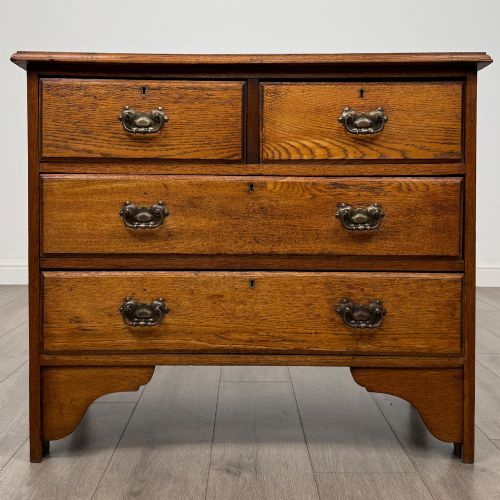
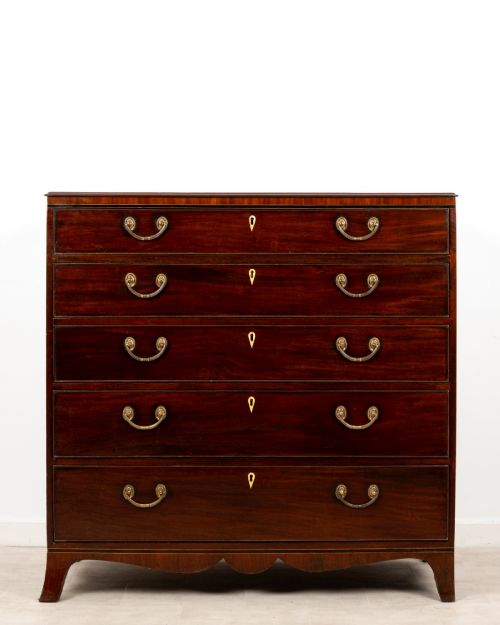
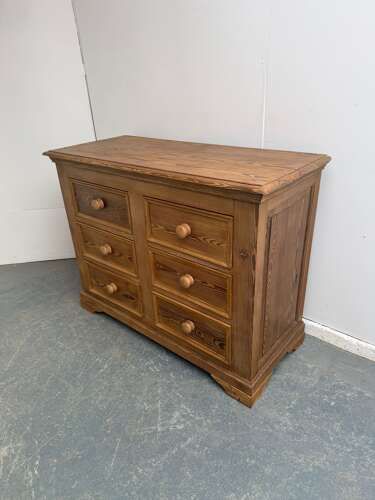

Traditional Tallboy Unit
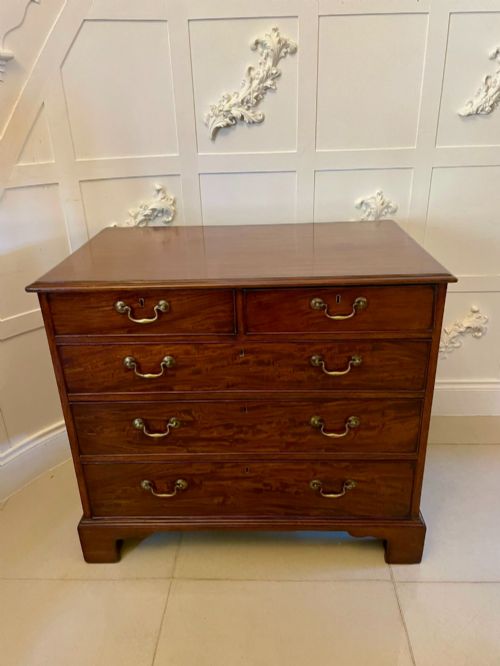
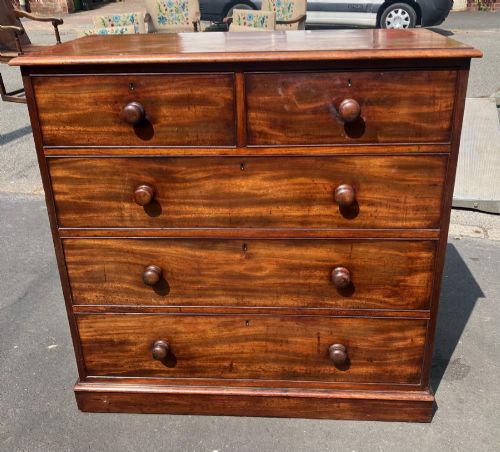
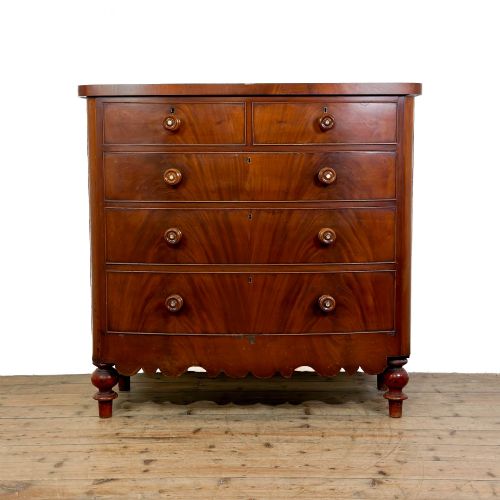
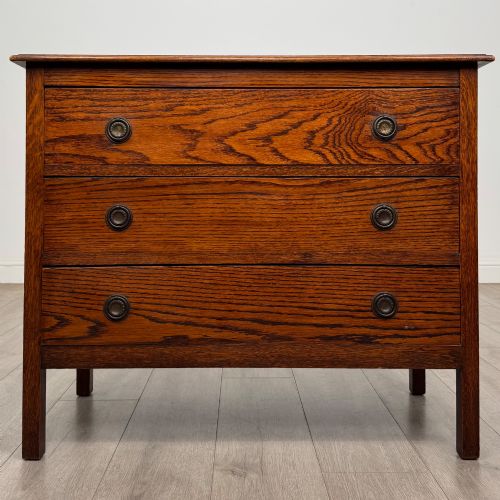
These pieces sold as a traditional tallboy unit span several centuries of storage furniture, offering sturdy timber construction and generous drawer space for any bedroom.
Traditional Tallboy Unit
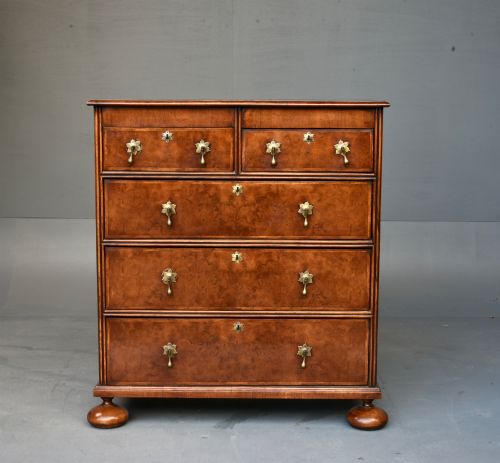
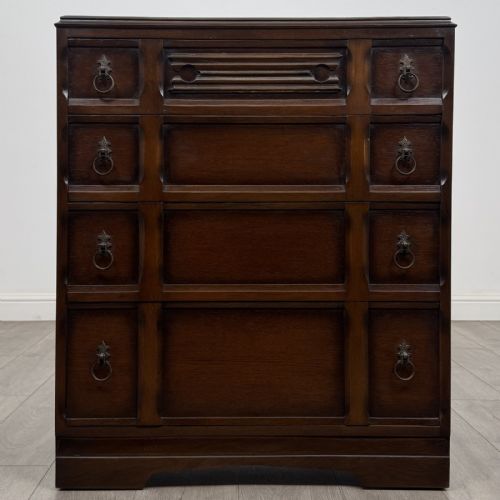
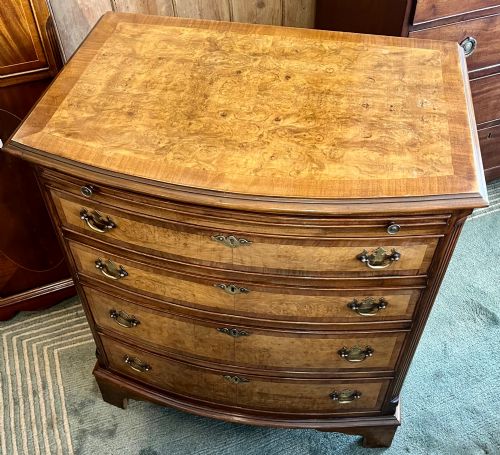
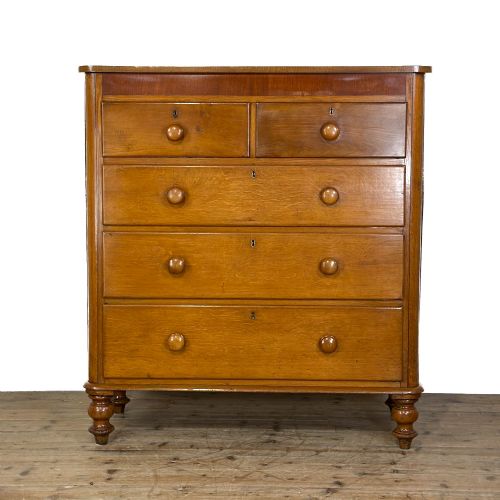
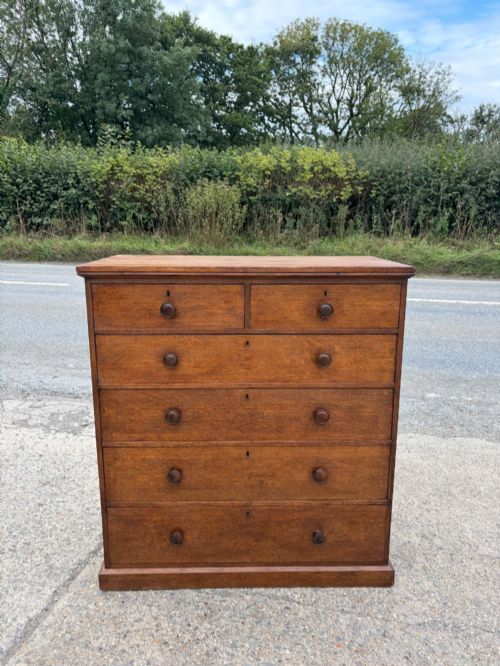
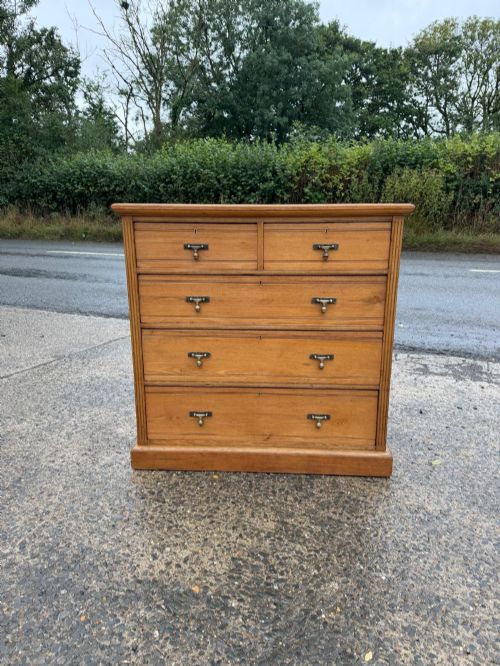
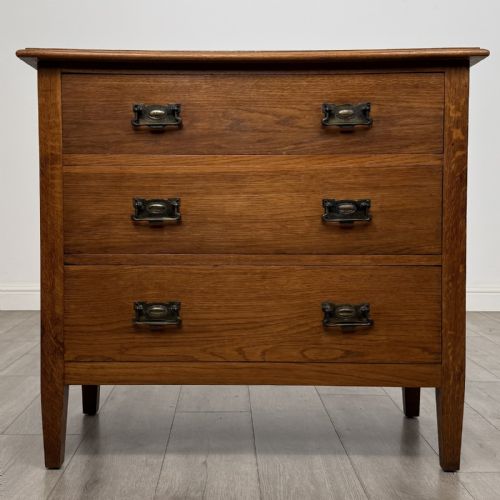
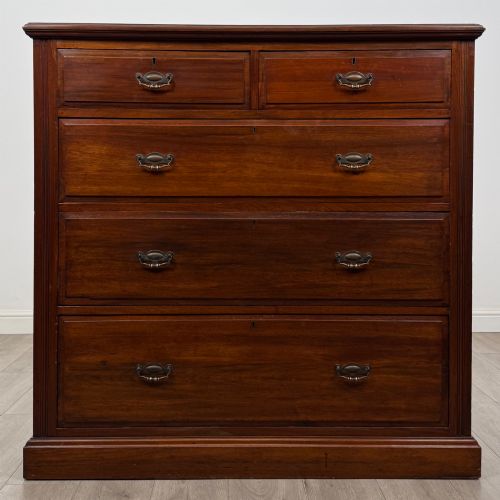
A traditional tallboy unit serves as a vertical storage solution, typically manifesting in these listings as chests of drawers, chests on stands, and cabinets. Buyers searching for a traditional tallboy unit encounter robust case furniture designed to maximise vertical capacity without dominating floor space.
The selection ranges widely across historical periods, including the eighteenth century, Georgian era, Victorian period, and Edwardian times. Pieces often feature multi-drawer configurations such as two-over-three arrangements or narrow vertical formats suited to compact interiors.
Origins and regional styles vary, encompassing simple country pine alongside formal mahogany Sheraton designs and figured walnut pieces. The unifying characteristic remains the stacked drawer format that defines this storage tradition.
Materials and construction methods
Cabinet makers utilised a dependable palette of timbers, predominantly mahogany, oak, walnut, and pine. Hardwoods like mahogany and oak provided structural integrity for formal rooms, while pine served reliably for country workshops and scumble-painted finishes.
Surface treatments and hardware depended upon the period, employing polished veneers, burr walnut figure work, and waxed pine finishes. Brass drop handles, acorn pulls, and turned legs completed the construction, securing the drawers and framing the case.
Traditional Tallboy Unit Retail Price Guide 2026
Typical asking prices for traditional tallboy unit among the pieces listed under this phrase on Sellingantiques today, from the lower quarter to the upper quarter. They describe what is for sale here now, not the wider market.
The listings incorporate timber varieties including mahogany, oak, walnut, burr walnut, pine, yew wood, and brass hardware.
Distinctions in quality
Quality separates pieces through the selection of timber and the precision of the cabinet work. Superior examples display carefully matched flame mahogany or burr walnut veneers, while simpler domestic items rely on solid pine or plain oak.
Construction details such as dovetailed drawer joints, graduated drawer depths, and original brass hardware elevate a piece. Lesser quality often shows in later alterations, replacement handles, or coarser secondary timbers used in internal framing.
The Traditional Tallboy Unit Glossary
- Tallboy
- A tall chest of drawers, often formed by placing one cabinet section on top of another or building a high single carcass.
- Graduated drawers
- A series of drawers decreasing in depth from bottom to top, creating balanced visual proportions on the facade.
- Chest on stand
- A form where a primary drawer chest sits upon a separate low table base with legs, common in earlier periods.
- Dovetail
- A traditional interlocking woodworking joint used at the corners of drawers to ensure lasting structural strength.
- Scumble pine
- Pine furniture treated with a translucent glaze manipulated to imitate the richer grain patterns of more expensive hardwoods.
Traditional Tallboy Unit: Frequently Asked Questions
What is a traditional tallboy unit?
A traditional tallboy unit is a tall chest of drawers designed to hold substantial clothing while occupying minimal floor space.
These pieces use vertical stacking to provide multiple tiers of storage in bedrooms and dressing rooms.
How do I date a wooden chest?
Dating depends on observing timber choices, construction techniques, handle styles, and overall proportions across different historical eras.
Earlier pieces often feature hand-cut dovetails and native hardwoods, while later examples show machine sawing and veneered surfaces.
Where should I place one?
These units suit bedrooms, hallways, or dressing areas where vertical storage is required against a wall.
Their narrow footprint allows them to fit comfortably into alcoves or beside larger pieces of furniture.
Are pine chests durable?
Pine furniture offers reliable strength and has survived centuries of domestic use in country and provincial homes.
Waxed or painted finishes protect the soft timber while developing a rich patina over decades of handling.