


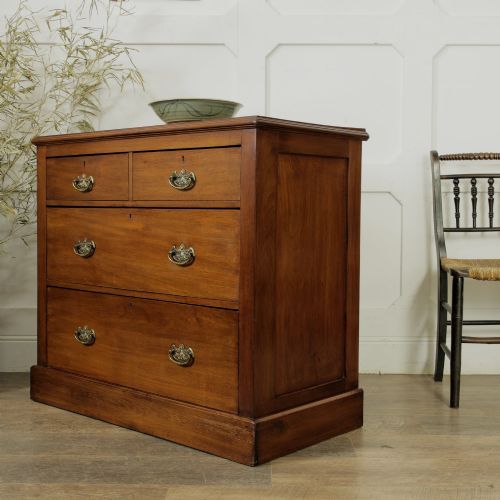
Traditional Tallboy Dresser
A traditional tallboy dresser brings substance and serious storage to a room through centuries of cabinet-making craft.
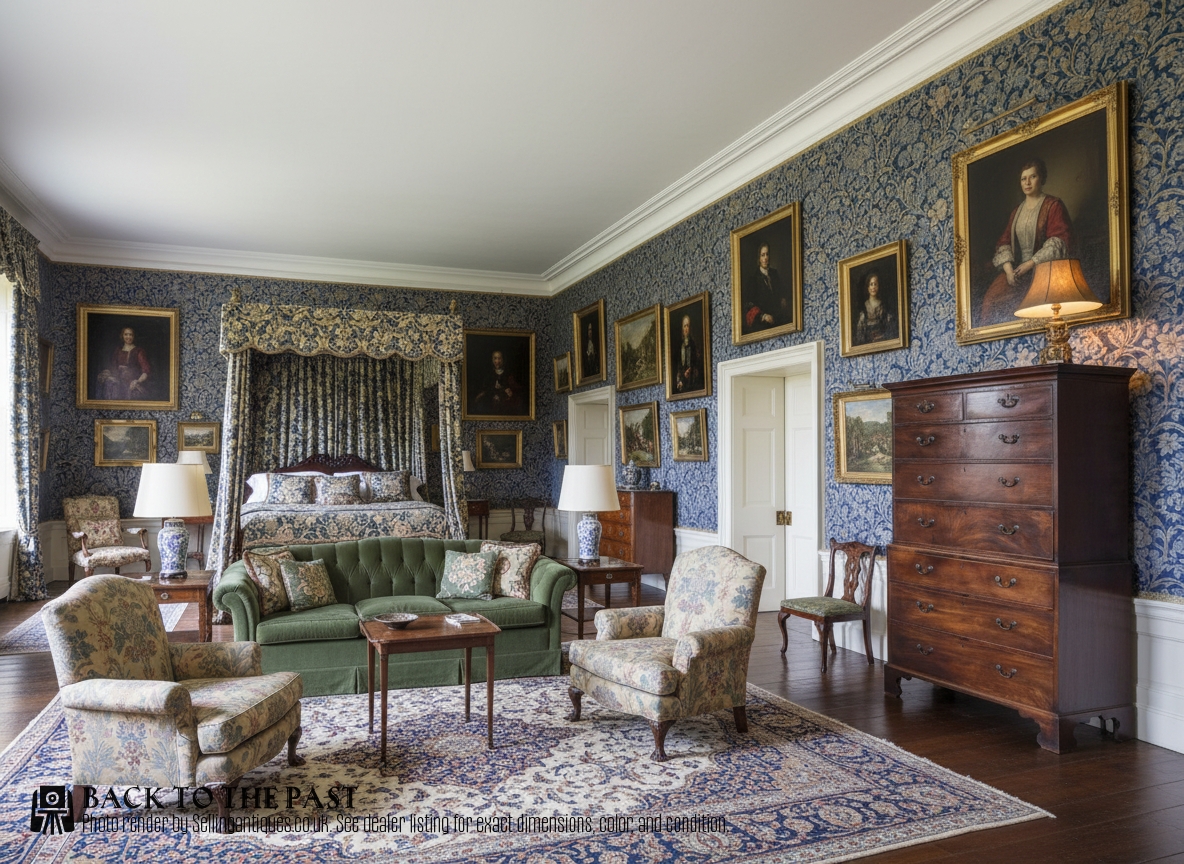
Traditional Tallboy Dresser
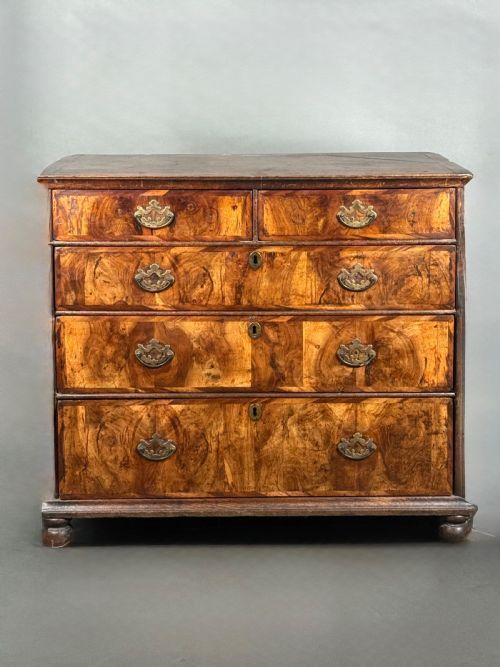
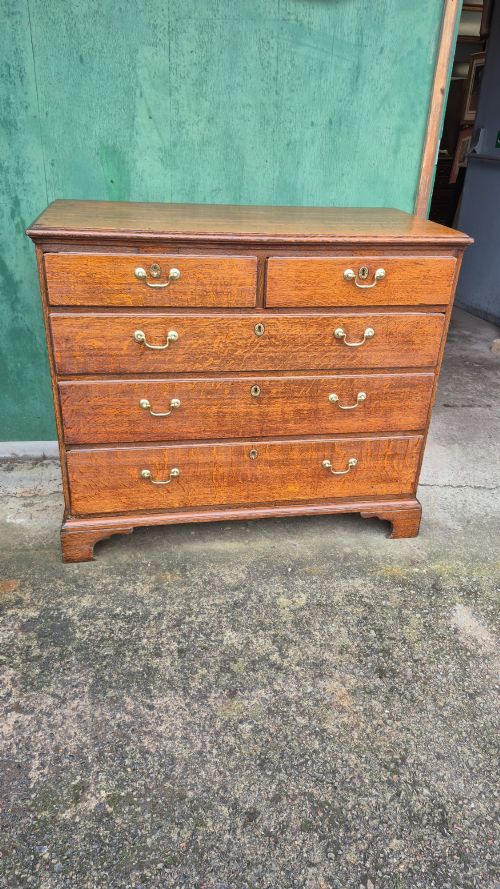
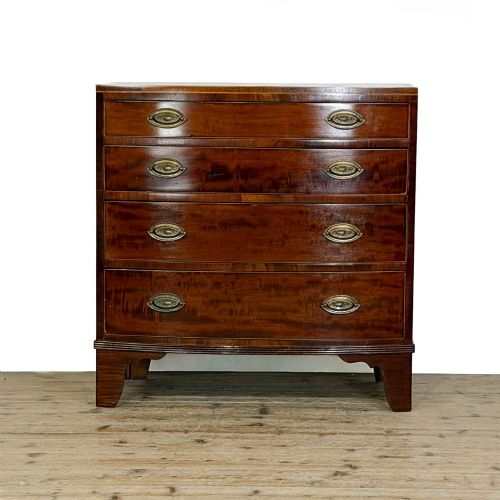
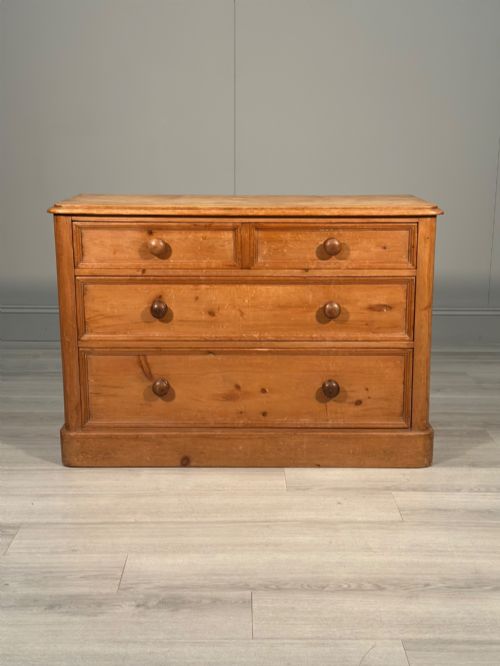
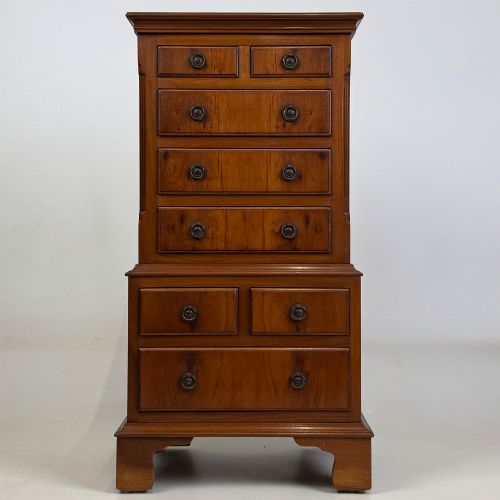
A traditional tallboy dresser usually takes the form of a robust chest of drawers, built to stand tall in domestic interiors. Buyers browsing this selection encounter pieces stretching from the early eighteenth century through the Victorian and Edwardian eras.
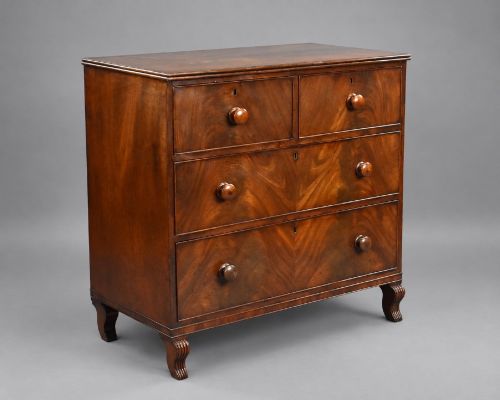
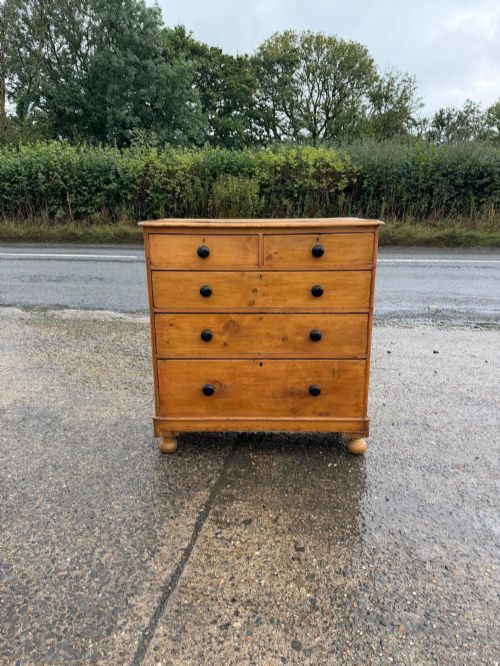
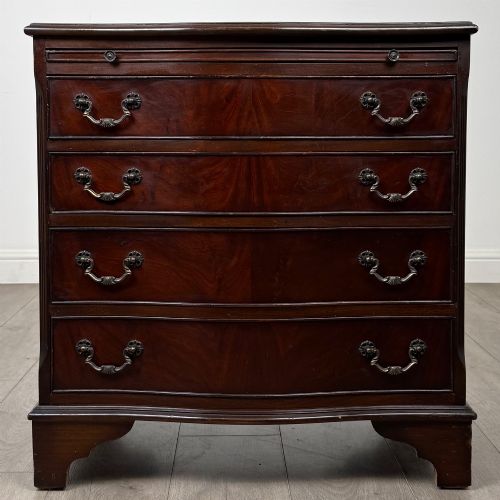
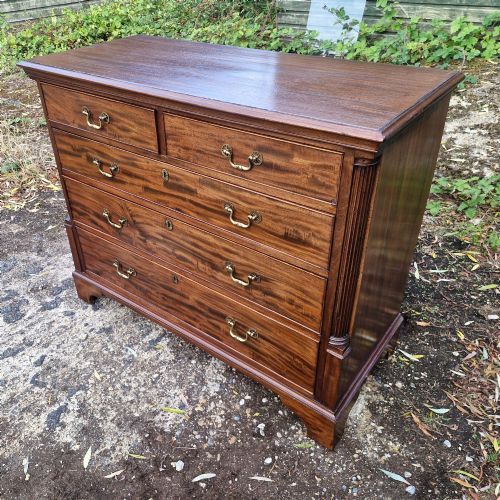
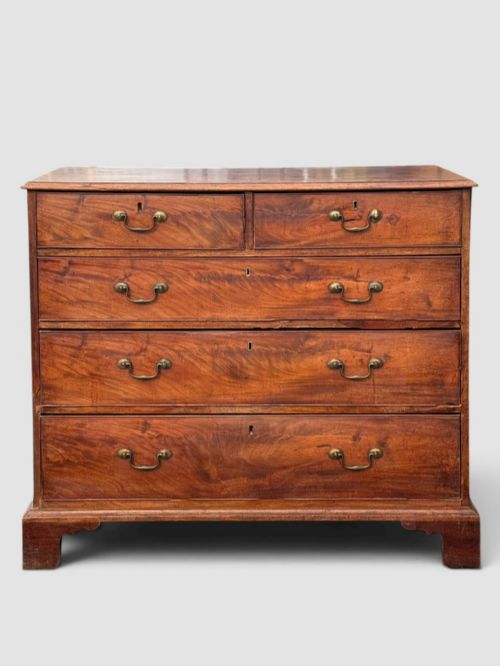
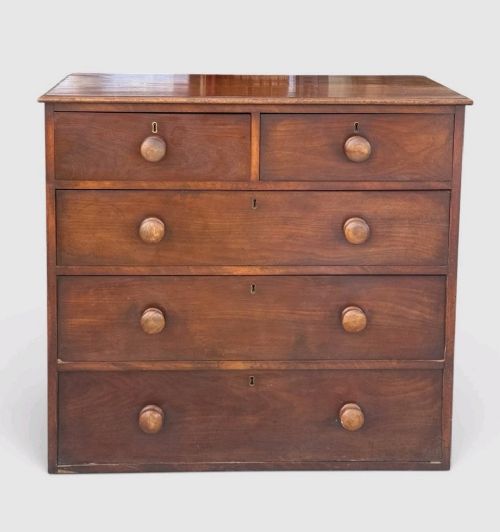
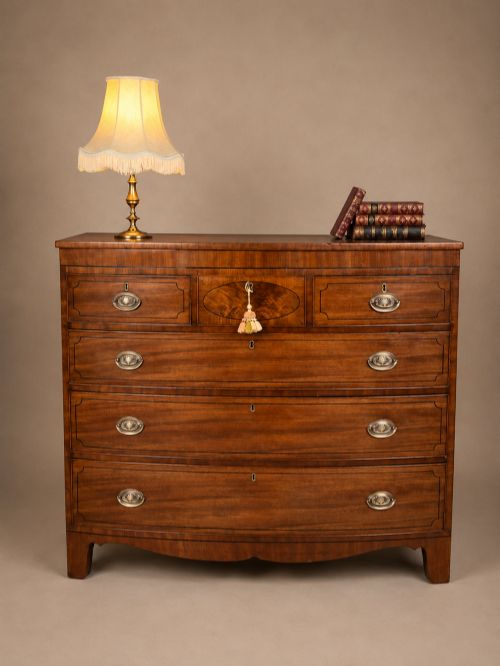
The inventory on this page leans heavily toward mahogany and pine forms, spanning Georgian designs down to twentieth-century oak interpretations. These storage units arrive in various drawer configurations, often featuring classic brass hardware or simple turned bun handles.
Materials and construction methods
Cabinet-makers relied primarily on solid timbers such as mahogany, oak, walnut, and pine to construct the carcass and drawers. Decorative surfaces frequently display flame mahogany or figured walnut veneer applied over a secondary wood base.
Joinery techniques depended on the period, utilising sturdy dovetailed drawer boxes and panel construction designed to endure heavy daily use. Brass pulls and drop handles were secured directly to the drawer fronts to complete the construction.
Traditional Tallboy Dresser Retail Price Guide 2026
Typical asking prices for traditional tallboy dresser among the pieces listed under this phrase on Sellingantiques today, from the lower quarter to the upper quarter. They describe what is for sale here now, not the wider market.
The listings encompass items built across multiple centuries, featuring materials ranging from utilitarian pine to exotic walnut and mahogany veneers.
Assessing quality across periods
Quality reveals itself in the choice of timber figure, such as the depth of grain seen in flame mahogany and figured walnut veneers. Superior pieces demonstrate crisp moulding details and precise dovetailing that holds firm across generations.
The integrity of the structural carcass and the smooth movement of the drawer boxes separate utilitarian storage from finer cabinet work. Original hardware and untouched surface patination elevate the standing of an individual piece.
Jas Shoolbred
The Traditional Tallboy Dresser Glossary
- Bow front
- A convex curved chest front popular in Georgian and Victorian furniture design. This shape softens the profile of a heavy wooden cabinet.
- Serpentine front
- A front configuration featuring a central convex curve flanked by concave sweeps. This intricate shaping requires skilled woodworking.
- Flame mahogany
- A veneer cut from timber fork where the grain pattern resembles flickering flames. It provides high visual movement on drawer fronts.
- Bun handle
- A small, rounded wooden knob often turned on a lathe. These frequently appear on nineteenth-century pine chests of drawers.
- Linenfold
- A carved wood panel motif resembling folded fabric. This decorative detail surfaces on twentieth-century oak pieces.
Traditional Tallboy Dresser: Frequently Asked Questions
What defines a traditional tallboy dresser?
A traditional tallboy dresser is essentially a tall chest of drawers designed to maximise vertical storage space in a bedroom or hallway. These items range from early Georgian hardwood designs to later pine and oak variations.
Buyers find numerous iterations featuring multiple drawer tiers, brass handles, and distinct timber veneers. Each piece reflects the prevailing aesthetic of its specific century of origin.
How do I date a wooden chest of drawers?
Dating relies on observing the timber species, construction methods, and hardware styling present on the cabinet. Eighteenth-century examples often display rich mahogany or walnut figures with hand-cut dovetails.
Later Victorian and Edwardian versions frequently utilise pine or oak with machine-cut components and different handle configurations. Comparing these physical characteristics against known period styles clarifies the timeline.
Where should I place a tall dresser in my home?
These tall storage units suit bedrooms, dressing rooms, and large hallways where vertical wall space is available. Their considerable height allows them to provide substantial storage without claiming excessive floor area.
Placing them away from direct heat sources helps protect the solid timber and delicate veneers from drying out. Adequate clearance ensures the drawers operate smoothly in daily use.
Are these dressers suitable for modern clothing storage?
The deep drawer configurations make these chests practical for organising folded garments, linens, and accessories. Solid wood construction ensures the interior compartments remain durable and robust.
Interiors should be checked to ensure drawer bases run cleanly on their runners. Simple maintenance keeps these period items functional for contemporary domestic life.