



Traditional Tall Floor Lamp
A traditional tall floor lamp brings height and focused illumination to a room, drawing on decades of period design.
Traditional Tall Floor Lamp
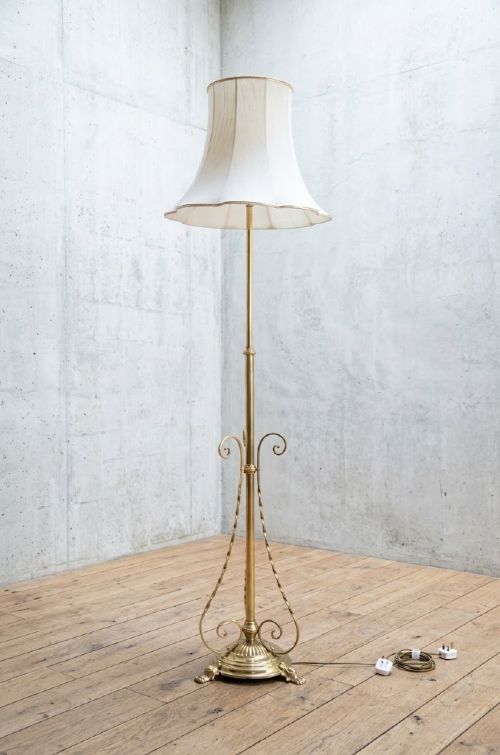
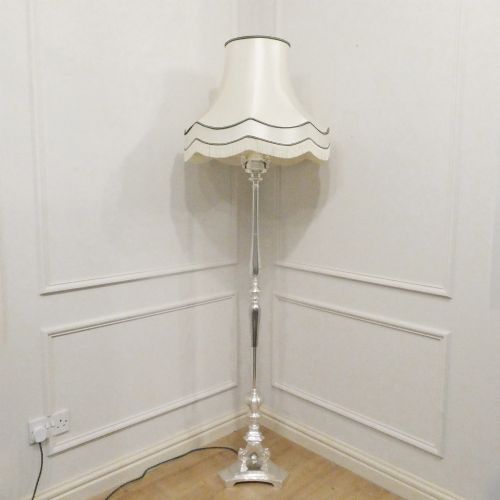
A traditional tall floor lamp stands as a vertical lighting fixture designed to illuminate a room from a grounded position. The selection spans standard lamps and floor lamps originating from the Victorian and Edwardian eras through to the 1930s. Buyers encountering this group will find both upright reading lights and decorative column stands.
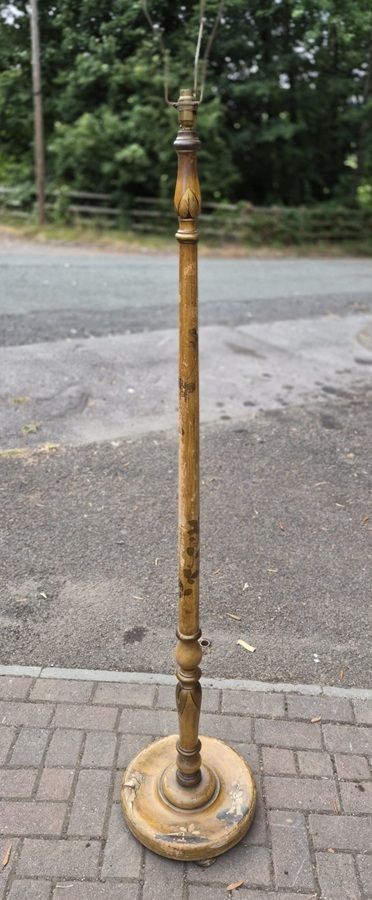
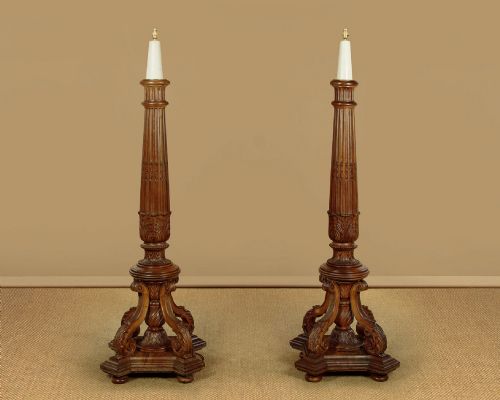
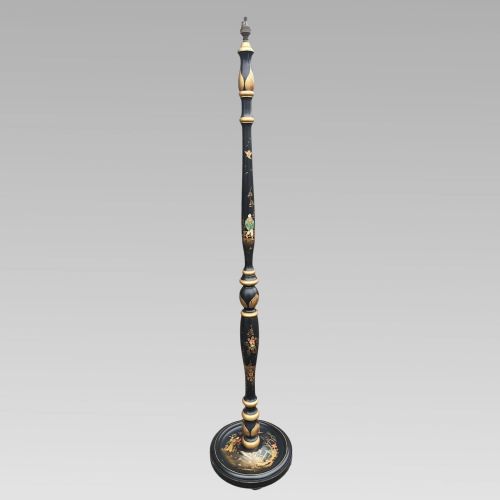
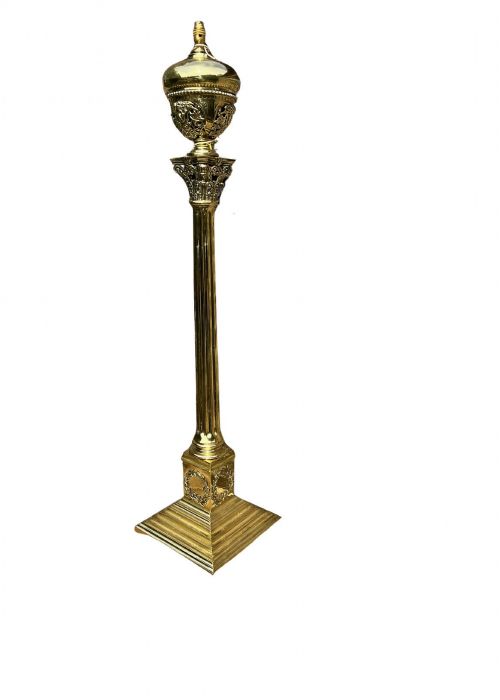
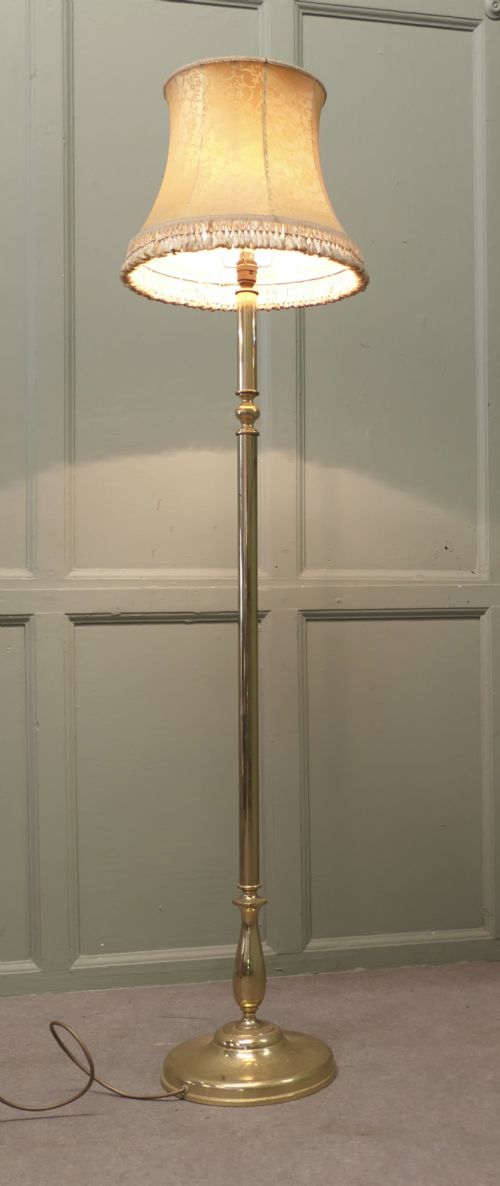
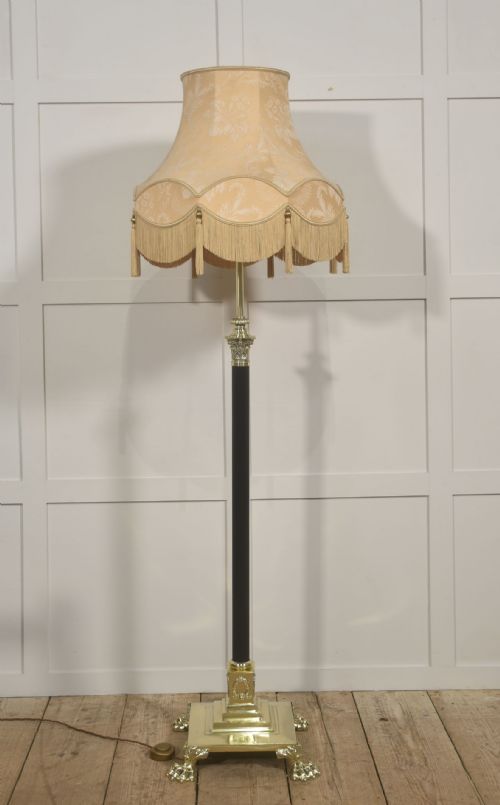
The objects take various structural forms, including Corinthian columns, adjustable brass stems, and turned wooden shafts. Stylistic influences range from Arts and Crafts and Classical Revival to Chinoiserie and Regency Revival. These pieces provide functional height while serving as prominent decorative furnishings within domestic spaces.
Materials and construction
Joinery and mechanical adjustments define the functional integrity of these items. Height-adjustable mechanisms allow the stem to alter its vertical reach, while weighted bases provide stability for the extended height. Surface treatments include polished metal, carved wood, and painted lacquer finishes.
Assessing quality and craftsmanship
Quality rests on the integrity of the materials and the precision of the mechanical parts. Solid brass castings and finely carved mahogany or giltwood represent a higher grade of manufacture than simpler turned beech or basic metal fabrication. The weight and balance of the base determine how securely the lamp stands at full extension.
Detailing distinguishes finer examples from standard production pieces. Hand-carved ornamentation, complex column capitals such as the Corinthian style, and smooth height-adjustment mechanisms indicate superior workshop execution. The survival of original surface finishes and decorative lacquer work further elevates the standing of an individual piece.
The Traditional Tall Floor Lamp Glossary
- Standard lamp
- A term historically used in British English for a floor lamp, denoting a tall vertical lighting stand placed directly on the floor. It typically supports a shade at the upper terminus.
- Corinthian column
- An architectural column style featuring an ornate capital decorated with acanthus leaves, frequently adapted for the vertical shafts of Victorian and Edwardian brass floor lamps.
- Giltwood
- Wood that has been coated with a thin layer of gold leaf or gold paint, visible on decorative frames and stands from the late nineteenth and early twentieth centuries.
- Parcel gilt
- A decorative finish where only specific portions of an object, such as carved highlights on wood or metal, are gilded while the rest remains in a contrasting colour or natural finish.
- Chinoiserie
- A European artistic style reflecting Chinese motifs and techniques, frequently expressed through black lacquer surfaces and painted oriental scenes on standard lamps.
Traditional Tall Floor Lamp: Frequently Asked Questions
How do I choose the right height?
Consider the ceiling height and the placement of existing furniture when selecting a floor lamp. Adjustable brass models offer flexibility if you need to alter the vertical reach for specific seating arrangements.
Heavier wooden columns provide a fixed stature that anchors a corner of a room. Match the scale of the lamp to the proportions of your living space.
Where should I place a floor lamp?
These lamps function effectively beside armchairs or sofas to provide adequate illumination for reading. Placing them in dark corners brings vertical light and warmth to a room.
Ensure the base rests on a stable surface where the weighted foot can support the height safely. Keep the piece clear of heavy foot traffic to protect delicate lacquer or carved wood.
How do I identify an Edwardian standard lamp?
Edwardian pieces often combine traditional brass components with slender proportions, reflecting the stylistic shift away from heavy Victorian ornamentation. Look for refined turnings in mahogany or simple classical columns.
Design influences from this period also include early Arts and Crafts simplicity and lighter Chinoiserie lacquering.
Can I adjust the height on older models?
Many period brass floor lamps feature built-in mechanical adjustment stems that allow you to raise or lower the upper section. These mechanisms rely on original screws or sliding collars designed for domestic use.
Turned wooden examples generally remain at a fixed height, lacking the adjustable metal stems found on reading lamps.
What maintenance do these lamps require?
Dust wooden and lacquered surfaces regularly with a soft cloth to protect the finish. Metal components like brass benefit from occasional gentle cleaning to maintain their lustre without stripping historical patination.
Check wiring and electrical components periodically to ensure safe operation in a modern home.