


Traditional Sutherland Table
A traditional sutherland table is a narrow folding drop-leaf table designed to save space, perfect for modern living rooms and studies.
Traditional Sutherland Table
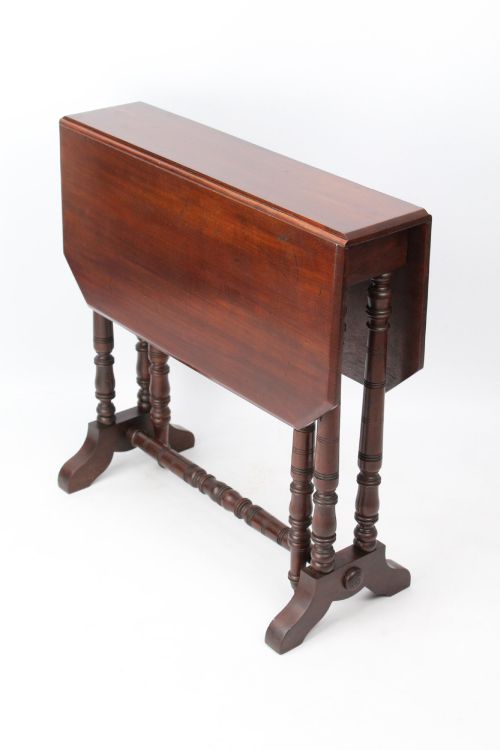
A traditional sutherland table offers a clever folding mechanism with exceptionally narrow drop-leaves supported by swinging gatelegs. When closed, the leaves hang almost vertically down, taking up minimal floor space against a wall.
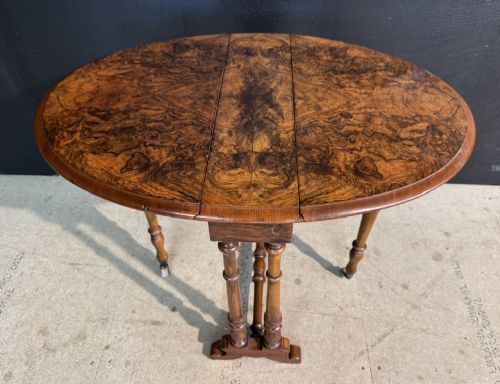
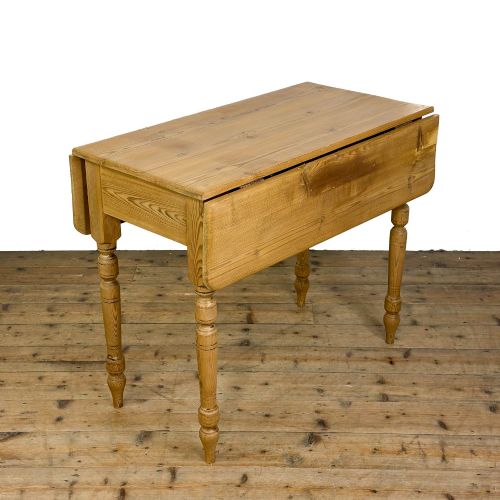
The pieces seen here span the nineteenth century into the Edwardian period, alongside related drop-leaf and gateleg forms. Mahogany is the predominant wood, accompanied by burr walnut, oak, and pine.
Makers produced these tables in various sizes, ranging from miniature examples and coffee tables up to dining tables that seat four. They function equally well as occasional tables and side tables in compact rooms.
How they were made
Cabinetmakers constructed these frames primarily in mahogany, walnut, oak, and pine, often incorporating boxwood stringing or decorative veneers like burr walnut. The timber was chosen for both structural integrity in the slender legs and visual appeal on the tabletops.
Hardware played a crucial functional role, utilising brass hinges and iron mechanisms to allow the narrow leaves to drop smoothly and lock securely onto the swinging gatelegs.
Named after a Duchess, these nimble tables fold away so flat they practically disappear when you need your floor space back.
What varies in quality
The refinement of the timber selection and veneer work largely distinguishes standard examples from finer ones. Richly figured burr walnut or carefully matched mahogany displays superior craftsmanship compared to plain utility pine.
The rigidity and smoothness of the folding leg action also mark the standard of construction. A well-made hinge and swing assembly operates without looseness, keeping the leaves stable when raised.
The Traditional Sutherland Table Glossary
- Sutherland table
- A narrow drop-leaf table with hinged leaves that fold down almost vertically, supported by swinging legs. It was developed in the nineteenth century and named after the Duchess of Sutherland.
- Gateleg table
- A table with legs that swing out on hinges to support folding leaves. Sutherland tables are a specialised, narrower development of this earlier form.
- Drop-leaf table
- A table with a fixed centre section and hinged leaves on either side that can be raised or lowered. They provide flexible surface area for changing room layouts.
- Burr walnut
- A prized timber harvested from the wart-like growths on walnut trees, showing swirling, highly decorative grain patterns. Cabinetmakers used it for high-status ornamental furniture.
- Stringing
- A thin inlay of contrasting wood, such as boxwood, set into the surface of furniture to create delicate decorative borders.
Traditional Sutherland Table: Frequently Asked Questions
What is a traditional sutherland table?
A traditional sutherland table is a narrow drop-leaf table featuring exceptionally slender legs and leaves that fold down nearly flat. It was designed to occupy minimal space when not in use.
These pieces function well as side tables, coffee tables, or small dining tables, adapting easily to different room layouts.
How do you use a sutherland table?
You use a sutherland table by lifting one or both of the hinged drop-leaves and swinging the supporting gatelegs outward from the frame to lock them in place.
When you need more floor space, you simply swing the legs back and let the leaves hang vertically down against the narrow central structure.
How do I date an antique sutherland table?
You date these tables by examining the timber species, construction methods, and overall stylistic details. Nineteenth-century examples often feature solid mahogany or burr walnut veneers, while Edwardian versions frequently show lighter proportions.
Hardware such as brass hinges and iron fittings also help indicate the period of manufacture when compared against known historical pieces.
Are sutherland tables sturdy enough for dining?
Larger versions of these tables were built to seat four people and provide adequate stability for daily use when the gatelegs are fully extended. The clever placement of the swing legs helps support the weight placed on the leaves.
Smaller coffee table or miniature variations are better suited for holding books and decorative items rather than heavy loads.