




Traditional Storage Ottoman Box
These traditional storage ottoman box examples provide sturdy seating alongside concealed storage, offering practical utility for any room.
Traditional Storage Ottoman Box
A traditional storage ottoman box combines a seated top with an internal compartment for household storage, serving dual purposes in a room. Buyers seeking this type often find practical furnishings designed to hold blankets, linen, or daily clutter while offering a bench or stool.
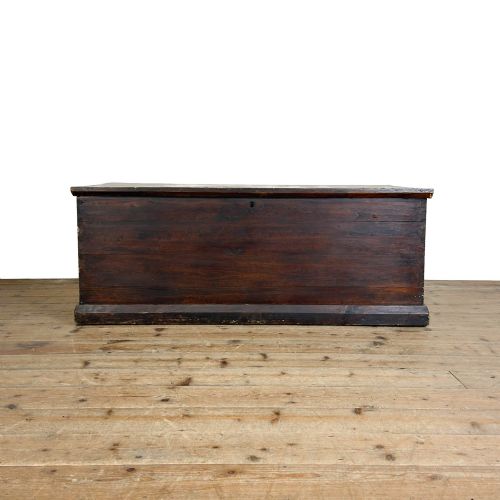
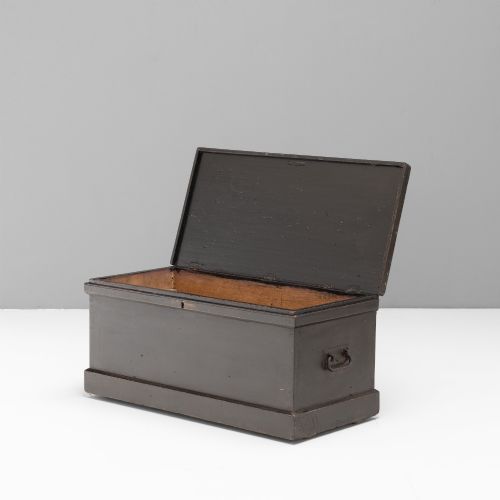
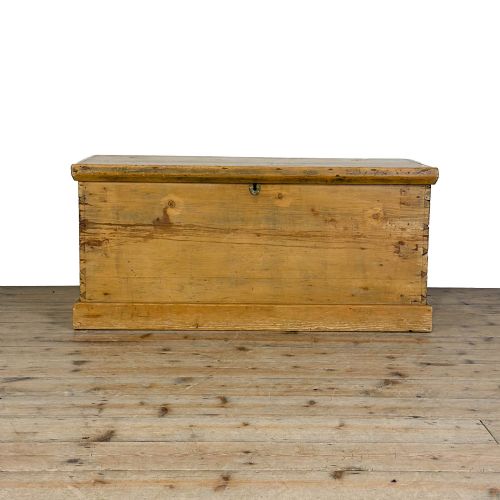
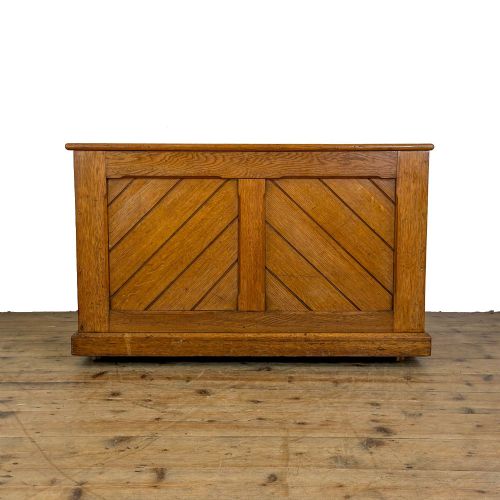
The pieces listed on this page span the Victorian era, the nineteenth century, and early twentieth century periods up to nineteen thirty. Common forms include blanket boxes, mule chests, footstools, and trunks adapted with upholstery or hinged lids.
Origin styles range from rustic country and farmhouse aesthetics to traditional English and Victorian revival designs. Pine, mahogany, cherrywood, and leather form the primary physical structures of these items.
How they were made
Makers utilised solid timbers such as pine, mahogany, and cherrywood to construct the primary boxes and chests. Carpenters joined panels using traditional methods to ensure durability for daily seating and storage.
Upholstered variants incorporate deep buttoning and hand-dyed leather fixed over internal padding and wooden frames. Metal hardware like brass and iron often provides hinges, handles, and structural reinforcement.
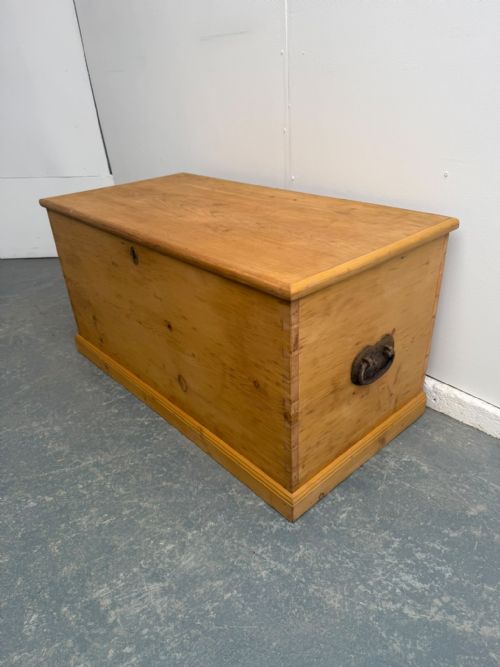
Forms on this page include mule chests, footstools, deep buttoned upholstered seats, and plain pine trunks.
What varies in quality
The choice of primary wood dictates much of the physical character, with dense hardwoods like mahogany offering a different finish to waxed or polished pine. Finer pieces demonstrate careful attention to timber selection and surface finishing.
Upholstered examples differ according to the execution of the leatherwork and buttoning technique. Original hardware integrity and the condition of internal linings also influence the overall standard of the piece.
The Traditional Storage Ottoman Box Glossary
- Mule chest
- A traditional chest featuring one or more drawers beneath the main storage compartment. This form bridges the gap between a standard blanket box and a chest of drawers.
- Blanket box
- A large rectangular container originally utilised for storing woollen blankets and household linen. Lids are typically hinged for top access.
- Ottoman
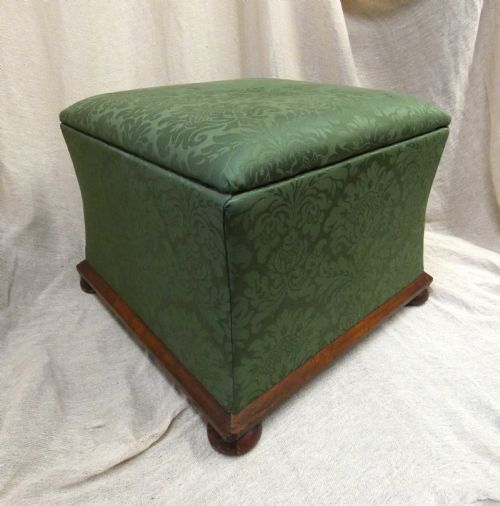
- A low upholstered seat or footstool lacking a back or arms, frequently featuring a hinged top that opens to reveal storage space inside.
- Deep buttoning
- An upholstery technique where twine pulls the fabric tight into the padding at regular intervals, secured with buttons to create a diamond pattern.
- Waxed finish
- A traditional surface treatment applied to timber to nourish the wood and provide a soft sheen rather than a glossy varnish.
Traditional Storage Ottoman Box: Frequently Asked Questions
What is a traditional storage ottoman box?
A traditional storage ottoman box is a dual-purpose furnishing that combines a seated top with a concealed compartment for household items.
These pieces typically date from the Victorian period through the early twentieth century and appear in materials like pine, mahogany, and leather.
How were these boxes used originally?
In past centuries, these boxes served primarily in bedrooms and living spaces to store heavy blankets, linens, and personal possessions.
Many designs also provided practical seating at the foot of a bed or beside a fireplace.
How do I identify a Victorian piece?
Victorian pieces often display specific timber choices such as polished or waxed pine, mahogany, and robust iron or brass hardware.
Stylistic cues include rustic country finishes, deep buttoned leather upholstery, and traditional box construction methods.
How do I care for a leather ottoman?
Leather surfaces benefit from regular dusting and occasional conditioning to maintain suppleness and prevent the material from drying out.
Keeping the furniture away from direct heat sources helps preserve the integrity of both the leather and the underlying wooden frame.