
Traditional Storage Cabinet
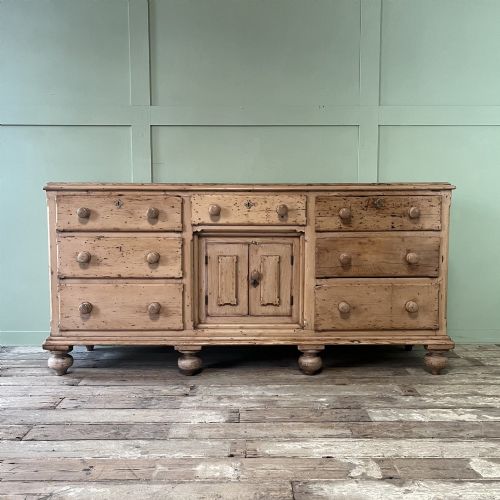
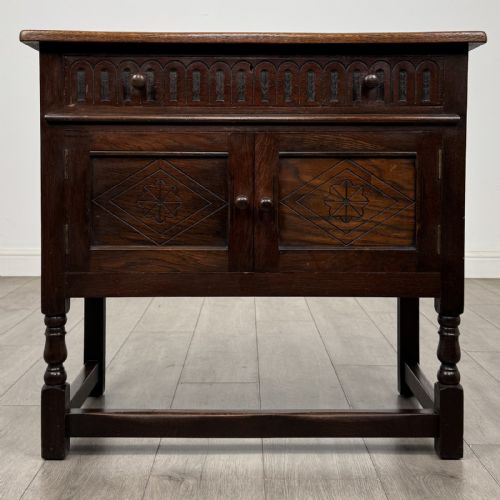
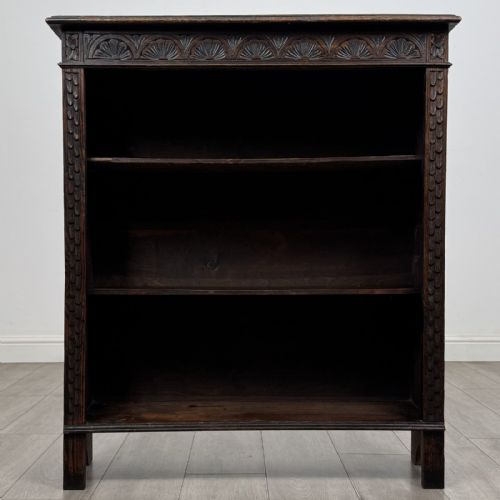
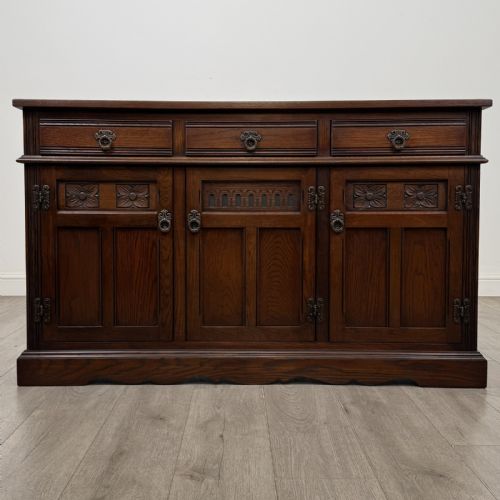
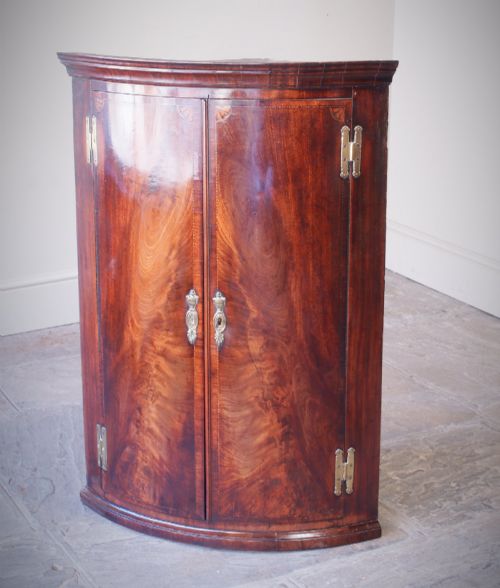
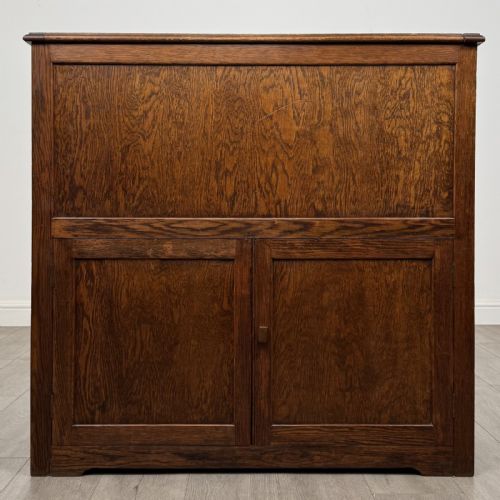
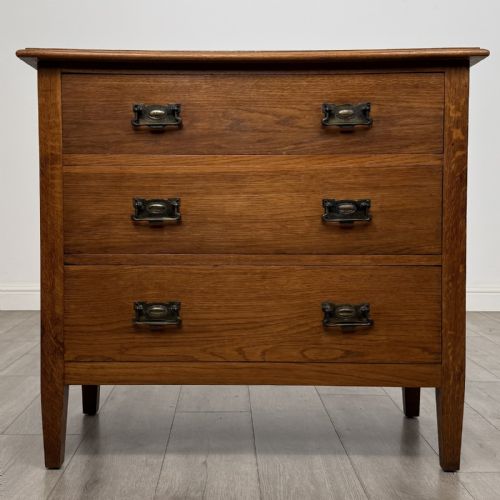
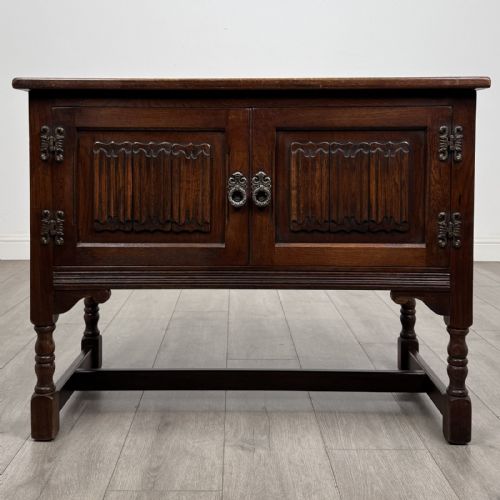
A traditional storage cabinet brings sturdy oak, mahogany, or pine construction and enduring utilitarian form into a room.
Traditional Storage Cabinet
A traditional storage cabinet encompasses a wide variety of utilitarian furniture designed to hold household goods, linens, and books. When exploring these pieces, buyers encounter cupboards, linen presses, sideboards, and chests of drawers spanning multiple centuries.
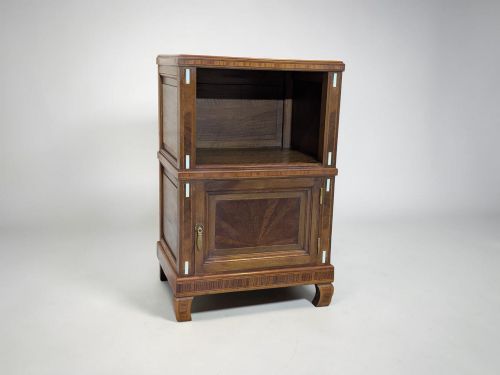
Originating primarily from domestic contexts, these items reflect the distinct storage needs of past households. Pieces extend from formal panelled wardrobes to rustic country dressers and small bedside cabinets.
How they were made
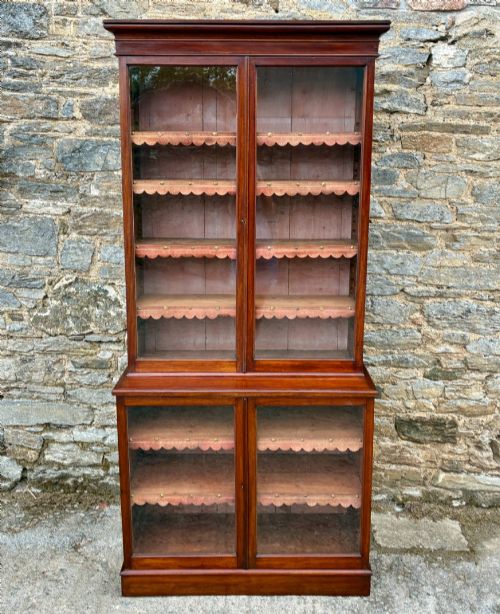
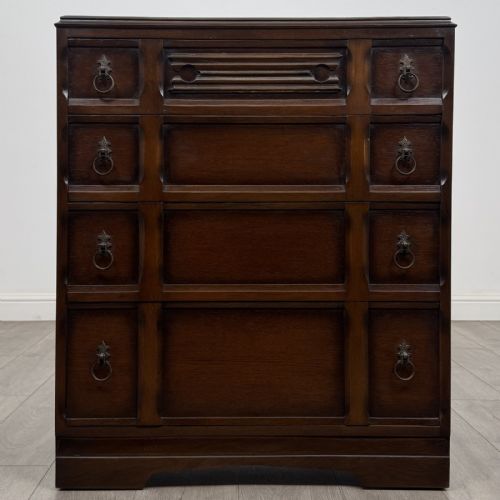
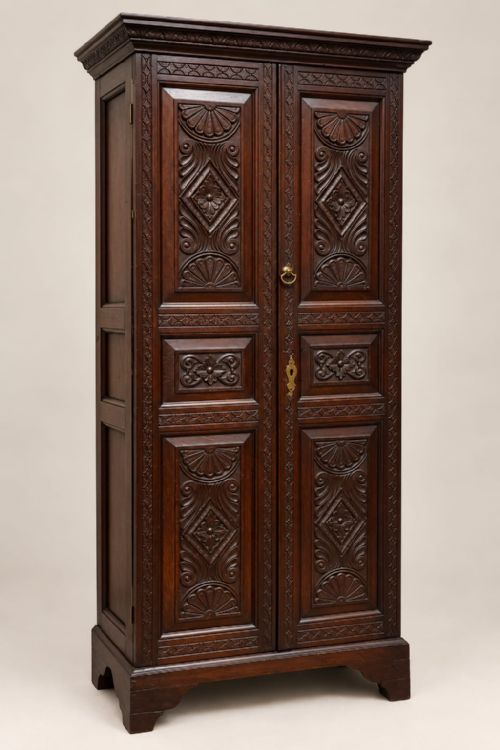
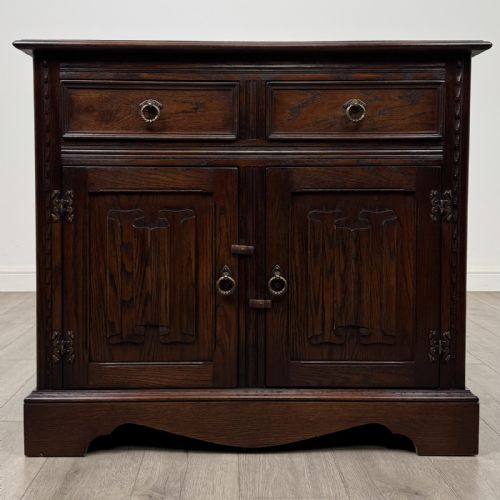
Construction relies heavily on solid timber foundations using woods such as oak, mahogany, pine, and burr walnut. Cabinet makers utilised traditional joinery methods to build enduring carcases, often integrating decorative elements like linenfold carving, raised galleries, and bracket feet.
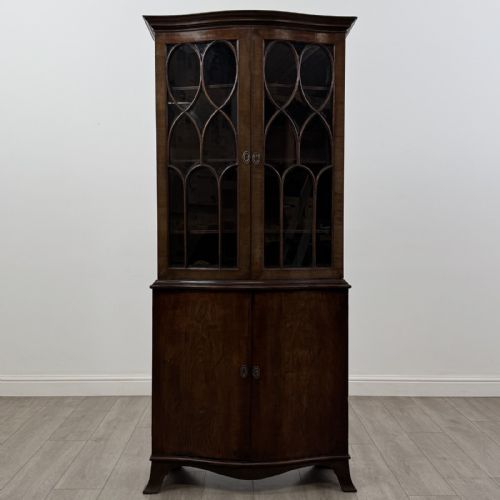
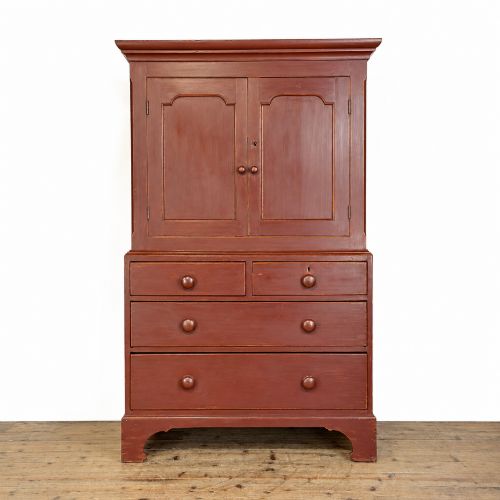
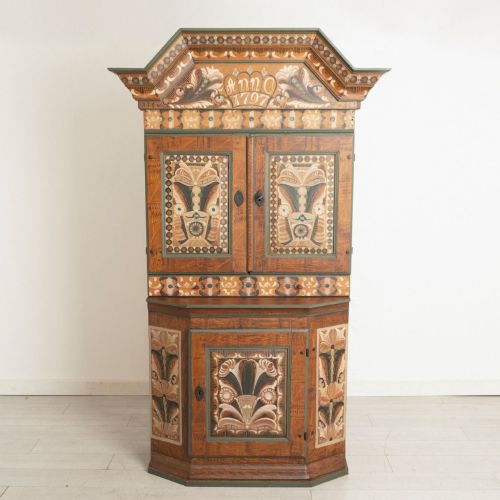
Surface treatments and hardware define the visual character of each piece, incorporating brass handles, leaded glass doors, astragal glazing, and hand-painted finishes. Master craftsmen also employed techniques such as inlay and dentil cornices on formal Georgian and Edwardian designs.
The listings span multiple periods from the 18th century through to the 1920s, featuring woods like oak, mahogany, pine, and burr walnut.
What varies in quality
The standard of a traditional storage cabinet depends on the selection of timber and the precision of its construction. Superior pieces exhibit carefully figured wood grains, such as burr walnut or select mahogany, matched with refined proportions and original hardware like brass handles.
Execution of decorative details separates utilitarian items from finer examples of cabinet making. Clean lines, well-fitted doors, functional internal pigeon holes or adjustable shelves, and stable bracket feet distinguish higher grade furniture from simpler vernacular pieces.
The Traditional Storage Cabinet Glossary
- Linen Press
- A tall piece of furniture designed for storing textiles, typically featuring upper cupboard doors enclosing sliding trays or shelves above a base of drawers.
- Astragal Glazing
- A method of framing window glass in cabinet doors using narrow wooden or metal bars to divide panes into smaller geometric sections.
- Bracket Feet
- Support feet shaped like small brackets or brackets meeting in a corner, commonly found beneath chests of drawers, bookcases, and wardrobes.
- Dentil Cornice
- A decorative architectural moulding featuring a series of small, rectangular blocks projecting like teeth along the upper edge of a cabinet.
- Linenfold
- A style of carved wooden panelling that resembles folded fabric, frequently seen on oak cupboards and doors from the sixteenth century onwards.
Traditional Storage Cabinet: Frequently Asked Questions
What is a traditional storage cabinet used for?
These cabinets serve as practical storage solutions for household items, books, clothing, and tableware across various rooms in the home.
Historically designed for specific domestic duties, they now function flexibly to organise modern living spaces while adding historical character.
How do I identify a Georgian cabinet?
Georgian cabinets often display refined mahogany timbers, classical proportions, and sophisticated details such as dentil cornices, bracket feet, and astragal glazing.
They tend to show formal design principles influenced by the architectural styles prevalent during the eighteenth century.
What wood was used for antique cupboards?
Cabinet makers utilised a range of domestic and imported timbers depending on the period and regional origin of the piece.
Oak appears frequently in earlier and country pieces, while mahogany and burr walnut dominate formal Georgian and Victorian furniture, alongside pine for utilitarian kitchen cupboards.
How do I care for solid wood furniture?
Solid wood cabinets require stable indoor humidity levels and protection from direct sunlight to prevent timber movement or fading.
Routine dusting with a soft cloth helps maintain the finish, and occasional applications of appropriate wax preserve the natural lustre of the wood.